
Best Beaches in Australia Travel Guide
Best Beaches in Australia Travel Guide
Australia is home to some of the world’s most stunning coastlines, offering everything from secluded coves and turquoise lagoons to world-famous surf breaks and vibrant marine life. This guide highlights the best beaches in Australia, helping travelers choose the right destination based on scenery, activities, accessibility, and crowd levels. Whether you’re seeking relaxation, adventure, or family-friendly shores, Australia’s diverse coastline delivers unforgettable experiences. From the iconic shores of Bondi to the untouched wilderness of the Whitsundays, each beach offers a unique slice of Australian coastal life.
Why Australia’s Beaches Stand Out
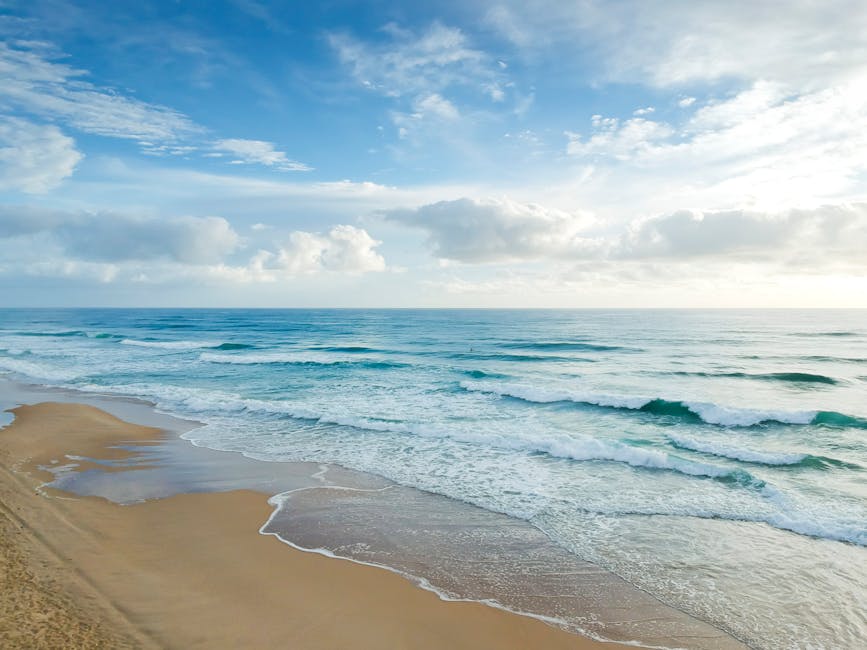
With over 10,000 beaches stretching across 60,000 kilometers of coastline, Australia offers unparalleled variety. The country’s beaches are protected by national parks, marine reserves, and strict environmental regulations, helping preserve their natural beauty. Many are easily accessible by road or short hikes, while others remain remote and require boat access—perfect for travelers craving solitude.
Australia’s climate supports year-round beach visits, though conditions vary by region. The tropical north enjoys warm waters from November to April, while southern beaches are best from December to February. Water temperatures range from 15°C in Tasmania to over 30°C in Queensland’s far north. Swimmers should always check local conditions, especially regarding tides, currents, and marine life.
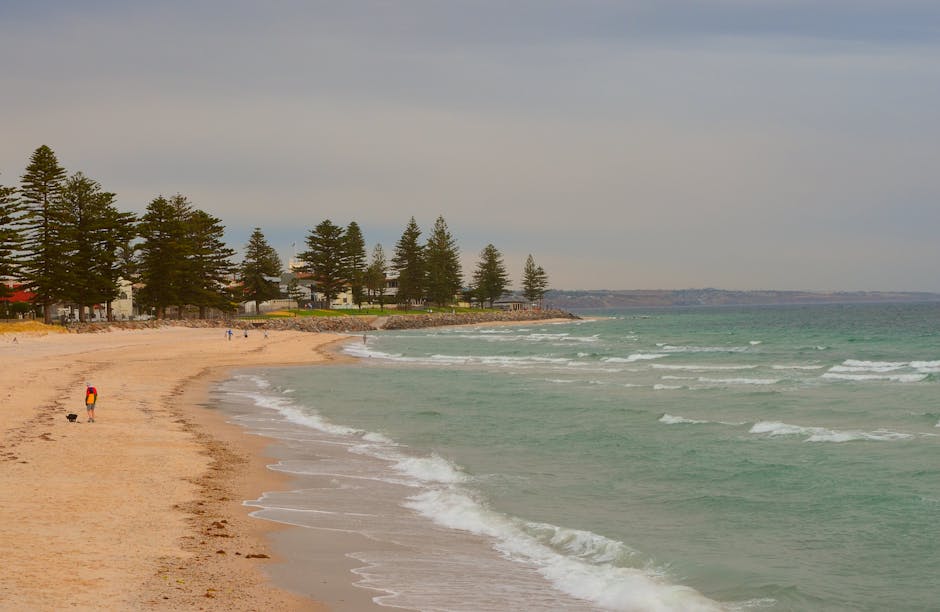
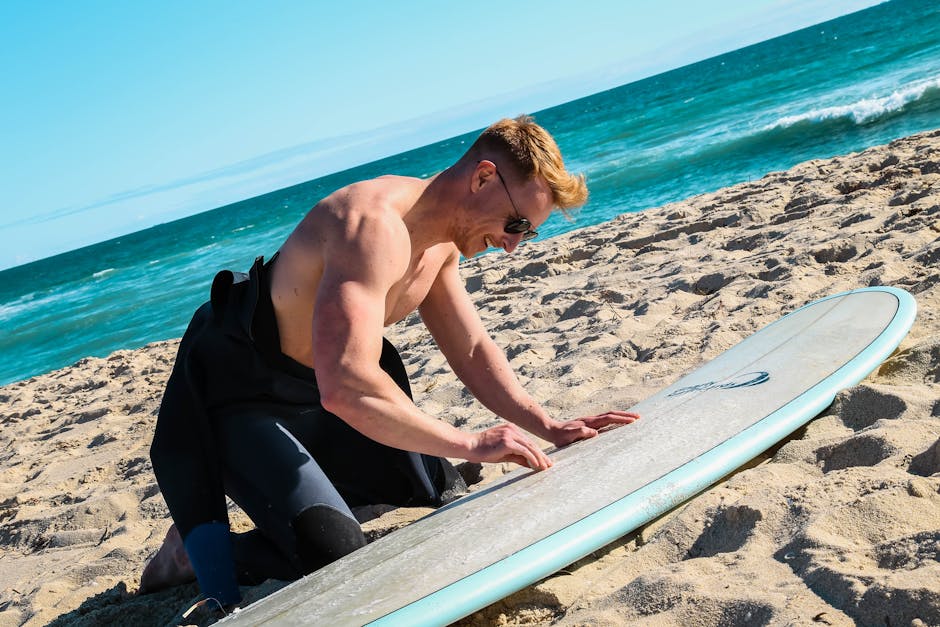
Surf culture is deeply woven into Australian identity, with consistent waves along the east and west coasts. At the same time, sheltered bays and calm waters make many beaches ideal for families. Snorkeling, diving, kayaking, and wildlife watching are common activities, supported by well-maintained facilities and visitor centers in popular areas.
Top Beaches in Australia by Region
New South Wales: Iconic Coastlines and Urban Escapes
New South Wales (NSW) offers a mix of city beaches and rugged coastal escapes. Sydney’s coastline is particularly famous, drawing millions of visitors each year.
Bondi Beach is Australia’s most recognizable beach, located just 7 kilometers from Sydney’s CBD. Known for its golden sand, reliable surf, and lively atmosphere, Bondi is perfect for swimming, sunbathing, and people-watching. The Bondi to Coogee coastal walk offers panoramic ocean views and connects several smaller beaches. Facilities include showers, cafes, and lifeguard patrols year-round. Parking can be challenging on weekends, so public transport is recommended.
Manly Beach, accessible via a scenic 30-minute ferry from Circular Quay, combines surf culture with a relaxed village vibe. The beach stretches over 1.5 kilometers, with calm waters at Queenscliff end ideal for families. Manly also offers excellent snorkeling at Cabbage Tree Bay Aquatic Reserve, where you can spot fish, rays, and even dolphins.
For a quieter experience, Palm Beach in the Northern Beaches offers sweeping views, a long stretch of sand, and the backdrop of Barrenjoey Headland. Popular with filmmakers—it was featured in the TV series *Home and Away*—Palm Beach is less crowded than Bondi and has a laid-back, upscale feel. The walk to Barrenjoey Lighthouse rewards hikers with 360-degree coastal views.
Queensland: Tropical Paradise and Island Getaways
Queensland’s beaches are defined by warm waters, coral reefs, and lush rainforests meeting the sea. The state is a gateway to the Great Barrier Reef and offers some of the most photogenic coastlines in Australia.
Whitehaven Beach, located on Whitsunday Island in the heart of the Whitsundays, is frequently ranked among the world’s top beaches. Its silica sand is pure white and cool to the touch, even under the tropical sun. The swirling patterns of Hill Inlet create a mesmerizing blend of turquoise, aquamarine, and emerald waters. Access is by boat or seaplane from Airlie Beach or Hamilton Island. Day trips are popular, but overnight stays on nearby islands offer a more immersive experience.
Noosa Main Beach on the Sunshine Coast combines surf-friendly waves with a protected national park setting. The beach is patrolled daily, making it safe for swimmers of all ages. Noosa is also known for its eco-conscious culture, with strict building height limits and a focus on sustainability. The Noosa National Park trail runs along the headland, offering koala sightings and ocean vistas.
Cable Beach in Broome, Western Australia, is a 22-kilometer stretch of red sand and turquoise water that faces the Indian Ocean. It’s famous for its camel rides at sunset and clear views of the full moon rising over the water—a phenomenon known as the Staircase to the Moon. The beach is easily accessible by car and has basic facilities, including a kiosk and public toilets. Swimming is generally safe, but visitors should be cautious of strong currents during the wet season (November to April).
Victoria: Rugged Beauty and Wild Coastlines
Victoria’s beaches are cooler and more rugged than those in the north, offering dramatic cliffs, powerful surf, and fewer crowds. The state is a favorite among surfers and nature lovers.
Bells Beach, near Torquay, is Australia’s most famous surf break and home to the annual Rip Curl Pro competition. The beach has a rocky base and strong waves, making it unsuitable for casual swimming but ideal for experienced surfers. Facilities are minimal—bring water and sun protection. The surrounding Great Ocean Road offers scenic drives and access to other beaches like Johanna and Princetown.
Lorne Beach on the Surf Coast is a family-friendly alternative to Bells Beach. It has a gentle slope, lifeguard patrols during summer, and a vibrant main street with cafes and shops. The Erskine Falls trail begins near the beach, offering a short walk to a 30-meter waterfall.
Apollo Bay, further west along the Great Ocean Road, offers a sheltered beach with calm waters and a backdrop of rolling hills. It’s a great base for exploring the Otway National Park, where you can hike through temperate rainforests and spot glow worms at night. The beach is dog-friendly in designated areas and has public showers and toilets.
Tasmania: Untouched Shores and Coastal Wilderness
Tasmania’s beaches are remote, pristine, and often surrounded by national parks. They’re ideal for travelers seeking solitude and natural beauty.
Bay of Fires on the northeast coast is famous for its white sand, clear waters, and distinctive orange lichen-covered rocks. The area is part of a conservation area and offers excellent swimming, fishing, and kayaking. Access is via unsealed roads, so a 4WD is recommended. Camping is permitted in designated areas, and there are basic facilities at some beaches.
Maria Island’s Green Pool is a secluded beach accessible only by boat or ferry from Triabunna. The island is car-free and home to wildlife like wombats and Cape Barren geese. The Green Pool itself is a sheltered lagoon with calm, shallow water—perfect for families. Overnight stays in the historic Darlington Probation Station add to the experience.
Western Australia: Remote Wonders and Coral Reefs
Western Australia (WA) offers some of the most isolated and visually striking beaches in the country, with red sands, turquoise waters, and unique marine ecosystems.
Turquoise Bay near Exmouth is a snorkeler’s paradise, located within the Ningaloo Marine Park. The beach has a natural coral reef just meters from the shore, offering easy access to clownfish, turtles, and reef sharks. The water is calm and shallow, making it ideal for beginners. Facilities include a car park, toilets, and picnic tables. Access is via the Coral Bay Road, and visitors must pay an entry fee to the marine park.
Eighty Mile Beach, as the name suggests, stretches for 220 kilometers along the coast near Broome. It’s one of the longest uninterrupted beaches in the world and a major stopover for migratory birds. The beach is remote, with limited facilities, but offers stunning sunsets and excellent fishing. Four-wheel-drive vehicles are recommended for access.
Rottnest Island’s The Basin is a sheltered, lagoon-like beach with shallow, crystal-clear water. The island is accessible by ferry from Perth or Fremantle and is car-free, with bikes and buses as the main transport. The Basin is perfect for families and snorkelers, with a nearby reef supporting diverse marine life. Quokkas, the island’s famous small marsupials, are often seen nearby.
Beach Safety and Practical Tips
While Australia’s beaches are beautiful, they can also be dangerous. Understanding local conditions is essential for a safe visit.
- Swim between the flags: Lifeguards patrol popular beaches and mark safe swimming zones with red and yellow flags. Always swim within these areas.
- Watch for rips: Rips are strong currents that pull swimmers away from shore. If caught in a rip, don’t panic—swim parallel to the shore until you’re out of the current, then swim back.
- Marine stingers: In northern Queensland and the Top End, box jellyfish and Irukandji can be present from November to May. Wear a stinger suit or swim in netted enclosures during these months.
- Sun protection: Australia has high UV levels. Apply SPF 50+ sunscreen, wear a hat and sunglasses, and seek shade during peak hours (10 a.m. to 4 p.m.).
- Respect wildlife: Do not feed or approach animals like dolphins, seals, or quokkas. Keep a safe distance and follow local guidelines.
- Leave no trace: Take all rubbish with you, especially on remote beaches. Avoid disturbing dunes or native vegetation.
Best Time to Visit Australia’s Beaches
The ideal time to visit depends on the region and your preferences. Generally, the southern states (Victoria, Tasmania, South Australia) are best from December to February, when temperatures are warm and rainfall is low. The northern tropics (Queensland, Northern Territory) are pleasant from May to October, avoiding the wet season and cyclone risk.
Shoulder seasons (March–April and September–November) offer fewer crowds and mild weather, making them ideal for road trips and outdoor activities. Summer (December–February) is peak tourist season, with higher prices and busy beaches, especially around holidays.
Always check local weather forecasts and beach condition reports before visiting. Some remote beaches may be inaccessible during heavy rain or high tides.
How to Choose the Right Beach for Your Trip
With so many options, selecting the best beach depends on your travel style and priorities. Consider the following factors:
- Family-friendly: Look for patrolled beaches with calm waters, such as Noosa Main Beach, Manly, or Apollo Bay.
- Surfing: Bells Beach, Snapper Rocks (Gold Coast), and Margaret River (WA) offer world-class waves.
- Snorkeling and diving: Turquoise Bay, Whitehaven Beach, and the Great Barrier Reef islands provide excellent underwater experiences.
- Solitude and nature: Bay of Fires, Maria Island, and Eighty Mile Beach offer peace and natural beauty.
- Accessibility: Urban beaches like Bondi and Manly are easy to reach, while others require planning and transport.
Compact Beach Comparison Table
| Beach Name | Location | Best For | Swimming Safety | Accessibility |
|---|---|---|---|---|
| Bondi Beach | Sydney, NSW | Surfing, socializing, city access | Patrolled, moderate rips | High (public transport) |
| Whitehaven Beach | Whitsunday Islands, QLD | Scenery, photography, relaxation | Calm, shallow waters | Medium (boat/seaplane) |
| Bells Beach | Torquay, VIC | Surfing, competitions | Not recommended for swimming | Medium (car required) |
| Turquoise Bay | Exmouth, WA | Snorkeling, marine life | Safe, shallow entry | Medium (4WD recommended) |
| Bay of Fires | Northeast TAS | Nature, solitude, photography | Generally safe, check tides | Low (4WD needed) |
Final Thoughts on the Best Beaches in Australia
Australia’s beaches are as diverse as the country itself, offering something for every traveler. From the bustling shores of Sydney to the untouched sands of the Whitsundays and the rugged coastlines of Tasmania, each destination provides a unique coastal experience. Planning ahead—whether it’s checking surf conditions, booking transport to a remote island, or packing sun protection—ensures a safe and enjoyable trip.
When choosing among the best beaches in Australia, consider your interests, travel season, and desired level of activity. Prioritize safety, respect the environment, and take time to appreciate the natural beauty that makes Australia’s coastline world-renowned.
FAQ
Q: Are Australia’s beaches safe for swimming?
A: Most popular beaches are patrolled by lifeguards and safe for swimming between the flags. However, always check for rips, marine stingers, and local warnings before entering the water.
Q: Do I need a car to visit Australia’s best beaches?
A: It depends on the location. Urban beaches like Bondi and Manly are accessible by public transport, while remote beaches such as Whitehaven or Bay of Fires require a car, boat, or tour.
Q: When is the best time to visit Australia’s beaches?
A: Summer (December–February) is ideal for southern beaches, while the dry season (May–October) is best for northern regions like Queensland and the Top End.

