
Batu Caves Travel Guide Kuala Lumpur
Batu Caves Travel Guide Kuala Lumpur
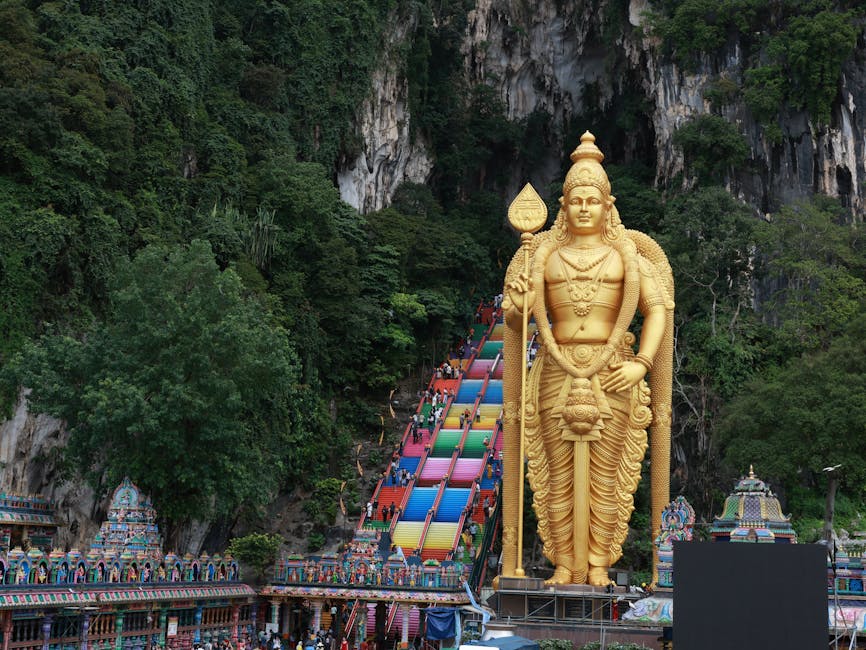
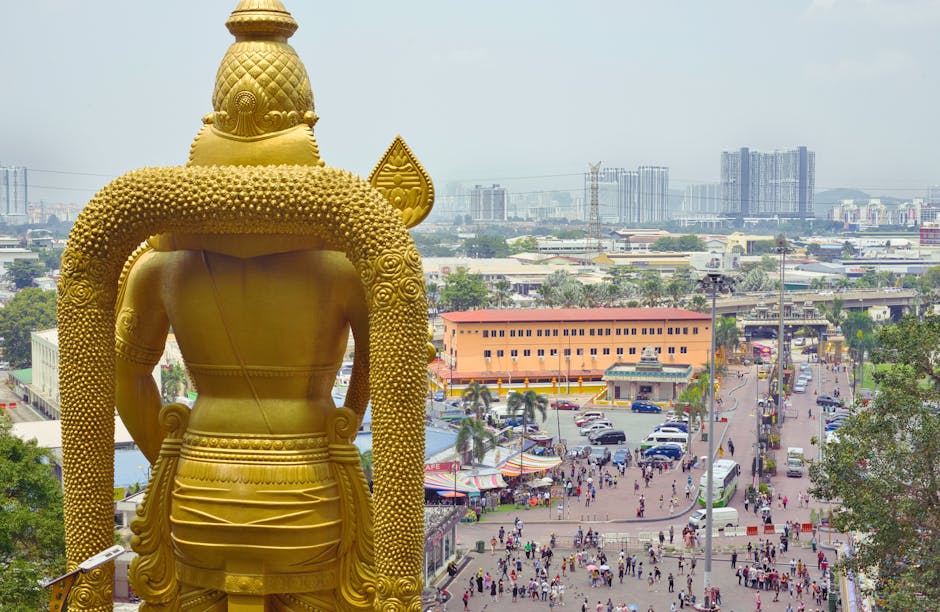
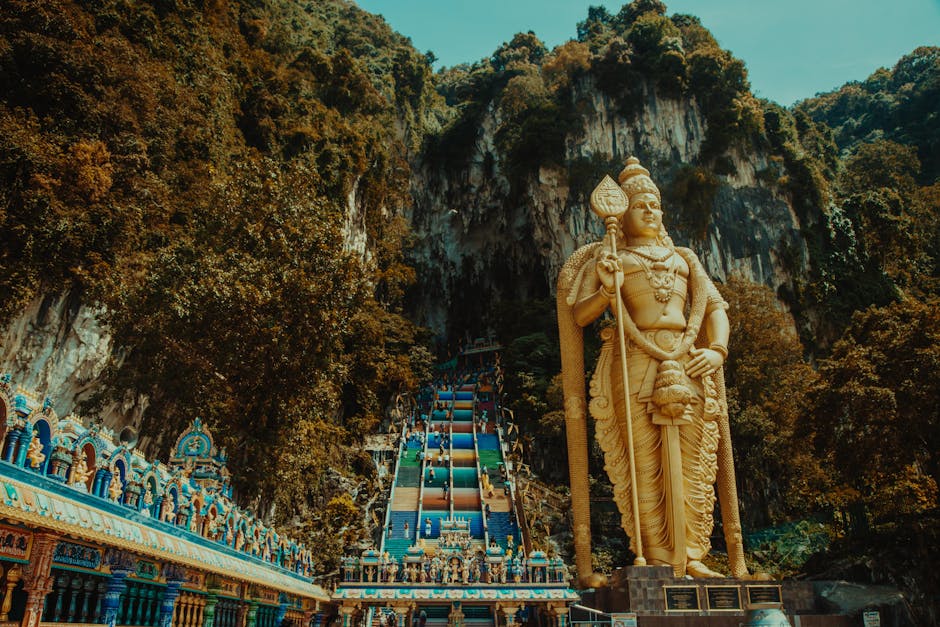
The Batu Caves are one of Kuala Lumpur’s most iconic landmarks, attracting millions of visitors each year. Just 13 kilometers north of the city center, this limestone hill complex features a series of caves and cave temples that blend natural beauty with deep cultural significance. The main attraction is the towering 42.7-meter-high statue of Lord Murugan, visible from the base of the 272 colorful steps leading to the Temple Cave. Whether you’re drawn by spirituality, history, or photography, Batu Caves offers a unique and accessible day trip from Kuala Lumpur.
Why Visit Batu Caves?
Batu Caves isn’t just a tourist spot—it’s a living place of worship and a symbol of Malaysia’s multicultural identity. The site is sacred to Hindus and serves as the focal point of the annual Thaipusam festival, drawing thousands of devotees and onlookers. Beyond its religious importance, the caves offer a chance to explore geological formations, observe local wildlife, and enjoy panoramic views of the surrounding landscape.
Visitors often combine a trip to Batu Caves with other nearby attractions, such as the Selangor State Museum or the vibrant street art in Ipoh. Its proximity to Kuala Lumpur makes it ideal for a half-day outing, and public transport options are reliable and affordable.
Getting There: Transportation Options
By Train
The most convenient way to reach Batu Caves is via the KTM Komuter train line. Take the Batu Caves–Seremban route and disembark at Batu Caves Station. The journey from Kuala Lumpur Sentral takes about 40 minutes and costs less than RM 3. The station is a short walk from the cave entrance, making it ideal for solo travelers and families.
Trains run frequently, but schedules may vary on weekends and public holidays. Check the official KTM website or app for real-time updates. Avoid peak hours if you prefer a quieter ride.
By Car or Ride-Hailing
Driving offers flexibility, especially if you plan to explore beyond the caves. Parking is available near the entrance for about RM 5 per day. Ride-hailing apps like Grab are widely used and cost roughly RM 15–25 from central Kuala Lumpur, depending on traffic.
Note that parking fills up quickly during festivals or weekends. Arrive early to secure a spot and avoid long walks in the heat.
By Tour or Taxi
Many tour operators in Kuala Lumpur include Batu Caves in half-day city tours. These often bundle visits to other landmarks like the National Mosque or Merdeka Square. While more expensive than public transport, guided tours provide context and save time.
Traditional taxis are available but can be costlier than ride-hailing services. Always confirm the fare or ensure the meter is running.
What to Expect at Batu Caves
The 272 Steps
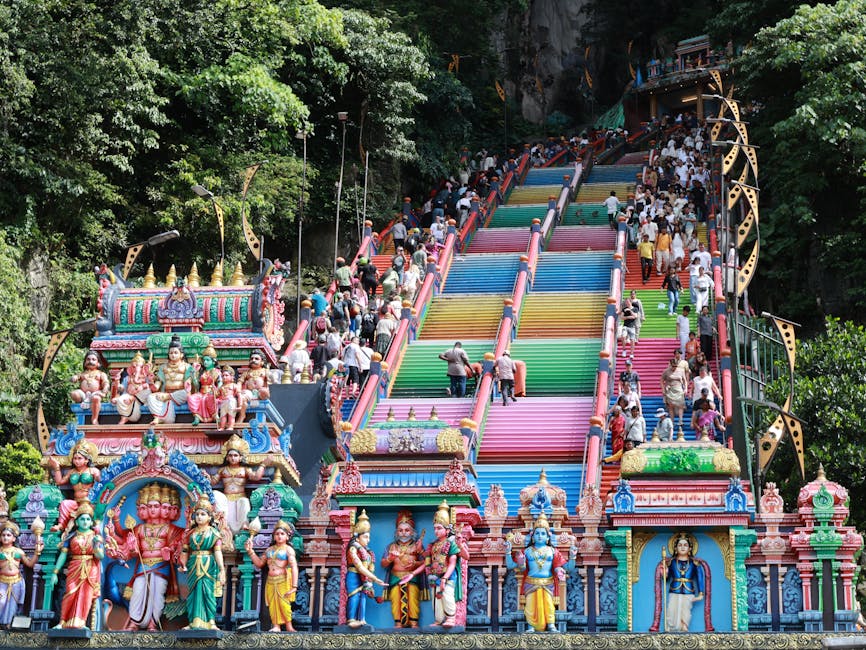
The climb to the Temple Cave is a defining part of the experience. The steps are steep and exposed to the sun, so wear comfortable shoes and bring water. Each stair is painted in bright colors, creating a rainbow effect that’s especially striking in photos.
Take your time—many visitors pause midway to rest or snap pictures. There’s a small platform about halfway up with benches and vendors selling drinks and souvenirs.
Temple Cave (Cathedral Cave)
The main cave houses several Hindu shrines under a natural ceiling. The high vaulted roof gives it a cathedral-like feel, hence the name. Photography is allowed, but be respectful—this is an active place of worship.
Inside, you’ll find statues of deities, incense smoke, and devotees offering prayers. The atmosphere is serene, even amid crowds. Visit early morning or late afternoon for fewer people and softer lighting.
Dark Cave
For a more adventurous experience, explore the Dark Cave, located to the right of the main entrance. This section requires a guided tour due to safety concerns and ecological sensitivity. Tours last about 45 minutes and include explanations of the cave’s geology and bat colonies.
Wear closed-toe shoes and bring a flashlight—tours provide headlamps, but personal gear is helpful. The Dark Cave is not recommended for children under 6 or those with claustrophobia.
Art Gallery Cave and Museum Cave
These smaller caves are less crowded and display murals depicting Hindu epics. The Art Gallery Cave features painted panels and sculptures, while the Museum Cave has informational displays about the site’s history and religious significance.
Both are accessible via the same staircase and open daily. Entry is included with the general admission.
Best Time to Visit
The ideal time to visit Batu Caves is during the cooler, drier months between March and September. Mornings are generally more comfortable, with temperatures lower and fewer crowds. Avoid midday visits between 11 a.m. and 3 p.m., especially from November to February, when humidity peaks.
Thaipusam, usually in January or February, is a spectacular but extremely busy time. If you go during the festival, expect massive crowds, road closures, and heightened security. Plan to arrive very early or consider watching the processions from a distance.
What to Wear and Bring
Dress modestly out of respect for the religious nature of the site. Shoulders and knees should be covered. Lightweight, breathable clothing is best due to the tropical climate.
Essential items include:
- Sunscreen and a hat
- Water bottle (refill stations are limited)
- Insect repellent (especially for the Dark Cave)
- Comfortable walking shoes with grip
- Small towel or handkerchief
Avoid bringing large bags—storage lockers are not available. Keep valuables secure and be mindful of pickpockets in crowded areas.
Safety Tips and Etiquette
Batu Caves is generally safe, but take precautions. The steps can be slippery when wet, and the sun is intense. Stay hydrated and take breaks as needed. Monkeys inhabit the area and are known to snatch food and bags—do not feed them or make sudden movements.
Respect worshippers by keeping noise levels low and avoiding flash photography near shrines. Follow signage and stay on designated paths, especially in the Dark Cave.
If visiting during Thaipusam, be aware that some devotees carry kavadis (ornate frames) and pierce their skin as acts of faith. Do not touch or interfere with these rituals.
Nearby Attractions
After exploring the caves, consider extending your trip with these nearby options:
Kampung Batu Caves
This traditional village offers a glimpse into local life. Walk through narrow lanes, visit small shops, and try Malaysian street food like apam balik or cendol.
Selangor State Museum
Located about 10 minutes away by car, this museum showcases the history and culture of Selangor. It’s a quiet, educational stop suitable for families.
Kanching Rainforest Waterfall
A 20-minute drive from Batu Caves, this seven-tiered waterfall is perfect for nature lovers. Trails are well-marked, and swimming is allowed in designated pools.
Admission and Opening Hours
Entry to the main Temple Cave is free. The Dark Cave requires a paid guided tour, priced at RM 50 for adults and RM 30 for children. Tours run every hour from 9 a.m. to 4 p.m.
The site is open daily from 6 a.m. to 9 p.m. The Dark Cave operates on a first-come, first-served basis, so arrive early to secure a spot.
Compact Comparison: Main Caves at Batu Caves
| Cave Name | Access | Highlights | Best For |
|---|---|---|---|
| Temple Cave (Cathedral Cave) | 272 steps, free entry | Main shrines, high ceiling, Lord Murugan statue | First-time visitors, photography, worship |
| Dark Cave | Guided tour required (RM 50) | Bat colonies, limestone formations, adventure | Nature enthusiasts, small groups |
| Art Gallery Cave | Same staircase, free | Murals, sculptures, Hindu epics | Cultural learning, quiet exploration |
Final Tips for a Great Visit
Start your day early to beat the heat and crowds. Bring cash—many vendors don’t accept cards. Download offline maps or save the location on your phone in case of poor signal.
If you’re short on time, focus on the Temple Cave and the statue. Allow at least two hours for a relaxed visit, or three if including the Dark Cave tour.
Batu Caves is more than a photo op—it’s a place of history, faith, and natural wonder. Approach it with curiosity and respect, and you’ll leave with a deeper appreciation for Malaysia’s rich heritage.
FAQ
Is Batu Caves suitable for children?
Yes, but the 272-step climb can be challenging for young kids. Bring water, take breaks, and supervise closely around monkeys and steep areas.
Can I visit Batu Caves on a Sunday?
Yes, the site is open every day. Sundays can be busy with local families, so arrive early for a quieter experience.
Do I need to book the Dark Cave tour in advance?
No advance booking is required, but tours fill up quickly. Arrive by 9 a.m. to secure a spot, especially on weekends.

