
Barcelona Travel Guide: Top Attractions
Barcelona Travel Guide: Top Attractions
Barcelona blends historic charm with modern energy, making it one of Europe’s most visited cities. From Gaudí’s architectural marvels to sun-kissed beaches and vibrant neighborhoods, the city offers something for every traveler. This guide highlights the top attractions you shouldn’t miss, with practical tips to help you navigate the city efficiently and enjoyably. Whether you’re planning a weekend getaway or a week-long stay, these spots form the core of any great Barcelona itinerary.
Must-See Architectural Wonders
Barcelona’s skyline is dominated by the imaginative works of Antoni Gaudí, whose designs define the city’s visual identity. His buildings are not just tourist attractions—they’re cultural landmarks that reflect Catalonia’s artistic soul. Visiting them requires planning, especially during peak season.
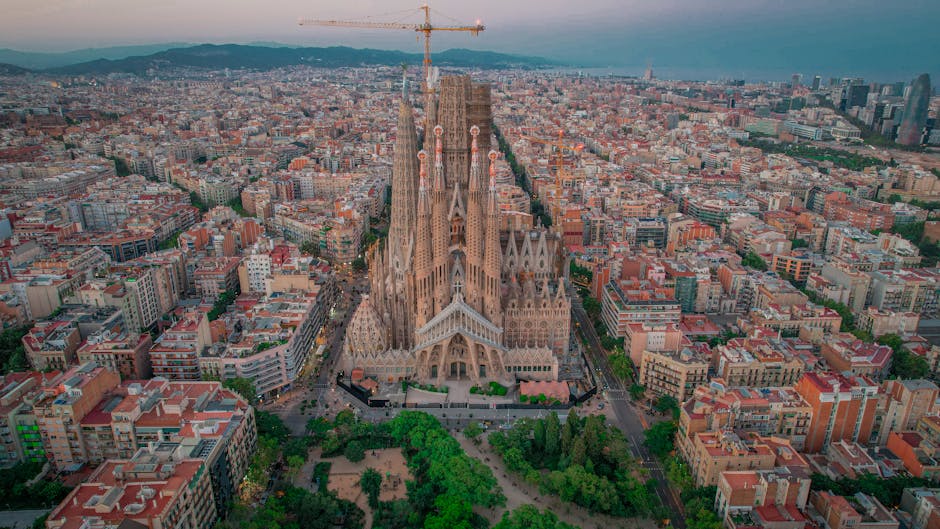
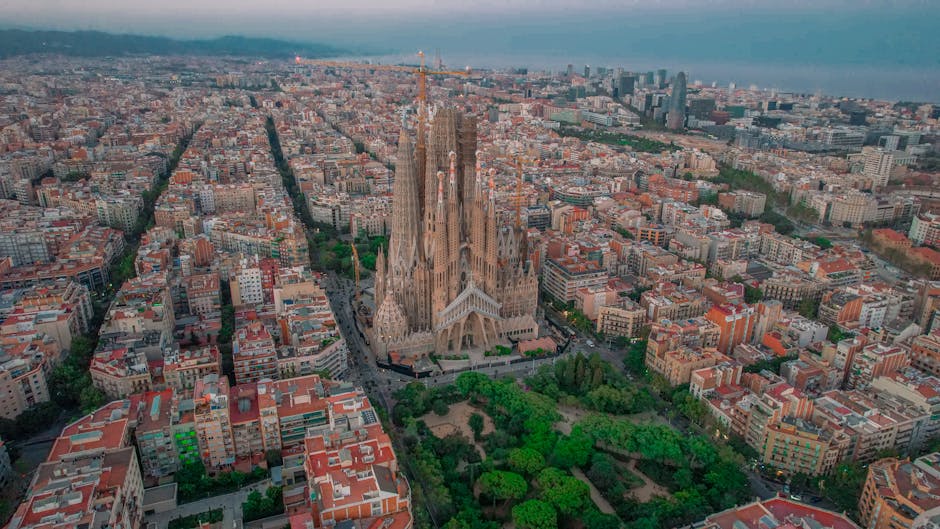
Sagrada Família
The Sagrada Família is Barcelona’s most iconic landmark and Gaudí’s unfinished masterpiece. Construction began in 1882 and is expected to be completed by 2030. The basilica combines Gothic and Art Nouveau forms with intricate facades depicting biblical scenes.
Book tickets online in advance to skip long queues. Opt for a guided tour to understand the symbolism behind the Nativity and Passion facades. The interior, with its tree-like columns and stained glass, is best appreciated in the morning light.
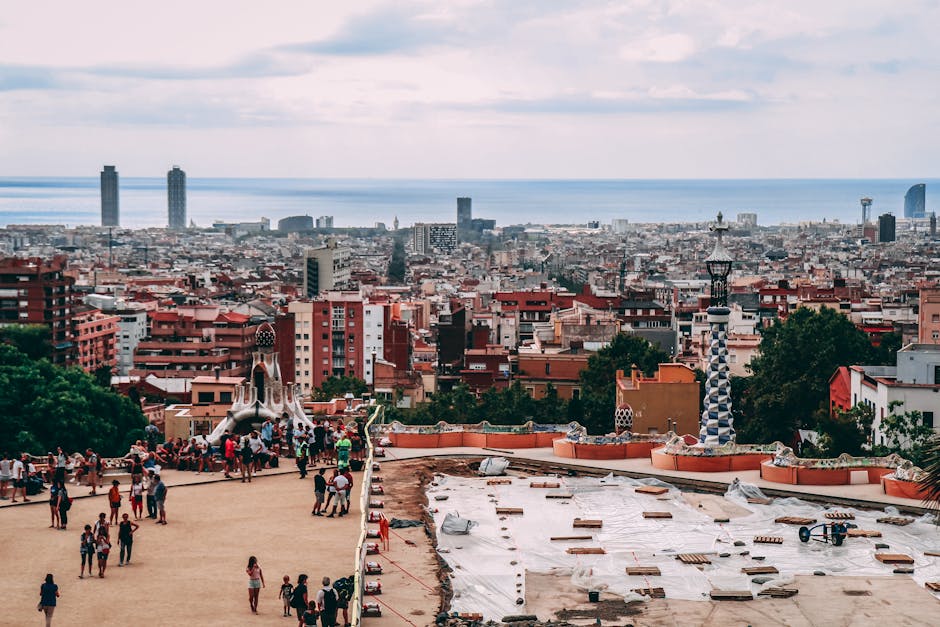
Park Güell
This whimsical public park features colorful mosaics, curved benches, and panoramic views of the city. Originally intended as a housing estate, it was transformed into a municipal garden after the project failed.
The Monumental Zone requires a timed-entry ticket, which sells out weeks ahead. Visit early or late in the day to avoid crowds. Free areas of the park are accessible anytime and still offer great photo opportunities.
Casa Batlló and La Pedrera (Casa Milà)
These two modernist buildings on Passeig de Gràcia showcase Gaudí’s innovative use of light, color, and organic forms. Casa Batlló resembles a underwater scene with its skeletal balconies and iridescent tiles. La Pedrera, known for its undulating stone facade and rooftop chimneys, feels like a sculpture.
Both offer night tours with lighting effects that enhance their surreal qualities. Audio guides are included and highly recommended for context. Consider a combo ticket if visiting both on the same day.
Vibrant Neighborhoods to Explore
Barcelona’s districts each have a distinct personality. Wandering through them reveals local life beyond the tourist trail. Use the metro or walk—many areas are compact and pedestrian-friendly.
Gothic Quarter (Barri Gòtic)
This medieval labyrinth of narrow alleys centers around the Barcelona Cathedral. Roman ruins lie beneath the neighborhood, including a preserved section of the ancient city wall.
Visit Plaça Reial for its palm-lined square and Gaudí-designed lampposts. Avoid eating at restaurants directly on the main plazas—prices are inflated and quality often lags. Instead, duck into side streets for authentic tapas bars.
El Raval
Once considered rough around the edges, El Raval has transformed into a cultural hotspot. Home to the MACBA contemporary art museum and the CCCB cultural center, it attracts artists, students, and creatives.
The area is lively but can feel gritty at night. Stick to well-lit streets and avoid isolated alleys after dark. The Mercat de la Boqueria, though touristy, is worth a quick visit for fresh juices and local snacks.
Gràcia
This bohemian district feels like a village within the city. Tree-lined plazas host neighborhood festivals, and independent boutiques line the streets. It’s quieter than the center but still full of charm.
Plaça del Sol and Plaça de la Virreina are ideal for people-watching with a café con leche. Gràcia is well-connected by metro and makes a great base for travelers wanting local flavor without sacrificing convenience.
Beaches and Waterfront
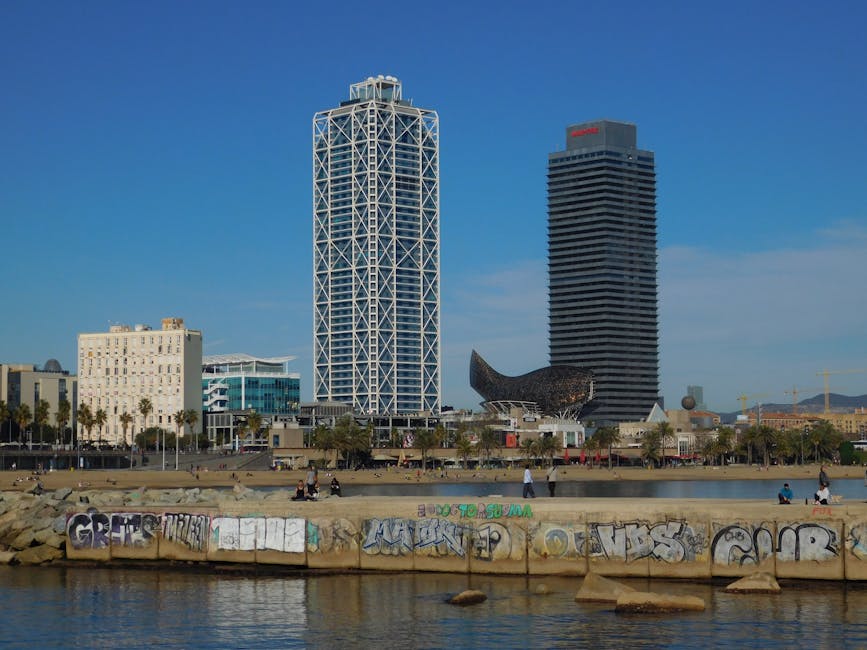
Barcelona’s coastline stretches over 4.5 kilometers, with beaches easily accessible from the city center. They’re perfect for relaxation, water sports, or a sunset stroll.
Barceloneta Beach
The most popular beach, Barceloneta, is lined with seafood restaurants and beach bars. It gets crowded in summer, especially on weekends. Arrive before 10 a.m. to secure a good spot.
Water quality is generally good, but check local advisories during heavy rain. The beach is well-served by public transport—take the metro to Barceloneta station.
Mar Bella and Nova Icària
These quieter beaches are favorites among locals. Mar Bella has a naturist section and a beachfront gym. Nova Icària is family-friendly, with calm waters and playgrounds.
Both are less commercialized than Barceloneta, offering a more relaxed atmosphere. Rent a bike and follow the waterfront promenade to explore multiple beaches in one trip.
Cultural and Historical Sites
Beyond Gaudí, Barcelona boasts Roman ruins, medieval churches, and world-class museums. These sites provide depth to your visit and context for the city’s evolution.
Barcelona Cathedral
Dedicated to Saint Eulalia, this 13th-century Gothic cathedral dominates the Gothic Quarter. Its cloister houses 13 white geese, symbolizing the saint’s age at martyrdom.
Free entry is allowed outside mass times. Climb the rooftop for close-up views of the spires and cityscape. Guided tours include access to the crypt and treasury.
Montjuïc Hill
This green hill offers museums, gardens, and sweeping views. The Magic Fountain light show, held on weekends, draws crowds with its music and water displays.
Visit the Montjuïc Castle for history and vistas. The cable car provides a scenic ride up, but walking trails offer a more immersive experience. The Poble Espanyol open-air museum recreates traditional Spanish architecture.
Palau de la Música Catalana
This concert hall is a masterpiece of Catalan modernism. Designed by Lluís Domènech i Montaner, it features stained glass, mosaics, and a stunning skylight.
Guided tours run daily and are the only way to see the interior. Attend a concert if possible—acoustics are exceptional. Book early, especially for evening performances.
Food and Drink Experiences
Barcelona’s culinary scene blends traditional Catalan flavors with innovative techniques. From market stalls to Michelin-starred restaurants, food is a highlight of any visit.
Tapas and Pinchos
Tapas bars are everywhere, but quality varies. Look for places with a high turnover and local clientele. Try patatas bravas, jamón ibérico, and pan con tomate.
In the Basque-influenced north, pinchos (small snacks on bread) are a must. Pintxos bars in the Old City let you point and pay per item. Avoid tourist traps near major attractions.
Mercat de la Boqueria
This covered market on La Rambla is famous for its colorful produce, seafood, and prepared foods. It’s busiest mid-morning; go early or after 2 p.m. to avoid crowds.
Sample fresh fruit juices, Iberian ham, and empanadas. Eat at the central stalls—they’re regulated for hygiene and quality. Don’t expect a quiet shopping experience; it’s part of the energy.
Vermouth Culture
Vermouth is a local ritual, typically enjoyed before lunch with small snacks. Many bars offer vermouth on tap with olives, anchovies, or potato chips.
Visit Bodega Bieterra or Morro Fi for an authentic experience. Order a vermut and stand at the bar like a local. It’s a social, unhurried way to start the afternoon.
Practical Tips for Travelers
A few smart choices can make your trip smoother and more enjoyable. Barcelona is walkable, but public transport is efficient and affordable.
Getting Around
The metro is fast and covers most tourist areas. Buy a T-Casual card for 10 rides, which works on metro, buses, and trams. Avoid taxis during rush hour—they’re slow and expensive.
Biking is popular, with dedicated lanes along the coast. Use the Bicing system (for residents) or rent from shops like B:SM Bikes. Walking is best for exploring neighborhoods.
Safety and Etiquette
Pickpocketing is common in crowded areas like La Rambla and metro stations. Keep bags zipped and avoid flashing valuables. Be cautious with street performers—some work with pickpockets.
Dress modestly when visiting churches. Shoulders and knees should be covered. Tipping is not mandatory; rounding up or leaving small change is sufficient.
Best Time to Visit
Spring (April–June) and fall (September–October) offer mild weather and fewer crowds. Summer is hot and busy, especially in August when many locals leave the city.
Winter is mild but rainy. Many attractions remain open, and hotel rates drop. Check local festivals—La Mercè in September is a highlight.
Top Attractions Comparison
| Attraction | Best For | Entry Fee | Recommended Visit Time |
|---|---|---|---|
| Sagrada Família | Architecture, History | €26–€38 | 2–3 hours |
| Park Güell | Views, Art, Photos | €10 (Monumental Zone) | 1.5–2 hours |
| Gothic Quarter | History, Atmosphere | Free (most areas) | 2–3 hours |
| Barceloneta Beach | Relaxation, Swimming | Free | 1–2 hours |
| Palau de la Música | Music, Design | €22 (guided tour) | 1 hour |
Final Thoughts
Barcelona rewards curiosity and flexibility. While the top attractions are essential, some of the best moments come from wandering side streets, chatting with locals, or stumbling upon a hidden plaza. Plan your must-sees, but leave room for spontaneity. With its mix of art, history, food, and sea, Barcelona offers a rich and memorable travel experience.
FAQ
Q: Is Barcelona safe for tourists?
A: Generally yes, but pickpocketing is common in crowded areas. Stay alert on public transport and in tourist hotspots like La Rambla.
Q: Do I need to speak Catalan or Spanish?
A: No. Most people in tourist areas speak English. Learning a few basic phrases in Spanish or Catalan is appreciated but not required.
Q: How many days do I need in Barcelona?
A: Three to four days allow you to see the main attractions and explore a few neighborhoods. Add more time if you want to visit nearby destinations like Montserrat or Sitges.
