
Barcelona Food Guide: Where to Eat, What to Try, and How to Dine Like a Local
Barcelona Food Guide: Where to Eat, What to Try, and How to Dine Like a Local
Barcelona is a city where food isn’t just fuel—it’s culture, history, and celebration on a plate. From bustling tapas bars in El Born to fresh seafood at the Boqueria Market, the city offers a culinary experience that blends Catalan tradition with modern innovation. Whether you’re a first-time visitor or a seasoned traveler, this Barcelona food guide will help you navigate the best eats, avoid tourist traps, and savor every bite like someone who belongs.
You’ll find everything from humble vermouth bars to Michelin-starred tasting menus, all within walking distance. The key is knowing where to go, what to order, and when to go. This guide breaks down the essentials: must-try dishes, top neighborhoods for dining, budget-friendly spots, and insider tips to make your meals memorable—not overpriced.
What to Eat in Barcelona: Signature Dishes You Can’t Miss
Barcelona’s cuisine is rooted in Catalan traditions, with influences from the Mediterranean coast and inland farms. Start with pa amb tomàquet—grilled bread rubbed with ripe tomato, garlic, olive oil, and salt. It’s simple, iconic, and often served as a starter in nearly every restaurant.
Next, try escalivada, a smoky roasted vegetable dish made with eggplant, red peppers, onions, and sometimes potatoes. It’s typically served cold or at room temperature, making it perfect for a light lunch or tapas pairing.
Seafood Specialties
As a coastal city, Barcelona excels in seafood. Order suquet de peix, a fisherman’s stew packed with fish, potatoes, and a rich, garlicky broth. It’s rustic, deeply flavorful, and best enjoyed in waterfront restaurants near Barceloneta.
For something lighter, go for grilled sardines or anchovies from L’Escala, often served with a slice of lemon and a cold beer. These are staples at beachside chiringuitos (beach bars) during summer.
Meat and Hearty Dishes
Catalan cuisine isn’t all seafood and vegetables. Fuet, a thin, air-cured sausage from the Pyrenees, is a popular tapas item—mild, peppery, and often paired with a glass of cava.
For a heartier meal, try botifarra amb mongetes: grilled Catalan sausage served with white beans. It’s a winter favorite but available year-round in traditional taverns.
Sweet Treats and Pastries
End your meal with crema catalana</**, the region's answer to crème brûlée. It features a caramelized sugar top and a custard base flavored with lemon zest and cinnamon.
For a morning treat, stop by a local pastelería for xuixo, a deep-fried pastry dusted with sugar and filled with creamy custard. It’s best eaten fresh and warm.
Where to Eat in Barcelona: Neighborhoods and Top Restaurants
Barcelona’s dining scene is as diverse as its neighborhoods. Each area has its own flavor, price range, and specialty. Here’s where to go for the best food experiences.
El Born: Trendy Eats and Historic Charm
El Born blends medieval streets with modern gastronomy. It’s ideal for foodies who want quality over quantity. Look for small plates at Casa Delfín, a cozy spot serving updated Catalan classics.
For a more casual vibe, Bar del Pla offers excellent croquetas, patatas bravas, and vermouth on tap. Arrive early—tables fill up fast.
Barceloneta: Seafood and Beachside Bites
This fishing village turned tourist hotspot is all about fresh seafood. Avoid the overpriced restaurants right on the beach. Instead, walk a few blocks inland to Can Majó, a local favorite for grilled fish and rice dishes.
La Cova Fumada is another hidden gem—cash-only, no reservations, and famous for its smoky grilled meats and seafood. It’s been around since 1943 and still feels authentically local.
Gràcia: Local Flavors and Community Vibes
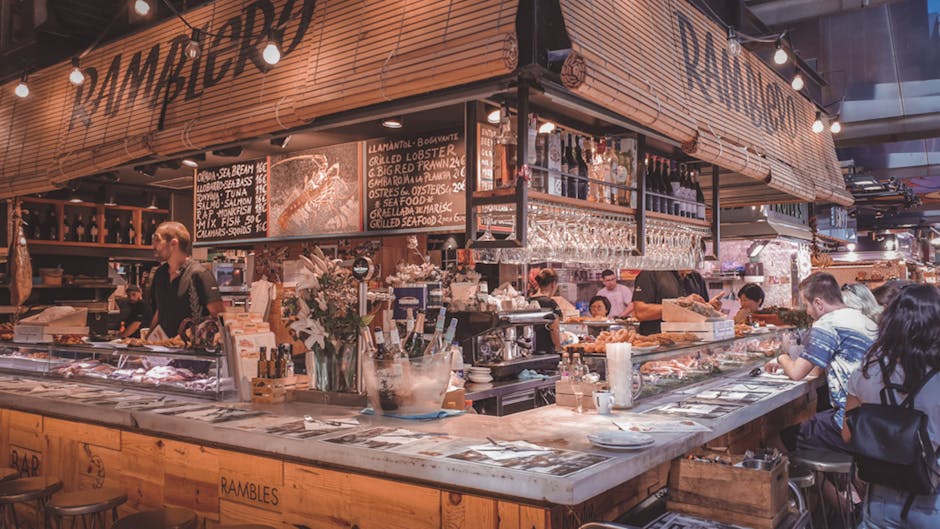
Gràcia feels like a village within the city. It’s less touristy, with family-run bodegas and quiet plazas. Try La Pepita for creative tapas with a modern twist—think foie gras cannoli or truffle-infused patatas bravas.
For a true local experience, visit Bar Celta for pintxos (Basque-style tapas) and a glass of txakoli, a slightly fizzy white wine from the north.
Raval: International and Experimental
The Raval is where cultures collide—and so do cuisines. You’ll find everything from Vietnamese pho to Senegalese stews. Bar Cañete stands out for its upscale tapas and knowledgeable staff who can guide you through the menu.
For something different, try Almalibre Asequibario, a juice bar and café serving alkaline, plant-based meals. It’s popular with health-conscious locals and travelers.
How to Order Like a Local: Tapas, Vermouth, and Dining Etiquette
Dining in Barcelona isn’t just about what you eat—it’s about how and when you eat it. Understanding local customs will enhance your experience and help you blend in.
The Art of the Tapas Crawl
Barcelonans don’t eat one big meal. Instead, they graze. Start with a drink and a small plate, then move to the next bar. This is called a tapeo.
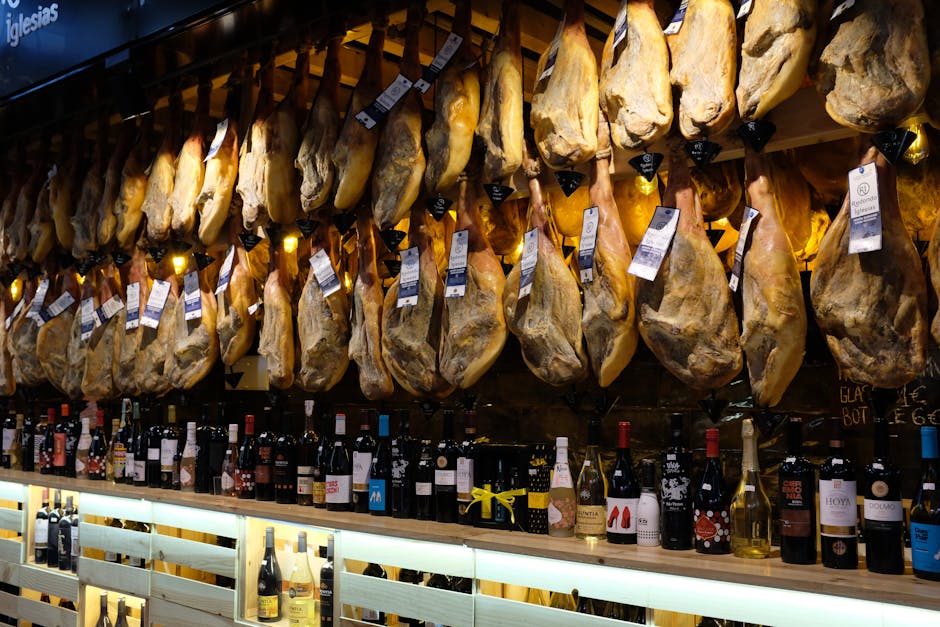
Order 2–3 tapas per person to share. Popular choices include croquetas, jamón ibérico</**, gambas al ajillo, and pan con tomate. Pair with a glass of wine, cava, or vermouth.
Vermouth Culture
Vermouth isn’t just a pre-dinner drink—it’s a ritual. Locals often enjoy it at 11 a.m. or 6 p.m. with a small snack. Look for vermuterías (vermouth bars) with taps behind the counter.
Order it con hielo y limón (with ice and lemon) or en caliente (heated, a winter tradition). Common pairings include olives, anchovies, or a simple potato omelet.
Dining Times and Tipping
Meals happen late. Lunch is typically 2–4 p.m., and dinner starts around 8:30 p.m., often stretching past 10. Many restaurants don’t open for dinner before 8.
Tipping is not expected but appreciated. Rounding up the bill or leaving 5–10% for good service is common. Say “la cuenta, por favor” to ask for the check.
Budget-Friendly Eats: Great Food Without the High Price Tag
You don’t need to splurge to eat well in Barcelona. Many of the city’s best meals cost under €15. Here’s how to eat affordably without sacrificing quality.
Menú del Día: The Daily Lunch Deal
Most restaurants offer a menú del día (menu of the day) from Monday to Friday. For €10–15, you get a starter, main course, dessert, and drink. It’s often better value than ordering à la carte.
Look for smaller places with handwritten menus—these are usually more authentic and less tourist-focused.
Mercados: Eat Where the Locals Shop
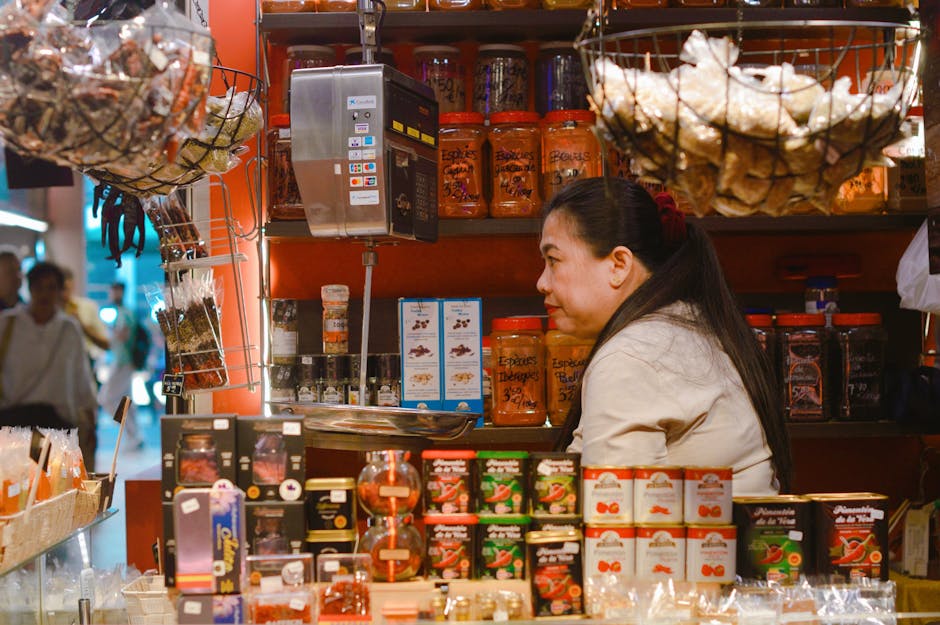
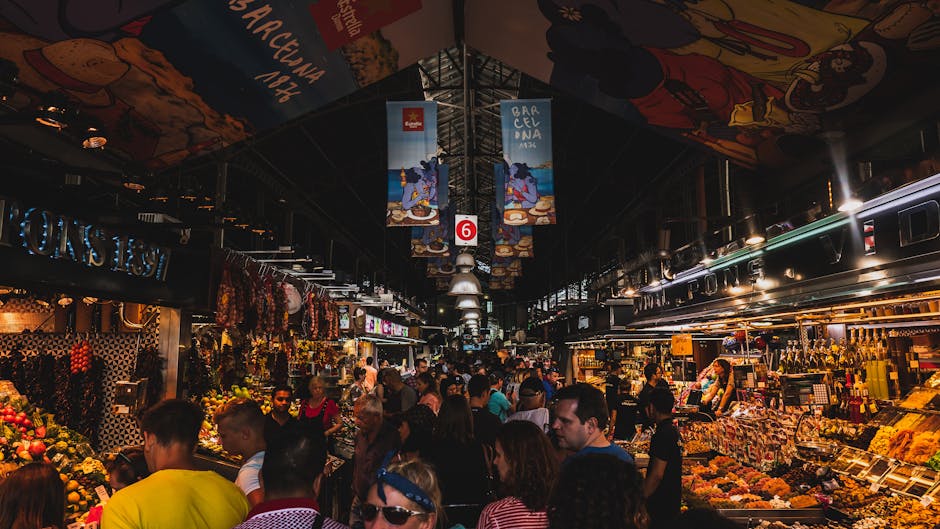
Visit a market like La Boquería or Mercat de Sant Antoni for fresh produce, cured meats, and ready-to-eat snacks. Many stalls have small bars serving bocadillos (sandwiches) and coffee.
At La Boquería, try El Quim de la Boqueria for their famous tortilla and baby squid. Go before 11 a.m. to avoid crowds.
Picnics and Park Dining
Buy bread, cheese, olives, and fruit from a market, then head to Parc de la Ciutadella or Montjuïc for a picnic. It’s cheap, scenic, and lets you eat at your own pace.
Pack a bottle of cava for a festive touch—just drink responsibly and clean up after yourself.
Drinks to Try: Wine, Cava, and Non-Alcoholic Options
Barcelona’s drink culture is as rich as its food. Whether you’re sipping wine in a bodega or enjoying a cold beer by the beach, here’s what to order.
Cava: Spain’s Sparkling Wine
Cava is Catalonia’s answer to champagne—affordable, bubbly, and perfect for celebrations. Look for bottles labeled Reserva or Gran Reserva for higher quality.
Pair it with seafood, fried foods, or just enjoy it on its own. Many bars offer cava by the glass during happy hour.
Wine from Penedès
The Penedès region, just outside Barcelona, produces excellent reds, whites, and rosés. Try a Priorat for bold, full-bodied reds or a white Penedès for crisp, citrusy notes.
Wine is cheap in Spain—many restaurants sell house wine for under €3 a glass.
Non-Alcoholic Choices
If you’re skipping alcohol, order zumo de naranja natural (fresh orange juice) or horchata, a sweet drink made from tiger nuts. Both are widely available and refreshing.
Many cafés also serve café con leche (espresso with steamed milk) and carajillo, coffee with a shot of liquor—usually brandy or rum.
Food Tours and Cooking Classes: Learn by Doing
Want to go beyond eating? Join a food tour or take a cooking class to deepen your understanding of Catalan cuisine.
Guided Food Tours
Tours like Devour Barcelona or Eating Europe take you to hidden gems, markets, and family-run shops. You’ll taste 8–10 dishes, learn about history, and get insider tips.
Most tours last 3–4 hours and cost €60–80. Book in advance, especially in peak season.
Cooking Classes
Learn to make paella, tapas, or crema catalana at a hands-on class. Barcelona Cooking and Sanctuary of Taste offer small-group sessions in English.
Classes usually include a market visit, cooking lesson, and lunch. Expect to pay €80–120 per person.
What to Avoid: Tourist Traps and Common Mistakes
Barcelona is full of overpriced, low-quality restaurants targeting visitors. Here’s how to avoid them.
Restaurants with Menus in 10 Languages
If a restaurant has photos of every dish and staff standing outside inviting you in, it’s likely a trap. These places often serve frozen food at inflated prices.
Instead, look for places filled with locals, with no English menu, or where the menu changes daily.
Paella at Lunchtime
Real paella is a Valencian dish, not Catalan. While you’ll find it in Barcelona, it’s often overcooked and under-seasoned in tourist areas.
If you must try it, go to a dedicated paella restaurant in the evening, not at a beachfront bar at noon.
Eating Too Early
Showing up at 7 p.m. for dinner? Most places won’t have mains ready. Arrive after 8:30 p.m. for the best selection and freshest food.
Breakfast is also later—locals often eat at 9 or 10 a.m., not 7.
Comparison Table: Top Barcelona Food Experiences
| Experience | Best For | Average Cost | Insider Tip |
|---|---|---|---|
| Tapas crawl in El Born | Foodies, couples, small groups | €25–40 per person | Start with vermouth at 6 p.m. to avoid dinner rush |
| Menú del día at a local tavern | Budget travelers, solo diners | €10–15 per person | Ask for the “plato del día” for the freshest option |
| Seafood lunch in Barceloneta | Families, seafood lovers | €30–50 per person | Walk past the beachfront—go inland for better value |
| Cooking class with market tour | Groups, cultural learners | €80–120 per person | Book a morning class to eat your creations for lunch |
Final Tips for Your Barcelona Food Adventure
Eating well in Barcelona is about balance: tradition and innovation, simplicity and indulgence, local spots and hidden corners. Come hungry, stay curious, and don’t be afraid to point at what others are eating—it’s the best way to discover new favorites.
Remember to hydrate, especially in summer. Tap water is safe to drink, and many restaurants offer it for free if you ask for “agua del grifo.”
Finally, slow down. Meals are meant to be enjoyed, not rushed. Sit at a sidewalk table, watch the world go by, and savor the flavors of one of Europe’s most delicious cities.
FAQ
What’s the best time to visit La Boquería Market?
Go before 11 a.m. on weekdays. It’s less crowded, and vendors have the freshest stock. Avoid weekends if you want a relaxed experience.
Do I need to speak Spanish or Catalan to order food?
No. Most restaurant staff speak basic English, especially in tourist areas. Learning a few phrases like “una cerveza, por favor” (a beer, please) is appreciated.
Is it safe to eat street food in Barcelona?
Yes, as long as the stall looks clean and busy. Popular options include bocadillos, churros, and empanadas. Avoid anything left out in the sun for hours.
