
Bangkok Street Food Travel Guide
Bangkok Street Food Travel Guide
Bangkok’s street food scene is one of the world’s most vibrant, offering bold flavors, affordable prices, and authentic Thai cuisine on nearly every corner. Whether you’re sampling spicy papaya salad from a sidewalk cart or sipping sweet Thai tea at a night market, the city delivers an unforgettable culinary adventure. This guide covers must-try dishes, top neighborhoods for food, safety tips, and practical advice to help you navigate Bangkok’s bustling street food landscape with confidence.
Why Bangkok Street Food Is a Must-Experience
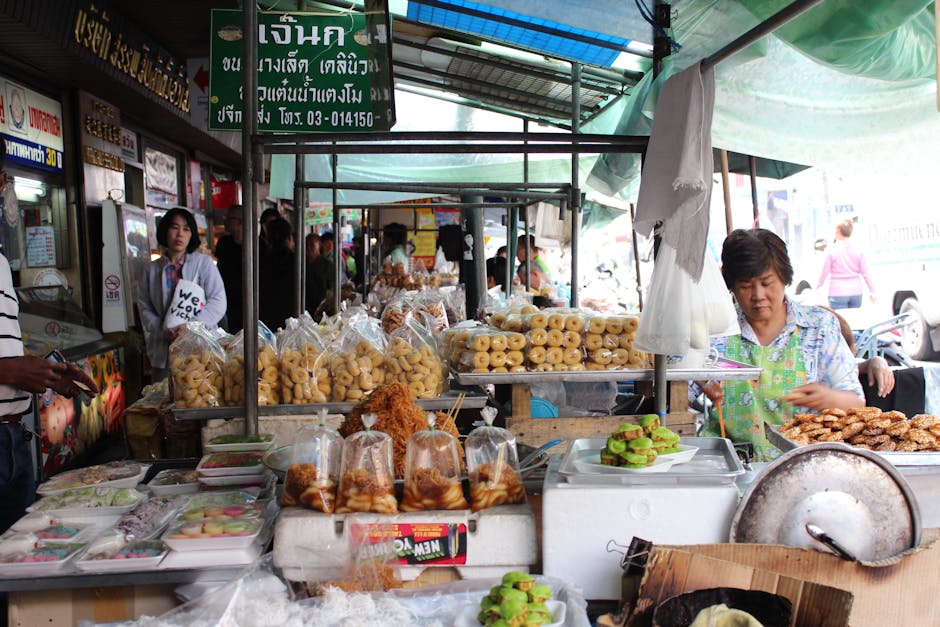
Street food is deeply woven into Bangkok’s culture and daily life. Locals rely on it for quick, delicious meals, and visitors quickly discover why it’s celebrated globally. From early morning noodle stalls to late-night grill stands, the variety is staggering.
What sets Bangkok apart is the consistency of quality and the sheer accessibility. Most dishes cost between 30 to 80 baht (under $2.50), making it possible to eat well on a tight budget. The city’s open-air kitchens are often cleaner than they appear, with high turnover ensuring fresh ingredients.
Top Neighborhoods for Street Food in Bangkok
Not all areas are created equal when it comes to street food. Some districts specialize in specific cuisines or offer more concentrated options. Knowing where to go saves time and improves your experience.
Chatuchak Weekend Market
Open only on weekends, Chatuchak is a massive open-air market with hundreds of food vendors. It’s ideal for trying regional Thai specialties like khao soi (curry noodle soup) and mango sticky rice. Arrive early to avoid the midday heat and crowds.
Yaowarat (Chinatown)
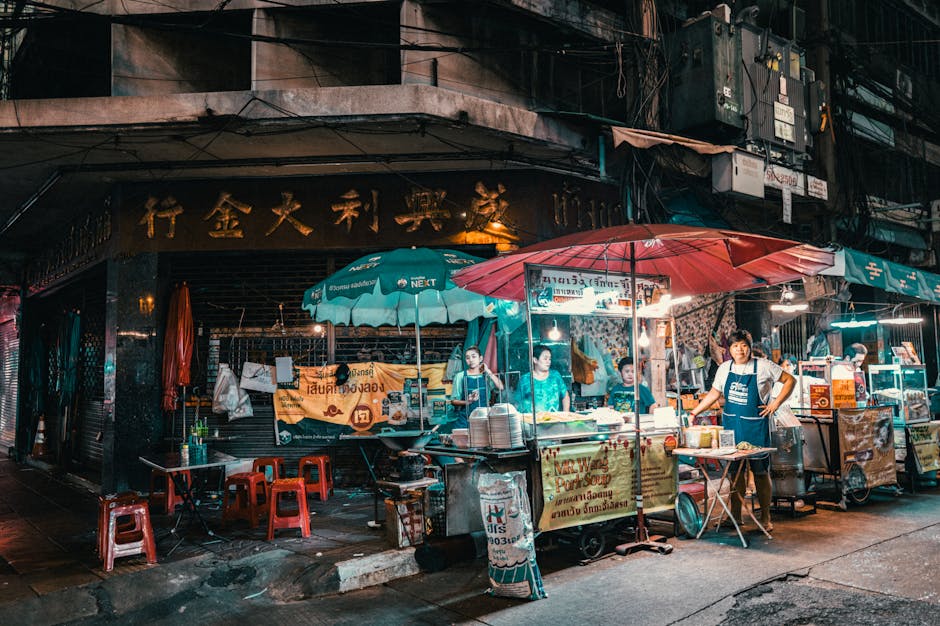
Yaowarat comes alive after sunset. This neon-lit district is famous for seafood, crispy pork belly, and bird’s nest soup. The energy is electric, and the food is consistently excellent. Try Jek Pui, a humble stall known for its affordable curries and stir-fries.
Khao San Road
A backpacker hub, Khao San Road offers a mix of Thai and international street food. While some stalls cater to tourists with milder flavors, you can still find authentic options like som tam (green papaya salad) and pad Thai. Be cautious of overpriced menus targeting foreigners.
Ratchada Train Night Market
This modern night market blends street food with shopping and live music. It’s cleaner and more organized than older markets, making it a good choice for first-time visitors. Look for grilled squid, coconut ice cream, and Thai-style fried chicken.
Must-Try Dishes on Your Bangkok Street Food Tour
Thai street food spans sweet, sour, spicy, and savory profiles. These dishes represent the best of what Bangkok has to offer and are widely available across the city.
Pad Thai
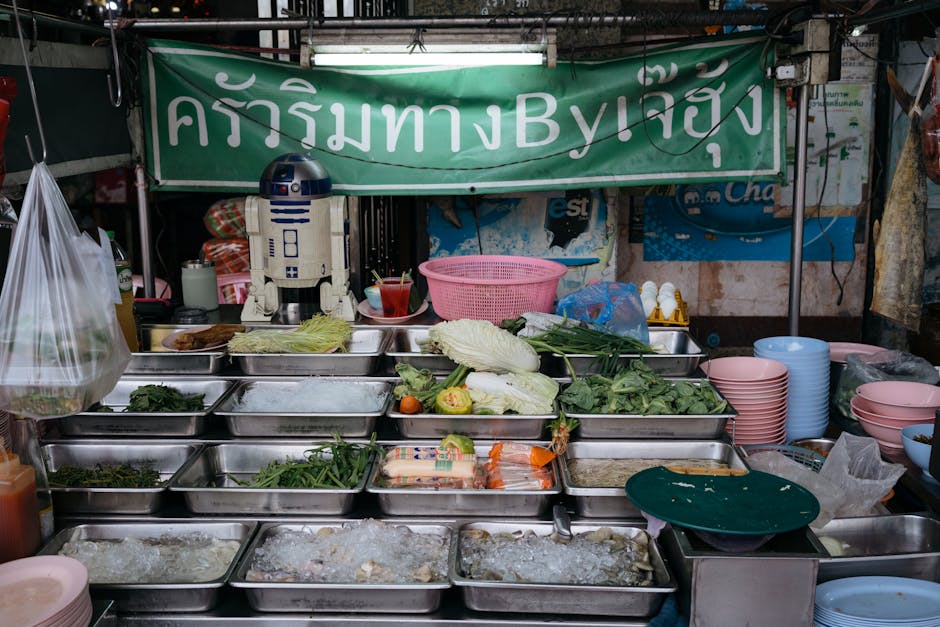
This iconic stir-fried noodle dish combines rice noodles, eggs, tofu or shrimp, and a tangy tamarind sauce. Topped with crushed peanuts and lime, it’s a balanced introduction to Thai flavors. Look for stalls that cook to order—freshness matters.
Som Tam (Green Papaya Salad)
Originating from northeastern Thailand, som tam is a fiery mix of shredded green papaya, tomatoes, green beans, peanuts, and chili. The dressing blends fish sauce, lime juice, and palm sugar. Ask for “mai pet” (not spicy) if you’re sensitive to heat.
Mango Sticky Rice
A beloved dessert, this dish features ripe mango slices served with glutinous rice soaked in sweet coconut milk. It’s refreshing and satisfying, especially during hot afternoons. Available year-round, but best in mango season (March to June).
Grilled Skewers (Moo Ping and Satay)
Moo ping—grilled pork skewers marinated in coconut milk and garlic—are a street food staple. Chicken satay with peanut sauce is another favorite. Both are cooked over charcoal, giving them a smoky depth.
Tom Yum Goong
This hot and sour soup combines shrimp, lemongrass, galangal, kaffir lime leaves, and chili. It’s aromatic and complex, often served in small portions. Some versions are creamy (tom yum nam khok), while others are clear (tom yum nam sai).
Khao Niew Mamuang (Mango Sticky Rice)
Already mentioned, but worth repeating—this dessert is a highlight. Many vendors use premium Nam Dok Mai mangoes, which are sweeter and less fibrous than common varieties.
How to Eat Street Food Safely in Bangkok
Safety concerns are common among first-time visitors, but with a few precautions, street food in Bangkok is generally safe to eat. The key is observation and common sense.
Choose Busy Stalls
High customer turnover means ingredients are used quickly, reducing the risk of spoilage. A long line is often a sign of quality and freshness. Avoid stalls that look stagnant or have pre-cooked food sitting out for hours.
Watch Food Being Cooked
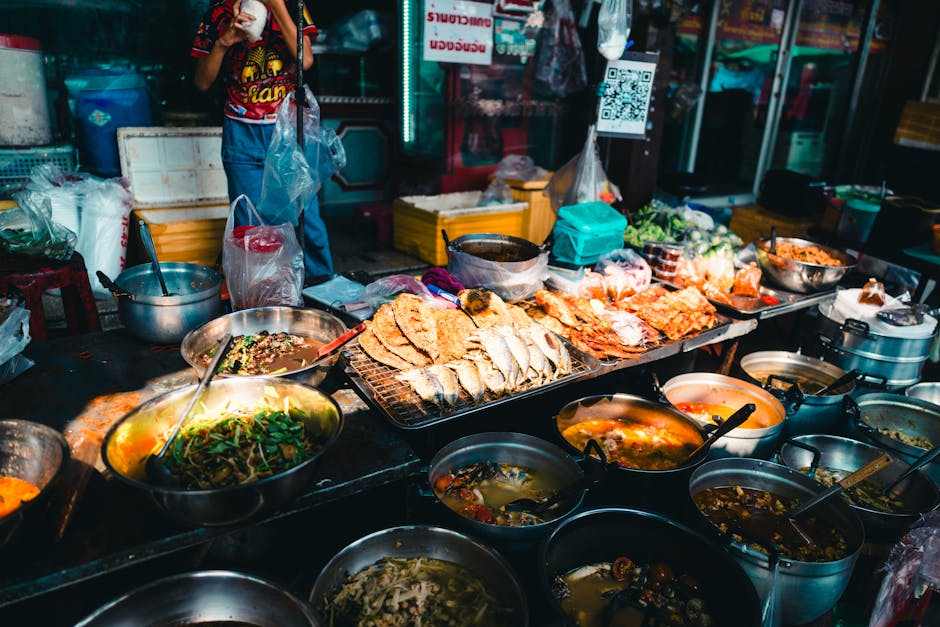
Opt for vendors who cook food to order. Stir-fries, grilled items, and noodle soups should be prepared fresh in front of you. Steaming or boiling also helps kill bacteria.
Drink Bottled Water
Avoid tap water and ice of unknown origin. Most reputable vendors use commercially made ice, but when in doubt, skip it. Bottled water is cheap and widely available.
Be Mindful of Raw Ingredients
Dishes with raw vegetables or undercooked meat carry higher risk. Stick to fully cooked items, especially if you have a sensitive stomach. Salads like som tam are usually safe if made fresh.
Practical Tips for Navigating Bangkok’s Street Food Scene
A little preparation goes a long way in maximizing your experience and avoiding common pitfalls.
Go During Off-Peak Hours
Early morning (7–9 AM) and late afternoon (4–6 PM) are ideal times to visit markets. You’ll avoid the worst heat and crowds while still catching active vendors.
Carry Small Bills
Most street vendors don’t accept cards or large denominations. Keep a stack of 20, 50, and 100 baht notes for easy transactions. Avoid flashing large amounts of cash.
Learn Basic Thai Phrases
Simple phrases like “sawasdee” (hello), “khob khun” (thank you), and “mai pet” (not spicy) go a long way. Pointing at menu items also works well in most cases.
Use Grab or Bolt for Market Trips
Bangkok’s traffic can be intense. Ride-hailing apps like Grab or Bolt are affordable and help you reach markets without navigating public transport with full hands.
Street Food Etiquette in Bangkok
Respecting local customs enhances your experience and shows appreciation for Thai culture.
Don’t Tip Excessively
Tips aren’t expected, but small change (5–10 baht) is appreciated. Avoid over-tipping, as it can disrupt local pricing norms.
Use Chopsticks or Fork and Spoon
Most Thais eat with a fork and spoon. The fork pushes food onto the spoon, which is then brought to the mouth. Chopsticks are used for noodle dishes. Spoons are essential—knives are rarely used.
Dispose of Trash Properly
Many stalls don’t have trash bins. Carry a small bag for wrappers and dispose of them at nearby convenience stores or public bins.
Comparing Popular Bangkok Street Food Markets
| Market Name | Best For | Operating Hours | Location | Tips |
|---|---|---|---|---|
| Chatuchak Weekend Market | Regional Thai dishes, snacks, and desserts | Sat–Sun, 9 AM–6 PM | Chatuchak District | Arrive early; wear comfortable shoes |
| Yaowarat (Chinatown) | Seafood, dim sum, late-night eats | Daily, 6 PM–2 AM | Samphanthawong District | Best after dark; try Jek Pui for curry |
| Khao San Road | Backpacker-friendly Thai and fusion food | Daily, 10 AM–2 AM | Phra Nakhon District | Beware of inflated prices; compare stalls |
| Ratchada Train Night Market | Modern setup, live music, Instagrammable food | Daily, 5 PM–1 AM | Ratchadaphisek Road | Cleaner environment; good for groups |
Final Thoughts on Exploring Bangkok Street Food
Bangkok’s street food is more than just sustenance—it’s a cultural experience. The aromas, sounds, and tastes create a sensory journey that defines the city. With thousands of vendors serving everything from humble rice dishes to elaborate seafood feasts, there’s always something new to discover.
Approach it with curiosity and caution. Start with popular dishes, stick to busy stalls, and embrace the chaos. Over time, you’ll develop a sense of what and where to eat. The reward is authentic Thai flavors at unbeatable prices.
Whether you’re a first-time visitor or returning for another taste, Bangkok’s street food scene continues to evolve while staying true to its roots. Come hungry, stay open-minded, and let your palate lead the way.
FAQ
Is Bangkok street food safe for tourists?
Yes, as long as you choose busy stalls with high turnover and watch food being cooked. Avoid raw or undercooked items if you have a sensitive stomach.
What’s the best time to visit street food markets?
Early morning or late afternoon is ideal. Night markets like Yaowarat are best after 6 PM when vendors are fully set up.
How much should I budget for street food per day?
A budget of 300–500 baht ($8–14 USD) per day is sufficient for multiple meals and snacks, depending on your appetite and choices.

