
Amsterdam Food Guide: Where to Eat, What to Try, and Local Favorites
Amsterdam Food Guide: Where to Eat, What to Try, and Local Favorites
Amsterdam’s food scene blends Dutch tradition with global influences, offering everything from humble street snacks to Michelin-starred dining. Whether you’re strolling along the canals or exploring a neighborhood market, this Amsterdam food guide helps you navigate the city’s best eats—without the tourist traps. You’ll find honest recommendations for iconic dishes, hidden gems, and practical tips to eat well on any budget.
What Makes Amsterdam’s Food Scene Unique?
Amsterdam isn’t known for a single national cuisine like France or Italy, but its culinary identity is shaped by history, immigration, and a strong local ethos. The city has long been a port and trading hub, bringing flavors from Indonesia, Suriname, Turkey, and the Middle East into everyday meals.
At the same time, Dutch staples like cheese, herring, and stamppot remain deeply rooted in local culture. The result is a diverse, accessible food landscape where tradition and innovation coexist.
A City of Markets and Bites
Markets are central to Amsterdam’s food culture. They’re where locals shop, eat, and socialize. The Albert Cuyp Market in De Pijp is the most famous, with over 250 stalls selling everything from fresh stroopwafels to Surinamese roti wraps.
For a more local vibe, try the Dappermarkt in East Amsterdam or the Westerstraat Market in the Jordaan. Both offer authentic eats at fair prices and fewer crowds.
Global Flavors, Local Twist
Indonesian rijsttafel, a colonial-era feast of small dishes, is a must-try. Restaurants like Sampurna and Blauw serve refined versions, but you’ll also find simpler, flavorful nasi goreng at casual spots.
Surinamese food—spicy, aromatic, and often vegetarian-friendly—is another standout. Try Pomtula for their iconic pom (a baked casserole with chicken and root vegetables) or grab a broodje pom (pom sandwich) at a lunch counter.
Must-Try Dutch Foods in Amsterdam
To truly experience Amsterdam, you need to taste its classics. These dishes are simple, satisfying, and deeply embedded in daily life.
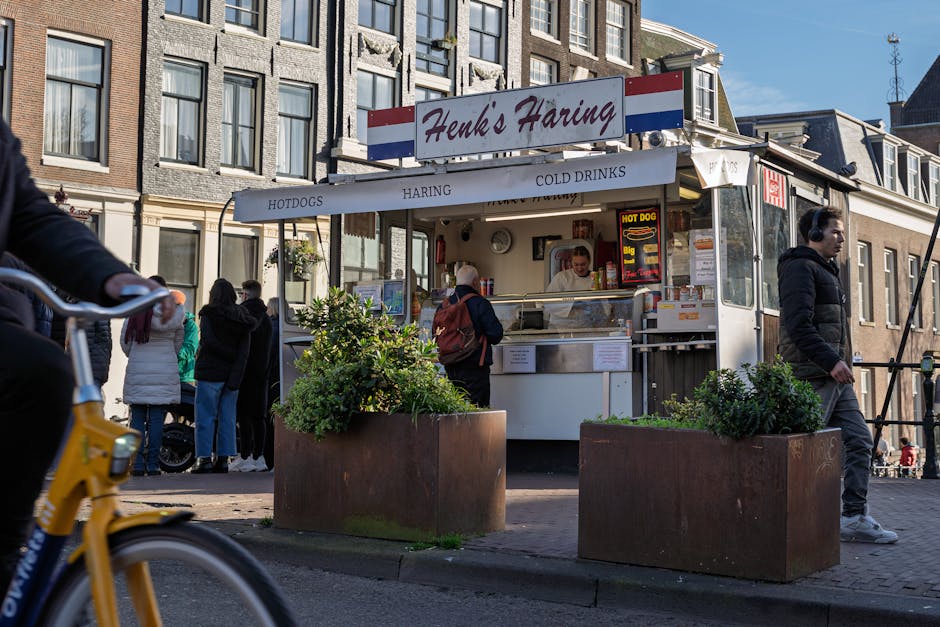
Herring (Haring)
Raw herring, typically eaten by holding it over your mouth and letting it slide in, is a Dutch institution. Look for stands marked “Haringhandel” — the best serve it with chopped onions and pickles.
Try Haring stand Jan van der Veen near Central Station for a fresh, no-frills experience. Go between April and October for the best season.
Stroopwafel
These thin waffle cookies with caramel syrup are best eaten warm. While you’ll see them sold in souvenir shops, the real deal comes from street vendors or bakeries.
At the Albert Cuyp Market, Stroopwafel Amsterdam makes them fresh on-site. Place one over a hot coffee cup to soften the syrup before biting in.
Stamppot
A humble dish of mashed potatoes mixed with vegetables like kale (boerenkool) or sauerkraut, often served with smoked sausage. It’s comfort food at its finest.
For a modern take, visit Moeders, a cozy restaurant with over 20 stamppot variations. Their “Moeders Special” includes three types with different meats.
Bitterballen
Deep-fried balls of ragout, usually beef or veal, with a crispy coating. Served with mustard, they’re a staple at bars and cafés.
Pair them with a local beer at Café Papeneiland in the Jordaan, a 17th-century brown café with wooden interiors and a relaxed vibe.
Where to Eat in Amsterdam: Neighborhood Breakdown
Amsterdam’s dining options vary by district. Knowing where to go saves time and improves your experience.
De Pijp: The Foodie Hub
This vibrant neighborhood is home to the Albert Cuyp Market and a cluster of independent restaurants. It’s ideal for casual eats, international flavors, and people-watching.
Try Bazar for Middle Eastern small plates in a colorful setting, or Pllek for sustainable, plant-forward meals in a converted shipping container by the water.
Jordaan: Historic Charm, Cozy Cafés
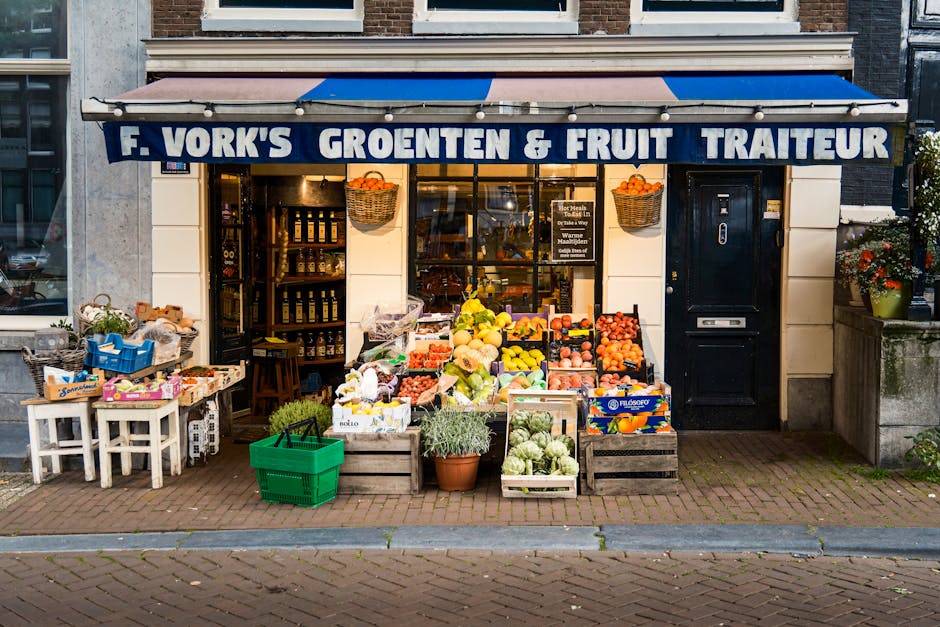
The narrow streets of the Jordaan are lined with brown cafés, wine bars, and artisanal shops. It’s perfect for a relaxed lunch or evening drink.
Stop by Winkel 43 for their famous apple pie, or De Bakkerswinkel for fresh bread and open-faced sandwiches (broodjes).
Oud-West: Trendy and Diverse
Just west of the canal ring, this area blends hip cafés with immigrant-owned eateries. It’s a great spot for brunch, vegan food, and global street food.
Visit Vegan Junk Food Bar for colorful, Instagram-worthy burgers, or Kopspijkers for Indonesian takeaway at unbeatable prices.
Centrum: Tourist-Friendly, But Choose Wisely
The city center has plenty of restaurants, but many cater to tourists with inflated prices and mediocre food. Avoid places with menus in multiple languages and staff outside inviting passersby.
Instead, seek out De Silveren Spiegel for refined Dutch cuisine in a historic setting, or Fouquet for classic French bistro fare with canal views.
Amsterdam’s Best Breakfast and Brunch Spots
Breakfast in Amsterdam is often simple—yogurt, bread, cheese, and coffee—but brunch has evolved into a weekend ritual.
Casual Mornings
For a quick, authentic start, visit a local bakery (bakkerij). Bakkerij Meijer in Oud-West offers fresh croissants, broodjes, and koffie verkeerd (Dutch-style latte).
Many cafés serve open-faced sandwiches with toppings like smoked salmon, goat cheese, or jam. Look for “ontbijt” (breakfast) on the menu.
Weekend Brunch Favorites
Brunch in Amsterdam is competitive—book ahead or arrive early. The Avocado Show started here and remains popular for creative, Instagram-friendly dishes.
For something more substantial, Pluk Amsterdam in the Nine Streets area serves excellent eggs Benedict, smoothie bowls, and fresh juices in a bright, airy space.
Vegan and Vegetarian Options
Amsterdam is one of Europe’s most vegan-friendly cities. Many cafés offer plant-based milk, egg substitutes, and dedicated menus.
De Bolhoed in De Pijp is a fully vegetarian café with organic, seasonal dishes. Their vegan pancakes and quiches are crowd-pleasers.
Dinner in Amsterdam: From Casual to Fine Dining
Dinner options range from quick bites to multi-course experiences. Knowing what to expect helps you choose the right place.
Casual Eats Under €20
You don’t need to splurge to eat well. Febo is a retro automat where you buy tokens and pick food from heated compartments—try the krokets or frikandellen.
For something more substantial, Bak in Oud-Zuid offers wood-fired pizzas and small plates in a minimalist setting. Their sourdough crust is house-made.
Mid-Range Restaurants (€20–€40)
This is where Amsterdam shines. Restaurant Jansz in the Pulitzer Hotel serves modern European cuisine with Dutch ingredients. Their seasonal menu changes frequently.
De Plantage near Artis Zoo offers garden-to-table dining in a greenhouse setting. The menu emphasizes local produce and sustainability.
Fine Dining and Michelin Stars
Amsterdam has several Michelin-starred restaurants, but you don’t need a reservation months in advance for all. Restaurant Vermeer (1 star) offers a refined tasting menu with wine pairings.
Ron Blaauw (2 stars) combines French techniques with Dutch products. Book early—tables fill quickly.
Street Food and Markets: Eat Like a Local
Street food in Amsterdam is safe, tasty, and affordable. Markets are the best places to sample a variety of dishes in one visit.
Top Market Foods to Try
| Food | Where to Find It | Price Range | Why It’s Worth It |
|---|---|---|---|
| Kibbeling | Albert Cuyp Market, Friteshuis Vleminck | €5–€8 | Crispy battered fish bites, often cod, served with garlic sauce. |
| Falafel | Falafel King (De Pijp), Zoma | €4–€7 | Freshly fried, stuffed in pita with tahini and pickles. |
| Oliebollen | Winter stalls, New Year’s markets | €2–€4 | Deep-fried dough balls with raisins, best in December. |
| Broodje kroket | Febo, local snack bars | €3–€5 | A croquette in a soft roll—simple, satisfying, iconic. |
Visit the Bijenkorf Food Hall on the top floor of the department store for a curated selection of gourmet vendors. It’s air-conditioned, clean, and great for groups with different tastes.
Drinks and Coffee Culture
Amsterdam’s drink scene is as varied as its food. From craft beer to specialty coffee, there’s something for every palate.
Coffee Shops vs. Cafés
Note: “Coffee shops” in Amsterdam refer to places where cannabis is sold—this is not where you go for espresso. For coffee, look for “café” or “koffiebar.”
Sweet Cup in De Pijp and Lot Sixty One in Oud-West are local favorites for expertly brewed coffee. Both roast their own beans and offer pour-overs and cold brews.
Beer and Bars
Amsterdam has a strong beer culture. Try local brews like Grolsch, Heineken, or Amstel, but also explore craft options.
Brouwerij ‘t IJ in the east offers tastings and tours. Their Natte IPA and Struis stout are popular. Many bars, like Arendsvogel, have extensive beer lists with 50+ options.
Wine and Cocktails
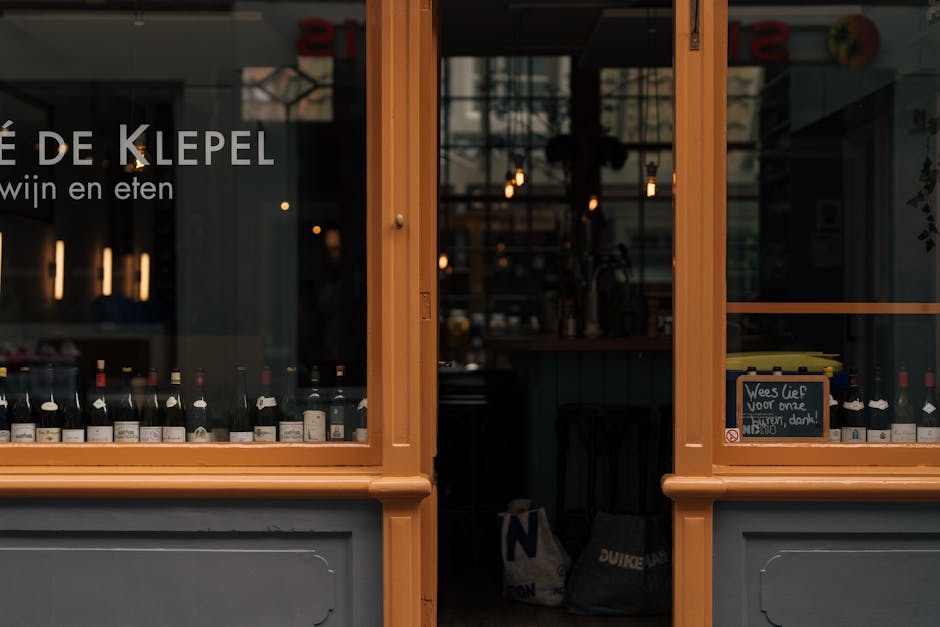
Wine bars are growing in popularity. Wijnkoper in the Jordaan offers natural wines by the glass and small plates. Door 74 is a speakeasy-style cocktail bar with creative mixes and a moody atmosphere.
Budget Tips: Eating Well Without Overspending
Amsterdam can be expensive, but smart choices help you save. Here’s how to eat well on a budget.
Eat Like a Local
Tourist areas charge premiums. Walk a few blocks away from major attractions to find better prices and more authentic food.
Try lunch specials (dagmenu) at mid-range restaurants—they’re often half the price of dinner menus.
Markets Over Restaurants
Markets offer high-quality food at lower prices. A full meal at Albert Cuyp costs €8–€12, compared to €20+ at a sit-down restaurant.
Share dishes with a friend to sample more without overeating.
BYOB and Tap Water
Many restaurants allow you to bring your own wine, often with a small corkage fee. This can save significantly on drink costs.
Tap water is free and safe—don’t feel pressured to order bottled water.
Food Tours and Experiences
If you want guidance, food tours are a great way to explore. They’re especially helpful for first-time visitors.
Guided Tours
Eating Europe offers a 3.5-hour tour of the Jordaan and Central Station area, covering Dutch snacks, cheese, and international eats. Groups are small, and guides share cultural insights.
Amsterdam Foodie Tours focuses on De Pijp and includes stops for herring, stroopwafels, and Surinamese food. Vegetarian options available.
Cooking Classes
Learn to make Dutch dishes at De Bakkerswinkel Cooking School. Classes include stamppot, bitterballen, and apple pie.
For international flavors, Indonesian Cooking Class Amsterdam teaches you to prepare nasi goreng and satay from scratch.
Dietary Restrictions and Allergies
Amsterdam is accommodating, but communication is key. Most restaurants understand common dietary needs.
Vegetarian and Vegan
Look for “vega” or “vegan” labels. Many menus mark plant-based options. Apps like HappyCow help locate vegan-friendly spots.
Indonesian and Surinamese cuisines often include vegetarian dishes—just ask for “zonder vlees” (without meat).
Gluten-Free
Gluten-free bread, pasta, and snacks are widely available. Glutenvrij Amsterdam is a dedicated gluten-free bakery with locations in De Pijp and Oud-West.
Always inform staff of allergies. Cross-contamination can be an issue in busy kitchens.
Seasonal Eating in Amsterdam
What you eat depends on the time of year. Seasonal specialties make visits more memorable.
Spring and Summer
Fresh asparagus, strawberries, and cherries appear in markets. Outdoor terraces and picnic spots like Vondelpark become popular.
Try aspergeschotel (asparagus casserole) in spring or enjoy a picnic with cheese, bread, and fruit from a local market.
Autumn and Winter
Hearty dishes like stamppot and erwtensoep (pea soup) dominate menus. Oliebollen appear in December, especially around New Year’s.
Visit Christmas markets for mulled wine (glühwein) and warm stroopwafels. The Winter in Amsterdam market at Museumplein is a festive highlight.
Final Tips for Eating in Amsterdam
Keep these practical tips in mind for a smoother experience.
- Reservations matter: Popular spots fill up, especially on weekends. Book online or call ahead.
- Tipping is optional: Service charge is usually included. Round up or leave 5–10% for good service.
- Bring cash: Some small vendors and markets don’t accept cards.
- Learn a few Dutch phrases: “Mag ik de kaart, alstublieft?” (Can I have the menu, please?) goes a long way.
- Stay hydrated: Carry a water bottle—tap water is safe and free.
FAQ
What’s the best time to visit Amsterdam for food?
Late spring (May–June) and early autumn (September) offer mild weather, fewer crowds, and peak seasonal produce. Summer is busy but great for outdoor dining.
Is Amsterdam expensive for food?
Yes, but you can eat well on a budget. Markets, lunch specials, and casual eateries keep costs down. Avoid tourist-heavy areas for better value.
Can I find vegetarian food easily in Amsterdam?
Absolutely. Amsterdam is one of Europe’s most vegetarian-friendly cities, with dedicated restaurants, marked menus, and plant-based options at most cafés.
