

Airport Safety Tips Travelers Must Know
Airport Safety Tips Travelers Must Know
Traveling through an airport can be stressful, but knowing key airport safety tips helps you move through the process smoothly and securely. From arriving early to understanding security protocols and protecting your belongings, these practical strategies reduce risk and improve your overall experience. Whether you’re a frequent flyer or taking your first trip, being prepared is the best defense against common hazards. This guide covers essential precautions—before, during, and after your flight—so you can focus on your destination, not the stress of getting there.
Why Airport Safety Matters
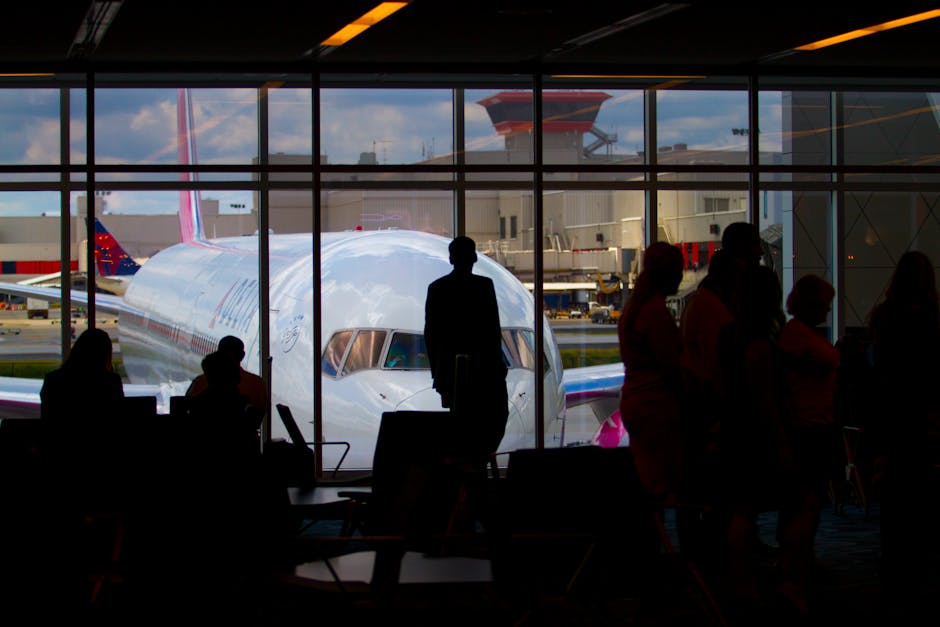
Airports are high-traffic environments with complex security procedures, large crowds, and time-sensitive processes. A single oversight—like arriving too late or packing prohibited items—can lead to missed flights, fines, or even denied boarding. More importantly, personal safety and the security of your belongings are at constant risk in busy terminals. Understanding and applying proven safety practices not only protects you but also supports the efficiency of airport operations for everyone.
According to the Transportation Security Administration (TSA), over 2.5 million passengers pass through U.S. airports daily. With that volume comes increased opportunities for theft, confusion, and procedural errors. Being informed and proactive significantly reduces your exposure to these risks.
Before You Leave: Pre-Travel Safety Checklist
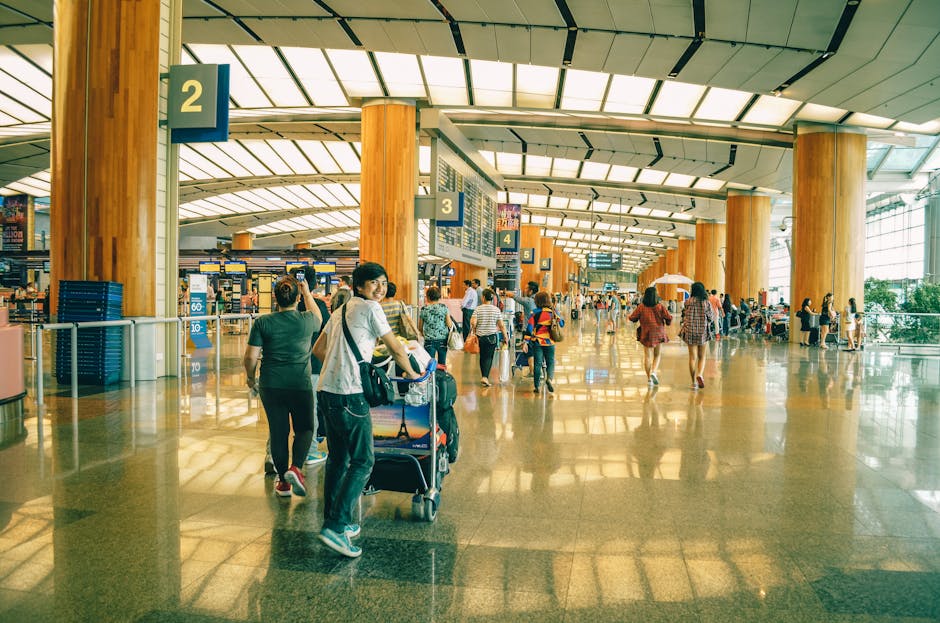
Preparation begins long before you reach the airport. A few smart steps at home can prevent major headaches later.
- Check your documents: Ensure your ID, boarding pass, and visa (if required) are valid and accessible. Use a secure travel wallet or digital app to keep them organized.
- Verify flight status: Confirm your flight time and gate information the night before and again a few hours before departure. Delays and gate changes are common.
- Pack wisely: Review TSA guidelines for liquids, electronics, and carry-on items. Use clear, resealable bags for toiletries and keep sharp objects in checked luggage.
- Secure your home: Set timers for lights, pause mail delivery, and inform a trusted neighbor of your travel plans to deter break-ins.
- Charge devices:
Digital Safety Precautions
Your digital footprint is just as important as your physical one. Public Wi-Fi networks in airports are convenient but often unsecured, making them prime targets for hackers.
- Use a reputable virtual private network (VPN) to encrypt your internet traffic.
- Avoid accessing sensitive accounts—like banking or email—on public networks.
- Enable two-factor authentication (2FA) on all important accounts before traveling.
- Keep software and apps updated to protect against known vulnerabilities.
At the Airport: Navigating Security and Crowds
Once you arrive, staying alert and following procedures helps you move through the terminal efficiently and safely.

Arrive Early—But Not Too Early
Arriving 2 hours before domestic flights and 3 hours before international flights is standard advice. However, arriving excessively early (more than 4 hours) can expose you to unnecessary risks, such as prolonged exposure to crowded areas or unattended bags.
Use real-time airport apps or websites to monitor security wait times. Some major airports, like Atlanta’s Hartsfield-Jackson or Chicago O’Hare, offer live TSA checkpoint updates. If lines are short, you may not need to arrive as early as the general rule suggests.
Understand TSA Security Procedures
The TSA enforces strict rules to ensure passenger safety. Knowing what to expect reduces delays and stress.
- Liquids rule: All liquids, gels, and aerosols in carry-ons must be 3.4 ounces (100ml) or less and fit in a single quart-sized, clear plastic bag.
- Electronics: Laptops and large tablets must be removed from bags and placed in a bin for X-ray screening.
- Metal items: Remove belts, keys, and large jewelry before entering the scanner. Place them in a bin with your shoes and jacket if required.
- Prohibited items: Avoid packing weapons, flammable materials, or sharp objects in carry-ons. Examples include pocket knives, lighters with fuel, and self-defense sprays.
If you’re unsure whether an item is allowed, use the TSA’s “Can I Bring?” tool online or app before packing.
Stay Aware of Your Surroundings
Airports are busy, but that doesn’t mean you should zone out. Situational awareness is a critical component of personal safety.
- Keep your carry-on close at all times—never leave it unattended, even for a moment.
- Avoid displaying expensive items like jewelry, cameras, or laptops in public areas.
- Be cautious of strangers who approach you with urgent requests, such as asking for help with a “lost ticket” or “emergency luggage.” These may be distraction tactics.
- Use well-lit, populated areas when waiting, especially during late-night or early-morning flights.
Protecting Your Belongings from Theft
Bag theft is a common issue in airports. Thieves often target distracted travelers or unattended luggage in boarding areas, restrooms, or food courts.
Use Anti-Theft Luggage Features
Invest in luggage with built-in security features:
- Slash-resistant straps and zippers
- Lockable compartments
- RFID-blocking pockets for credit cards and passports
- GPS tracking devices (e.g., Apple AirTag or Tile)
Even with secure bags, always keep your carry-on within arm’s reach. If you must step away, ask a trusted fellow traveler to watch it—or better yet, use airport luggage storage services if available.
Label Your Luggage Properly
Use durable luggage tags with your name, phone number, and email. Avoid listing your home address. For checked bags, remove old tags from previous trips to prevent confusion or misrouting.
Consider using brightly colored luggage or unique identifiers (like a patterned scarf tied to the handle) to make your bag easier to spot on the carousel.
During the Flight: In-Air Safety Tips
Your safety doesn’t end once you board. In-flight precautions are just as important.
- Listen to the safety briefing: Even if you’ve heard it dozens of times, pay attention. Procedures can vary by aircraft.
- Know your nearest exit: Count the rows to the nearest emergency exit so you can locate it in low visibility.
- Keep your seatbelt fastened: When the seatbelt sign is off, keep it loosely fastened in case of unexpected turbulence.
- Store items securely: Stow laptops and heavy items in overhead bins or under the seat in front of you—not in the aisle.
- Report suspicious behavior: If you notice anything unusual—like unattended bags or aggressive behavior—inform a flight attendant immediately.
After Landing: Staying Safe at Your Destination
Your journey isn’t over when the plane touches down. The arrival process presents its own set of risks.
Collect Your Baggage Promptly
Wait near the baggage claim area and monitor the carousel closely. Thieves often operate in these zones, snatching bags when owners look away. If your bag doesn’t appear within 30 minutes, report it to the airline immediately.
Use Official Transportation
Avoid unmarked taxis or ride services. Use airport-approved shuttles, licensed taxis, or rideshare pickup zones. Confirm the driver’s identity and destination before entering the vehicle.
Stay Connected
Let someone know you’ve landed safely. Share your arrival time and transportation details with a friend or family member. If you’re traveling alone, consider checking in via text or a travel safety app.
Special Considerations for Families and Seniors
Traveling with children or older adults requires extra planning.
- For families: Use child harnesses or wrist straps in crowded areas. Teach kids to identify airport staff or security if they get separated. Bring snacks, activities, and extra clothes in your carry-on.
- For seniors: Request wheelchair assistance if needed. Many airports offer priority screening for passengers with medical conditions. Keep medications in original containers and carry a doctor’s note if necessary.
What to Do in an Emergency
Despite best efforts, emergencies can happen. Knowing how to respond can make a critical difference.
- Medical emergency: Notify airport staff or flight attendants immediately. Most airports have medical personnel on-site.
- Lost child or person: Contact airport security or customer service. Provide a recent photo and description.
- Suspicious package: Do not touch it. Move away and alert authorities. Follow evacuation instructions if given.
- Security breach or threat: Stay calm, follow staff directions, and avoid spreading panic. Use emergency call boxes located throughout terminals.
Airport Safety Tips Comparison: Domestic vs. International Travel
While many safety principles apply universally, international travel introduces additional layers of complexity.
| Aspect | Domestic Travel | International Travel |
|---|---|---|
| ID Requirements | Government-issued photo ID (e.g., driver’s license) | Valid passport; visa may be required |
| Security Screening | Standard TSA procedures | Additional customs and immigration checks |
| Liquid Restrictions | 3.4 oz per container, 1 quart bag | Same, but stricter enforcement in some countries |
| Prohibited Items | Weapons, flammables, large liquids | May include food, plants, or cultural artifacts |
| Arrival Time | 2 hours before departure | 3 hours before departure |
Final Takeaways: Staying Safe from Curb to Gate
Airport safety isn’t about fear—it’s about preparedness. By following these airport safety tips, you reduce stress, avoid common pitfalls, and protect yourself and your belongings. Start with early preparation, stay alert during transit, and remain vigilant even after landing. Whether you’re flying across the country or around the world, a safe journey begins with informed decisions.
FAQ
What should I do if I forget my ID at home?
If you forget your ID, TSA may still allow you to fly after additional screening. Arrive early and be prepared to answer security questions. For international flights, a missing passport will likely result in denied boarding—always double-check before leaving home.
Can I bring medication in my carry-on?
Yes, prescription and over-the-counter medications are allowed in carry-ons. Liquid medications over 3.4 ounces are permitted but must be declared at security. Keep them in original containers and carry a doctor’s note if possible.
Is it safe to use airport Wi-Fi?
Airport Wi-Fi is convenient but often unsecured. Avoid accessing sensitive accounts. Use a VPN for encryption, and consider using your phone’s mobile hotspot instead for better security.

