
Best Things to Do in Athens Travel Guide
Athens blends ancient history with modern energy, offering travelers a rich mix of archaeological wonders, vibrant neighborhoods, and authentic Greek culture. Whether you’re exploring the Acropolis at sunrise or savoring street food in Monastiraki, the city rewards curiosity and slow exploration. This guide covers the best things to do in Athens—from iconic landmarks to local favorites—so you can plan a trip that balances must-see sights with genuine Athenian experiences.
Explore the Acropolis and Its Surroundings
The Acropolis stands as the heart of Athens, both geographically and historically. Perched on a limestone outcrop, this ancient citadel dominates the skyline and offers panoramic views of the city below.
Visit the Parthenon
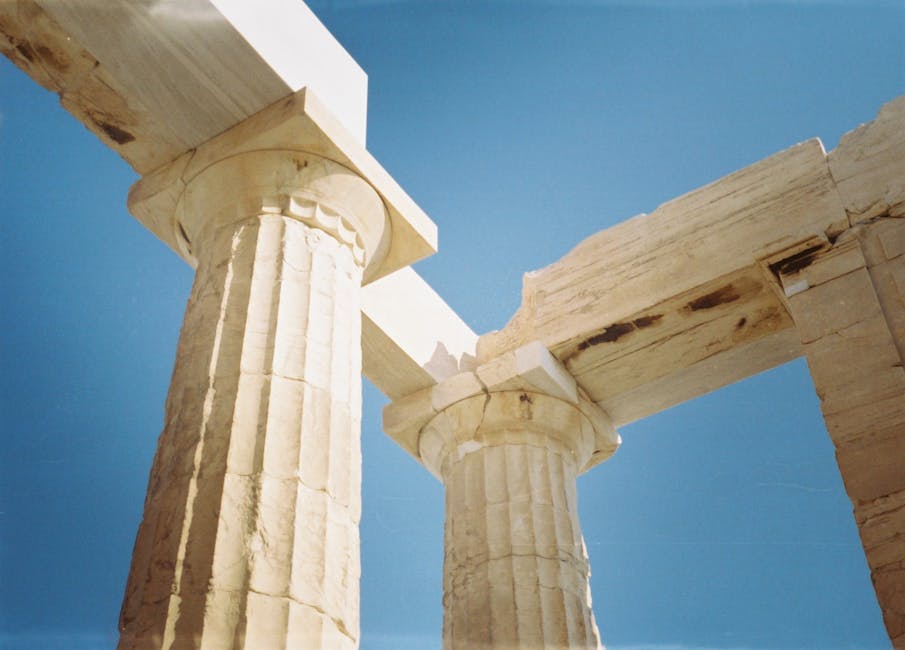
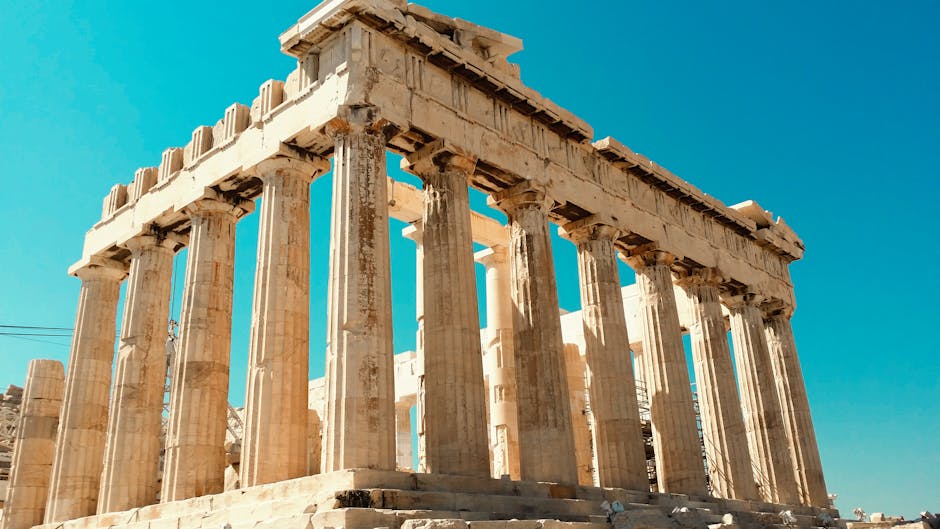
The Parthenon, built in the 5th century BCE, remains the star attraction. Dedicated to the goddess Athena, this Doric temple showcases classical Greek architecture at its finest. Arrive early—ideally at opening time (8:00 AM)—to avoid crowds and the midday heat.
Walk the Acropolis Circuit
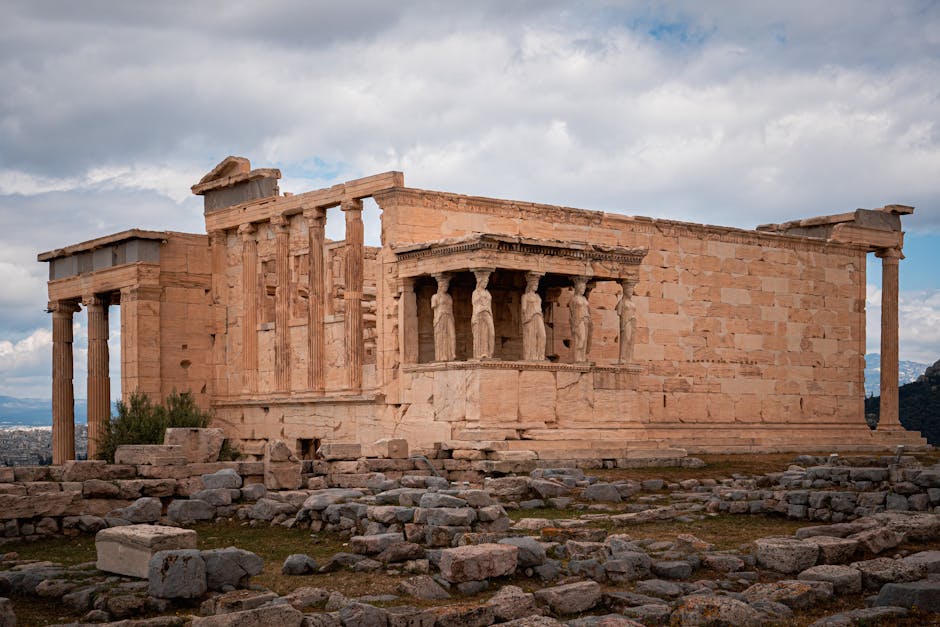
The full circuit includes the Propylaea (monumental gateway), the Erechtheion with its famed Caryatids, and the Temple of Athena Nike. Audio guides or a licensed tour enhance understanding, especially for first-time visitors. Wear sturdy shoes—the marble steps can be slippery.
See the Acropolis Museum
Just a 10-minute walk from the Acropolis, this modern museum houses artifacts from the site. Highlights include original sculptures from the Parthenon’s frieze and the Archaic Gallery. Visit in the afternoon to cool off and reflect on what you’ve seen.
Wander Through Ancient Neighborhoods
Athens’ historic districts offer a glimpse into daily life across millennia. Each neighborhood has its own character, from quiet plazas to bustling markets.
Stroll Around Plaka
Known as the “Neighborhood of the Gods,” Plaka sits beneath the Acropolis. Its narrow cobblestone streets are lined with neoclassical houses, souvenir shops, and tavernas. Visit in the late afternoon when the light is soft and the crowds thin.
Discover Anafiotika
Tucked behind Plaka, Anafiotika feels like a Cycladic village. Built by workers from the island of Anafi, it features whitewashed houses and flowering balconies. It’s small—less than 10 minutes to walk through—but worth a quiet detour.
Explore Monastiraki and Psyrri
Monastiraki buzzes with energy, especially on Sundays when the flea market spills into the streets. Psyrri, just north, blends bohemian charm with nightlife. Both areas are ideal for people-watching and trying souvlaki or loukoumades (honey puffs).
Experience Modern Athens
Athens isn’t just about ancient ruins. The city pulses with contemporary art, innovative cuisine, and urban renewal.
Visit the Stavros Niarchos Foundation Cultural Center
This 210-acre complex includes the National Opera and Library of Greece, set within a lush park. Free guided tours run daily. The rooftop offers one of the best views of the city and sea. It’s a 20-minute metro ride from Syntagma.
Check Out Street Art in Exarchia
Exarchia is Athens’ rebellious heart, known for political activism and vibrant street art. Murals cover building facades, alleyways, and even abandoned shops. Walk along Stournari Street to see some of the most striking pieces.
Shop at Kolonaki’s Boutiques
Kolonaki caters to a more upscale crowd. Designer boutiques, art galleries, and quiet cafes line the streets around Lycabettus Hill. It’s a good place to shop for Greek olive oil, ceramics, or handcrafted jewelry.
Enjoy Authentic Greek Cuisine
Food is central to Athenian life. Skip the tourist traps near major sites and seek out family-run tavernas and local markets.
Eat at a Traditional Taverna
Look for places with no English menus and long lines of locals. Try dishes like moussaka, spanakopita, or grilled octopus. Oinomageiremata in Psyrri and Ta Karamanlidika tou Fani in Metaxourgeio are reliable choices.
Visit Varvakios Agora
Athens’ central meat and fish market is loud, lively, and authentic. While not for the faint of heart, it’s a cultural experience. Go early in the morning to see butchers at work and vendors selling fresh produce.
Try Street Food
Souvlaki is the ultimate Athenian snack. Order it in pita with tomatoes, onions, and tzatziki. For dessert, try koulouri (sesame seed rings) from a street vendor or a frappé at a sidewalk kiosk.
Take Day Trips from Athens
Athens makes a great base for exploring nearby destinations. Public transport makes day trips easy and affordable.
Visit Cape Sounion and the Temple of Poseidon
About an hour south by car or bus, this coastal site offers dramatic views of the Aegean Sea. The temple, perched on a cliff, is especially beautiful at sunset. Combine with a swim at nearby beaches like Legrena.
Explore the Saronic Islands
Hydra, Aegina, and Poros are accessible by ferry from Piraeus. Hydra is car-free and picturesque, perfect for a relaxed day. Aegina is known for pistachios and a medieval fortress. Ferries run frequently in summer.
Tour Ancient Corinth
Just 80 km west of Athens, Corinth was once a major Roman city. See the Temple of Apollo, the ancient agora, and the canal that cuts through the isthmus. A guided tour helps bring the ruins to life.
Best Times to Visit and Practical Tips
Timing your visit can greatly affect your experience. Athens has distinct seasons, each with its own advantages.
Ideal Seasons
Spring (April–June) and fall (September–October) offer mild weather and fewer crowds. Summer (July–August) is hot and busy, but ideal for evening strolls and rooftop bars. Winter is quiet and affordable, though some attractions have shorter hours.
Transportation Tips

Athens has an efficient public transport system. Buy a 24-hour ticket (€6) for unlimited metro, bus, and tram rides. The metro is clean, safe, and connects major sites. Taxis are affordable, but avoid unlicensed cabs.
Safety and Etiquette
Athens is generally safe, but pickpocketing occurs in crowded areas like Monastiraki and the metro. Dress modestly when visiting churches. Greeks value politeness—learn a few basic phrases in Greek, like “efharistó” (thank you).
Compact Comparison: Top Athens Attractions
| Attraction | Best Time to Visit | Entry Fee (2024) | Time Needed |
|---|---|---|---|
| Acropolis | 8:00–9:30 AM | €20 (full pass) | 2–3 hours |
| Acropolis Museum | 1:00–4:00 PM | €10 | 1.5 hours |
| National Archaeological Museum | Weekday mornings | €12 | 2–3 hours |
| Ancient Agora | Early morning | €10 | 1.5 hours |
| Lycabettus Hill | Sunset | Free (funicular €7) | 1 hour |
Final Thoughts
Athens rewards travelers who go beyond the postcard sights. While the Acropolis is unmissable, the city’s true charm lies in its neighborhoods, food, and pace of life. Plan at least three full days to explore comfortably. Prioritize early mornings for major sites, save afternoons for museums or cafes, and embrace the Greek concept of “kalo taxidi”—a good journey. With this guide, you’re ready to experience the best things to do in Athens like a savvy traveler.
FAQ
How many days do I need in Athens?
Three to four days is ideal for first-time visitors. This allows time for the Acropolis, museums, neighborhoods, and a day trip. Two days can work for a quick overview, but you’ll miss the city’s rhythm.
Is Athens safe for solo travelers?
Yes, Athens is generally safe for solo travelers. Stick to well-lit, populated areas at night, especially in Exarchia and Omonia. Use official taxis or ride-sharing apps after dark.
Can I visit the Acropolis for free?
Yes, on the first Sunday of each month from November to March, entry to the Acropolis is free. Otherwise, tickets cost €20. Consider the combined ticket (€30) for seven major sites if you plan to visit multiple ruins.

