
Best Shopping in Kuala Lumpur: Top Malls, Markets, and Hidden Gems
Best Shopping in Kuala Lumpur: Top Malls, Markets, and Hidden Gems
Kuala Lumpur offers some of the best shopping in Southeast Asia, blending modern malls, bustling street markets, and unique local boutiques. Whether you’re hunting for luxury brands, affordable fashion, or authentic Malaysian souvenirs, the city delivers variety, value, and vibrant energy. From the iconic Petaling Street to the upscale Pavilion KL, shoppers can explore diverse districts tailored to every budget and taste. This guide highlights the top destinations, insider tips, and practical advice to help you make the most of your retail adventure in Malaysia’s capital.
Why Kuala Lumpur Is a Shopping Destination
Kuala Lumpur stands out as a shopping hub due to its mix of international appeal and local charm. The city hosts global retail chains alongside traditional markets, offering everything from high-end fashion to handmade crafts. Its central location in Southeast Asia makes it accessible, while competitive prices and tax-free shopping attract visitors from around the world.
The city’s infrastructure supports a seamless shopping experience. Malls are well-connected by public transport, and many offer tax refund services for tourists. Seasonal sales, like the annual Kuala Lumpur Sale in June and July, provide extra incentives with discounts up to 70% across hundreds of stores.
Top Shopping Malls in Kuala Lumpur
Modern shopping centers in Kuala Lumpur combine retail, dining, and entertainment under one roof. These malls cater to a wide range of preferences, from luxury seekers to budget-conscious travelers.
Pavilion Kuala Lumpur
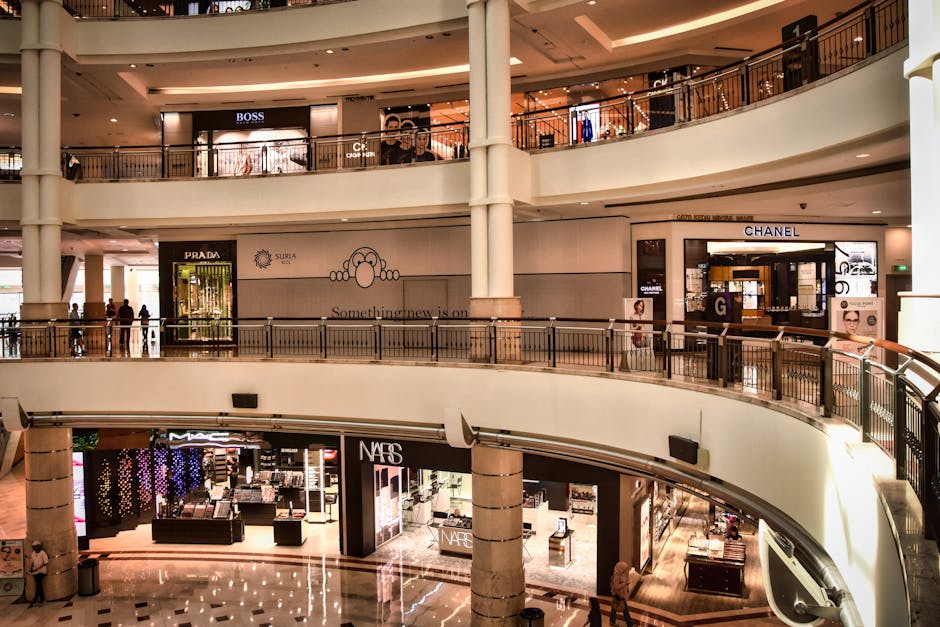
Pavilion KL is arguably the city’s most famous shopping destination. Located in the heart of Bukit Bintang, it features over 700 stores, including international brands like Zara, Uniqlo, H&M, and luxury labels such as Gucci and Prada. The mall also houses a wide selection of dining options, from food courts to fine dining.
Its central location makes it easily accessible via the KL Monorail and MRT. Pavilion is ideal for those looking to shop in air-conditioned comfort while enjoying a variety of retail choices in one place.
Suria KLCC
Situated beneath the iconic Petronas Twin Towers, Suria KLCC offers a premium shopping experience with stunning views and high-end retail. The mall includes department stores like Isetan and Parkson, as well as specialty shops and a cinema.
Visitors can combine shopping with sightseeing—exploring the KLCC Park or visiting the Aquaria KLCC aquarium. The mall is particularly popular during weekends and holidays, so arriving early helps avoid crowds.
Mid Valley Megamall
One of the largest malls in Malaysia, Mid Valley Megamall spans over 4.5 million square feet. It features more than 600 outlets, including fashion, electronics, home goods, and entertainment. Popular anchors include Giant Hypermarket, Jaya Grocer, and Golden Screen Cinemas.
Its size means it can get busy, especially on weekends. However, the variety ensures that nearly every shopping need is met. The mall is well-served by the KTM Komuter and ERL, making it accessible from various parts of the city.
Sunway Pyramid
Located in the suburban area of Bandar Sunway, this mall stands out with its Egyptian-themed architecture. Sunway Pyramid offers a mix of fashion, lifestyle, and entertainment, including a bowling alley and ice-skating rink.
It’s a great option for families or those looking for a day out beyond shopping. While slightly farther from the city center, it’s easily reached via the LRT and KTM.

Best Street Markets and Local Shopping Areas
For a more authentic experience, Kuala Lumpur’s street markets offer a lively alternative to malls. These open-air bazaars are perfect for bargaining, discovering local products, and soaking in the city’s culture.
Petaling Street (Chinatown)
Petaling Street is Kuala Lumpur’s most famous street market. Known for its vibrant atmosphere, it’s a hotspot for souvenirs, counterfeit goods, and local snacks. While the quality of branded items may vary, it’s a fun place to explore and practice bargaining.
Visit in the late afternoon or evening when the street comes alive with food stalls and vendors. Be cautious of pickpockets and avoid displaying valuables. Authentic Malaysian items like batik fabrics, wooden crafts, and local spices are worth seeking out.
Central Market (Pasar Seni)
Central Market is a cultural landmark that has been transformed into a curated arts and crafts hub. Unlike Petaling Street, it focuses on authentic Malaysian products, including handwoven textiles, batik paintings, and traditional musical instruments.
The market is clean, well-organized, and tourist-friendly. It’s a great place to buy meaningful souvenirs while supporting local artisans. The attached Annalakshmi restaurant offers vegetarian Indian cuisine in a heritage setting.
Jalan Tiong Nam
This lesser-known street in the Chow Kit area is a hidden gem for bargain hunters. It’s lined with small shops selling electronics, mobile accessories, and household items at low prices. While not as touristy, it’s popular among locals and expats.
Exercise caution when shopping here—verify product authenticity and compare prices. The area is best visited during daylight hours for safety.
Specialty Shopping: What to Buy in Kuala Lumpur
Kuala Lumpur offers unique products that reflect its multicultural heritage. Knowing what to look for enhances your shopping experience and ensures you take home something special.
Local Fashion and Textiles
Malaysian designers are gaining recognition for their fusion of traditional motifs and modern styles. Look for boutiques in Bangsar or KLCC that feature labels like Jimmy Choo (originated in Penang but celebrated nationwide) and Rizalman Ibrahim.
Batik fabric is a must-buy. Available in clothing, scarves, and home decor, it showcases intricate hand-dyed patterns. Authentic batik is usually more expensive but lasts longer and supports traditional craftsmanship.
Food and Snacks
Food lovers will find plenty to bring home. Popular items include durian chips, peanut cookies, and white coffee from Ipoh. Brands like Old Town White Coffee and Beryl’s Chocolate are widely available in supermarkets and gift shops.
Check customs regulations before purchasing perishable goods. Some items, like fresh durian, may be restricted in certain countries.
Handicrafts and Souvenirs
For meaningful keepsakes, seek out items made by indigenous communities. The Orang Asli craft traditional jewelry, woven baskets, and wood carvings. These are often sold at cultural centers or specialty shops like Kraftangan Malaysia.
Avoid mass-produced souvenirs that lack cultural significance. Authentic pieces may cost more but offer greater value and story.
Shopping Tips for Visitors
A few practical tips can make your shopping trip smoother and more enjoyable. Being prepared helps you avoid common pitfalls and maximize value.
Bargaining Etiquette
Bargaining is expected in street markets but not in malls. Start by offering 30–50% of the asking price and negotiate politely. Vendors often inflate prices for tourists, so patience pays off.
Avoid aggressive haggling. A friendly approach usually yields better results. If a price isn’t agreed upon, simply walk away—many vendors will call you back with a better offer.
Tax Refunds for Tourists
Tourists can claim a Goods and Services Tax (GST) refund on purchases over RM300 at participating stores. Look for the “Tax-Free” logo and keep your receipts. Refunds are processed at the airport or designated kiosks.
Note that GST was reintroduced in 2024 at 6%, so factor this into your budget. Refunds are typically issued in cash or credited to your card within a few days.
Payment Methods and Safety
Most malls accept credit cards, but street markets often operate on cash. Carry small denominations for easier transactions. Mobile payments like GrabPay and Boost are increasingly common.
Keep your belongings secure, especially in crowded areas. Use crossbody bags and avoid flashing expensive items. Stick to well-lit, busy streets when shopping at night.
Seasonal Sales and Events
Timing your visit around sales events can lead to significant savings. Kuala Lumpur hosts several major shopping festivals throughout the year.
Kuala Lumpur Sale
Held annually from June to July, this city-wide event offers discounts across malls, hotels, and attractions. Major retailers participate, with promotions on fashion, electronics, and beauty products.
Plan your itinerary around this period if possible. Combine shopping with cultural events, as the city often hosts performances and food festivals during the sale.
Year-End Sales
November to January is another peak shopping season, coinciding with Black Friday, Christmas, and New Year promotions. Malls extend their hours, and online platforms like Lazada and Shopee offer flash deals.
Be prepared for larger crowds and longer queues. Booking accommodations and transport in advance is recommended.
Comparison of Top Shopping Areas
| Shopping Area | Best For | Price Range | Vibe |
|---|---|---|---|
| Pavilion KL | International brands, dining, entertainment | Mid to high | Modern, upscale |
| Suria KLCC | Luxury shopping, sightseeing | High | Elegant, tourist-friendly |
| Petaling Street | Bargains, souvenirs, local food | Low to mid | Lively, chaotic |
| Central Market | Authentic crafts, cultural items | Mid | Cultural, relaxed |
| Mid Valley Megamall | Variety, family shopping | Low to high | Spacious, busy |
Final Tips for the Best Shopping Experience
To get the most out of shopping in Kuala Lumpur, plan ahead and stay flexible. Research mall hours and locations before you go—most open around 10 AM and close at 10 PM. Use public transport to avoid traffic and parking hassles.
Stay hydrated and take breaks, especially when exploring outdoor markets. Wear comfortable shoes and carry a reusable shopping bag to reduce plastic use.
Finally, embrace the local culture. Strike up conversations with vendors, try street food, and explore side streets. Some of the best finds are off the beaten path.
FAQ
What is the best time to shop in Kuala Lumpur?
The Kuala Lumpur Sale in June and July offers the biggest discounts. Year-end sales from November to January are also popular, though more crowded.
Can I bargain in malls?
No, prices in malls are fixed. Bargaining is acceptable in street markets like Petaling Street, but always do so politely.
Are credit cards widely accepted?
Yes, in malls and larger stores. However, carry cash for street markets and small vendors, as they may not accept cards.

