
Singapore Food Guide: What to Eat
Singapore Food Guide: What to Eat
Singapore’s food scene is a vibrant blend of Chinese, Malay, Indian, and Peranakan flavors, shaped by its multicultural heritage. From bustling hawker centers to Michelin-starred stalls, the city-state offers some of the world’s most diverse and affordable street food. This guide highlights must-try dishes, where to find them, and how to eat like a local—whether you’re visiting for a day or planning a longer stay.
Why Singapore’s Food Culture Stands Out
Singapore isn’t just a food destination—it’s a food obsession. The government supports hawker culture as a national heritage, and UNESCO recognition has only strengthened its global reputation. Unlike many cities, you can enjoy restaurant-quality meals for under SGD 10 at open-air food courts.
What sets Singapore apart is consistency. Even humble stalls often have decades of family recipes and loyal followings. The emphasis on fresh ingredients, balanced flavors, and communal dining makes every meal an experience.
Must-Try Dishes in Singapore
Hainanese Chicken Rice
This national dish features poached chicken served with fragrant rice cooked in chicken broth. The rice is the star—rich, oily, and infused with garlic and ginger.
Best enjoyed with a side of chili sauce and dark soy. Try it at Tian Tian Hainanese Chicken Rice in Maxwell Food Centre or Chatterbox at the Mandarin Oriental.
Char Kway Teow
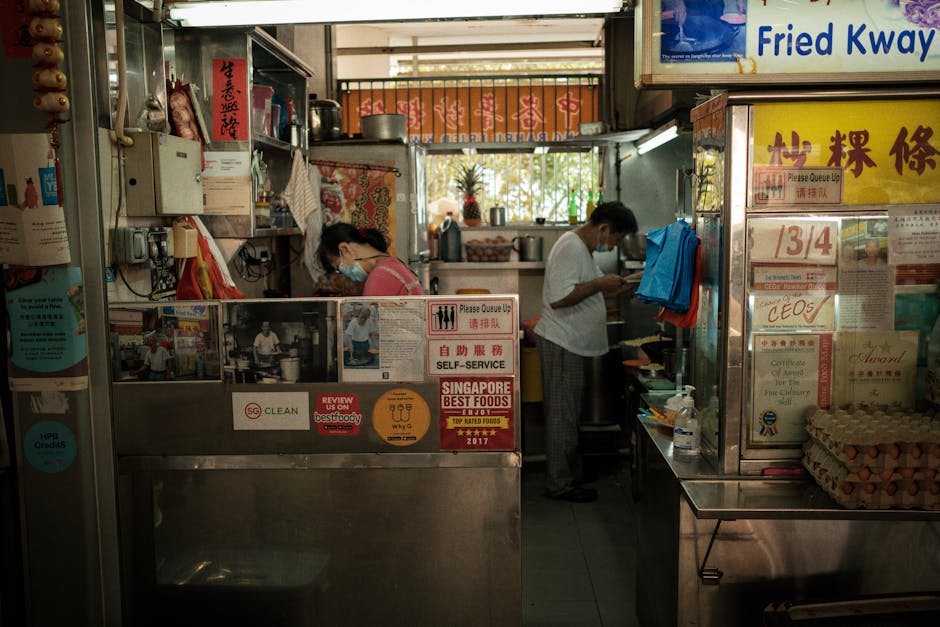
Stir-fried flat rice noodles with prawns, cockles, eggs, and Chinese sausage, all cooked over high heat in a wok. The smoky flavor, known as wok hei, is essential.
Look for stalls that cook in batches to preserve the char. Outram Park Fried Kway Teow and Hoo Kee are top picks.
Chilli Crab
A sweet, spicy, and tangy tomato-based sauce coats fresh mud crab, typically served with fried mantou buns for dipping. It’s messy but worth it.
Jumbo Seafood and Long Beach Seafood are iconic spots, but smaller joints like Sin Huat Eating House offer authentic versions at lower prices.
Laksa
This coconut-based curry noodle soup comes in two main styles: Katong laksa (thick rice noodles, cockles, prawns) and curry laksa (yellow noodles, tofu puffs). Both are rich and aromatic.
328 Katong Laksa and 928 Eminent Chicken & Duck Rice & Laksa are local favorites. Always eat with a spoon—no chopsticks needed.
Roti Prata
A flaky, crispy Indian flatbread served with curry for dipping. Variations include egg, cheese, or banana prata. Best eaten fresh and hot.
Visit Mr. and Mrs. Mohgan’s in Little India or Chomp Chomp Food Centre for late-night prata runs.
Bak Kut Teh
Pork rib soup simmered with garlic, herbs, and spices. The Teochew version is lighter; the Hokkien style is peppery and robust.
Found in Chinatown or Tiong Bahru. Eat with youtiao (fried dough sticks) and dark soy sauce for dipping.
Ice Kachang
A shaved ice dessert topped with red beans, grass jelly, attap chee, and colorful syrups. Modern versions include condensed milk and ice cream.
Try it at ABC Brickworks Hawker Centre or any traditional dessert stall. Ask for “less syrup” if you prefer less sweetness.
Where to Eat: Hawker Centers vs. Restaurants
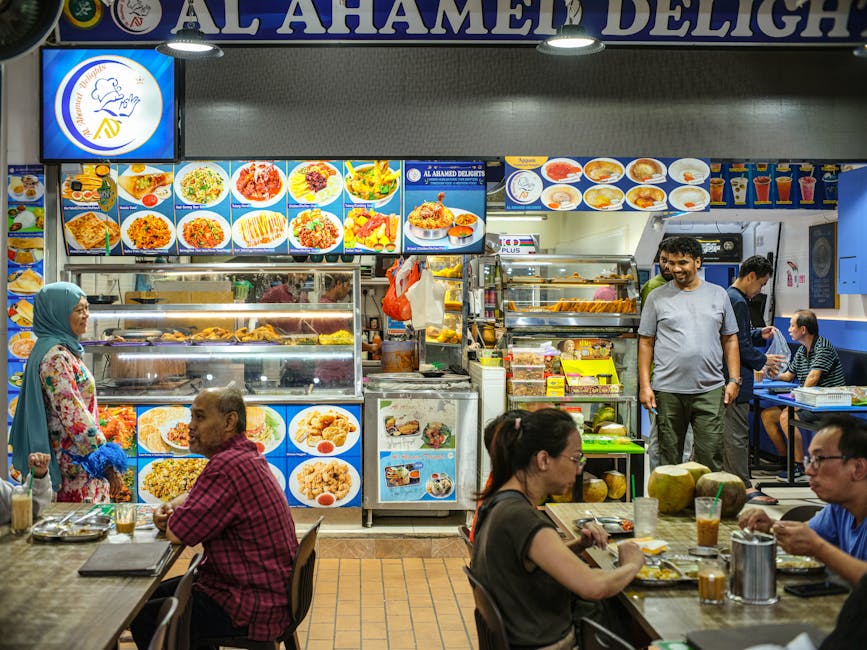
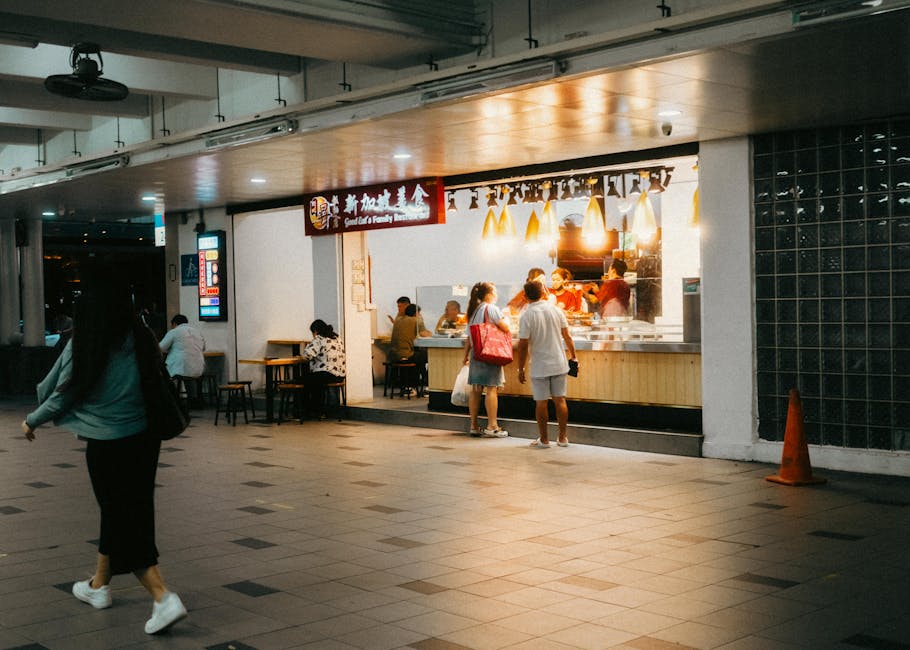
Hawker centers are the heart of Singapore’s food culture. These open-air food courts host dozens of stalls under one roof, offering everything from noodles to desserts.
They’re affordable, efficient, and open late. Most operate from morning until midnight. Bring cash—many stalls don’t accept cards.
Restaurants offer air conditioning and table service but at higher prices. Fine dining spots like Odette or Labyrinth blend tradition with innovation, while heritage brands like Newton Food Centre balance both worlds.
Top Hawker Centers to Visit
- Maxwell Food Centre: Home to Tian Tian Chicken Rice and other local legends.
- Old Airport Road Food Centre: One of the largest, with over 150 stalls. Great for variety.
- Tiong Bahru Market: Trendy spot with modern twists on classics.
- Chinatown Complex Food Centre: Famous for its curry chicken noodles and cheap eats.
Regional Variations and What to Expect
Singaporean food reflects its ethnic mix. Chinese dishes dominate, but Malay and Indian influences are strong. Peranakan (Straits Chinese) cuisine blends Chinese techniques with Malay spices.
Expect bold flavors: tamarind, belacan (shrimp paste), lemongrass, and coconut milk are common. Spicy dishes are frequent, but most stalls offer mild versions on request.
Vegetarian options are available, especially at Indian stalls. Look for “veg” signs or ask for no meat or seafood.
How to Eat Like a Local
Ordering and Etiquette
At hawker centers, point or say the dish name clearly. Use “one” or “two” for quantity. “One chicken rice, please” works fine.
Seating is first-come, first-served. Place a tissue packet on the table to “chope” (reserve) your spot while you order.
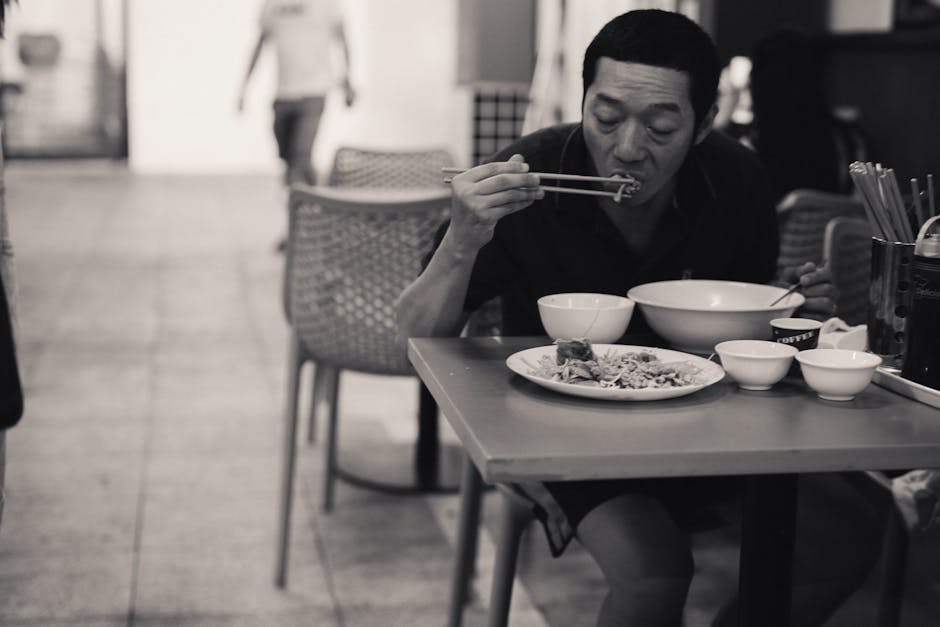
Don’t tip—service charges are included, and tipping isn’t customary. Clear your tray after eating; return it to the collection point.
Timing Your Meals
Breakfast: Kaya toast with soft-boiled eggs and kopi (local coffee). Try Ya Kun Kaya Toast or Killiney Kopitiam.
Lunch: Hawker centers peak between 12–2 PM. Arrive early to avoid crowds.
Dinner: Many stalls close by 9 PM. Night markets and 24-hour spots like Newton Food Centre are better for late eats.
Vegetarian, Halal, and Dietary Considerations
Halal food is widely available, especially in Malay and Indian stalls. Look for the Halal certification logo—usually a green circle with Arabic script.
Vegetarian options include mee siam, rojak (fruit salad with sauce), and vegetable-based curries. Indian Muslim stalls often serve halal vegetarian dishes.
Vegan diners should ask about hidden ingredients like fish sauce or shrimp paste. Many stalls can customize orders.
Drinks and Desserts
Local Beverages
Kopi (coffee) and teh (tea) are served “o” (black), “c” (with evaporated milk), or “si” (with condensed milk). Ask for “less sweet” if needed.
Sugarcane juice, bandung (rose syrup with milk), and lime juice are refreshing non-caffeinated options.
Popular Desserts
- Chendol: Green rice flour jelly in coconut milk with palm sugar.
- Ondeh-Ondeh: Sweet glutinous rice balls filled with palm sugar and coated in grated coconut.
- Pulut Inti: Sticky rice with coconut and palm sugar topping, wrapped in banana leaves.
Food Safety and What to Avoid
Singapore has strict food hygiene standards. All hawker stalls are graded A, B, or C by the National Environment Agency. Look for the grade decal in the window.
Avoid raw or undercooked seafood if you have a sensitive stomach. Stick to freshly cooked dishes served hot.
Drink bottled or boiled water. Tap water is safe, but some travelers prefer to be cautious.
Seasonal and Festival Foods
During Chinese New Year, try pineapple tarts, love letters (crispy wafers), and bak kwa (grilled meat jerky).
Hari Raya Puasa brings ketupat (rice cakes), rendang, and dodol (sticky sweets). Indian festivals feature murukku and jalebi.
These treats are sold in supermarkets and specialty shops. Visit during festivals for the full experience.
Budget Tips for Food Lovers
Eating well in Singapore doesn’t require a big budget. A full meal at a hawker center costs SGD 4–8. Even Michelin Bib Gourmand stalls rarely exceed SGD 12.
Share dishes with friends to sample more variety. Most portions are generous.
Use apps like Burpple or Google Maps to find deals and read reviews. Avoid tourist-heavy areas like Orchard Road for better prices.
Compact Comparison: Hawker Centers vs. Restaurants
| Feature | Hawker Centers | Restaurants |
|---|---|---|
| Price Range | SGD 3–10 per dish | SGD 15–50+ per dish |
| Atmosphere | Casual, communal seating | Air-conditioned, private tables |
| Service | Self-service, cash preferred | Waitstaff, card accepted |
| Variety | 20–100+ stalls per center | Limited to one cuisine/style |
| Best For | Budget eats, quick meals, local experience | Special occasions, comfort, privacy |
Final Tips for First-Time Visitors
- Start with hawker centers—they’re safe, clean, and authentic.
- Bring hand sanitizer and wet wipes; tables can be sticky.
- Try one new dish each day. Even if you don’t love it, you’ll learn something.
- Don’t skip breakfast—local kopitiam meals are a cultural staple.
- Download a translation app if you’re unsure about ingredients.
FAQ
Is Singapore street food safe to eat?
Yes. Singapore has high food safety standards. All hawker stalls are regularly inspected and graded. Stick to busy stalls with high turnover for the freshest food.
What’s the best time to visit hawker centers?
Avoid peak lunch hours (12–2 PM) if you dislike crowds. Mornings and late afternoons are quieter. Some centers operate 24 hours.
Can I find vegetarian food easily in Singapore?
Yes. Indian and Chinese vegetarian stalls are common. Look for “veg” signs or ask for no meat, seafood, or animal-based sauces.

