
Bangkok Temples Travel Guide: Must-See Wats and Practical Tips
Bangkok is home to over 400 Buddhist temples, known locally as wats, each offering a unique blend of history, architecture, and spiritual significance. Whether you’re drawn to golden spires, intricate murals, or quiet courtyards, this guide helps you navigate the city’s most iconic temples with confidence. From dress codes to opening hours and hidden gems, we cover everything you need to plan a respectful and rewarding temple tour in Thailand’s bustling capital.
Why Visit Temples in Bangkok?
Temples are central to Thai culture and daily life. They serve as places of worship, community hubs, and centers of learning. For travelers, they offer a peaceful retreat from the city’s energy and a window into Thailand’s spiritual traditions.
Many Bangkok temples feature centuries-old architecture, including ornate rooflines, gilded Buddha images, and detailed stucco work. Visiting them provides insight into Theravāda Buddhism, which shapes much of Thai identity. Beyond sightseeing, temple visits can be meditative experiences—especially at dawn, when monks begin their morning alms rounds.
Top Temples to Visit in Bangkok
Not all temples are created equal. Some are grand and tourist-heavy, while others remain quiet and local. Here are five essential stops that balance cultural significance, accessibility, and visual impact.
Wat Phra Kaew (Temple of the Emerald Buddha)
Located within the Grand Palace complex, Wat Phra Kaew houses Thailand’s most revered Buddha image—a small, jade-like statue seated in a glass case. The temple is not a functioning monastery but a royal chapel, making it unique among Bangkok’s wats.
The surrounding complex features vibrant mosaics, towering chedis (stupas), and pavilions adorned with gold leaf. Arrive early to avoid crowds, and note that photography is prohibited inside the main ubosot (ordination hall).
Wat Pho (Temple of the Reclining Buddha)
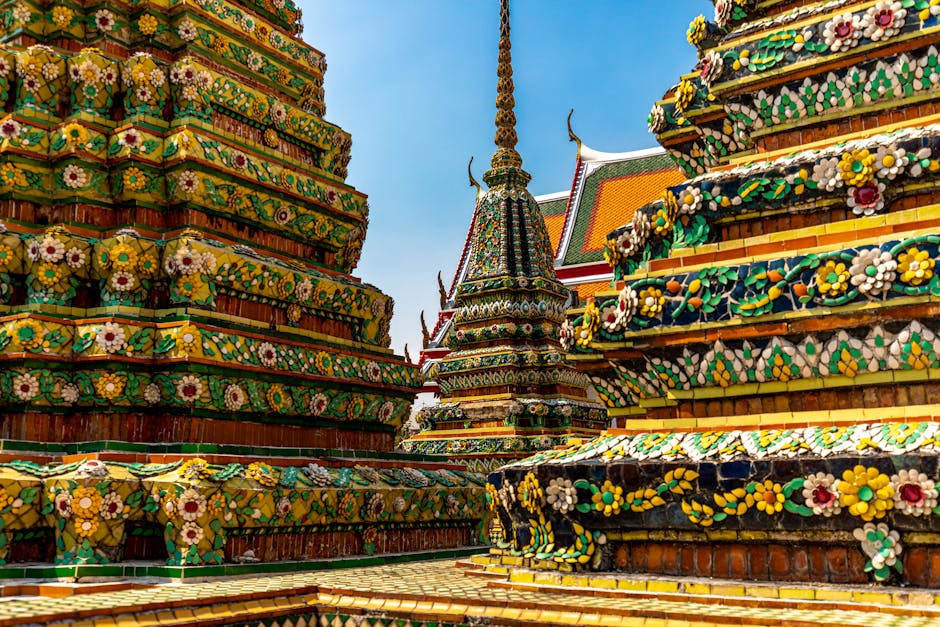
Just south of the Grand Palace, Wat Pho is famous for its 46-meter-long reclining Buddha, covered in gold leaf with inlaid mother-of-pearl feet. The temple also claims to be Thailand’s first public university, offering traditional massage and medicine.
Wat Pho’s layout includes over 1,000 Buddha images, multiple chedis, and beautifully tiled rooftops. It’s a great place to book an authentic Thai massage after your visit—on-site services are reasonably priced and highly regarded.
Wat Arun (Temple of Dawn)
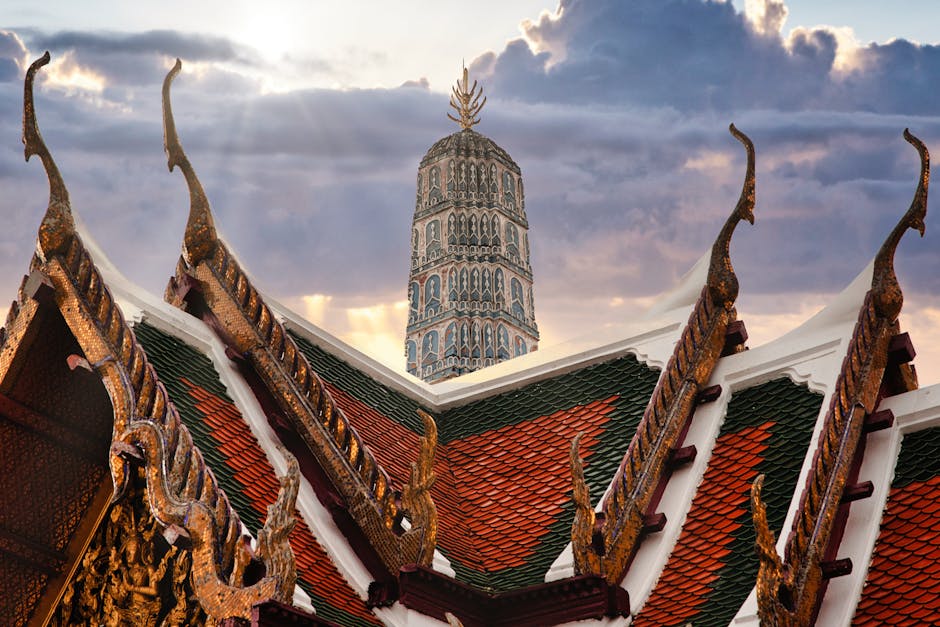
Visible from across the Chao Phraya River, Wat Arun is crowned by a central prang (tower) decorated with colorful porcelain and seashells. The best views are from the riverbank near Wat Pho or from a ferry crossing at sunset.
Climbing the steep steps of the prang is possible but not recommended for those with mobility issues or a fear of heights. The temple grounds are less crowded than the Grand Palace, offering a more relaxed atmosphere.
Wat Saket (Golden Mount)
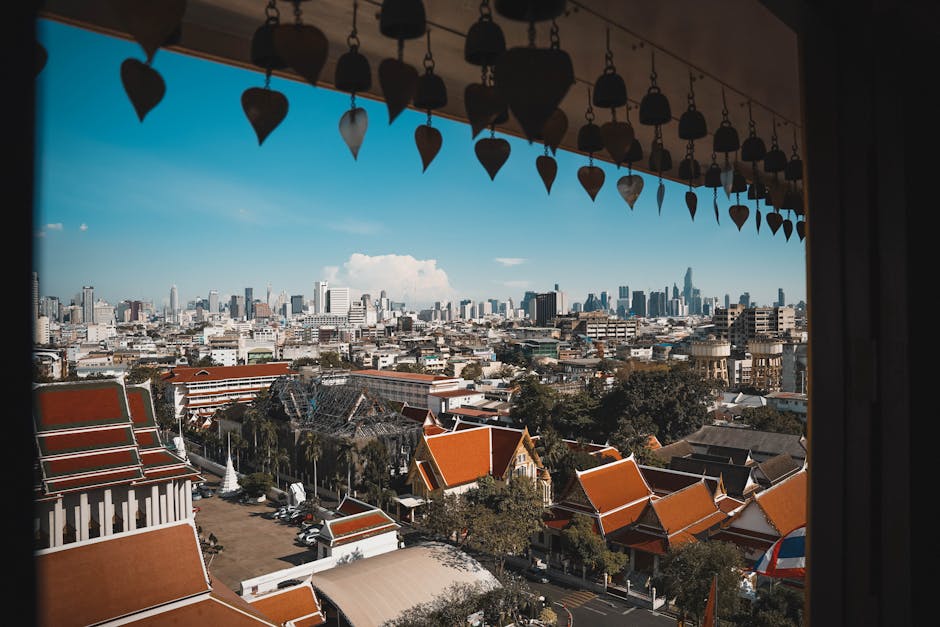
Built atop an artificial hill, Wat Saket offers panoramic views of old Bangkok. The golden chedi sits atop a 75-meter hill accessed by a winding staircase—about 300 steps in total.
Unlike the riverside temples, Wat Saket feels secluded and spiritual. It’s especially atmospheric during the annual Loy Krathong festival, when thousands of lanterns are released. Weekday mornings are ideal for a quiet visit.
Wat Benchamabophit (Marble Temple)
Constructed in the late 19th century, Wat Benchamabophit blends Thai and European architectural styles. Its main hall is built from Italian marble, giving it a clean, luminous appearance.
The temple features a collection of bronze Buddha statues in various postures. It’s less visited than the Grand Palace trio, making it ideal for travelers seeking tranquility without sacrificing grandeur.
How to Plan Your Temple Tour
A well-planned itinerary saves time and enhances your experience. Most major temples are clustered in Rattanakosin Island, the historic heart of Bangkok. This makes walking or short taxi rides between sites efficient.
Start early—temples open around 8:00 AM, and mornings are cooler and less crowded. Combine two or three nearby temples in one half-day trip. For example, visit the Grand Palace, Wat Phra Kaew, and Wat Pho in sequence, then cross the river to Wat Arun by ferry.
Suggested Itineraries
Half-Day Classic Route: Grand Palace → Wat Phra Kaew → Wat Pho → Wat Arun (via ferry). Allow 3–4 hours total, including transit.
Spiritual & Scenic Route: Wat Saket (early morning) → Wat Benchamabophit → Lunch at a nearby café → Afternoon at Wat Traimit (home to the world’s largest gold Buddha).
Off-the-Beaten-Path Route: Visit lesser-known temples like Wat Ratchabophit or Wat Thepsirin, which see few tourists but offer authentic charm and architectural detail.
What to Wear and How to Behave
Respect is key when visiting Thai temples. Dress codes are strictly enforced, especially at major sites like the Grand Palace and Wat Phra Kaew.
Shoulders and knees must be covered. Avoid sleeveless tops, shorts, miniskirts, and tight clothing. Many temples offer sarong or shawl rentals, but bringing your own is more hygienic and convenient.
Dress Code Guidelines
Men should wear long pants or knee-length trousers and shirts with sleeves. Women should opt for long skirts, pants, or dresses that cover the knees, and tops that cover the shoulders.
Footwear must be removed before entering temple buildings. Wear shoes that are easy to slip on and off. Avoid pointing your feet at Buddha images—this is considered disrespectful.
Practical Tips for a Smooth Visit
Bangkok’s heat and humidity can be intense, especially between 10:00 AM and 3:00 PM. Carry water, wear sunscreen, and take breaks in shaded areas.
Most temples charge an entrance fee for foreigners, typically between 100–500 THB. Thai citizens enter free. Have cash ready, as card payments aren’t always accepted.
Opening Hours and Fees
Temples generally open from 8:00 AM to 6:00 PM, but hours can vary. Check official websites or local signage before visiting. Some temples close earlier on Buddhist holidays.
Photography is usually allowed in courtyards and outer areas, but prohibited inside main prayer halls. Always look for signs or ask staff before taking pictures.
Transportation Tips
The BTS Skytrain and MRT subway don’t directly serve most historic temples, but they can get you close. From Saphan Taksin BTS station, take the Chao Phraya Express Boat to Tha Tien pier—walking distance to the Grand Palace and Wat Pho.
Taxis and tuk-tuks are convenient but negotiate fares in advance or insist on using the meter. Ride-hailing apps like Bolt and Grab are reliable and often cheaper.
Comparing Major Bangkok Temples
Not sure which temples to prioritize? This quick comparison highlights key features to help you decide based on your interests.
| Temple | Highlight | Entrance Fee (THB) | Best Time to Visit |
|---|---|---|---|
| Wat Phra Kaew | Emerald Buddha, Grand Palace | 500 | 8:00–10:00 AM |
| Wat Pho | Reclining Buddha, Thai massage | 200 | 8:00–11:00 AM |
| Wat Arun | Riverside views, prang climb | 100 | Sunset |
| Wat Saket | City views from Golden Mount | 20 | Early morning or evening |
| Wat Benchamabophit | Marble architecture, quiet setting | 100 | Weekday afternoons |
Common Mistakes to Avoid
Even experienced travelers can stumble when visiting temples. Avoid these common pitfalls to ensure a respectful and enjoyable experience.
Don’t touch or climb on Buddha statues—this is considered deeply offensive. Keep your voice low and avoid public displays of affection. Never turn your back on a Buddha image when leaving a hall; instead, walk backward or turn sideways.
Refrain from handing money or items directly to monks unless you’re participating in an alms ceremony. If you wish to make a donation, use a cloth or place it in a designated box.
Beyond the Big Names: Hidden Gems
While the famous temples are unmissable, Bangkok has quieter wats that reward curious travelers. Wat Rakhang, near the river, features a working bell tower and peaceful gardens. Wat Suthat, with its towering red swing and vibrant murals, is often overlooked despite its historical importance.
Wat Thepsirin, located near a busy market, offers a glimpse into local worship without tourist crowds. These temples provide a more authentic experience and are ideal for photographers and culture seekers.
Final Thoughts
Visiting Bangkok’s temples is more than sightseeing—it’s an immersion into Thai spirituality and artistry. With proper preparation, you can explore these sacred spaces respectfully and meaningfully.
Start with the classics, respect local customs, and allow time to wander. Even a single temple visit can leave a lasting impression. Whether you’re marveling at golden spires or sitting quietly in a shaded courtyard, Bangkok’s wats offer moments of calm and wonder in the heart of the city.
FAQ
Q: Do I need to remove my shoes at every temple?
A: Yes, shoes must be removed before entering any temple building or hall. Wear slip-on shoes for convenience.
Q: Can I visit temples during Buddhist holidays?
A: Yes, but some temples may have altered hours or special ceremonies. Check local listings and dress more conservatively on these days.
Q: Are children allowed in Bangkok temples?
A: Absolutely. Children are welcome, but they must follow the same dress and behavior rules as adults. Supervise them closely to ensure respectful conduct.

