
Vatican City Travel Guide Rome: Everything You Need to Know Before You Go
Vatican City Travel Guide Rome: Everything You Need to Know Before You Go
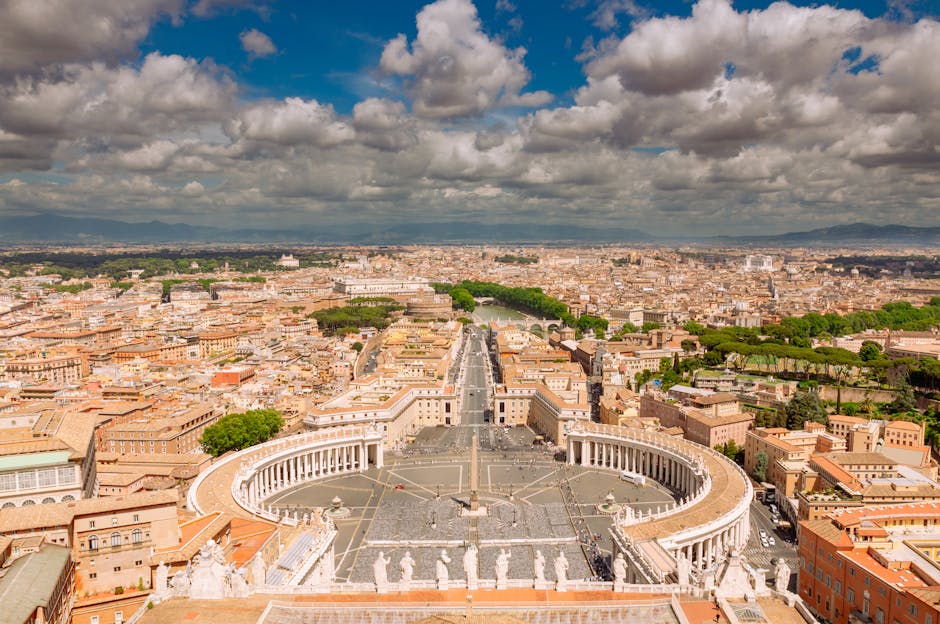
Vatican City, the world’s smallest independent state, sits just west of Rome’s historic center. Despite its size—just 0.17 square miles—it’s home to some of humanity’s most treasured art, architecture, and religious sites. Most visitors access Vatican City as part of a Rome itinerary, making it essential to plan ahead. This guide covers practical tips, must-see attractions, ticket options, dress codes, and how to avoid common tourist pitfalls. Whether you’re drawn by faith, history, or Renaissance art, a well-prepared visit ensures you make the most of your time in this unique enclave.
Why Visit Vatican City?
Vatican City is more than a religious center—it’s a living museum of Western civilization. It houses the Pope, governs global Catholicism, and preserves over 2,000 years of art and history. Highlights include Michelangelo’s Sistine Chapel ceiling, the Apostolic Palace, and St. Peter’s Basilica, one of Christianity’s holiest sites.
Unlike typical museums, Vatican City blends spiritual significance with cultural grandeur. It attracts over 5 million visitors annually. Most come for the art, but many leave with a deeper appreciation for history and faith. The compact layout means you can see major sites in a half-day, though full exploration may take longer.
Top Attractions in Vatican City
1. The Vatican Museums
The Vatican Museums contain one of the world’s greatest art collections. Spanning over 5 miles of galleries, they include ancient Roman sculptures, Renaissance masterpieces, and modern religious art. The journey culminates in the Sistine Chapel, where Michelangelo painted the iconic Creation of Adam.
Visitors often underestimate the crowds. Lines can stretch for hours, especially in summer. Booking a timed-entry ticket online is strongly recommended. Audio guides or guided tours help navigate the vast collection and provide context for key works.
2. St. Peter’s Basilica
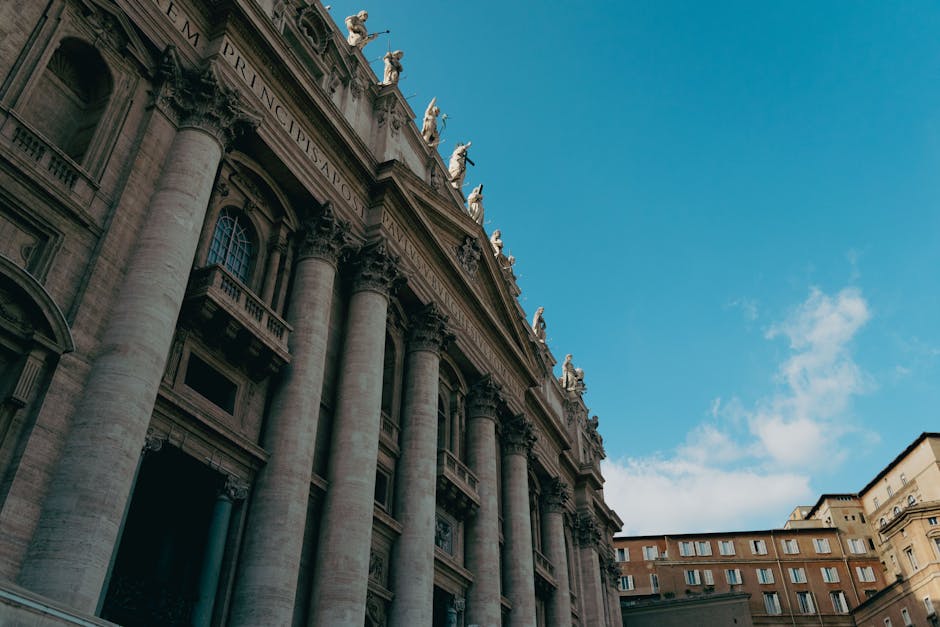
St. Peter’s Basilica is the largest church in the world and a masterpiece of Renaissance architecture. Designed by Bramante, Michelangelo, and Bernini, its dome offers panoramic views of Rome. Inside, the baldachin over the papal altar and Michelangelo’s Pietà are unmissable.
Entry to the basilica is free, but lines can be long. Arrive early or visit after 4 PM for shorter waits. The dome climb costs extra but rewards with stunning city views. Note: the basilica may close during papal events.
3. St. Peter’s Square
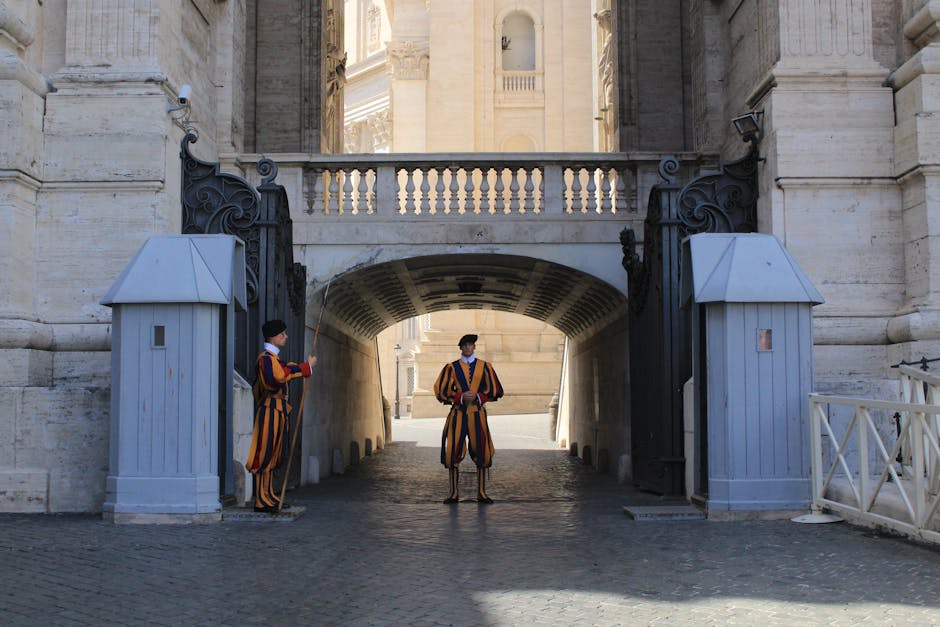
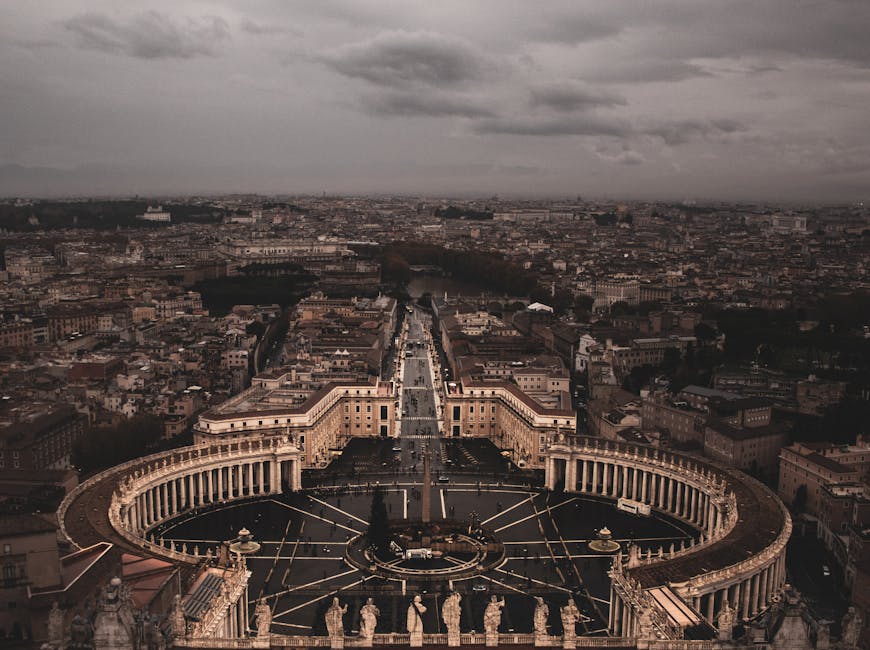
Designed by Bernini in the 17th century, St. Peter’s Square features two sweeping colonnades and an Egyptian obelisk. It hosts papal audiences, Easter Mass, and Christmas celebrations. The square is open to the public and free to enter.
On Wednesdays, the Pope holds a general audience. Free tickets are available through the Vatican’s website or local parishes. Arrive at least an hour early for seating. The event is a highlight for many visitors.
How to Get to Vatican City from Rome
Vatican City is easily accessible from central Rome by foot, metro, or bus. The closest metro stop is Ottaviano (Line A), a 10-minute walk from St. Peter’s Square. Buses 40, 64, and 62 also serve the area.
Walking from the historic center takes 20–30 minutes and offers scenic views of Rome’s neighborhoods. Taxis and rideshares are convenient but can be slow during peak hours. Avoid driving—parking is extremely limited and expensive.
Best Time to Visit Vatican City
The best times to visit are early morning or late afternoon. Museums open at 8 AM; arriving at opening reduces wait times. Late afternoons, especially after 4 PM, see fewer crowds.
Avoid visiting on Sundays (except the last Sunday of the month, when museums are free but extremely busy) and major Catholic holidays like Easter and Christmas. Winter months (November–February) offer fewer tourists and mild weather, though some outdoor areas may feel chilly.
Vatican City Entry Requirements and Tickets
All visitors to the Vatican Museums must purchase tickets. Standard admission is €17 online or €20 at the door. Online tickets include a €4 reservation fee but allow timed entry and skip-the-line access.
Guided tours (€30–€50) offer deeper insight and often include early access. School groups and pilgrims may qualify for reduced rates. EU citizens under 18 enter free with ID. Always book ahead—same-day tickets sell out quickly in high season.
Ticket Options Comparison
| Ticket Type | Price (Approx.) | Skip the Line | Audio Guide Included |
|---|---|---|---|
| Standard Online Ticket | €21 | Yes | No |
| Door Ticket | €20 | No | No |
| Guided Group Tour | €40 | Yes | Yes |
| Early Access Tour | €60 | Yes |
Dress Code and Visitor Etiquette
Vatican City enforces a strict dress code out of respect for its religious status. Shoulders and knees must be covered for both men and women. Avoid hats, sunglasses, and revealing clothing.
Inside the Sistine Chapel and St. Peter’s Basilica, silence is expected. Photography is allowed in most museum areas but prohibited in the Sistine Chapel. Turn off flash and avoid using tripods. Loud conversations and phone calls are discouraged.
Tips for a Smooth Visit
Book tickets online at least 2–4 weeks in advance, especially during spring and summer. Print or download your ticket—mobile tickets are accepted but may require scanning in low-light areas.
Wear comfortable shoes. The Vatican Museums involve extensive walking and standing. Bring water and a small snack, though food and large bags are not allowed inside. Lockers are available near the entrance.
Arrive 15 minutes before your entry time. Late arrivals may not be admitted. Security checks are thorough—similar to airport screening. Avoid bringing large bags, weapons, or liquids over 100ml.
Nearby Attractions in Rome
After visiting Vatican City, explore nearby Roman landmarks. Castel Sant’Angelo, just a 10-minute walk away, offers river views and historical exhibits. The charming Trastevere neighborhood is perfect for lunch, with cobblestone streets and authentic trattorias.
The Janiculum Hill provides a quiet escape with panoramic views of Rome. For art lovers, the Galleria Doria Pamphilj and Palazzo Barberini are less crowded alternatives to the Vatican Museums.
Safety and Practical Information
Vatican City is generally safe, but pickpocketing is common in crowded areas. Keep valuables secure and avoid displaying expensive items. Stay alert in St. Peter’s Square and near metro stations.
Public restrooms are available inside the museums and near the square. Facilities are clean but may have a small fee (€1–€2). Baby changing stations and accessibility services are offered—contact the Vatican in advance for special needs.
Final Thoughts
A visit to Vatican City is a highlight of any Rome trip. With proper planning, you can avoid crowds, respect local customs, and fully appreciate its artistic and spiritual treasures. Prioritize the museums and basilica, book ahead, and dress appropriately.
Whether you’re marveling at Michelangelo’s frescoes or attending a papal audience, Vatican City offers a unique blend of history, faith, and beauty. Take your time, stay curious, and let the experience unfold at its own pace.
FAQ
Q: Can I visit Vatican City for free?
A: Entry to St. Peter’s Basilica and the square is free, but the Vatican Museums require a paid ticket. The last Sunday of each month offers free museum entry, but expect large crowds.
Q: How long should I plan to spend in Vatican City?
A: Most visitors spend 3–4 hours, including the museums, Sistine Chapel, and basilica. Add extra time if climbing the dome or attending a papal event.
Q: Is Vatican City safe for tourists?
A: Yes, it is generally safe. However, be cautious of pickpockets in crowded areas. Follow local guidelines and keep personal belongings secure.

