
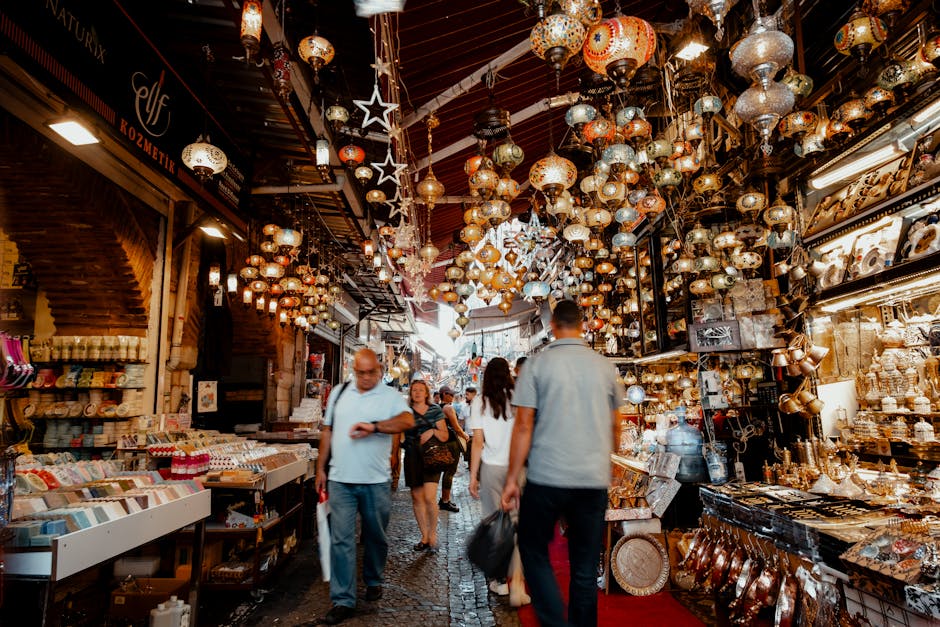
Grand Bazaar Shopping Guide Istanbul: What to Buy, Where to Go, and How to Save
Grand Bazaar Shopping Guide Istanbul: What to Buy, Where to Go, and How to Save
The Grand Bazaar in Istanbul is one of the world’s oldest and largest covered markets, with over 4,000 shops spread across 61 streets. Whether you’re hunting for authentic Turkish carpets, handmade ceramics, or gold jewelry, this historic marketplace offers an unforgettable shopping experience. This guide walks you through what to buy, where to find it, how to avoid common pitfalls, and practical tips to make the most of your visit—without getting overwhelmed or overcharged.
Why Visit the Grand Bazaar?
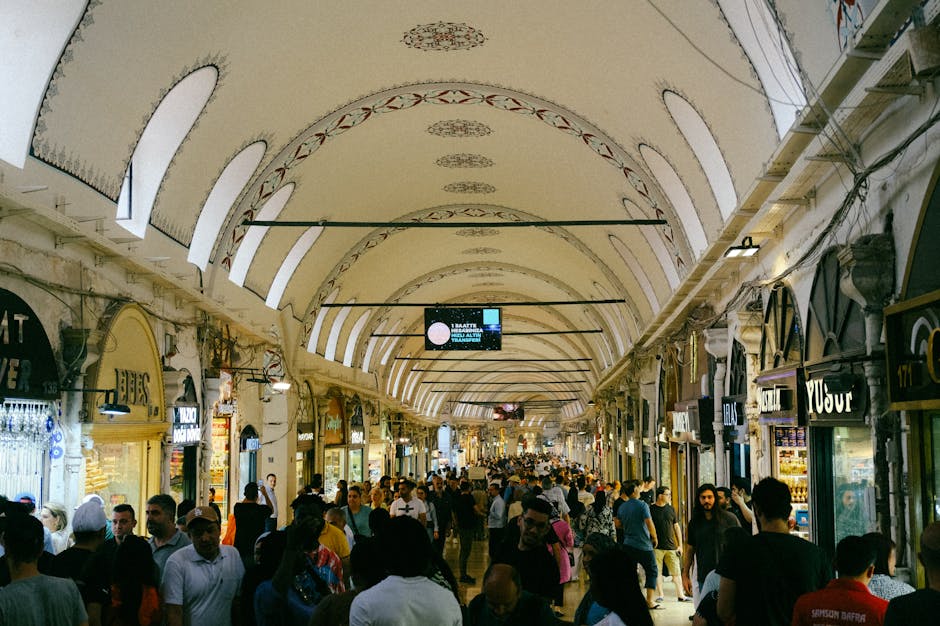
The Grand Bazaar isn’t just a shopping destination—it’s a cultural landmark. Established in the 15th century, it has served as a commercial hub for centuries, connecting traders from Europe, Asia, and the Middle East. Today, it draws millions of visitors annually, blending history, craftsmanship, and commerce under one ornate roof.
Beyond souvenirs, the bazaar offers access to high-quality, locally made goods. From handwoven kilims to custom-engraved brass lanterns, many items are crafted by artisans using traditional techniques passed down through generations. Shopping here supports small businesses and preserves cultural heritage.
But it’s not all smooth sailing. The sheer size, crowds, and aggressive sales tactics can be intimidating. With the right preparation, however, your visit can be both enjoyable and rewarding.
What to Buy at the Grand Bazaar
The bazaar is famous for its variety. While you’ll find plenty of mass-produced trinkets, the real value lies in authentic, handcrafted items. Focus on quality over quantity to get the best return on your investment.
Turkish Carpets and Rugs
One of the bazaar’s most iconic offerings is hand-knotted Turkish carpets. Look for shops with certification tags from the Turkish Ministry of Culture, which verify authenticity and origin. Persian-style rugs from Hereke or tribal kilims from Anatolia are especially prized.
Avoid vendors who pressure you to buy immediately. Reputable dealers will explain the weaving technique, dye source (natural vs. synthetic), and region of origin. Expect to pay more for silk or wool blends with intricate patterns—prices typically start around $200 for smaller pieces.
Gold and Jewelry
Istanbul’s gold market is one of the largest in the world, and the Grand Bazaar is its heart. Many shops sell 14k and 18k gold jewelry at competitive prices, often lower than Western retail due to lower overhead and direct sourcing.
Always check the hallmark—look for “585” (14k) or “750” (18k) stamped on the piece. Ask for a receipt that includes weight, purity, and price per gram. Bargaining is expected, but don’t expect deep discounts on gold due to fluctuating market rates.
Ceramics and Tiles
Hand-painted Iznik and Çanakkale ceramics are standout finds. These feature traditional Ottoman floral motifs in cobalt blue, turquoise, and coral red. Look for pieces with smooth glazing and even brushwork—signs of skilled craftsmanship.
Small plates, tea sets, and decorative tiles make excellent souvenirs. Avoid chipped or unevenly painted items, which may be imports sold as local. Prices range from $10 for small coasters to over $200 for large serving platters.
Spices and Delicacies
The Spice Bazaar (Misir Çarşısı), just a short walk from the main entrance, is the go-to spot for dried herbs, saffron, Turkish delight, and lokum. While not technically inside the Grand Bazaar, it’s often included in shopping tours and worth a stop.
Buy saffron in small quantities—high-quality threads should be deep red with minimal yellow. Turkish delight is best purchased from established brands like Hacı Bekir, founded in 1777. Avoid overly sweet or sticky varieties.
Leather Goods and Accessories
Leather jackets, bags, and belts are widely available. Look for full-grain leather with even stitching and sturdy zippers. Many shops offer custom fittings, but allow time for alterations—don’t expect same-day service.
Be cautious of “genuine leather” labels—these often refer to split leather, not top-quality hides. Ask to see the material up close. Prices for a decent leather jacket start around $150.
How to Navigate the Grand Bazaar
The bazaar’s layout can be confusing. It’s divided into sections based on product type, though overlaps are common. Use the main entrances on Beyazıt Square or Nuruosmaniye Street for easier orientation.
Best Times to Visit
Avoid weekends and public holidays when local crowds peak. Arrive early—right when doors open at 8:30 AM—to beat the tour groups. Weekday mornings are ideal for a more relaxed experience.
The bazaar closes at 7:00 PM, but many shops begin winding down by 6:00 PM. It’s closed on Sundays and national holidays, so plan accordingly.
Getting Around
Wear comfortable shoes—you’ll be walking on uneven stone floors. Bring a small backpack or tote bag for purchases. Keep your belongings secure; pickpocketing can occur in crowded areas.
Use the free map available at information kiosks near the entrances. Major alleys like Kalpakçılar Caddesi (Jewelers’ Street) and Keseciler Sokak (Coppersmiths’ Alley) are well-marked and lead to key shopping zones.
Language and Communication
Many shopkeepers speak basic English, especially in high-traffic areas. Learning a few Turkish phrases—like “Ne kadar?” (How much?) or “Çok pahalı” (Too expensive)—can go a long way.
If communication breaks down, use a translation app or write numbers on paper for price negotiations. Avoid pointing or gesturing aggressively, which can be seen as rude.
Bargaining Tips and Avoiding Scams
Bargaining is not just accepted—it’s expected. But it requires strategy. Start by offering 30–50% of the initial asking price, depending on the item. For example, if a carpet is listed at $500, begin with $150–$200.
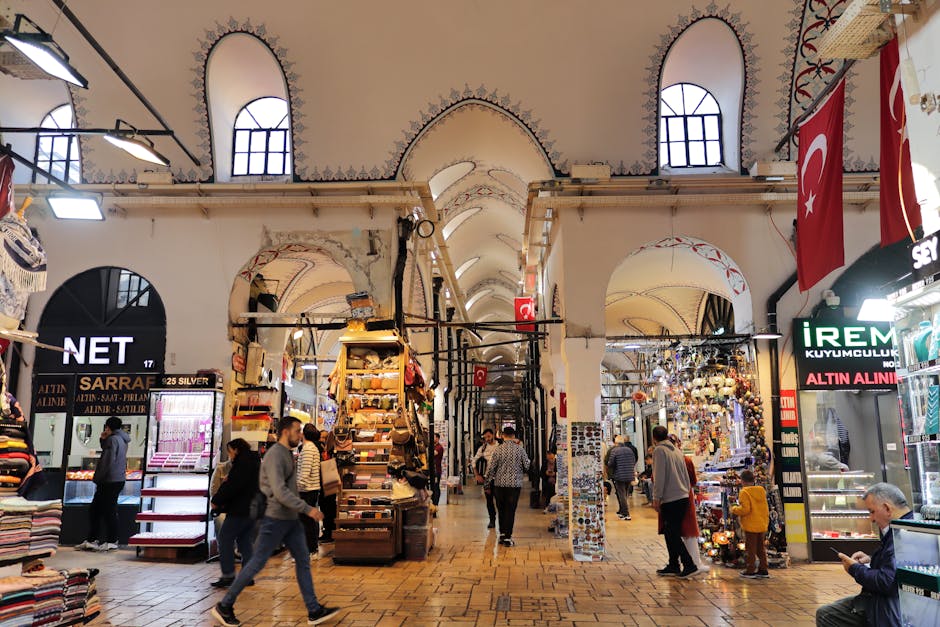
Walk away if the price isn’t right. Many vendors will call you back with a better offer. Don’t feel obligated to buy—there are dozens of similar shops.
Common Scams to Watch For
- Fake antiques: Items labeled “Ottoman-era” are often modern reproductions. Ask for provenance or documentation.
- Overpriced “deals”: Some shops lure tourists with “closing down” sales that run year-round. Verify prices online or at multiple stores.
- Tea traps: Being invited for “free tea” can lead to high-pressure sales. Politely decline if you’re not ready to shop.
Stick to shops with clear pricing, return policies, and physical addresses. Avoid back-alley stalls with no signage or contact information.
Top Shopping Streets and Sections
The bazaar is organized by trade, making it easier to focus your search. Here are the most useful sections for key purchases.
| Street/Alley Name | Main Products | Tips |
|---|---|---|
| Kalpakçılar Caddesi | Jewelry, gold, silver | Compare prices at 3+ shops. Look for hallmarks. |
| Keseciler Sokak | Copperware, lanterns, trays | Check for dents or uneven hammering. Ask about polishing. |
| Kuyumcular Caddesi | Gold, watches, gemstones | Negotiate per gram. Avoid unmarked stones. |
| Çarıkçılar Sokak | Leather shoes, bags | Inspect soles and stitching. Try before you buy. |
| Sandalcılar Sokak | Carpets, rugs, kilims | Ask about material and origin. Unroll fully to check for flaws. |
These streets are centrally located and well-lit, making them safer and more reliable than peripheral alleys. Still, explore side passages for unique finds—just stay aware of your surroundings.
Practical Tips for a Smooth Experience
Preparation makes a big difference. Here’s how to shop smart and stay comfortable.
What to Bring
- Cash in small denominations: Many shops don’t accept cards. Euros and USD are sometimes accepted, but lira is preferred.
- Reusable shopping bag: Reduces plastic use and makes carrying easier.
- Portable charger: Your phone may drain quickly from maps and photos.
- Hand sanitizer and tissues: Public restrooms may lack supplies.
Payment and Receipts
Always ask for a receipt, especially for high-value items. This serves as proof of purchase and may be required for customs when leaving Turkey. For gold and jewelry, request a detailed invoice with weight and purity.
Credit cards are accepted in larger stores, but may incur a 3–5% surcharge. Cash is king for bargaining and smaller vendors.
Shipping and Customs
If buying large items like carpets, ask about international shipping. Many shops offer delivery services, though costs vary. Declare valuable items at customs to avoid issues on departure.
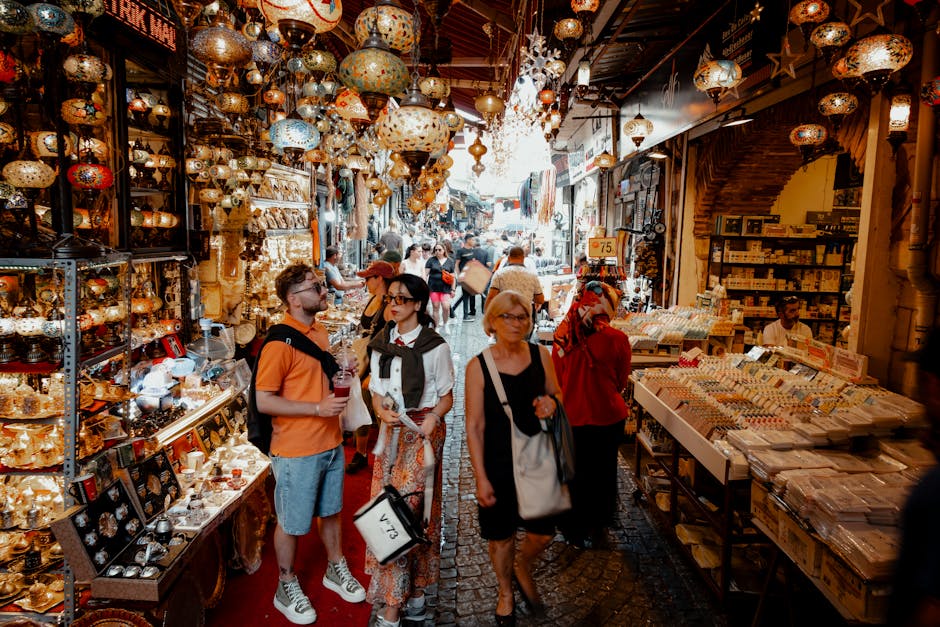
For EU travelers, goods over €430 may be subject to VAT. Keep receipts and check your country’s import rules.
Cultural Etiquette and Respectful Shopping
The Grand Bazaar is a working market, not just a tourist attraction. Show respect to shopkeepers and fellow visitors.
Greet vendors with a polite “Merhaba” (Hello) before asking questions. Avoid touching items without permission, especially delicate fabrics or glassware.
Photography is allowed in most areas, but always ask before taking pictures of people or inside shops. Some artisans consider it disrespectful to photograph their work without consent.
Dress modestly, especially if visiting nearby mosques. Shoulders and knees should be covered.
Nearby Attractions and Combined Visits
Pair your shopping trip with other Istanbul highlights. The Grand Bazaar is within walking distance of several major sites.
Visit the Hagia Sophia and Blue Mosque, both a 10-minute walk away. The Spice Bazaar is just 15 minutes on foot, ideal for a post-shopping snack.
For a break, stop by a traditional Turkish tea house like Cağaloğlu Hamam or Kuruköprü Restaurant. Sip apple tea or strong Turkish coffee while reviewing your purchases.
Final Thoughts: Making the Most of Your Visit
The Grand Bazaar is more than a marketplace—it’s a living piece of history. With over 4,000 shops, it offers unmatched variety, but success depends on preparation and awareness.
Focus on quality, research prices beforehand, and don’t rush. A single well-chosen item—a handwoven rug, a pair of gold earrings, or a ceramic plate—can be a lasting memory of your trip.
Whether you’re a seasoned traveler or a first-time visitor, this Grand Bazaar shopping guide equips you with the knowledge to shop confidently, avoid common traps, and take home something truly special.
FAQ
What are the opening hours of the Grand Bazaar?
The Grand Bazaar is open Monday to Saturday from 8:30 AM to 7:00 PM. It is closed on Sundays and national holidays.
Is bargaining necessary at the Grand Bazaar?
Yes, bargaining is expected and part of the shopping culture. Start at 30–50% of the asking price and negotiate respectfully.
Can I use credit cards in the Grand Bazaar?
Some larger shops accept credit cards, but many smaller vendors only take cash. A surcharge of 3–5% may apply for card payments.

