
Free Things to Do in Tokyo: A Complete Guide to Exploring Japan’s Capital on a Budget
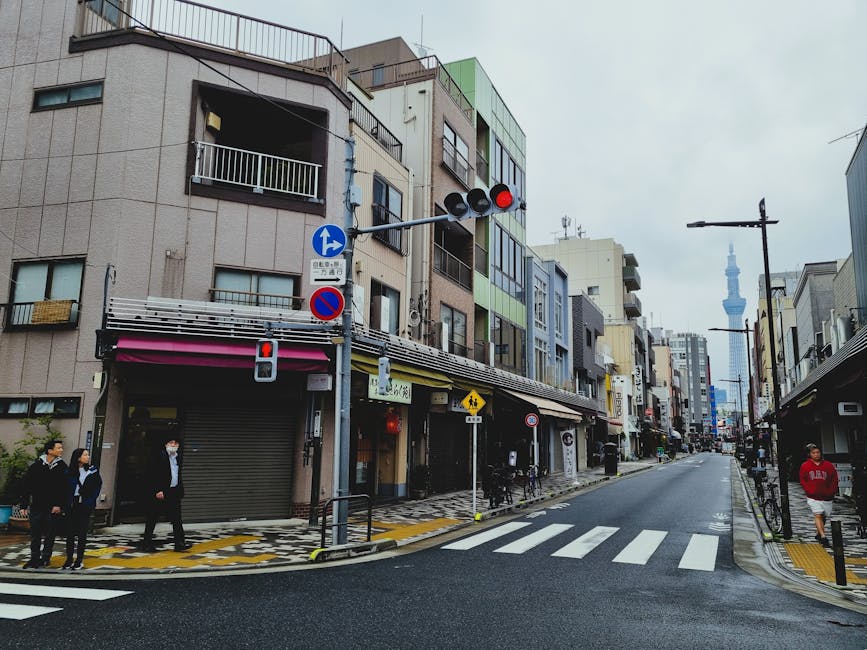
Tokyo can be expensive, but it’s entirely possible to experience the city’s highlights without spending a yen. From serene temples and lush parks to vibrant neighborhoods and cultural landmarks, Tokyo offers countless free attractions for travelers on any budget. This guide covers the best free things to do in Tokyo, including must-see spots, hidden gems, and practical tips to help you explore comfortably and safely.
Why Visit Tokyo Without Spending Money?
Many travelers assume Tokyo is unaffordable, but that’s a misconception. The city is rich in public spaces, cultural sites, and community events that cost nothing to enjoy. Whether you’re backpacking, traveling solo, or managing a tight budget, free experiences allow you to immerse yourself in Tokyo’s energy without financial stress.
Free activities also offer a more authentic glimpse into daily life. You’ll find locals picnicking in parks, students studying under cherry blossoms, and families visiting shrines—scenes that reveal the heart of the city beyond tourist zones.
Top Free Attractions in Central Tokyo
Meiji Shrine and Yoyogi Park
Nestled in Shibuya, Meiji Shrine is a peaceful sanctuary dedicated to Emperor Meiji and Empress Shoken. The towering torii gate marks the entrance to a forested path leading to the main hall. Entry is free, and the serene atmosphere offers a stark contrast to the bustling streets nearby.
Adjacent to the shrine, Yoyogi Park is perfect for a stroll, people-watching, or joining locals for a morning jog. On weekends, you might catch street performers, cosplayers, or traditional music performances—all free to enjoy.
Ueno Park and Its Cultural Institutions
Ueno Park is one of Tokyo’s most beloved green spaces, especially during cherry blossom season. While some museums within the park charge admission, the park itself is free and open year-round. Walk along the central pathway, feed the koi in Shinobazu Pond, or relax by the lotus blooms in summer.
Don’t miss the chance to visit the free exhibits at the Tokyo National Museum’s Honkan (Japanese Gallery) on select days, or simply admire the architecture of the museum buildings from the outside.
Senso-ji Temple in Asakusa
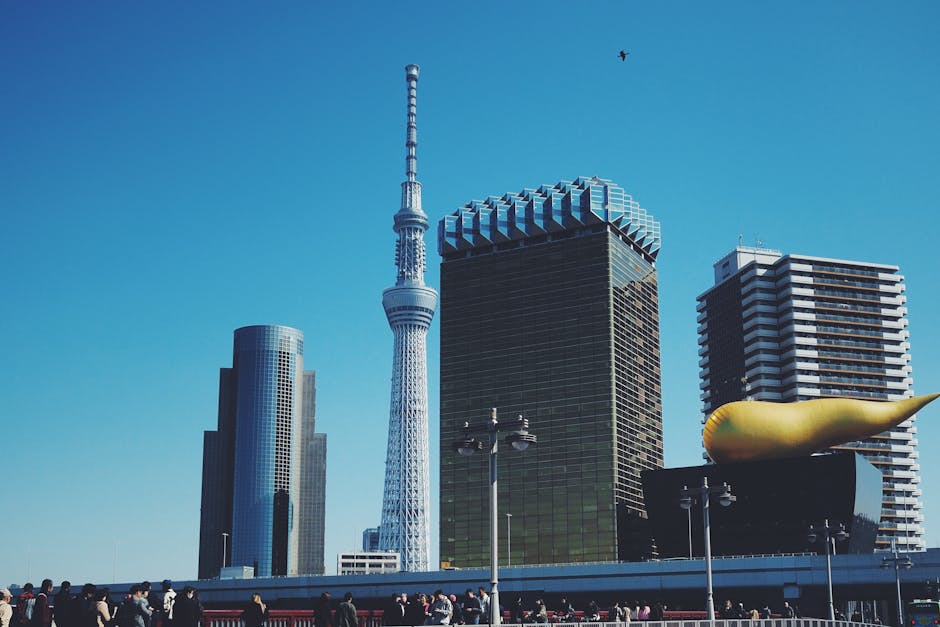
Tokyo’s oldest temple, Senso-ji, is a must-visit and completely free to enter. Start at the iconic Kaminarimon (Thunder Gate), walk down Nakamise-dori—a lively shopping street filled with snacks and souvenirs—and reach the main hall for a moment of quiet reflection.
While donations are welcome, they’re not required. Early mornings offer fewer crowds and a more spiritual ambiance, ideal for photography and quiet contemplation.
Imperial Palace East Gardens
Once the site of Edo Castle, the Imperial Palace East Gardens are open to the public free of charge. The gardens feature traditional Japanese landscaping, stone walls, and seasonal flora. Guided tours of the inner grounds require advance booking and a small fee, but the outer gardens are accessible without reservation.
Visit during spring for cherry blossoms or autumn for vibrant foliage. The Ninomaru Garden, in particular, offers picturesque views and historical significance.
Free Neighborhood Walks and Cultural Experiences
Explore Harajuku’s Takeshita Street and Omotesando
Harajuku is known for its fashion, youth culture, and colorful street art. Walking down Takeshita Street is free and offers a lively atmosphere with crepe stands, quirky shops, and energetic crowds. For a calmer experience, stroll along Omotesando, Tokyo’s tree-lined avenue often compared to Paris’s Champs-Élysées.
Both areas are ideal for people-watching and photography. Visit on a weekday to avoid peak crowds and enjoy a more relaxed pace.
Wander Through Yanaka: Tokyo’s Old Neighborhood
Yanaka retains the charm of old Tokyo with narrow alleys, traditional wooden houses, and small family-run shops. This area survived much of the wartime bombing, preserving its historic character. Walk along Yanaka Ginza, a shopping street with retro vibes, and visit local temples like Nezu Shrine.
The neighborhood is less touristy than Asakusa or Shibuya, offering a genuine glimpse into local life. It’s also a great spot to find affordable snacks and handmade crafts.
Shimokitazawa: Vintage Shops and Street Performers
Known for its indie music scene and vintage fashion, Shimokitazawa is a hip district perfect for a free afternoon. Browse secondhand clothing stores, enjoy live music from street performers, or relax in a small neighborhood park.
The area has a laid-back, bohemian feel. While shopping costs money, simply walking around and soaking in the atmosphere requires no spending.
Free Nature and Scenic Spots
Shinjuku Gyoen National Garden
One of Tokyo’s most beautiful parks, Shinjuku Gyoen offers three distinct garden styles: French formal, English landscape, and Japanese traditional. While entry is usually 500 yen, it’s free on certain national holidays and during special events like cherry blossom viewing.
Even if you visit on a paid day, the park is worth the small fee—but checking the official schedule in advance can save you money. The garden is especially stunning in spring and fall.
Odaiba Seaside Park and Rainbow Bridge Views
Odaiba offers panoramic views of Tokyo Bay and the iconic Rainbow Bridge. The seaside park is free to enter and features wide walkways, open lawns, and photo opportunities with the Statue of Liberty replica and futuristic architecture.
Visit at sunset for breathtaking views as the city lights begin to glow. The area is also home to free public art installations and occasional outdoor performances.
Mount Takao: A Free Nature Escape
Just a 50-minute train ride from central Tokyo, Mount Takao offers hiking trails, a temple, and views of Mount Fuji on clear days. The base area and temple grounds are free to access, and the hiking trails require no permit.
Trail 1 is the most popular and well-maintained, suitable for all fitness levels. Pack a picnic and enjoy it at one of the scenic rest areas along the way.
Free Cultural and Community Events
Festivals and Seasonal Celebrations
Tokyo hosts numerous free festivals throughout the year. Hanami (cherry blossom viewing) in spring, fireworks displays in summer, and autumn foliage festivals are often open to the public. Check local listings or tourism websites for dates and locations.
Events like Sanja Matsuri in Asakusa or Kanda Matsuri offer traditional music, dance, and portable shrines paraded through the streets—all free to watch.
Public Art and Installations
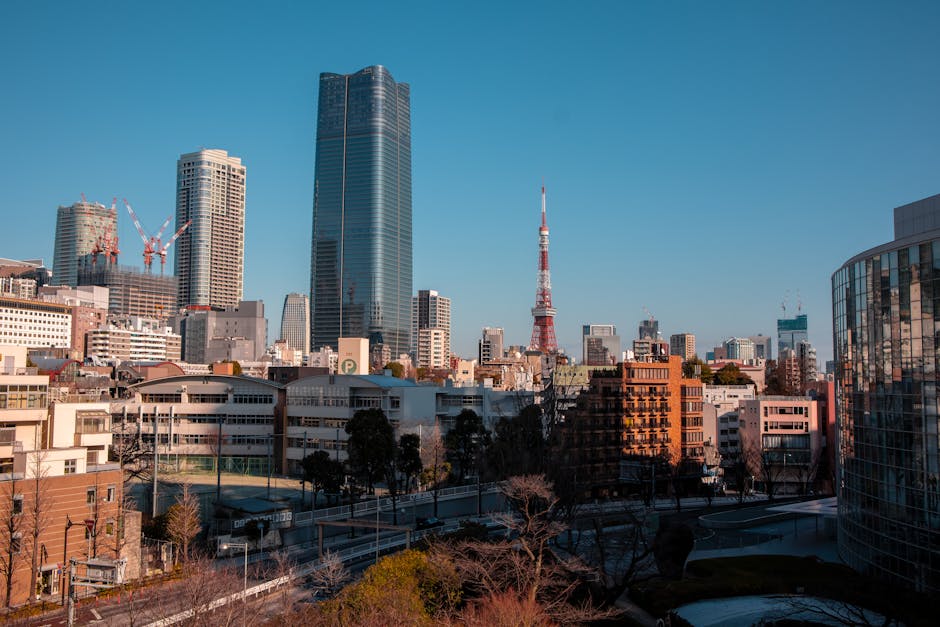
Tokyo is home to countless public art pieces. In Roppongi, the Mori Art Museum often has free outdoor installations. In Shibuya, look for sculptures and digital art displays in public plazas.
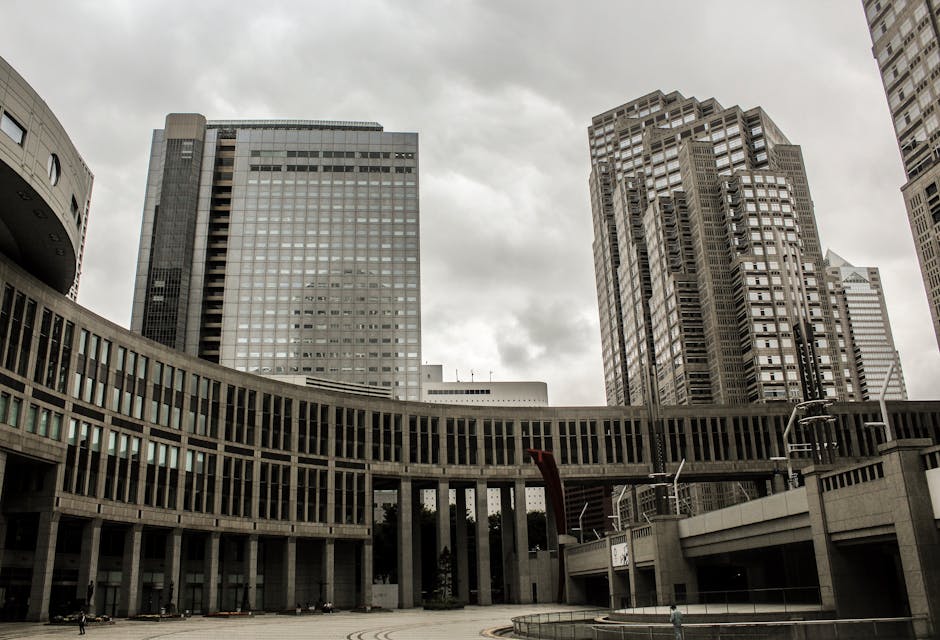
The Tokyo Metropolitan Government Building in Shinjuku offers free observation decks on both the north and south sides, providing 360-degree views of the city skyline—especially impressive at night.
Practical Tips for Enjoying Free Activities
Plan Around Weather and Crowds
Tokyo’s weather can affect outdoor plans. Spring and autumn are ideal for parks and festivals, while summer can be hot and humid. Winter is mild but shorter days mean less time for exploration.
Weekdays are generally less crowded than weekends. Visit popular spots like Meiji Shrine or Senso-ji early in the morning to avoid peak tourist hours.
Use Free Wi-Fi and Maps
Free Wi-Fi is available in many public areas, including train stations, parks, and shopping districts. Download offline maps on your phone before heading out to stay oriented without data costs.
Google Maps and Japan Travel by NAVITIME offer reliable navigation and real-time transit information.
Respect Local Etiquette
When visiting temples and shrines, follow local customs: bow slightly before entering, wash your hands at the purification fountain, and avoid loud conversations.
In parks and public spaces, keep noise levels down, dispose of trash properly, and avoid blocking pathways. Tokyo values order and respect—small gestures go a long way.
Comparison of Popular Free Attractions
| Attraction | Best Time to Visit | Nearest Station | Highlights |
|---|---|---|---|
| Meiji Shrine | Early morning, weekdays | Meiji-jingumae (Harajuku) | Peaceful forest, traditional architecture |
| Ueno Park | Spring (cherry blossoms) | Ueno Station | Green space, cultural landmarks, seasonal beauty |
| Senso-ji Temple | Early morning or late evening | Asakusa Station | Historic temple, Nakamise shopping street |
| Imperial Palace East Gardens | Weekday mornings | Otemachi Station | Castle ruins, seasonal gardens, city views |
| Shinjuku Gyoen | Spring and autumn | Shinjuku-gyoemmae Station | Three garden styles, cherry blossoms |
FAQ: Free Things to Do in Tokyo
Is it really possible to enjoy Tokyo without spending money?
Yes. Tokyo offers many free attractions, including parks, temples, neighborhoods, and public events. With a little planning, you can have a rich and memorable experience without paying for entry fees or tours.
Are there free walking tours in Tokyo?
Some organizations offer free walking tours, though guides often rely on tips. Check platforms like GuruWalk or local tourism offices for scheduled tours. Self-guided walks using free maps are also a great alternative.
What should I avoid when visiting free sites?
Avoid touching sacred objects at temples, littering in parks, or taking photos where prohibited. Also, be mindful of quiet zones and respect personal space, especially in crowded areas.
Final Thoughts
Exploring Tokyo on a budget doesn’t mean missing out—it means discovering the city’s authentic side. From historic shrines to vibrant neighborhoods and natural escapes, free experiences offer depth, beauty, and connection. With this guide, you can navigate Tokyo confidently, enjoyably, and affordably.
Start with the highlights, follow local rhythms, and embrace the unexpected. Tokyo rewards curiosity, and the best adventures often cost nothing at all.

