
Best Things to Do in London for First Time Visitors
If you’re planning your first trip to London, you’re in for a treat. Exploring first time in London reveals important insights. The city blends centuries of history with modern energy, offering iconic landmarks, world-class museums, vibrant neighborhoods, and cultural gems around every corner. This guide highlights the best things to do in London for first time visitors—curated to help you make the most of your time, avoid common pitfalls, and experience the city like a seasoned traveler. From must-see attractions to hidden local favorites, we’ve included practical tips, timing advice, and transport insights to ensure a smooth and memorable visit.
Top Must-See Attractions for First-Time Visitors
London’s most famous sites are popular for good reason. These landmarks offer a compelling mix of history, architecture, and cultural significance that every first-time visitor should experience.
1. Tower of London and Tower Bridge
The Tower of London is more than a castle—it’s a 1,000-year-old fortress that has served as a royal palace, prison, treasury, and home to the Crown Jewels. Allow at least two hours to explore the White Tower, the Jewel House, and the Beefeaters’ guided tours. Arrive early (ideally when it opens at 9 a.m.) to beat the crowds. Right next door, Tower Bridge offers panoramic views from its glass-floored walkways. For a unique photo op, time your visit to see the bridge lift—usually a few times a week, though schedules vary.
2. The British Museum
One of the world’s greatest museums, the British Museum houses over 8 million works, including the Rosetta Stone and the Elgin Marbles. Best of all, general admission is free. To avoid overwhelm, focus on one or two galleries—Ancient Egypt and Greece are crowd favorites. The museum is open daily from 10 a.m. to 5 p.m., with extended hours on Fridays. Download the museum’s app or pick up a free map at the entrance to navigate efficiently.
3. Buckingham Palace and the Changing of the Guard
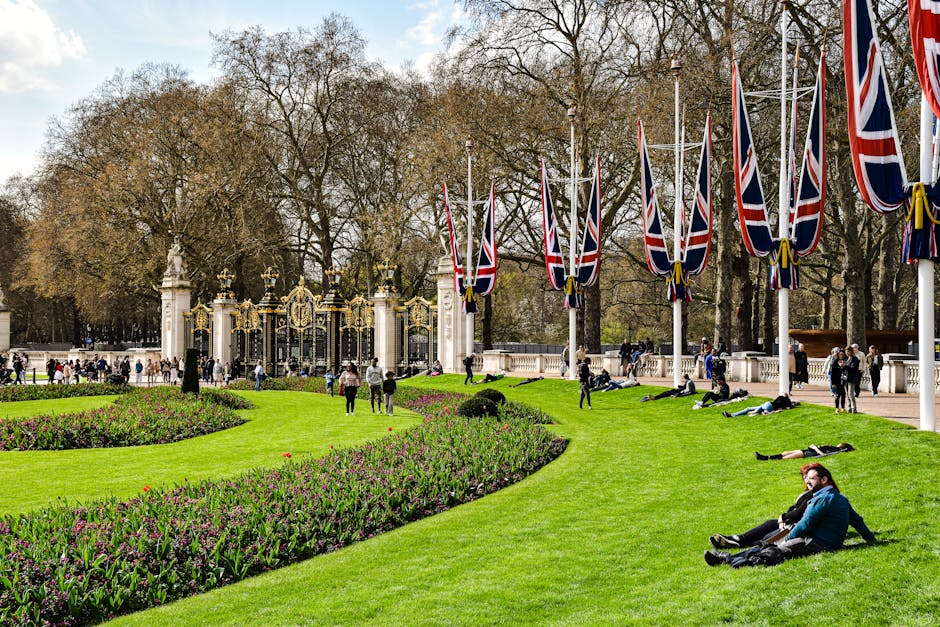
Witnessing the Changing of the Guard is a quintessential London experience. The ceremony occurs at 11 a.m. daily from April to July, and on alternate days the rest of the year, weather permitting. Arrive by 10:15 a.m. to secure a good viewing spot near the palace gates. Note that the ceremony is canceled during heavy rain. While the palace interior is only open to visitors in summer (August and September), the exterior and surrounding St. James’s Park are worth a stroll year-round.
4. The Houses of Parliament and Big Ben
Though the clock tower officially named Elizabeth Tower (commonly called Big Ben) is currently under restoration with limited access, the Gothic Revival architecture of the Palace of Westminster remains a striking sight. Walk along the Thames for the best photo angles, especially at sunset. Guided tours of the interior are available to UK residents and international visitors with advance booking through your embassy or online.
5. The London Eye
This 135-meter-tall observation wheel offers 360-degree views across the city. For the best experience, book a fast-track ticket online to skip the lines, especially during peak season. Sunset rides provide stunning lighting, but midweek mornings are often less crowded. Each capsule holds up to 25 people and completes a full rotation in 30 minutes. Combine your visit with a walk along the South Bank, where street performers, food stalls, and riverside cafes create a lively atmosphere.
Explore London’s Iconic Neighborhoods
London is a city of distinct districts, each with its own character. Wandering through these neighborhoods gives first-time visitors a deeper sense of the city’s rhythm and diversity.
Westminster: Heart of Royal and Political London
Home to Buckingham Palace, Westminster Abbey, and the Houses of Parliament, this area is a must for history buffs. Start at Westminster Abbey, where coronations and royal weddings have taken place since 1066. Book timed-entry tickets in advance to avoid queues. Afterward, walk across Westminster Bridge for a classic view of the London Eye and Big Ben. The area is well-served by the Tube (Westminster and St. James’s Park stations), but it’s also highly walkable.
Covent Garden: Culture, Shopping, and Street Performance
Once a fruit and vegetable market, Covent Garden now blends boutique shops, theaters, and open-air entertainment. The central piazza regularly hosts jugglers, musicians, and living statues—free to watch, but tip if you enjoy the performance. Don’t miss the London Transport Museum, which offers interactive exhibits on the city’s transit history. For dining, try Dishoom for modern Indian cuisine or Flat Iron for affordable steak. The area is lively day and night, but can get crowded on weekends.
Camden: Alternative Vibes and Global Eats
Known for its punk roots and eclectic markets, Camden is perfect for travelers seeking something offbeat. Camden Market spans multiple venues, including Stables Market (antiques and vintage) and Camden Lock Market (food and crafts). Try a vegan pie at The Camden Eye or sample global street food at the indoor market. The area is easily accessible via Camden Town Tube station, but be prepared for narrow, busy walkways—especially on Saturdays.
Notting Hill: Colorful Streets and Weekend Markets
Famous for its pastel-colored townhouses and the annual Notting Hill Carnival, this neighborhood offers a relaxed, village-like feel. Portobello Road Market runs every Saturday, featuring antiques, vintage clothing, and fresh produce. Visit early (before 11 a.m.) for the best selection. The area is also home to independent bookshops, cozy cafes, and the iconic Travel Bookshop, which inspired the film of the same name.
Museums and Galleries (Mostly Free)
London’s cultural institutions are among the best in the world—and many are free to enter. These are ideal for rainy days or when you need a break from outdoor sightseeing.
Natural History Museum and Science Museum
Located in South Kensington, these two museums are housed in stunning Victorian buildings and are perfect for families and curious minds. The Natural History Museum features dinosaur skeletons, a life-sized blue whale model, and interactive geology exhibits. The Science Museum offers flight simulators, space exploration displays, and a hands-on Wonderlab gallery (additional fee applies). Both are open daily from 10 a.m. to 6 p.m. and are free to enter. Combine your visit with the nearby Victoria and Albert Museum (V&A), which focuses on art and design.
Tate Modern
Housed in a former power station on the South Bank, Tate Modern showcases contemporary and modern art from artists like Picasso, Warhol, and Hockney. The Turbine Hall hosts large-scale installations that change annually. Admission is free, except for special exhibitions. The viewing level on the 10th floor offers excellent views of St. Paul’s Cathedral and the Thames. The museum is open until 10 p.m. on Fridays and Saturdays—ideal for an evening cultural stop.
National Gallery
Located in Trafalgar Square, the National Gallery holds one of the world’s finest collections of Western European paintings, from Van Gogh’s Sunflowers to Turner’s seascapes. The museum is free and open daily from 10 a.m. to 6 p.m. (until 9 p.m. on Fridays). Audio guides are available in multiple languages. For a quieter experience, visit on weekday mornings or late Friday evenings.
Outdoor Spaces and Parks
London is surprisingly green, with over 3,000 parks and open spaces. These are perfect for relaxing, people-watching, or enjoying a picnic.
Hyde Park and Kensington Gardens
These adjacent parks form one of London’s largest green spaces. Exploring first time in London reveals important insights. Hyde Park features the Serpentine Lake, where you can rent a rowboat, and Speaker’s Corner, a historic site for free speech. Kensington Gardens is home to the Albert Memorial and the Peter Pan statue. Both parks are ideal for a morning jog, a leisurely walk, or a break from city bustle. The Diana, Princess of Wales Memorial Fountain is located here and is a peaceful spot for reflection.
Regent’s Park and Primrose Hill
Regent’s Park offers boating lakes, rose gardens, and London Zoo. For one of the best panoramic views of the city skyline, walk up to Primrose Hill—a short climb that rewards you with a 360-degree vista, especially beautiful at sunrise or sunset. The hill is free to access and rarely crowded early in the morning.
Greenwich Park and the Royal Observatory
Take the DLR or a Thames Clipper riverboat to Greenwich, a UNESCO World Heritage Site. Greenwich Park offers sweeping views of Canary Wharf and the City. Visit the Royal Observatory to stand on the Prime Meridian (longitude 0°) and explore astronomy exhibits. The park is also home to the National Maritime Museum and the Cutty Sark, a preserved 19th-century tea clipper.
Day Trips and Nearby Excursions
If you have an extra day, consider a short trip beyond central London. These destinations are easily reachable by train or guided tour.
Windsor Castle
The oldest and largest occupied castle in the world, Windsor Castle is a 30-minute train ride from London Paddington or Waterloo. It’s the Queen’s weekend residence and features State Apartments, St. George’s Chapel (where Prince Harry married Meghan Markle), and the Semi-State Rooms. Allow half a day for the visit. Trains run frequently, but book return tickets in advance for better rates.
Oxford or Cambridge
Both university towns are popular day-trip destinations. Oxford is about an hour by train from London Paddington, while Cambridge is 50 minutes from King’s Cross. Oxford’s Bodleian Library and Radcliffe Camera are architectural highlights, while Cambridge offers punting on the River Cam and King’s College Chapel. Guided tours are available, but independent exploration works well too.
Food and Drink: What to Try
London’s food scene is incredibly diverse. While traditional pub fare is a staple, the city also excels in international cuisine.
Classic British Dishes
Try fish and chips at a reputable pub or takeaway—avoid tourist traps near major stations. Other must-tries include a full English breakfast (eggs, bacon, beans, toast, and more), Sunday roast with Yorkshire pudding, and afternoon tea. For a high-quality but affordable tea experience, consider The Wolseley or Sketch (book well in advance).
International Flavors
London is a global food hub. Sample authentic Indian cuisine in Brick Lane (try Tayyabs for grilled meats), Turkish kebabs in Dalston, or Vietnamese pho in Soho. Borough Market, open Wednesday to Sunday, offers artisanal cheeses, fresh seafood, and street food from around the world. Arrive hungry and come before 2 p.m. for the best selection.
Pubs and Rooftop Bars
A visit to London isn’t complete without a pint in a traditional pub. Look for historic venues like The George Inn (dating to 1676) or The Lamb & Flag in Covent Garden. For a modern twist, head to a rooftop bar such as Frank’s Café in Peckham (seasonal) or Radio Rooftop at the ME London hotel for skyline views.
Getting Around: Transport Tips
London’s public transport system is extensive and efficient. Here’s how to navigate it like a local.
Oyster Card or Contactless Payment
The easiest way to pay for buses, Tube, DLR, and most rail services is with an Oyster card or a contactless debit/credit card. Both offer daily fare caps, so you’ll never pay more than the cost of a day pass. Avoid buying paper tickets, which are more expensive. Download the TfL (Transport for London) app for real-time updates and journey planning.
Walking and Cycling
Many central attractions are within walking distance of each other. Walking is often faster than the Tube for short trips and allows you to discover hidden alleys and street art. For longer distances, consider Santander Cycles—London’s bike-sharing scheme. Bikes can be rented from docking stations across the city with a credit card.
Avoiding Rush Hour
The Tube is busiest between 8–9:30 a.m. and 5:30–7 p.m. on weekdays. If possible, travel outside these times for a more comfortable journey. Some lines, like the Northern and Central, are particularly crowded—consider alternative routes or walking.
Practical Tips for First-Time Visitors
A few key strategies can make your trip smoother and more enjoyable.
- Book in advance: Popular attractions like the London Eye, Tower of London, and Buckingham Palace tours often sell out. Reserve online to secure your spot.
- Dress in layers: London weather is unpredictable. Even in summer, bring a light jacket or umbrella.
- Stay aware of pickpockets: Busy areas like Oxford Circus, Leicester Square, and markets attract thieves. Keep your bag closed and valuables secure.
- Use free Wi-Fi wisely: Many cafes, museums, and Transport for London stations offer free Wi-Fi. Avoid accessing sensitive information on public networks.
- Respect local customs: Stand on the right side of escalators, queue patiently, and say “please” and “thank you”—small gestures go a long way.
Sample Itinerary: 3 Days in London
For first-time visitors with limited time, this balanced itinerary covers major sights, neighborhoods, and experiences.
| Day | Morning | Afternoon | Evening |
|---|---|---|---|
| Day 1 | Tower of London and Tower Bridge | Walk along South Bank to London Eye | Sunset ride on London Eye, dinner in South Bank |
| Day 2 | British Museum | Covent Garden and National Gallery | West End show or dinner in Soho |
| Day 3 | Buckingham Palace (Changing of the Guard) | Hyde Park and Kensington Gardens | Rooftop bar or Thames river cruise |
Final Thoughts on the Best Things to Do in London for First Time Visitors
London rewards curiosity and careful planning. While it’s impossible to see everything in one trip, focusing on a mix of iconic landmarks, cultural institutions, and local neighborhoods ensures a well-rounded experience. Prioritize advance bookings, use public transport efficiently, and allow time to wander—some of the best discoveries happen off the beaten path. Whether you’re marveling at royal history, savoring global cuisine, or simply people-watching in a sunlit park, London offers something for every first-time visitor.
FAQ
What is the best time of year to visit London?
Late spring (May to June) and early autumn (September) offer mild weather, fewer crowds, and blooming parks. Summer

