
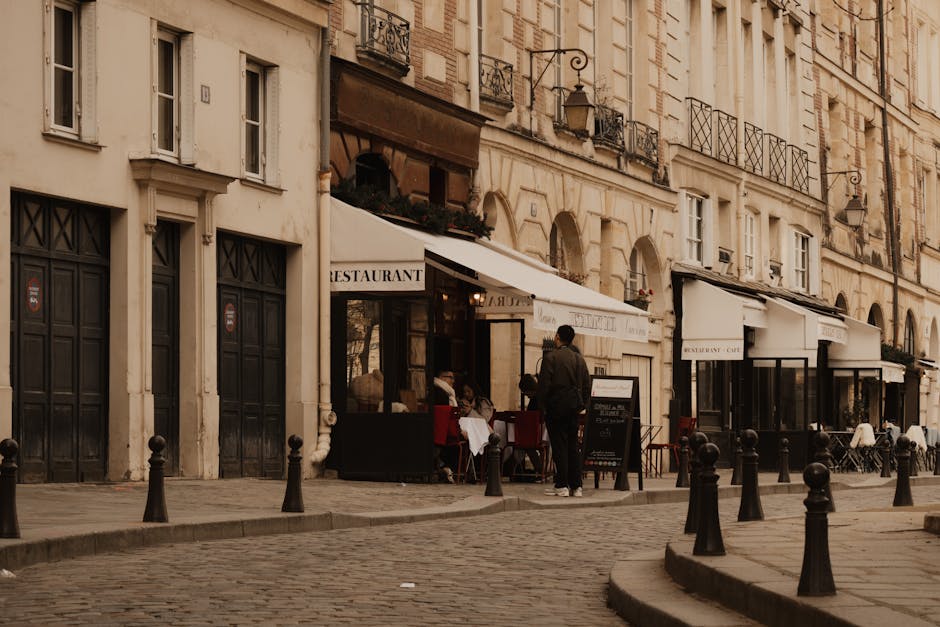
Best Cafes in Paris You Must Visit Travel Guide
Best Cafes in Paris You Must Visit Travel Guide
Paris is synonymous with café culture, where sipping an espresso at a sidewalk table feels like stepping into a living postcard. For travelers seeking the best cafes in Paris, the city offers a blend of historic charm, modern innovation, and unmistakable Parisian flair. Whether you’re after a quiet corner to read, a bustling spot for people-watching, or a pastry paired with expertly brewed coffee, this guide highlights the top cafes you must visit. From legendary establishments that have hosted artists and writers for over a century to contemporary roasteries redefining French coffee, these cafes deliver authentic experiences rooted in tradition and quality.
Why Café Culture Defines Paris
To understand Paris is to understand its cafes. These spaces are more than places to drink coffee—they are social hubs, cultural landmarks, and daily rituals for locals and visitors alike. The tradition dates back to the 17th century, when the first coffeehouses opened near the Saint-Germain district, quickly becoming centers of intellectual exchange. Today, that legacy continues in cafes where philosophers once debated and writers once scribbled novels.
What sets Parisian cafes apart is their balance of atmosphere and authenticity. Unlike chain coffee shops, most Paris cafes prioritize ambiance, service, and the art of slowing down. You’ll find marble-topped tables, zinc counters, and waiters in crisp aprons who remember your order. The coffee may not always be the strongest, but the experience is consistently Parisian.
Top Historic Cafes with Timeless Appeal
For a taste of old-world Paris, these historic cafes have stood the test of time—and remain essential stops on any coffee tour.
Café de Flore
Located in the heart of Saint-Germain-des-Prés, Café de Flore has been a beacon of intellectual life since the 1930s. Sartre, de Beauvoir, and Camus were regulars, and the red banquettes and art deco interiors still echo with that legacy. While prices are higher than average, the experience is unmatched for history buffs and literature lovers. Order a café crème and a croissant, and settle in for some of the best people-watching in the city.
Les Deux Magots
Just a short walk from Café de Flore, Les Deux Magots shares a similar pedigree. Founded in 1885 as a silk shop, it transformed into a café and became a literary haven. It’s known for its ornate interior, outdoor terrace, and seasonal menu. The café also hosts a prestigious literary prize, the Prix des Deux Magots, awarded annually to emerging French writers.
Le Procope
Dating back to 1686, Le Procope is one of the oldest cafes in Paris. It once served Voltaire, Rousseau, and Benjamin Franklin, and its vaulted ceilings and antique mirrors preserve the ambiance of 18th-century Paris. While it leans more toward a restaurant than a casual coffee stop, the café menu offers excellent espresso and hot chocolate in a setting that feels like a museum.
Modern Coffee Shops Redefining Parisian Taste
In recent years, a new wave of specialty coffee shops has emerged, bringing third-wave coffee culture to Paris. These cafes focus on single-origin beans, precise brewing methods, and minimalist design—appealing to younger locals and discerning travelers.
Boot Café
Housed in a converted laundromat in the Marais, Boot Café is a favorite among coffee purists. The space is small but stylish, with a focus on pour-over and AeroPress brewing. They source beans directly from small farms and roast in-house. Try the Ethiopian Yirgacheffe for a bright, floral cup that contrasts with traditional French roasts.
Fragile
With locations in the 1st and 11th arrondissements, Fragile combines Scandinavian minimalism with French café culture. The open kitchen, natural light, and neutral tones create a calm environment perfect for remote work or quiet conversation. Their pastries—especially the cardamom buns—are baked fresh daily and pair beautifully with their single-origin coffees.
Trois Fois Plus de Piment
This unassuming spot in the 10th arrondissement is a hidden gem for serious coffee drinkers. The name translates to “Three Times More Spice,” a nod to their bold flavor profiles. They offer rotating seasonal beans and host regular cupping sessions. The staff is knowledgeable and happy to guide you through tasting notes, making it ideal for first-time specialty coffee visitors.
Hidden Gems Off the Beaten Path
While famous cafes draw crowds, some of the most memorable experiences come from quieter, lesser-known spots. These cafes offer authenticity without the tourist markup.
Café Lomi
Tucked away in the 18th arrondissement, Café Lomi is a roastery and café that feels like a local secret. The industrial-chic space features exposed brick and a glass-walled roasting room where you can watch beans being roasted throughout the day. Their espresso is rich and balanced, and the weekend brunch menu includes excellent avocado toast and house-made granola.
Ten Belles
Located near Canal Saint-Martin, Ten Belles is a favorite among Parisians for its relaxed vibe and excellent coffee. The space is spacious, with large windows and a mix of communal and individual tables. They serve a rotating selection of beans from European roasters and offer a simple but delicious food menu featuring seasonal ingredients.
Café Oberkampf
This neighborhood café in the 11th arrondissement blends vintage charm with modern comfort. The mismatched furniture, record player, and friendly staff create a cozy atmosphere. They serve strong espresso and a small selection of natural wines in the evening, making it a great spot for an afternoon coffee that transitions into aperitif hour.
What to Order at a Paris Café
Knowing what to order ensures you get the most out of your café experience. While Parisians may not drink coffee the same way as Americans or Australians, there are a few staples that deliver quality and authenticity.
- Café crème: A classic French coffee made with steamed milk and espresso. It’s milder than a latte and perfect for sipping slowly.
- Un expresso: A straight shot of espresso, typically served in a small cup. It’s strong but not overpowering, and often enjoyed with a glass of water.
- Chocolat chaud: French hot chocolate, rich and thick, often served with a side of whipped cream. Ideal for colder days or after a long walk.
- Un croissant ou pain au chocolat: Freshly baked pastries are a must. Look for golden, flaky layers and avoid anything pre-packaged.
Avoid ordering “large coffee” or “iced latte” at traditional cafes—these are rarely available and may draw confused looks. If you prefer cold drinks, modern specialty cafes are more likely to offer iced options.
Tips for Visiting Cafes in Paris
A few practical tips can help you navigate the Paris café scene with confidence:
- Seat yourself: At most cafes, you can choose your own table, especially if sitting outside. Waitstaff will come to you.
- Pay at the end: It’s customary to order first and pay when you’re ready to leave. Don’t expect a bill until you ask for it.
- Tip appropriately: Rounding up the bill or leaving €1–2 is sufficient for good service. Tipping 10–15% is not expected.
- Speak a little French: Even a simple “Bonjour” when entering and “Merci” when leaving goes a long way.
- Avoid peak hours: Lunch (12–2 PM) and after-work (5–7 PM) are busiest. Visit mid-morning or mid-afternoon for a quieter experience.
Comparing Classic vs. Modern Paris Cafes
Choosing between a historic café and a modern coffee shop depends on your priorities. The table below highlights key differences to help you decide.
| Feature | Historic Cafes (e.g., Café de Flore) | Modern Cafes (e.g., Boot Café) |
|---|---|---|
| Atmosphere | Classic, ornate, literary ambiance | Minimalist, industrial, relaxed |
| Coffee Quality | Good, traditional roasts | Excellent, single-origin, specialty |
| Price | Higher (€5–8 for coffee) | Moderate (€3–5 for coffee) |
| Location | Central, tourist-heavy areas | Neighborhoods, less crowded |
| Best For | History, ambiance, people-watching | Quality coffee, work, local vibe |
Seasonal and Themed Café Experiences
Paris cafes often adapt to the seasons, offering limited-time menus and special events. In winter, many serve mulled wine and spiced hot chocolate, while summer brings outdoor terraces and chilled coffee drinks. Some cafes also host art exhibitions, live music, or poetry readings.
During the holiday season, cafes like Angelina and La Maison Rose transform with festive decorations and special menus. Angelina’s famous Mont-Blanc pastry is a winter staple, while La Maison Rose in Montmartre offers a charming garden setting year-round.
For a unique experience, consider visiting during La Fête du Café, an annual celebration in September where cafes across the city offer tastings, workshops, and discounts. It’s a great way to sample different roasts and meet local baristas.
Common Mistakes to Avoid
Even seasoned travelers can make missteps in Parisian cafes. Avoid these common pitfalls:
- Expecting fast service: Cafes are for lingering, not rushing. If you’re in a hurry, order to go—but note that takeaway is less common in traditional spots.
- Ignoring the menu board: Daily specials and seasonal items are often listed on chalkboards. Check them before ordering.
- Sitting indoors when you want a view: Outdoor seating offers the best people-watching, but it’s also more expensive. The price difference is usually €1–2.
- Not trying local pastries: Skip the familiar and opt for a pain au chocolat or chausson aux pommes (apple turnover).
How to Find the Best Cafes in Paris
While this guide highlights top picks, discovering your own favorite café is part of the adventure. Use these strategies:
- Explore neighborhoods: Wander through districts like Le Marais, Montmartre, and Saint-Germain with no fixed destination. Look for cafes with locals inside.
- Check opening hours: Many cafes close between 2–4 PM or on Mondays. Plan accordingly.
- Use local apps: Apps like The Fork or Google Maps show real-time reviews and photos from recent visitors.
- Ask for recommendations: Hotel staff, tour guides, or fellow travelers often know hidden gems.
Final Thoughts on the Best Cafes in Paris
The best cafes in Paris offer more than great coffee—they provide a window into the city’s soul. Whether you’re seated at a zinc counter in a 300-year-old café or sipping a pour-over in a minimalist roastery, each visit is a chance to slow down and savor the moment. Paris rewards those who take the time to sit, observe, and enjoy. Use this guide as a starting point, but leave room for spontaneity. The perfect café might be just around the corner, waiting to become your new favorite spot.
FAQ
Q: What is the average price of coffee in Paris cafes?
A: A standard espresso costs between €2.50 and €4. Café crème or specialty drinks range from €4 to €7, depending on the location and type of café.
Q: Do I need to speak French to order at a Paris café?
A: While many staff speak basic English, learning a few French phrases like “Bonjour,” “Un café, s’il vous plaît,” and “L’addition, merci” shows respect and improves your experience.
Q: Are Paris cafes suitable for remote work?
A: Modern cafes like Fragile and Ten Belles are more accommodating, with Wi-Fi and ample seating. Historic cafes are less ideal due to limited outlets and shorter stay expectations.

