
Camping Travel Checklist Complete Guide
”
Camping Travel Checklist Complete Guide
Planning a camping trip can be exciting, but forgetting key items can quickly turn adventure into frustration. A camping travel checklist complete guide ensures you pack everything needed for safety, comfort, and enjoyment. Whether you’re heading into the mountains, forests, or deserts, this guide covers essential gear, clothing, food, and safety items—organized by category—so you don’t overlook anything critical. With a clear plan and the right supplies, your outdoor experience will be smooth, safe, and memorable.
Why a Camping Travel Checklist Matters
Every camper, from first-timers to seasoned backpackers, benefits from a reliable checklist. It prevents last-minute panic, reduces the risk of forgetting essentials, and helps you pack efficiently. Without a plan, it’s easy to overpack unnecessary items or miss crucial ones like a first-aid kit or fire starter. A well-structured camping travel checklist complete guide acts as your roadmap to preparedness, especially when traveling to remote areas with limited access to supplies.
Consider this: a missing tent stake or broken flashlight can mean the difference between a cozy night under the stars and a sleepless, exposed one. Checklists also help families and groups coordinate packing responsibilities, ensuring no one assumes someone else brought the water filter or cooking pot.
Essential Gear for Every Camper
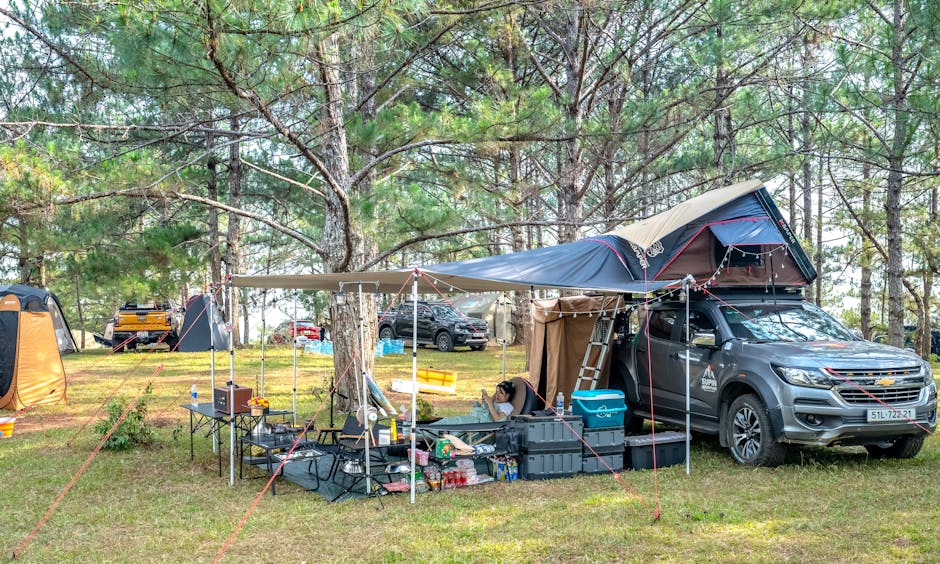
Your base camp setup starts with shelter and sleep systems. These are non-negotiable for safety and comfort.
- Tent: Choose one appropriate for the season and group size. A 3-season tent works for most temperate climates, while winter camping requires a 4-season model.
- Sleeping Bag: Match the temperature rating to your destination. A 20°F (-6°C) bag is ideal for cold nights; a 50°F (10°C) bag suffices for summer.
- Sleeping Pad or Air Mattress: Provides insulation from the ground and improves comfort. Foam pads are durable; inflatable ones offer better cushioning.
- Tarp or Footprint: Place under your tent to prevent moisture and abrasion.
- Stakes and Mallet: Use sturdy stakes for windy conditions. Bring extras in case some get lost.
Cooking and Food Preparation
Eating well in the wilderness doesn’t require gourmet gear, but having the right tools makes a big difference.
- Portable Stove: A compact backpacking stove or camp grill. Propane, butane, or liquid fuel options depend on trip length and altitude.
- Fuel: Bring 20–30% extra fuel than estimated. Cold weather increases consumption.
- Cookware: Lightweight pot, pan, and utensils. Nesting sets save space.
- Cooler: For perishables. Use block ice or frozen gel packs for longer retention.
- Water Containers: Collapsible jugs or hard-sided bottles. Aim for 1 gallon (3.8L) per person per day.
- Water Filter or Purification Tablets: Essential if sourcing water from streams or lakes.
- Eating Utensils: Reusable spork, knife, plate, and cup. Avoid disposable items to reduce waste.
Lighting and Power
Darkness falls quickly in the wild. Reliable lighting is critical for safety and convenience.
- Headlamp: Hands-free lighting for cooking, hiking, or emergencies. Red light mode preserves night vision.
- Lantern: Battery-powered or solar for ambient campsite light.
- Flashlight: Backup to the headlamp. LED models are energy-efficient.
- Batteries or Power Bank: Bring extras. Cold weather drains batteries faster.
- Solar Charger: Useful for multi-day trips without access to electricity.
Safety and Emergency Supplies
Preparation can prevent minor issues from becoming serious problems.
- First-Aid Kit: Include bandages, antiseptic wipes, pain relievers, tweezers, medical tape, and any personal medications.
- Multi-Tool or Knife: For repairs, food prep, and emergencies.
- Fire Starter: Waterproof matches, lighter, or ferro rod. Practice using it before your trip.
- Emergency Shelter: Lightweight bivy sack or space blanket in case of unexpected weather.
- Whistle: For signaling if lost or in danger. Three short blasts are the universal distress signal.
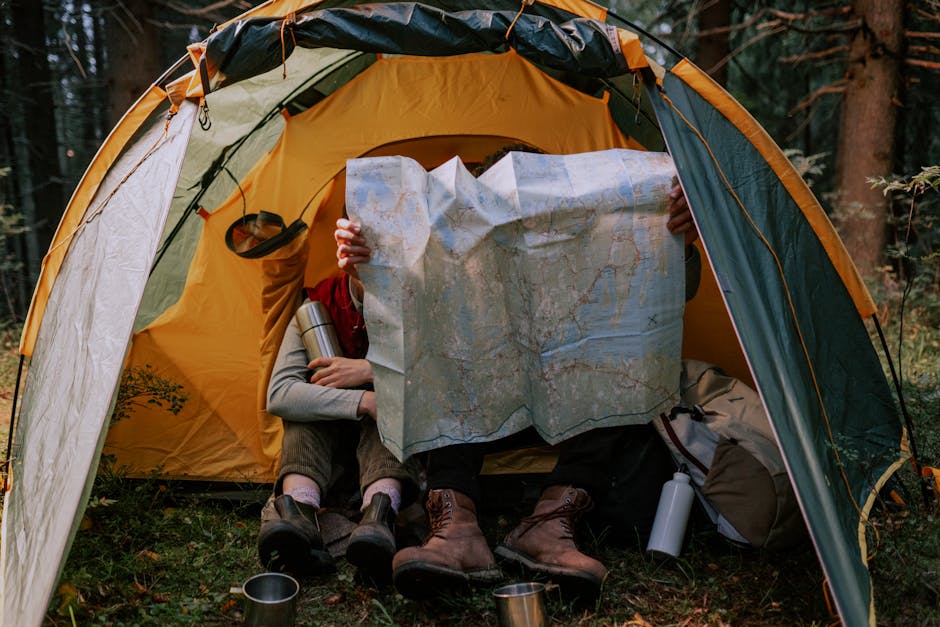
- Map and Compass: Even if you use GPS, always carry a physical map and know how to use it.
- Weather Radio: NOAA weather radio for storm alerts in remote areas.
Clothing and Personal Items
Layering is key to staying comfortable in changing conditions. Avoid cotton—it retains moisture and increases hypothermia risk.
- Base Layers: Moisture-wicking synthetic or merino wool tops and bottoms.
- Insulating Layers: Fleece or down jacket for warmth.
- Outer Layer: Waterproof and breathable rain jacket and pants.
- Hiking Pants/Shorts: Quick-dry fabric. Convertible pants offer versatility.
- Hat and Gloves: Sun hat for daytime; beanie and insulated gloves for cold nights.
- Socks: Bring 2–3 pairs of wool or synthetic hiking socks. Avoid cotton.
- Footwear: Sturdy hiking boots for trails; camp shoes (sandals or sneakers) for relaxing at camp.
- Sleepwear: Lightweight, dry clothes worn only to bed to keep sleeping bag clean.
Personal Hygiene and Sanitation
Maintaining cleanliness prevents illness and respects Leave No Trace principles.
- Biodegradable Soap: For washing dishes and hands. Use at least 200 feet from water sources.
- Toothbrush and Toothpaste: Compact travel versions. Spit, don’t rinse, to minimize environmental impact.
- Hand Sanitizer: Alcohol-based, at least 60% alcohol.
- Toilet Paper and Trowel: For digging catholes 6–8 inches deep. Pack out used TP in a ziplock bag if required.
- Menstrual Products: Pack out all waste. Consider reusable options like menstrual cups.
- Wet Wipes: For quick cleaning. Choose biodegradable and pack out if in sensitive areas.
- Trash Bags: Pack out all trash, including food scraps and wrappers.
Navigation and Communication
Staying found and connected is vital, especially in unfamiliar terrain.
- GPS Device: Handheld units with preloaded maps. Some have SOS features.
- Smartphone with Offline Maps: Download maps via apps like Gaia GPS or Maps.me before departure.
- Satellite Messenger: Devices like Garmin inReach allow texting and emergency signaling when out of cell range.
- Paper Map and Compass: Always carry as backup. Know basic orienteering skills.
- Whistle and Signal Mirror: For emergency signaling.
Food and Meal Planning
Efficient meal planning saves weight, space, and time.
- Breakfast: Instant oatmeal, granola bars, or dehydrated meals.
- Lunch: Wraps, trail mix, jerky, or cold cuts (if using a cooler).
- Dinner: Dehydrated backpacking meals, pasta, or foil packet dinners cooked over a fire.
- Snacks: High-calorie options like nuts, chocolate, energy bars, and dried fruit.
- Coffee/Tea: Instant packets or portable French press.
- Spices and Condiments: Small containers of salt, pepper, hot sauce, or olive oil.
Pre-portion meals into ziplock bags to reduce packaging and save time. Label each bag with contents and day.
Packing and Organization Tips
How you pack affects accessibility and weight distribution.
- Use Packing Cubes or Dry Bags: Organize gear by category—clothes, cooking, hygiene.
- Pack Heavy Items Close to Your Back: Improves balance in a backpack.
- Keep Essentials Accessible: Rain jacket, snacks, and first-aid kit should be easy to reach.
- Waterproof Critical Items: Use dry bags or ziplock bags for electronics, sleeping bags, and clothes.
- Test Your Pack Weight: Aim for no more than 20–25% of your body weight for multi-day hikes.
Campsite Selection and Setup
Choosing the right spot and setting up properly enhances safety and comfort.
- Follow Leave No Trace Principles: Camp on durable surfaces, minimize campfire impact, and pack out all trash.
- Avoid Flood Zones: Don’t set up in dry riverbeds or low-lying areas.
- Check for Hazards: Look for dead branches (widowmakers), insect nests, or animal trails.
- Face Your Tent Door Away from Wind: Improves ventilation and reduces drafts.
- Use Natural Windbreaks: Trees or rocks can shield your site.
- Hang Food Properly: Use a bear bag or bear canister 100+ yards from camp in bear country.
Season-Specific Considerations
Your checklist should adapt to the season and climate.
Summer Camping
- Focus on sun protection: sunscreen, sunglasses, wide-brim hat.
- Bring extra water and electrolyte tablets to prevent dehydration.
- Use insect repellent and consider a bug net for your tent.
- Lightweight, breathable clothing is essential.
Winter Camping
- Insulated sleeping pad with high R-value (5+).
- Four-season tent and cold-weather sleeping bag.
- Hand and foot warmers.
- Avalanche safety gear (beacon, probe, shovel) if in snow-prone areas.
- Stove that performs well in cold temperatures (liquid fuel preferred).
Spring and Fall Camping
- Unpredictable weather: pack layers and rain gear.
- Check for seasonal closures or fire restrictions.
- Muddy conditions: gaiters and waterproof boots help.
Compact Gear Comparison Table
| Item | Average Weight | Primary Use | Best For |
|---|---|---|---|
| Sleeping Bag (20°F) | 2.5–3.5 lbs | Warmth during sleep | Cold-weather camping |
| Backpacking Stove | 10–16 oz | Cooking meals | Backpacking, minimal setup |
| Headlamp | 3–6 oz | Hands-free lighting | Nighttime tasks, emergencies |
| Water Filter | 6–12 oz | Safe drinking water | Multi-day hikes, remote areas |
| Tent (2-person) | 3.5–5 lbs | Shelter and privacy | Car camping, weekend trips |
Final Pre-Trip Checklist
Before you leave, run through this quick review:
- Check weather forecast and trail conditions.
- Test all gear: stove, tent, flashlight.
- Charge devices and pack power banks.
- Notify someone of your itinerary and return date.
- Verify permits or reservations are confirmed.
- Pack food and double-check dietary needs.
- Review campsite rules and fire regulations.
Common Mistakes to Avoid
- Overpacking: Bring only what you need. Every ounce counts on the trail.
- Ignoring the Weather: A sunny forecast can change quickly in mountains or deserts.
- Skipping the Test Run: Set up your tent at home to avoid surprises.
- Forgetting Water Purification: Never drink untreated water from natural sources.
- Poor Food Storage: Improperly stored food attracts wildlife and can lead to dangerous encounters.
Conclusion
A thorough camping travel checklist complete guide is your best tool for a successful outdoor adventure. From shelter and safety to food and footwear, every item has a purpose. By organizing your packing with care, adapting to your environment, and preparing for the unexpected, you set yourself up for a trip that’s not just fun, but safe and sustainable. Use this guide as your

