
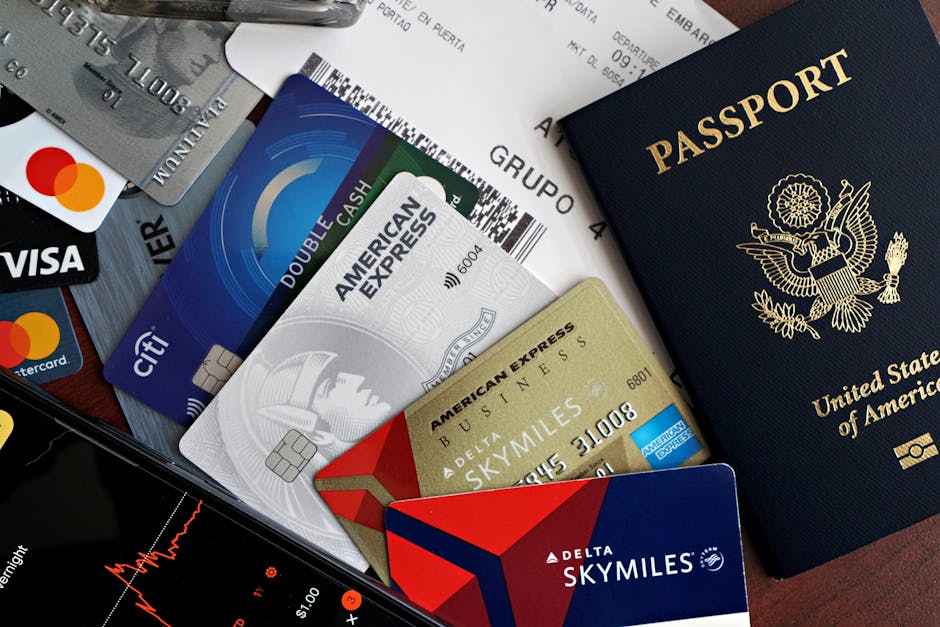
Travel Insurance Checklist Complete Guide
Planning a trip? A travel insurance checklist complete guide helps ensure you’re fully protected before you leave home. Whether you’re heading to Europe for a week or backpacking across Southeast Asia, having the right coverage can save you from unexpected medical bills, trip cancellations, or lost luggage. This guide walks you through every essential step—from understanding policy types to comparing providers—so you can travel with confidence and peace of mind.

Why Travel Insurance Matters
Travel insurance isn’t just a safety net—it’s a practical necessity. Medical emergencies abroad can cost thousands, and standard health plans often don’t cover international care. A single hospital visit in countries like the U.S. or Switzerland can run into tens of thousands of dollars. Even minor incidents, like a delayed flight or misplaced passport, can disrupt your plans and strain your budget.
Consider this real-world example: A traveler in Japan slipped on a train platform and fractured their wrist. Without insurance, surgery and physical therapy cost over $18,000. With a comprehensive policy, they paid only a $500 deductible. That kind of protection isn’t optional—it’s essential.

Key Components of a Travel Insurance Policy
Not all travel insurance policies are created equal. Most fall into three main categories: medical-only, trip protection, and comprehensive. Understanding what each covers helps you choose the right plan.
Medical Coverage
This covers emergency medical expenses while abroad, including hospital stays, doctor visits, and sometimes evacuation. Look for policies that include:
- Emergency medical treatment (minimum $100,000 recommended)
- Medical evacuation to the nearest adequate facility or back home
- Repatriation of remains in the event of death
- Coverage for pre-existing conditions (often requires a waiver or early purchase)
Some policies exclude high-risk activities like scuba diving, skiing, or motorcycling. Always check the fine print if your trip involves adventure sports.

Trip Cancellation and Interruption
This reimburses non-refundable expenses if you must cancel or cut short your trip due to covered reasons. Common covered events include:
- Illness or injury (yours or a close family member)
- Severe weather or natural disasters
- Job loss or mandatory work relocation
- Death of a travel companion
Note that “change of mind” or fear of travel (without a diagnosed anxiety disorder) typically isn’t covered. Policies usually require proof, such as a doctor’s note or employer letter.
Baggage and Personal Belongings
Covers loss, theft, or damage to your luggage and personal items. Most plans offer reimbursement up to a set limit—often $1,000 to $2,500. Check whether the policy covers high-value items like cameras, laptops, or jewelry, as these may require additional riders.
Delayed baggage coverage is also valuable. If your bags are delayed more than 12–24 hours, you may be reimbursed for essential purchases like clothing and toiletries.
Travel Delay and Missed Connections
If your flight is delayed due to weather, mechanical issues, or strikes, this coverage helps pay for meals, lodging, and rebooking fees. Look for policies that kick in after 6–12 hours and offer at least $100–$200 per day.
Missed connection coverage applies when a delay causes you to miss a cruise departure or pre-paid tour. It can cover the cost of transportation to catch up with your itinerary.
How to Build Your Travel Insurance Checklist
Use this step-by-step checklist to ensure you don’t overlook critical details when selecting a policy.
Step 1: Assess Your Trip Details
Start by evaluating your destination, duration, and activities. A weekend in Canada may need different coverage than a six-month volunteer stint in rural Kenya. Ask yourself:
- Is the destination high-risk for health or political instability?
- Will I be engaging in adventure sports or remote travel?
- Are there pre-paid, non-refundable expenses (flights, hotels, tours)?
- Do I have any pre-existing medical conditions?
Step 2: Review Your Existing Coverage
Check if your health insurance, credit card, or employer offers any travel-related benefits. Some credit cards provide limited trip cancellation or baggage delay coverage, but rarely include medical evacuation. Don’t assume you’re covered—read the terms carefully.
Step 3: Compare Policies Using Key Criteria
Use the table below to compare top travel insurance providers based on common needs.
| Provider | Medical Coverage | Trip Cancellation | Baggage Protection | 24/7 Assistance | Best For |
|---|---|---|---|---|---|
| World Nomads | $100,000 | Up to trip cost | $1,000 | Yes | Adventure travelers, backpackers |
| Allianz Travel | $50,000–$1M | Up to trip cost | $2,500 | Yes | Frequent travelers, families |
| IMG Global | $50,000–$8M | Limited | $500 | Yes | Long-term travel, expats |
| Travelex | $100,000 | Up to trip cost | $2,500 | Yes | Family vacations, cruises |
Step 4: Read the Fine Print
Don’t skip the policy wording. Pay attention to:
- Exclusions (e.g., pandemics, alcohol-related incidents)
- Claim procedures and required documentation
- Time limits for filing claims (often 30–90 days)
- Geographic restrictions (some policies exclude certain countries)
For example, many policies exclude coverage in countries under U.S. State Department travel advisories. If you’re visiting a Level 3 or 4 destination, you may need a specialized plan.
Step 5: Purchase Early
Buy your policy as soon as you book your trip—ideally within 10–14 days. This often unlocks “cancel for any reason” (CFAR) upgrades and ensures coverage for pre-existing conditions. CFAR typically reimburses 50–75% of trip costs and must be purchased within a short window after initial booking.
Common Mistakes to Avoid
Even experienced travelers make errors when selecting insurance. Avoid these pitfalls:
Assuming You’re Covered
Many believe their health plan or credit card offers full protection. In reality, most domestic health insurance provides minimal international coverage, and credit card benefits are often secondary and limited.
Underinsuring Medical Coverage
A $10,000 medical limit might seem sufficient—until you face an emergency surgery or air ambulance. Experts recommend at least $100,000, with $1 million preferred for high-cost destinations like the U.S.
Ignoring Pre-Existing Conditions
If you have a chronic condition like diabetes or heart disease, disclose it when applying. Many insurers offer coverage if the condition is stable and the policy is purchased within a specified time frame (e.g., 14–21 days of initial trip deposit).
Overlooking Adventure Activities
Planning to skydive in Dubai or hike the Inca Trail? Standard policies often exclude high-risk activities. Look for plans that explicitly cover your planned adventures or offer add-ons.
When to Consider Additional Coverage
In certain situations, a basic plan isn’t enough. Consider supplemental options if:
- You’re traveling during hurricane or wildfire season
- Your trip includes expensive electronics or gear (e.g., photography equipment)
- You’re visiting a region with limited medical infrastructure
- You’re traveling for work or as part of a group tour
Rental car coverage is another often-overlooked add-on. While not technically part of travel insurance, some policies include collision damage waivers for rental vehicles, saving you from costly fees at pickup.
How to File a Claim
If something goes wrong, act quickly. Follow these steps:
- Contact your insurer’s 24/7 assistance line immediately—many require notification within 24 hours of an incident.
- Keep all receipts, medical records, police reports, and communication with airlines or hotels.
- Submit your claim form and supporting documents within the required timeframe (usually 30–90 days).
- Follow up if you don’t receive confirmation within a week.
Delays in reporting or missing documentation are the top reasons claims are denied. Being organized and proactive increases your chances of full reimbursement.
Travel Insurance Checklist Complete Guide: Final Takeaways
A solid travel insurance checklist complete guide ensures you’re prepared for the unexpected. Start by evaluating your trip’s risks, compare policies using clear criteria, and read every detail before purchasing. Prioritize medical coverage, understand exclusions, and buy early to access the best benefits. Whether you’re taking a short getaway or a year-long journey, the right policy offers more than financial protection—it gives you the freedom to explore without fear.
FAQ
Do I need travel insurance for domestic trips?
It depends. If your trip involves non-refundable bookings or high medical risk (e.g., remote hiking), a policy may still be worthwhile. However, most domestic travelers rely on existing health insurance and credit card protections.
Can I buy travel insurance after my trip starts?
Generally, no. Most insurers require purchase before departure. A few offer post-departure coverage for extensions, but options are limited and often more expensive.
Does travel insurance cover trip cancellations due to pandemics?
It varies. Many standard policies exclude pandemics unless you purchase a “cancel for any reason” upgrade. Always check the policy wording, especially during global health events.

