
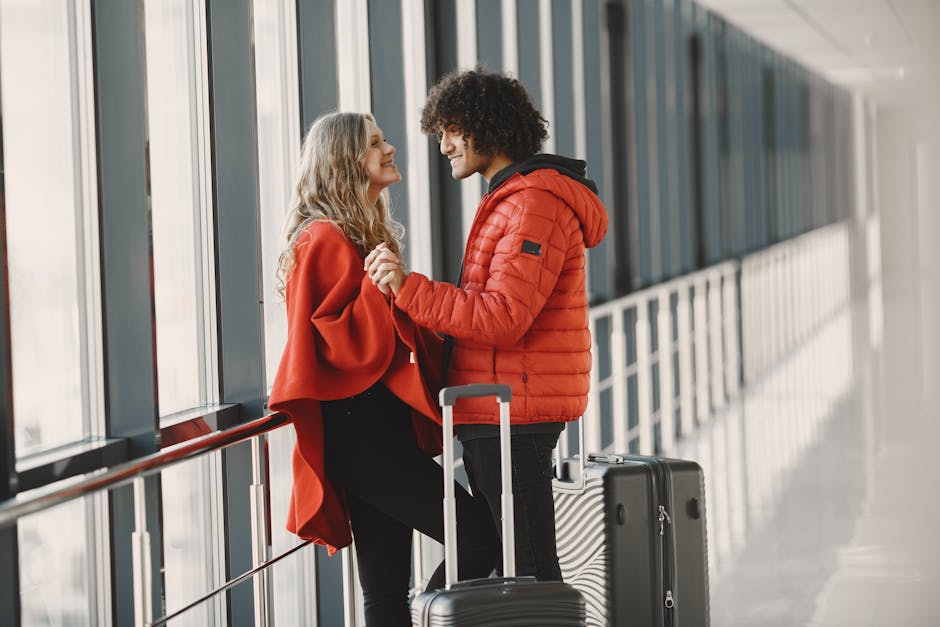
Travel Guide for Couples: Complete Guide to Romantic and Stress-Free Trips
Travel Guide for Couples: Complete Guide to Romantic and Stress-Free Trips
Planning a trip with your partner can be one of the most rewarding experiences in a relationship. A well-thought-out travel guide for couples helps ensure your journey is both romantic and practical, balancing adventure with comfort. Whether you’re celebrating an anniversary, enjoying a honeymoon, or simply taking a weekend getaway, this complete guide covers everything from choosing the right destination to packing smart, managing budgets, and keeping the spark alive on the road. With actionable tips, real-world examples, and essential planning steps, this guide is designed to help couples travel better together.
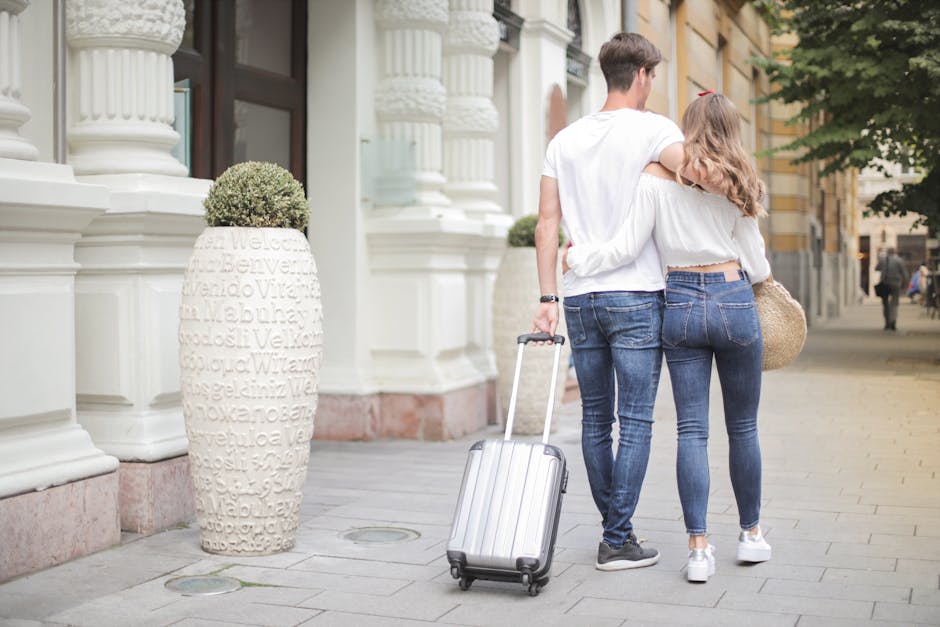
Why a Travel Guide for Couples Matters
Traveling as a couple is more than just sharing a hotel room—it’s about creating shared memories, navigating challenges together, and deepening your connection. Without proper planning, however, even the most exciting trips can turn stressful. Differences in travel styles, unexpected expenses, or miscommunication about itineraries can lead to tension. A dedicated travel guide for couples addresses these common pitfalls by offering structured advice tailored to two people traveling together. It helps align expectations, streamline decision-making, and ensure both partners feel heard and valued throughout the journey.
Choosing the Right Destination Together
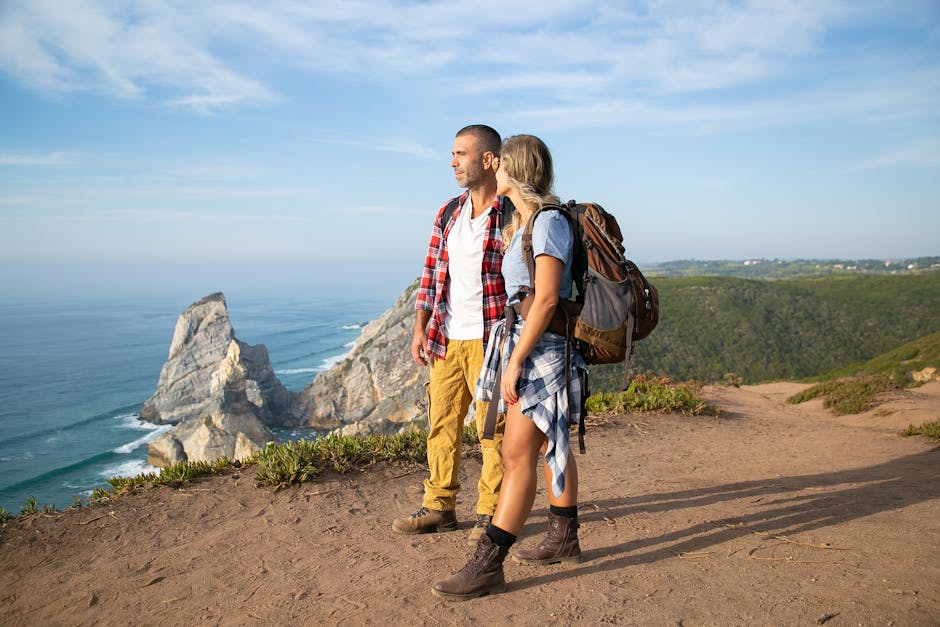
The first step in any successful couple’s trip is agreeing on a destination that suits both of your interests. Some travelers prefer relaxing beach resorts, while others thrive on city exploration or outdoor adventures. Start by listing your top three travel priorities—such as culture, food, nature, or nightlife—and compare them. For example, if one partner loves hiking and the other prefers museums, consider destinations like Lisbon, Portugal, which offers coastal trails and rich historical sites.
Popular Couple-Friendly Destinations
- Paris, France: Iconic for romance, with world-class dining, art museums, and scenic river cruises.
- Santorini, Greece: Stunning sunsets, whitewashed villages, and luxury accommodations ideal for honeymoons.
- Kyoto, Japan: A blend of tradition and tranquility, featuring temples, gardens, and intimate tea houses.
- Bali, Indonesia: Affordable luxury, tropical beaches, and spiritual retreats perfect for relaxation.
- Banff, Canada: Mountain landscapes, hiking trails, and cozy cabins for nature-loving couples.
How to Decide When You Disagree
If you and your partner have conflicting preferences, try a compromise approach. Alternate decision-making: one trip, one person leads the planning; the next, the other takes charge. Alternatively, choose a destination that offers a mix of both interests. For instance, Barcelona combines vibrant nightlife with architectural wonders and nearby hiking in Montserrat. Another strategy is to split the trip—spend a few days in a bustling city and the rest in a peaceful countryside retreat.
Creating a Realistic Budget
Money is one of the top sources of travel-related stress for couples. A clear budget prevents overspending and ensures both partners are on the same page financially. Start by estimating costs in key categories: flights, accommodations, meals, activities, transportation, and souvenirs. Use online tools like Google Flights, Kayak, or Rome2Rio to compare prices early.
Budgeting Tips for Couples
- Set a total spending limit before booking anything.
- Use a shared spreadsheet to track expenses in real time.
- Agree on splurge vs. save categories—maybe one fancy dinner is worth skipping two museum tickets.
- Consider off-season travel for lower prices and fewer crowds.
- Book accommodations with kitchens to save on meals.
For example, a week-long trip to Prague can cost as little as $1,200 per couple if you stay in a mid-range Airbnb, cook some meals, and use public transit. In contrast, a similar trip to Zurich might exceed $3,000 due to higher accommodation and dining costs.

Packing Smart as a Team
Packing efficiently is crucial when sharing luggage space and avoiding last-minute stress. Start by making a shared packing list using apps like PackPoint or Google Docs. Divide responsibilities—one person handles toiletries and electronics, the other takes care of clothing and travel documents.
Essential Items for Couples
- Travel documents (passports, visas, insurance)
- Portable charger and universal adapter
- Reusable water bottles and snacks
- Comfortable walking shoes
- First-aid kit with pain relievers and bandages
- Lightweight daypack for excursions
Avoid overpacking by sticking to a color-coordinated wardrobe—this makes mixing and matching outfits easier. Roll clothes instead of folding to save space. If flying, check airline baggage policies in advance to avoid surprise fees.
Booking Accommodations That Suit Both Partners
Where you stay can make or break your trip. Couples should look for accommodations that offer privacy, comfort, and convenience. Consider the following options based on your travel style:
| Accommodation Type | Best For | Pros | Cons |
|---|---|---|---|
| Hotels | City breaks, business travel | Consistent quality, amenities (pool, gym, concierge) | Can be expensive, less personal |
| Airbnb / Vacation Rentals | Longer stays, local experiences | More space, kitchen access, home-like feel | Quality varies, may lack services |
| Boutique Inns | Romantic getaways | Unique design, personalized service | Higher cost, limited availability |
| Hostels (Private Rooms) | Budget travelers, social atmosphere | Affordable, great for meeting people | Less privacy, shared facilities |
When booking, read recent reviews from other couples. Look for mentions of noise levels, bed comfort, and proximity to attractions. Always confirm check-in times and cancellation policies.
Planning Activities Without Over-Scheduling
One of the biggest mistakes couples make is filling every hour with activities. While it’s tempting to see and do everything, over-scheduling leads to exhaustion and reduces quality time together. Instead, aim for a balanced itinerary with a mix of planned activities and free time.
How to Build a Flexible Itinerary
- Pick 2–3 must-see attractions per day and book tickets in advance when possible.
- Leave afternoons open for spontaneous exploration, coffee breaks, or rest.
- Schedule downtime—whether it’s a beach afternoon or a lazy morning in bed.
- Use travel apps like Google Maps offline mode or TripIt to stay organized without constant screen time.
For example, in Rome, you might visit the Colosseum and Vatican Museums in the morning, then wander Trastevere in the evening without a fixed plan. This balance keeps the trip exciting but relaxed.
Staying Connected and Resolving Conflicts
Even the happiest couples can face disagreements while traveling. Differences in pace, food choices, or navigation can spark tension. The key is to communicate openly and respectfully.
Tips for Harmonious Travel
- Check in daily: Spend 10 minutes each evening discussing what worked and what didn’t.
- Take breaks apart: It’s okay to spend a few hours doing separate activities.
- Use “I” statements: Say “I feel overwhelmed” instead of “You’re rushing me.”
- Agree on a signal for when one person needs space or a pause.
Remember, the goal isn’t perfection—it’s enjoying the journey together. A minor disagreement over directions shouldn’t overshadow the beauty of a shared sunset.
Keeping the Romance Alive on the Road
Travel is a natural opportunity to deepen your relationship. Small gestures can make a big difference in maintaining romance, even in unfamiliar settings.
Simple Ways to Stay Romantic
- Share a sunrise or sunset view from a scenic spot.
- Write each other short notes and leave them in the hotel room.
- Try a local dish together for the first time.
- Take a couples’ photo at each major stop.
- Book a surprise experience, like a private boat ride or spa treatment.
These moments don’t require luxury—just presence and intention. A quiet walk through a cobblestone alley can be more meaningful than a crowded tourist attraction.
Safety and Health Considerations
Staying safe and healthy ensures your trip isn’t derailed by illness or emergencies. Start by researching your destination’s health advisories and safety conditions. Register with your country’s travel advisory program (like STEP for U.S. citizens).
Essential Safety Tips
- Carry digital and physical copies of important documents.
- Share your itinerary with a trusted friend or family member.
- Use hotel safes for passports and extra cash.
- Stay aware of local scams targeting tourists.
- Know the location of your country’s nearest embassy or consulate.
For health, pack a basic medical kit and consider travel insurance that covers medical evacuation. In regions with water safety concerns, drink bottled water and avoid raw foods.
Sustainable and Responsible Travel
More couples are choosing to travel responsibly, minimizing their environmental impact and supporting local communities. Sustainable travel doesn’t mean sacrificing comfort—it means making mindful choices.
How to Travel Sustainably as a Couple
- Choose eco-certified accommodations.
- Use public transportation or walk when possible.
- Support local businesses—eat at family-run restaurants and buy handmade souvenirs.
- Avoid single-use plastics by carrying reusable bags and bottles.
- Respect cultural norms and dress codes, especially in religious sites.
For instance, in Costa Rica, many eco-lodges offer solar power, organic meals, and guided nature tours that benefit conservation efforts.
Post-Trip: Preserving Memories and Planning Ahead
The journey doesn’t end when you return home. Reflecting on your trip helps solidify memories and improves future travels.
After the Trip
- Create a shared photo album or scrapbook.
- Write a joint travel journal entry summarizing your favorite moments.
- Discuss what you’d do differently next time.
- Start a “future trips” list based on what you learned.
This reflection strengthens your bond and makes the next trip even better. It also helps identify patterns—like preferring slow travel over fast-paced tours—that can guide future decisions.
Final Thoughts on the Complete Travel Guide for Couples
A successful trip for couples is built on communication, compromise, and shared enthusiasm. This complete travel guide for couples provides the tools to plan confidently, travel smoothly, and enjoy every moment together. From choosing the perfect destination to managing budgets and staying connected, each step is designed to enhance your experience. Remember, the best trips aren’t about checking off landmarks—they’re about the quiet moments, shared laughter, and growing closer through adventure.
FAQ
Q: How do we decide on a destination when we have different travel styles?
A: Start by listing your individual travel priorities and look for destinations that offer a mix of both interests. Compromise by alternating planning duties or splitting the trip between two types of locations.
Q: Should we always book activities in advance?
A: Not necessarily. Book high-demand attractions (like popular museums or tours) in advance, but leave room for spontaneity. Over-scheduling can lead to stress and reduce quality time together.
Q: Is travel insurance worth it for couples?
A: Yes, especially for international trips or expensive bookings. Travel insurance can cover trip cancellations, medical emergencies, and lost luggage, providing peace of mind for both partners.
Related keywords: Travel Guide for Couples Complete Guide.

