
Best Things to Do in Kuala Lumpur Travel Guide
Kuala Lumpur offers a vibrant mix of modern attractions, cultural landmarks, and natural escapes. This travel guide covers the best things to do in Kuala Lumpur, from iconic skyscrapers and bustling markets to serene parks and flavorful street food. Whether you’re visiting for a weekend or a week, these handpicked experiences ensure you make the most of Malaysia’s dynamic capital. Highlights include the Petronas Twin Towers, Batu Caves, and Central Market, all easily accessible and rich in local character.
Top Attractions in Kuala Lumpur
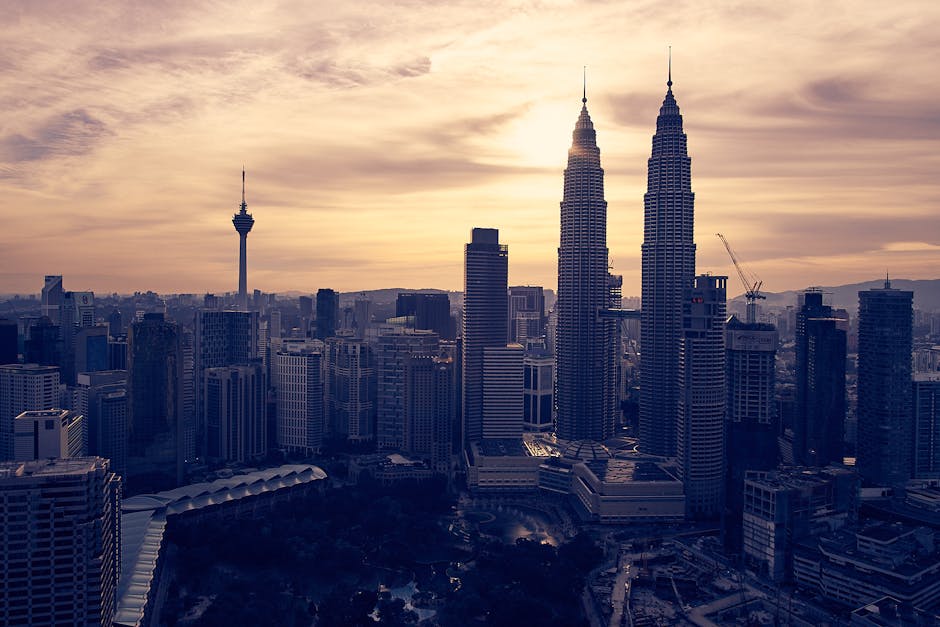
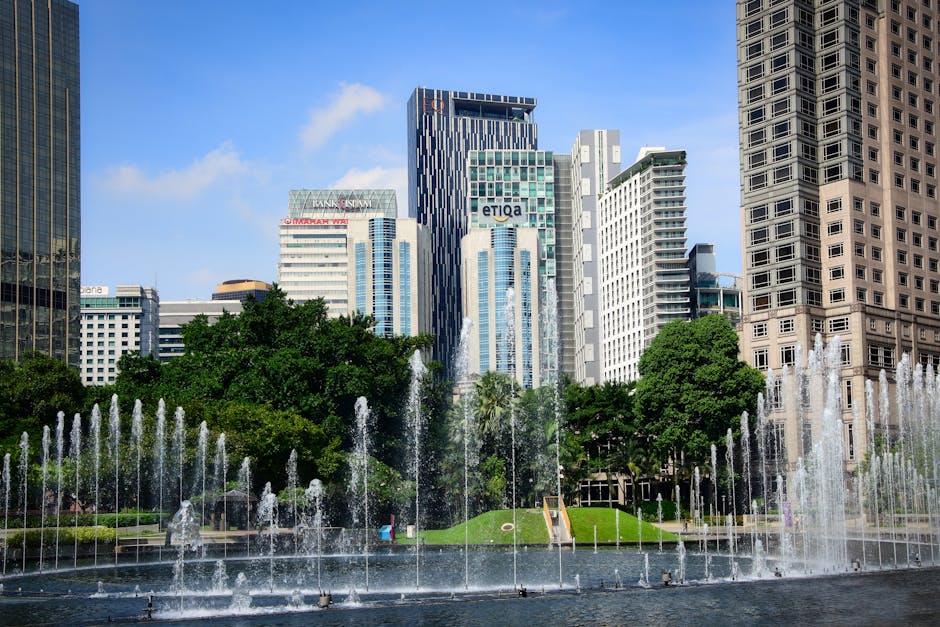
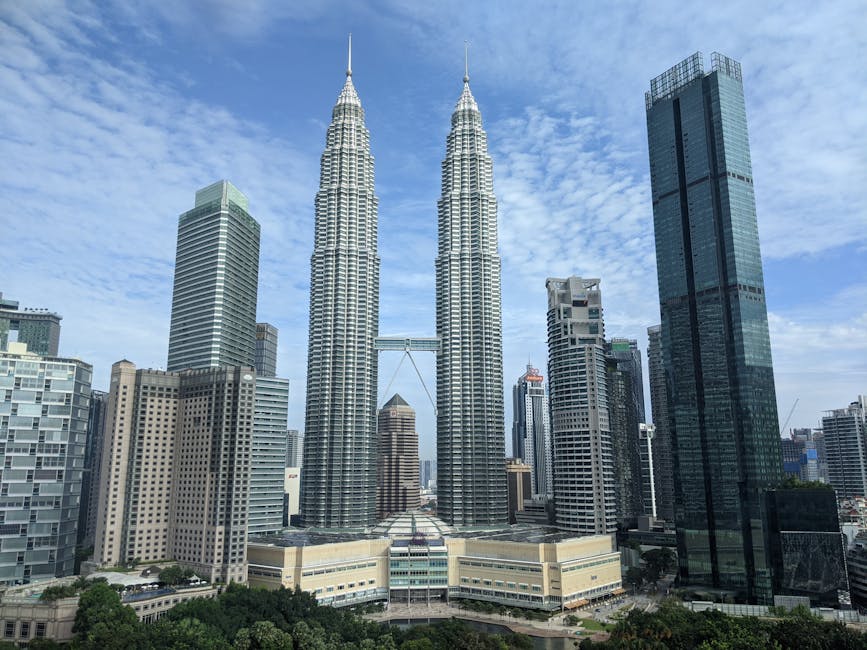
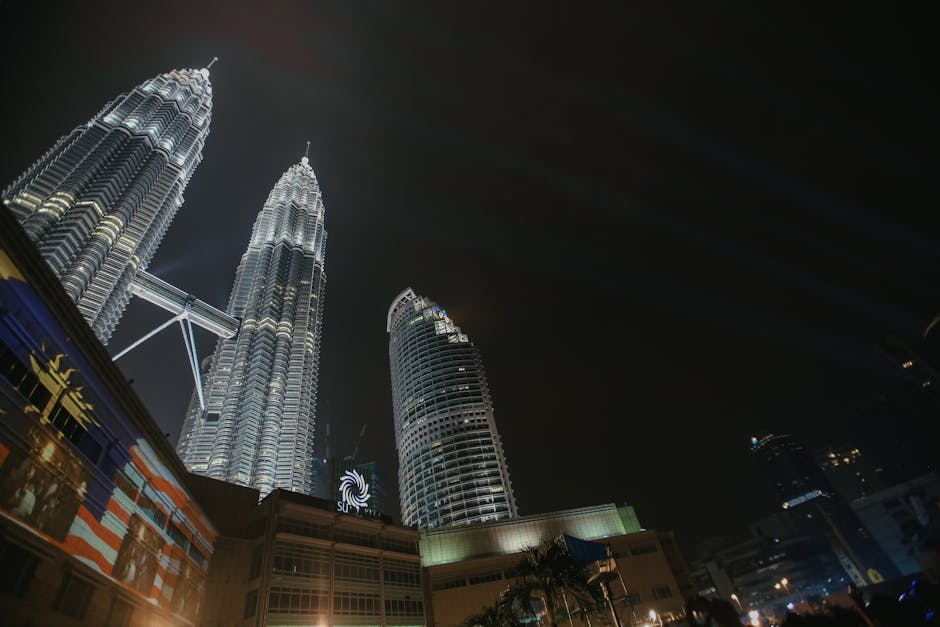
Kuala Lumpur’s skyline is dominated by the Petronas Twin Towers, once the tallest buildings in the world. A visit to the 86th-floor Skybridge and observation deck provides panoramic views of the city. Entry requires advance booking, especially on weekends. Nearby, KLCC Park offers a peaceful retreat with a lake, jogging paths, and a children’s playground—ideal for unwinding after sightseeing.
The Batu Caves, located about 13 kilometers north of the city center, are a must-see. This limestone hill features a series of caves and temples, with the iconic 272-step staircase leading to the main chamber. The towering golden statue of Lord Murugan at the base is a striking photo opportunity. Visit early in the morning to avoid crowds and the midday heat.
For a taste of local culture, head to Central Market. Originally a wet market, it now houses handicrafts, souvenirs, and traditional snacks. It’s a great place to pick up batik prints, pewterware, or handwoven songket fabric. The adjacent Pasar Seni LRT station makes it easy to reach from other parts of the city.
Explore Kuala Lumpur’s Cultural and Historical Sites
Merdeka Square is the historic heart of Kuala Lumpur. It’s where the Union Jack was lowered and the Malaysian flag raised in 1957, marking independence from British rule. The surrounding colonial-era buildings, including the Sultan Abdul Samad Building, feature Moorish architecture and are beautifully lit at night.
The National Mosque of Malaysia, or Masjid Negara, is one of the largest mosques in Southeast Asia. Open to visitors outside prayer times, it welcomes non-Muslim guests who dress modestly. The mosque’s unique umbrella-like roof symbolizes shelter and unity. Guided tours are available and provide insight into Islamic architecture and practices.
The Islamic Arts Museum Malaysia is another cultural gem. With over 7,000 artifacts, including manuscripts, textiles, and architectural models, it’s one of the finest collections in the region. The museum is family-friendly, with interactive exhibits and a dedicated children’s gallery.
Best Food Experiences in Kuala Lumpur
Kuala Lumpur is a food lover’s paradise. Street food is abundant and affordable, with dishes like char kway teow, nasi lemak, and satay available at hawker centers. Jalan Alor is the most famous food street, lined with open-air stalls and restaurants. It’s lively in the evenings, though prices can be higher than at local markets.
For a more authentic experience, visit Taman Paramount or Pudu markets. These local hawker centers offer the same flavors at lower prices. Try the Hokkien mee, a rich noodle dish with prawns and pork, or cendol, a sweet dessert with coconut milk and palm sugar.
Vegetarian and halal options are widely available. Many Indian Muslim stalls serve roti canai and mee goreng, while Chinese vegetarian restaurants offer mock meat dishes. Always check for halal certification if dietary restrictions apply.
Parks and Nature Escapes
Despite its urban setting, Kuala Lumpur has several green spaces. The KL Bird Park, located in the Lake Gardens area, is home to over 3,000 birds from 200 species. It’s one of the largest free-flight aviaries in the world and a favorite among families.
The KL Butterfly Park, also in Lake Gardens, features a controlled environment with over 120 species of butterflies. The park includes a garden, museum, and educational center. It’s a quiet, shaded spot perfect for a midday break.
For a more adventurous outing, head to the Forest Research Institute of Malaysia (FRIM). Located in Kepong, about 16 kilometers from the city center, it offers canopy walks, hiking trails, and a treetop suspension bridge. Entry is low-cost, and the lush rainforest setting feels worlds away from the city.
Shopping in Kuala Lumpur
Shopping ranges from luxury malls to bargain markets. Pavilion Kuala Lumpur and Suria KLCC are high-end destinations with international brands, fine dining, and cinema. They’re air-conditioned and ideal for escaping the heat.
For budget shopping, visit Sungei Wang Plaza and Low Yat Plaza. These multi-story complexes sell electronics, fashion, and accessories. Bargaining is expected in some sections, especially in Low Yat’s IT zone.
Night markets, or pasar malam, pop up in different neighborhoods each evening. They offer everything from clothing to snacks and household items. Popular locations include Taman OUG and Taman Desa. Arrive early for the best selection.
Day Trips from Kuala Lumpur
If you have extra time, consider a day trip. The Genting Highlands, about an hour’s drive away, offer cool weather, theme parks, and casinos. The cable car ride provides scenic views of the mountains.
Malacca, a UNESCO World Heritage Site, is a two-hour drive south. Known for its colonial architecture and Peranakan culture, it’s perfect for history buffs. Highlights include Jonker Street, A Famosa Fort, and Cheng Hoon Teng Temple.
The Kuala Gandah Elephant Sanctuary, located in Pahang, is a conservation center where visitors can learn about elephant rescue efforts. Tours are educational and support wildlife protection. Advance booking is required.
Getting Around Kuala Lumpur
Public transportation is efficient and affordable. The LRT, MRT, and Monorail connect major attractions, shopping districts, and hotels. Use the Touch ‘n Go card for seamless transfers. Grab, the local ride-hailing app, is widely used and often cheaper than taxis.
Walking is feasible in the city center, especially around Bukit Bintang and KLCC. However, sidewalks can be uneven, and the tropical climate means frequent rain showers. Carry an umbrella and wear comfortable shoes.
Taxis are available but can be unreliable in traffic. Always insist on using the meter or agree on a fare beforehand. Avoid unlicensed cabs, especially at night.
Safety and Practical Tips
Kuala Lumpur is generally safe for tourists. Petty crime like pickpocketing occurs in crowded areas, so keep belongings secure. Avoid displaying valuables, especially in night markets and on public transport.
Tap water is not recommended for drinking. Use bottled water or filtered dispensers in hotels. Street food is usually safe, but choose stalls with high turnover to ensure freshness.
Dress modestly when visiting religious sites. Shoulders and knees should be covered. Remove shoes before entering mosques and temples.
Budget-Friendly Itinerary Suggestions
For a two-day trip, start with the Petronas Twin Towers and KLCC Park on day one. In the afternoon, visit the National Museum and Merdeka Square. End the day with dinner on Jalan Alor.
On day two, take the KTM Komuter train to Batu Caves. Return to the city for lunch at Central Market, then explore the Islamic Arts Museum. Finish with a stroll through KL Bird Park or a sunset view from the KL Tower.
A three-day itinerary allows time for a day trip. Add Genting Highlands or Malacca, depending on your interests. Use public transport to save money and experience local life.
Compact Comparison of Top Kuala Lumpur Attractions
| Attraction | Best For | Entry Fee (MYR) | Recommended Visit Time |
|---|---|---|---|
| Petronas Twin Towers Skybridge | City views, photography | 88 (adults) | 2–3 hours |
| Batu Caves | Cultural experience, hiking | Free (donations accepted) | 2 hours |
| Central Market | Shopping, local crafts | Free entry | 1–2 hours |
| KL Bird Park | Families, nature lovers | 68 (adults) | 2–3 hours |
| Islamic Arts Museum | History, architecture | 14 (adults) | 2 hours |
Conclusion
Kuala Lumpur blends tradition and modernity in a way few cities can match. The best things to do in Kuala Lumpur span iconic landmarks, cultural immersion, and culinary adventures. With efficient public transport and a range of free or low-cost attractions, it’s accessible for all budgets. Plan your visit around the highlights, but leave room for spontaneous discoveries—whether it’s a hidden café in Chinatown or a quiet moment in a temple garden. This city rewards curiosity and offers something new with every visit.
FAQ
What is the best time of year to visit Kuala Lumpur?
The best time is during the dry season, from December to February, when rainfall is lower and temperatures are slightly cooler. Avoid the monsoon months of March to April and October to November, when heavy downpours can disrupt outdoor plans.
Do I need to speak Malay to get around Kuala Lumpur?
No. English is widely spoken in tourist areas, hotels, and public transport. Signs are often in English, and most service staff understand basic English phrases. Learning a few Malay greetings like “terima kasih” (thank you) is appreciated.
Is Kuala Lumpur safe for solo travelers?
Yes. Kuala Lumpur is generally safe for solo travelers, including women. Stick to well-lit, populated areas at night, use trusted transport options, and avoid walking alone in isolated neighborhoods. Stay aware of your surroundings, especially in crowded markets.

