
Best Things to Do in Barcelona Spain Travel Guide
Best Things to Do in Barcelona Spain Travel Guide
Barcelona, Spain’s vibrant coastal capital, blends Gothic charm with modernist flair, Mediterranean beaches, and a rich cultural pulse. Whether you’re exploring Gaudí’s architectural marvels, strolling tree-lined boulevards, or savoring tapas in a tucked-away bodega, the city offers something for every traveler. This guide covers the best things to do in Barcelona—from must-see landmarks and hidden neighborhoods to local food experiences and day trips—so you can plan a trip that balances iconic sights with authentic moments.
Top Attractions You Can’t Miss
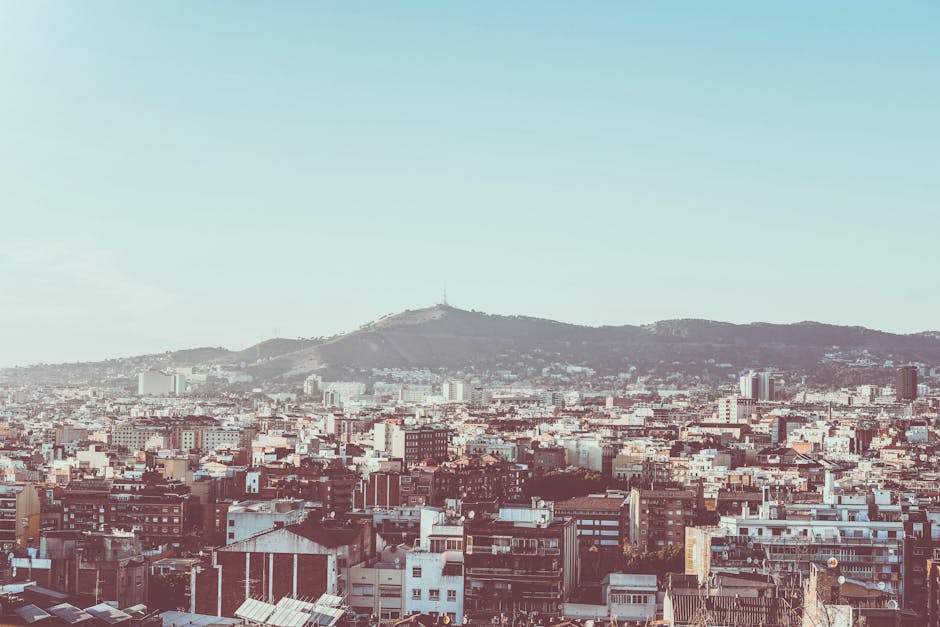
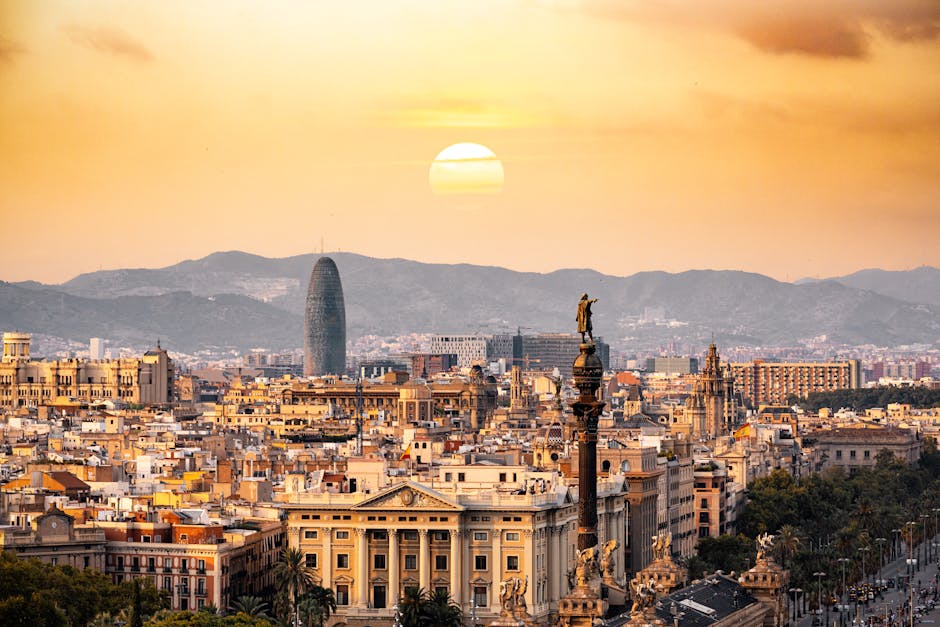
Barcelona’s skyline is instantly recognizable, thanks to Antoni Gaudí’s surreal creations. But beyond the famous facades lie centuries of history, art, and urban energy. Start your journey with these essential stops.
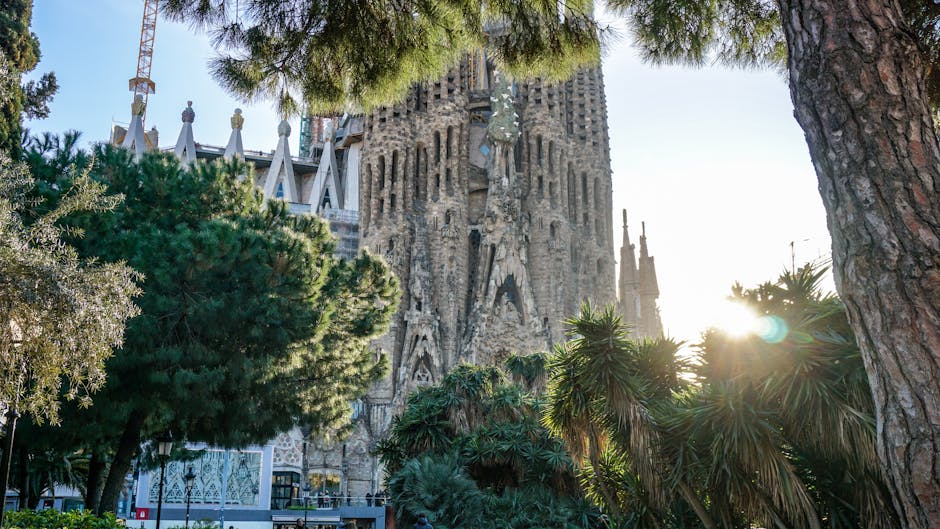
Sagrada Família: Gaudí’s Unfinished Masterpiece
The Sagrada Família is Barcelona’s most visited landmark—and for good reason. Construction began in 1882 and continues today, blending Gothic and Art Nouveau styles into a forest of stone spires and intricate facades. Book tickets online in advance to skip the line. Opt for a guided tour to understand the symbolism behind the Nativity and Passion facades, or climb one of the towers for panoramic views over the city. Visit early morning or late afternoon to avoid crowds and catch softer light for photos.
Park Güell: A Whimsical Public Park
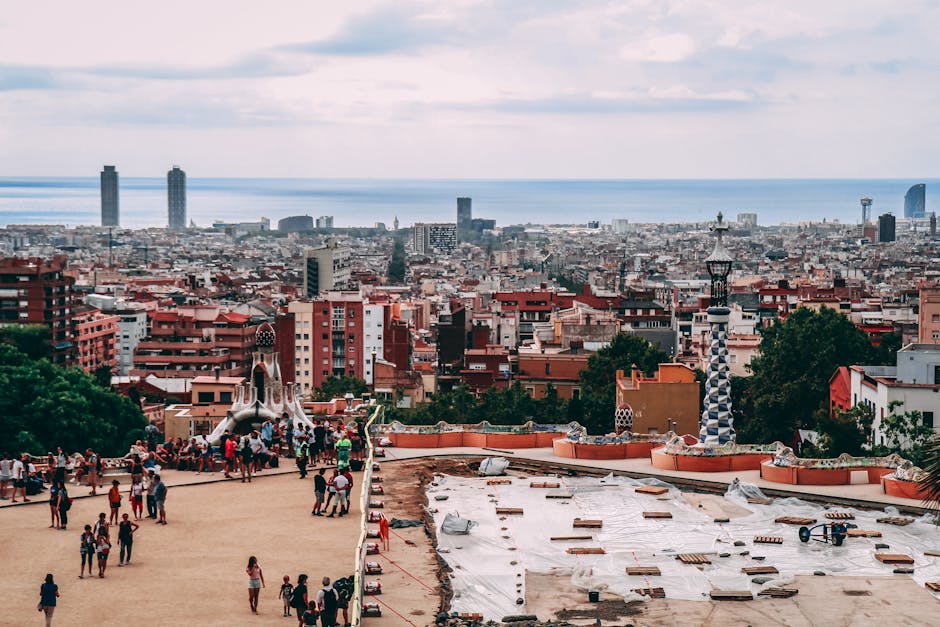
Another Gaudí gem, Park Güell feels like stepping into a fairy tale. The mosaic-covered benches, gingerbread-style houses, and undulating walkways make it a favorite for families and photographers. The Monumental Zone requires a timed-entry ticket, while the surrounding park is free to explore. Arrive by 9 a.m. to secure entry, or visit during sunset for golden-hour views across the city to the sea.
La Rambla and the Gothic Quarter
La Rambla is Barcelona’s most famous street—a bustling pedestrian boulevard lined with street performers, cafes, and flower stalls. While it’s tourist-heavy, it’s a great starting point. Walk down toward the waterfront, then veer into the Gothic Quarter (Barri Gòtic), where narrow medieval alleys hide Roman ruins, hidden plazas, and centuries-old churches. Don’t miss the Barcelona Cathedral—free to enter before 12:45 p.m. on weekdays.
Casa Batlló and Casa Milà (La Pedrera)
These two modernist buildings on Passeig de Gràcia showcase Gaudí’s genius in residential design. Casa Batlló’s skeletal balconies and colorful trencadís (broken tile mosaics) resemble a dragon’s back, while Casa Milà’s undulating stone facade and rooftop chimneys feel otherworldly. Both offer audio guides and evening light shows. Casa Batlló tends to be less crowded, so consider it if you’re short on time.
Explore Barcelona’s Neighborhoods Like a Local
Beyond the postcard sights, Barcelona reveals its soul in its neighborhoods. Each district has a distinct character—from bohemian El Raval to upscale Eixample and seaside Barceloneta.
El Born: Trendy Shops and Tapas
El Born blends medieval charm with modern boutiques, art galleries, and craft beer bars. Stroll along Carrer de Montcada to see the Picasso Museum, housed in a 13th-century palace. Stop by Santa Maria del Mar, a stunning example of Catalan Gothic architecture. For lunch, try Quimet & Quimet, a standing-room-only bodega famous for montaditos (small sandwiches) and vermouth on tap.
Gràcia: Village Vibes in the City
Once an independent town, Gràcia retains a village feel with its small plazas, independent cafes, and local festivals. It’s less touristy than the Gothic Quarter but equally charming. Visit Plaça del Sol for people-watching, or browse vintage shops on Carrer de les Carolines. In August, the Festa Major de Gràcia transforms the neighborhood with elaborate street decorations.
Barceloneta: Beach Life and Seafood
Barcelona’s beachfront neighborhood is perfect for a relaxed afternoon. The wide sandy stretch of Barceloneta Beach is ideal for sunbathing or a dip in the Mediterranean. Rent a bike and ride along the promenade, or stop for fresh seafood at Can Majó or La Cova Fumada—both local favorites with outdoor seating. Avoid the tourist traps near the port; head inland for better prices and authenticity.
Cultural Experiences and Museums
Barcelona’s cultural scene is rich and varied, from world-class art to traditional Catalan traditions.
Picasso Museum
Housing over 4,000 works by Pablo Picasso, this museum focuses on his early years and Blue Period. Located in five connected medieval palaces in El Born, it offers intimate views of his artistic development. Free entry on Thursday evenings from 4–8 p.m. and the first Sunday of each month.
MNAC: National Art of Catalonia
Perched on Montjuïc hill, the Museu Nacional d’Art de Catalunya (MNAC) showcases Catalan art from the Romanesque period to the 20th century. The building itself is impressive, with a grand staircase and panoramic terrace. Don’t miss the Romanesque frescoes—some of the best-preserved in Europe. Combine your visit with a walk through the surrounding gardens and Olympic Ring.
Flamenco at Palau de la Música
While flamenco is more associated with Andalusia, Barcelona hosts high-quality performances. The Palau de la Música Catalana, a UNESCO World Heritage site, offers intimate concerts in a stained-glass concert hall. Shows are shorter and more curated than traditional tablaos, making them ideal for first-time viewers. Book ahead—seating is limited.
Food and Drink: A Taste of Catalonia
Barcelona’s culinary scene reflects its coastal location and Catalan roots. Seafood, cured meats, fresh produce, and bold flavors define the local palate.
Mercat de la Boqueria
La Boqueria is Barcelona’s most famous market, located just off La Rambla. While it’s crowded with tourists, it’s still worth visiting for the vibrant atmosphere and quality produce. Skip the overpriced stalls near the entrance and head to the back for fresh fruit juices, jamón ibérico, and seafood counters. Try El Quim de la Boqueria for breakfast—their fried eggs with squid are legendary.
Tapas Crawl in Poble Sec
For a more local experience, head to Poble Sec, a residential neighborhood near Montjuïc. Start at Bar Calders for classic patatas bravas and croquetas, then move to Quimet & Quimet for montaditos, and end at Federal Café for brunch-style dishes and craft coffee. Most places offer a “menú del día” (daily set menu) at lunch for around €12–15.
Vermouth Hour
Vermouth is a Catalan tradition, typically enjoyed on Sunday mornings with small snacks. Order a vermut (vermouth) at a neighborhood bar like Bormuth or Morro Fi, served with olives, potato chips, or anchovies. It’s a social ritual—arrive early to get a seat.
Outdoor Activities and Nature
Barcelona isn’t just about architecture and food—it’s a city that embraces the outdoors.
Montjuïc Hill
This green hill offers hiking trails, gardens, and sweeping city views. Ride the cable car from Barceloneta for a scenic ascent, or take the funicular and walk up. Visit the Montjuïc Castle for history and views, or relax in the Jardins de Mossèn Cinto Verdaguer. The Magic Fountain show (Thursday–Sunday evenings) is a colorful light and music display near the MNAC.
Beach Time and Water Sports
Barcelona has over 4.5 kilometers of urban beaches. Barceloneta is the most central, but Nova Icària and Bogatell are less crowded and better for swimming. Rent a paddleboard or kayak from one of the beach clubs, or join a group surf lesson. In summer, beach volleyball and outdoor yoga classes are common.
Bike Tours and Coastal Rides
Cycling is a great way to cover more ground. Rent a bike from Bicing (for residents) or tourist-friendly shops like Fat Tire Barcelona. Follow the coastal bike path from Barceloneta to Port Olímpic, or join a guided tour that includes Gaudí sites and hidden alleys. Helmets aren’t mandatory but are recommended.
Day Trips from Barcelona
If you have extra time, these nearby destinations offer a change of pace.
Sitges
A charming seaside town 35 minutes by train, Sitges is known for its whitewashed houses, pebble beaches, and LGBTQ+ friendly vibe. Walk along the promenade, visit the Church of Sant Bartomeu i Santa Tecla, or relax at Platja de San Sebastià. It’s especially lively during Carnival and the Sitges Film Festival.
Montserrat
This mountain monastery, about an hour from Barcelona, is a spiritual and natural retreat. Take the R5 train from Plaça d’Espanya to Montserrat-Aeri, then the cable car up. Visit the Benedictine abbey, see the Black Madonna statue, and hike the trails for stunning views. The Camí de les Aigües loop is an easy, scenic walk.
Girona
Fans of Game of Thrones will recognize Girona’s medieval streets and cathedral steps. The city is 40 minutes by high-speed train and offers well-preserved Jewish Quarter, colorful river houses, and excellent Catalan cuisine. Don’t miss the Arab Baths and the views from the city walls.
Practical Tips for Travelers
Barcelona is generally safe and easy to navigate, but a few tips can make your trip smoother.
- Public Transport: Use the T-Casual card (10 rides for €11.35) or Hola BCN! travel card for unlimited metro and bus rides. The metro runs until midnight (2 a.m. on weekends).
- Safety: Pickpocketing is common in tourist areas like La Rambla, metro stations, and crowded markets. Keep bags zipped and avoid flashing valuables.
- Language: While Spanish is widely spoken, Catalan is the official language. Learning a few basic phrases in either is appreciated.
- Tipping: Rounding up the bill or leaving 5–10% in restaurants is customary. Tipping isn’t expected in cafes or bars.
- Timing: Many shops close between 2–5 p.m. for siesta. Museums and major attractions stay open, but smaller galleries may not.
When to Visit Barcelona
Barcelona enjoys a Mediterranean climate with mild winters and hot summers. The best time to visit is April–June and September–October, when temperatures are pleasant, crowds are manageable, and festivals like La Mercè (late September) add cultural energy. Summer (July–August) is peak tourist season—hot, busy, and expensive. Winter is quiet and budget-friendly, though some attractions have shorter hours.
Accommodation Guide
Where you stay affects your experience. Here’s a quick comparison of top areas:
| Neighborhood | Best For | Average Nightly Rate (€) | Pros | Cons |
|---|---|---|---|---|
| Eixample | First-time visitors, Gaudí lovers | 120–180 | Central, walkable, near major sights | Can be noisy, less local feel |
| El Born | Foodies, culture seekers | 140–200 | Trendy, charming streets, great dining | Expensive, limited budget options |
| Gràcia | Families, budget travelers | 90–140 | Quiet, authentic, good value | Farther from main attractions |
| Barceloneta | Beach lovers, nightlife | 130–190 | Seaside location, lively atmosphere | Can be crowded, touristy |
Book accommodations early, especially during festivals or summer. Consider apartments or boutique hotels for a more local experience.
Final Thoughts
Barcelona rewards curious travelers. Whether you’re marveling at Gaudí’s visions, wandering medieval alleys, or sipping vermouth at sunset, the city blends art, history, and Mediterranean ease in a way few destinations can match. With smart planning—booking tickets in advance, exploring beyond the center, and embracing local rhythms—you’ll experience the best things to do in Barcelona without the overwhelm. Pack comfortable shoes, an appetite for adventure, and an open mind.
FAQ
Is Barcelona safe for tourists?
Yes, Barcelona is generally safe, but pickpocketing is common in crowded areas like La Rambla, metro stations, and tourist hotspots. Stay alert, keep valuables secure, and avoid flashing expensive items.
How many days do you need in Barcelona?
Three to four days is ideal for first-time visitors to see major attractions, explore neighborhoods, and enjoy local food. Add extra days for day trips or a more relaxed pace.
Do I need to speak Spanish or Catalan to get around?
No. Most people in tourist areas speak English, and signs are often in Spanish, Catalan, and English. Learning basic greetings in either language is appreciated but not required.

