
Canada Travel Guide: Nature, Cities and Travel Tips
n
Canada offers a diverse travel experience, blending vast natural landscapes with vibrant urban centers. This Canada travel guide covers essential destinations, seasonal considerations, transportation options, and practical advice to help you plan a smooth and memorable trip. Whether you’re drawn to the Rockies, the northern lights, or multicultural cities like Toronto and Vancouver, you’ll find clear, actionable insights to shape your journey.
nn
Why Visit Canada?
n
Canada is the second-largest country in the world by land area, stretching from the Atlantic to the Pacific and up into the Arctic. Its geography ranges from rugged coastlines and dense forests to expansive prairies and towering mountain ranges. This diversity supports a wide range of outdoor activities—hiking, skiing, kayaking, wildlife viewing—and supports thriving cities known for safety, cleanliness, and cultural diversity.
nn
Visitors are drawn to Canada for its natural beauty, but also for its welcoming atmosphere and high quality of life. English and French are the official languages, with French predominantly spoken in Quebec. Most Canadians are bilingual or multilingual, and service in major tourist areas is typically available in both languages.
nn
Canada consistently ranks among the top countries for safety, healthcare, and environmental sustainability. It’s a destination that appeals to solo travelers, families, adventure seekers, and cultural explorers alike.
nn
Top Natural Destinations in Canada
n
Canada’s natural attractions are world-renowned. National parks and protected areas cover nearly 14% of the country’s land, offering some of the most pristine wilderness on the planet.
nn
Banff and Jasper National Parks (Alberta)
n
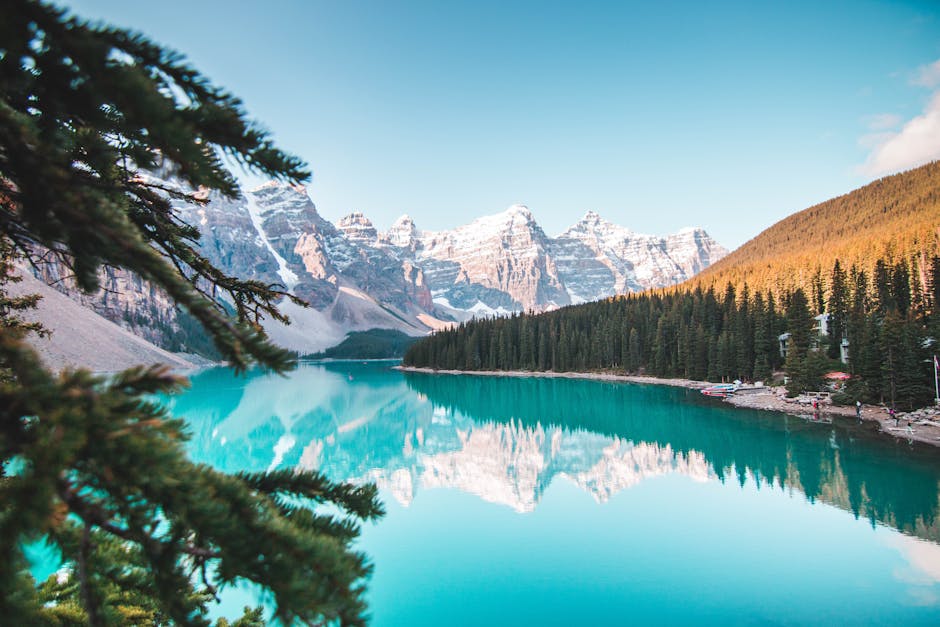
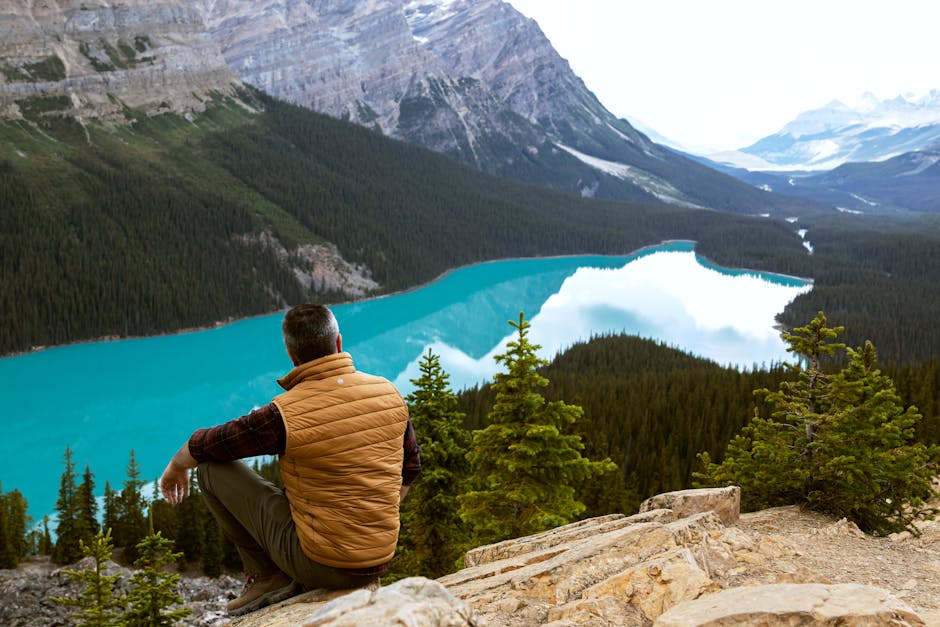
Located in the heart of the Canadian Rockies, Banff and Jasper are among the most visited parks in Canada. Banff, established in 1885, is the country’s oldest national park. Highlights include Lake Louise, Moraine Lake, and the Icefields Parkway—a 232-kilometer scenic drive connecting Banff to Jasper.
nn
Jasper, larger and less developed than Banff, offers quieter trails and excellent stargazing due to its Dark Sky Preserve status. Both parks offer year-round activities: hiking and canoeing in summer, skiing and snowshoeing in winter.
nn
Niagara Falls (Ontario)
n
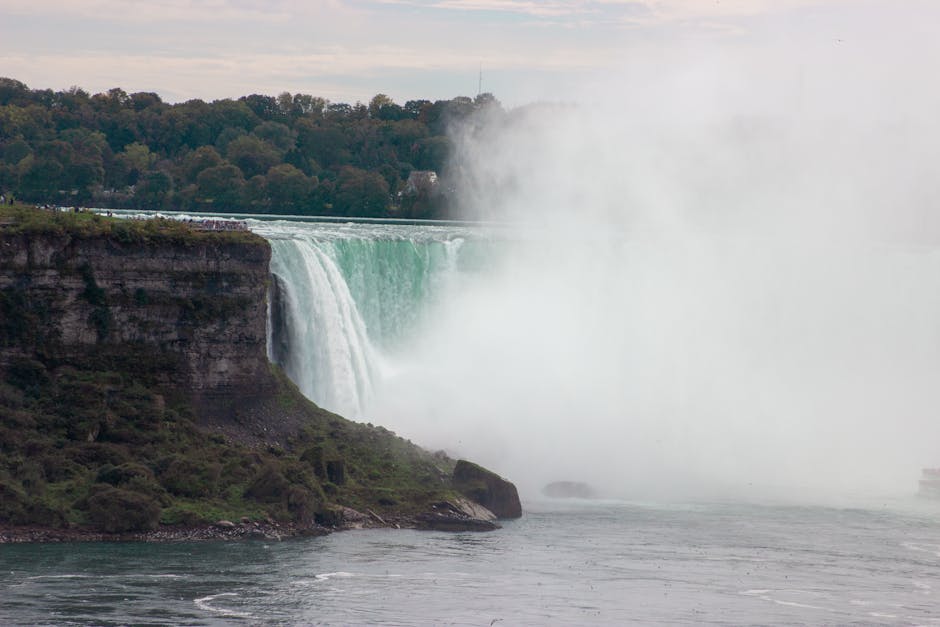
One of the most iconic waterfalls in the world, Niagara Falls straddles the border between Canada and the United States. The Canadian side offers the best views, with observation decks, boat tours (like the Hornblower Cruise), and the Journey Behind the Falls experience.
nn
The surrounding area includes wineries, casinos, and family-friendly attractions. Visit in summer for full access to outdoor activities, or in winter to see the falls partially frozen—a dramatic and less crowded scene.
nn
Gros Morne National Park (Newfoundland and Labrador)
n
A UNESCO World Heritage Site, Gros Morne showcases dramatic fjords, ancient rock formations, and rare geological features. The Tablelands, a section of exposed mantle rock, is a highlight for geology enthusiasts.
nn
Hiking trails range from easy coastal walks to challenging backcountry routes. Wildlife includes moose, caribou, and seabirds. Access is limited in winter, so plan visits between June and October.
nn
Northern Lights in the Yukon and Northwest Territories
n
For a chance to see the aurora borealis, head north. The Yukon, Northwest Territories, and northern parts of Alberta and Manitoba offer some of the best viewing conditions in the world.
nn
Whitehorse and Yellowknife are popular bases. The lights are most visible from late August to mid-April, with peak activity around the equinoxes in September and March. Clear, dark skies away from city lights are essential.
nn
Best Cities to Explore
n
Canada’s cities combine modern amenities with distinct regional character. Each offers unique cultural experiences, dining, and attractions.
nn
Toronto, Ontario
n
Canada’s largest city is a multicultural hub with neighborhoods reflecting its immigrant population. Key attractions include the CN Tower, Royal Ontario Museum, and the Distillery District.
nn
Toronto is walkable in the downtown core, with an extensive public transit system including subways, streetcars, and buses. The city hosts major festivals like Caribana and Nuit Blanche. Summer is ideal for outdoor activities, but winter brings ice skating at Nathan Phillips Square and cozy indoor markets.
nn
Vancouver, British Columbia
n
Nestled between the Pacific Ocean and the Coast Mountains, Vancouver offers easy access to both urban and natural environments. Stanley Park, Granville Island, and Capilano Suspension Bridge are must-sees.
nn
The city is bike-friendly and has a reliable SkyTrain system. Outdoor enthusiasts can ski at Grouse Mountain in winter and kayak in English Bay in summer—all within city limits. Vancouver is also a gateway to Vancouver Island and the Gulf Islands.
nn
Montreal, Quebec
n
Montreal blends European charm with North American energy. The Old Port, Mount Royal Park, and the Montreal Museum of Fine Arts are central attractions. The city is known for its food scene—poutine, bagels, and fine dining—and its vibrant arts and music culture.
nn
French is the primary language, though most people in tourist areas speak English. Summer brings festivals like the Montreal International Jazz Festival. Winter transforms the city with outdoor ice rinks and the popular Igloofest.
nn
Quebec City, Quebec
n
Old Quebec, a UNESCO World Heritage Site, features cobblestone streets, 17th- and 18th-century architecture, and the iconic Château Frontenac. It feels like stepping into old Europe.
nn
The city is compact and walkable. Visit in summer for gardens and outdoor cafes, or in winter for the Quebec Winter Carnival and the ice hotel. French is essential here—learning basic phrases will enhance your experience.
nn
Best Time to Visit Canada
n
Canada’s vast size means climate varies significantly by region and season. Timing your trip depends on your interests.
nn
- n
- Summer (June to August): Warm weather across most of the country. Ideal for hiking, festivals, and outdoor activities. Peak tourist season—book accommodations and national park passes early.
- Fall (September to October): Cooler temperatures and stunning fall foliage, especially in Ontario, Quebec, and the Maritimes. Fewer crowds and lower prices.
- Winter (November to March): Cold and snowy, but perfect for skiing, snowboarding, and winter festivals. Northern lights season in the north.
- Spring (April to May): Mild but unpredictable weather. Some parks and roads may still be closed due to snow. Good for city visits and early-season wildlife viewing.
n
n
n
n
nn
Coastal British Columbia (e.g., Vancouver) has milder winters and more rainfall, while central and eastern Canada experience colder, snowier conditions. The Arctic regions are only accessible and comfortable for travel in summer.
nn
Getting Around Canada
n
Canada’s size makes transportation planning essential. Distances between major cities can be vast, so choose your mode of transport wisely.
nn
By Air
n
Domestic flights are the fastest way to cover long distances. Airlines like Air Canada, WestJet, and regional carriers serve major cities and remote communities. Book in advance for better rates, especially during peak seasons.
nn
By Train
n
VIA Rail operates passenger trains across the country. The Canadian route from Toronto to Vancouver is legendary, offering scenic views of the Rockies. Trains are comfortable but slower and more expensive than flying. Reservations are recommended.
nn
By Car
n
Renting a car offers flexibility, especially for exploring national parks and rural areas. Roads are well-maintained, but winter driving requires caution—snow tires are mandatory in some provinces from December to March.
nn
International visitors can use their driver’s license for up to three months, but an International Driving Permit (IDP) is recommended. Gas stations are spaced far apart in remote areas—plan fuel stops carefully.
nn
By Bus
n
Greyhound and other regional bus services connect major cities. Buses are affordable but slower. Useful for budget travelers or short intercity trips.
nn
Accommodation Options
n
Canada offers a range of lodging, from luxury hotels to budget hostels and unique stays.
nn
- n
- Hotels: Available in all major cities and tourist areas. International chains and boutique properties are common.
- Motels and Inns: Common along highways, often more affordable than hotels.
- Hostels: Popular with backpackers and budget travelers. Many offer private rooms in addition to dorms.
- Vacation Rentals: Airbnb and similar platforms are widely used, especially in cities and near ski resorts.
- National Park Lodges: Historic lodges like the Fairmont Château Lake Louise offer upscale stays within parks. Book early.
- Camping: Available in most national and provincial parks. Reservations are required for popular sites.
n
n
n
n
n
n
nn
Food and Dining
n
Canadian cuisine reflects its regions and multicultural population. Expect fresh seafood on the coasts, hearty meat dishes in the prairies, and French-inspired fare in Quebec.
nn
Must-try dishes include poutine (fries with cheese curds and gravy), maple syrup products, Nanaimo bars, and Atlantic lobster. Indigenous cuisine is gaining recognition, with restaurants featuring bannock, wild game, and foraged ingredients.
nn
Tipping is customary—15–20% in restaurants. Most places accept credit cards, but carry cash for small vendors and rural areas.
nn
Money and Costs
n
Canada uses the Canadian dollar (CAD). Credit and debit cards are widely accepted. ATMs are common in cities and towns.
nn
Costs vary by region. Major cities like Toronto and Vancouver are expensive, while smaller towns and the prairies are more affordable. Budget approximately CAD $100–150 per day for mid-range travel, excluding flights and major activities.
nn
Travelers should notify their bank before departure to avoid card issues. Foreign transaction fees may apply.
nn
Safety and Health
n
Canada is one of the safest countries in the world. Violent crime is low, and public spaces are generally secure. However, petty theft can occur in tourist areas—keep valuables secure.
nn
Healthcare is publicly funded for residents. Visitors should have travel insurance that covers medical emergencies, including evacuation. Pharmacies are widely available, and major cities have walk-in clinics.
nn
Wildlife safety is important in rural and park areas. Store food properly, maintain distance from animals, and carry bear spray in bear country. Check park guidelines before hiking.
nn
Packing Essentials
n
Pack layers, regardless of season. Weather can change quickly, especially in mountains and coastal areas.
nn
- n
- Comfortable walking shoes
- Waterproof jacket and pants
- Warm clothing for winter (thermal layers, gloves, hat)
- Sunscreen and sunglasses (UV levels can be high, even in winter)
- Reusable water bottle
- Power adapter (Canada uses Type A and B plugs, 120V)
- Portable charger
n
n
n
n
n
n
n
nn
If visiting national parks, bring a daypack, map, and bear spray if recommended. For winter travel, ensure your outerwear is insulated and windproof.
nn
Travel Tips and Etiquette
n
Canadians value politeness and respect. Saying “please,” “thank you,” and “excuse me” is common. Tipping is expected in restaurants, for taxis, and in salons.
nn
Recycling and environmental responsibility are taken seriously. Many cities have strict waste sorting rules. Use reusable bags and containers when possible.
nn
Smoking is banned in indoor public spaces and many outdoor areas. Check local rules before lighting up.
nn
Respect Indigenous cultures. Many communities welcome visitors, but always ask permission before photographing people or entering sacred sites.
nn
Comparison: Major Canadian Cities at a Glance
n
| City | Best For | Language | Top Attraction | Best Season to Visit |
|---|---|---|---|---|
| Toronto | Culture, dining, urban exploration | English (multilingual) | CN Tower | June–October |
| Vancouver | Outdoor activities, nature access | English | Stanley Park | May–September |
| Montreal | Food, festivals, European vibe | French (English common) | Old Port | June–October |
| Quebec City | History, architecture, winter charm | French | Château Frontenac | June–October, December–February |
nn
Final Tips for a Great Trip
n
Plan ahead, especially for national parks and popular attractions. Many require advance reservations for entry or camping. Check official park websites for updates on trail conditions and closures.
nn
Download offline maps and translation apps. Cell service can be spotty in remote areas. Consider a local SIM card or international data plan.
nn
Be flexible. Weather and wildlife can affect plans. Have backup activities, especially in rural regions.
nn
Respect the environment. Follow Leave No Trace principles: pack out trash, stay on trails, and avoid disturbing wildlife.
nn
Canada rewards thoughtful planning and a spirit of adventure. Whether you’re marveling at a glacier, strolling through a historic district, or tasting local specialties, this Canada travel guide ensures you’re prepared for an unforgettable journey.
nn
FAQ
n
Do I need a visa to visit Canada?
n
Citizens of visa-exempt countries (including the U.S., U.K., Australia, and most EU nations) need an Electronic Travel Authorization (eTA) to fly to Canada. U.S. citizens may enter with a valid passport. Check the official Government of Canada website for current entry requirements.
nn
Is it safe to drive in Canada as a tourist?
n
Yes, but be prepared for long distances and varying road conditions. Winter driving requires snow tires in many provinces. Always carry your license, rental agreement, and insurance documents. An International Driving Permit is recommended.
nn
What’s the best way to see the northern lights in Canada?
n
Head to the Yukon, Northwest Territories, or northern Alberta between late August and mid-April. Stay outside city lights, check aurora forecasts, and allow several nights for the best chance. Guided tours from Whitehorse or Yellowknife offer expert insight and transportation.
n

