
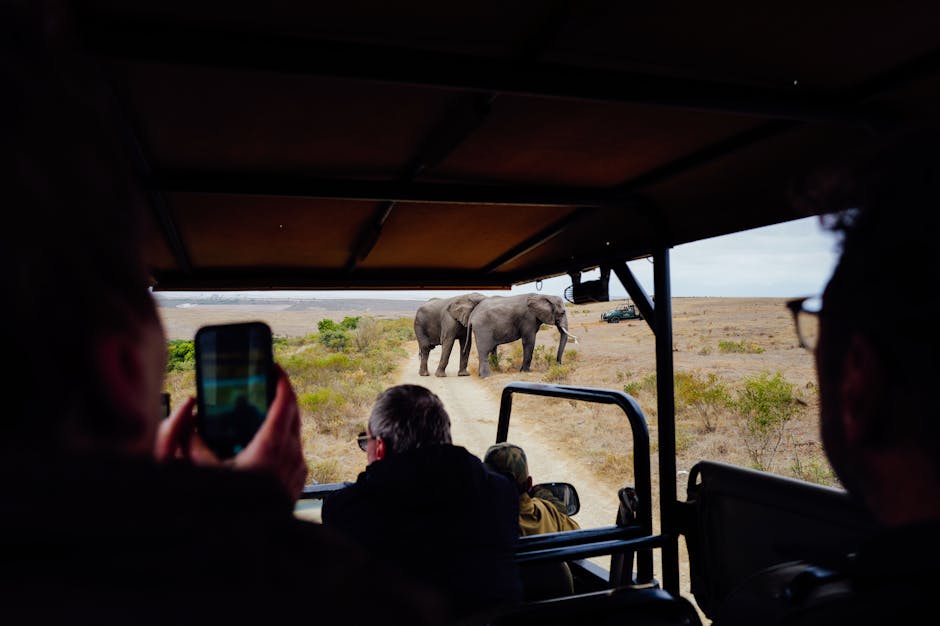
Wildlife Travel Destinations Guide: Top Places to See Animals in the Wild
Wildlife Travel Destinations Guide: Top Places to See Animals in the Wild
Planning a trip to see animals in their natural habitat? This Wildlife Travel Destinations Guide highlights the best places around the world to observe iconic species—from African savannas to Amazonian rainforests—while supporting conservation and responsible tourism. Whether you’re hoping to spot big cats, marine giants, or rare birds, these destinations offer unforgettable encounters with minimal ecological impact. Below, you’ll find detailed insights into top locations, what to expect, how to prepare, and how to travel ethically.
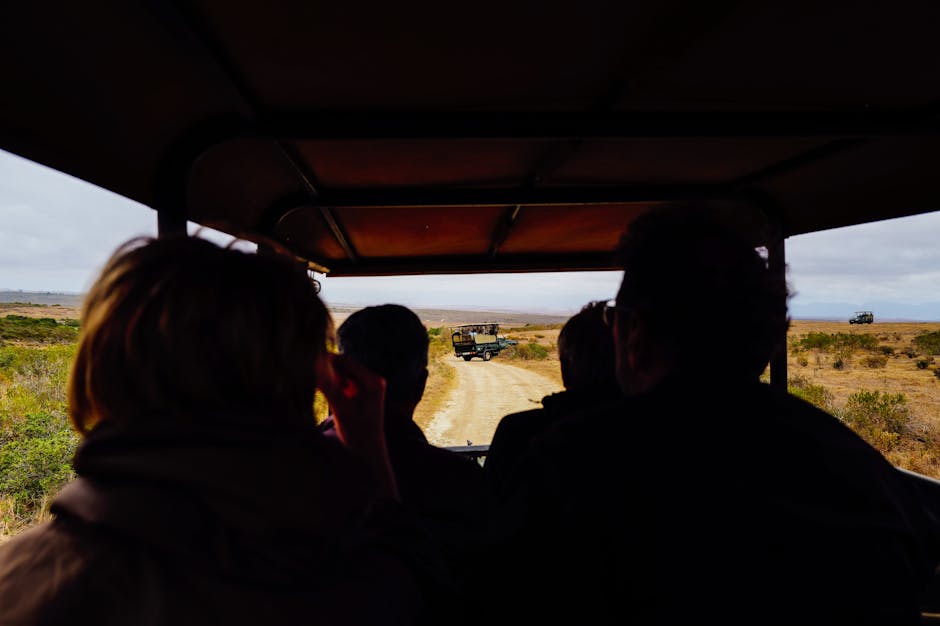
Why Choose Wildlife-Focused Travel?
Wildlife travel isn’t just about seeing animals—it’s about connecting with nature, supporting local communities, and contributing to conservation efforts. Unlike zoos or staged encounters, responsible wildlife tourism allows you to observe animals in their natural environments, often with expert guides who prioritize animal welfare and habitat protection. These experiences foster deeper appreciation and awareness, encouraging travelers to become advocates for endangered species and fragile ecosystems.
Additionally, many wildlife destinations rely on tourism revenue to fund anti-poaching units, habitat restoration, and community development. By choosing ethical operators and protected areas, your trip can directly support long-term conservation goals.

Top Wildlife Travel Destinations Around the World
1. Maasai Mara National Reserve, Kenya
One of Africa’s most celebrated safari destinations, the Maasai Mara is renowned for its high density of big cats—lions, leopards, and cheetahs—and the annual Great Migration, where over 1.5 million wildebeest and hundreds of thousands of zebras cross the Mara River between July and October. The reserve’s open grasslands make animal sightings frequent and dramatic, especially during early morning and late afternoon game drives.
Guided tours led by Maasai naturalists offer cultural context and deep ecological knowledge. Stay in eco-friendly lodges that partner with local communities to ensure tourism benefits are shared equitably.
2. Pantanal, Brazil
As the world’s largest tropical wetland, the Pantanal is a biodiversity hotspot teeming with jaguars, capybaras, giant otters, and over 650 bird species. Unlike the dense Amazon rainforest, the Pantanal’s flooded plains allow for exceptional visibility, making it one of the best places in South America to spot jaguars in the wild—particularly along the Transpantaneira Highway.

Boat safaris and guided walks provide safe, low-impact access to remote areas. The dry season (May to September) offers the best wildlife viewing, as animals congregate around shrinking water sources.
3. Ranthambore National Park, India
Home to one of the world’s most accessible tiger populations, Ranthambore combines royal history with raw wilderness. The park’s mix of dense jungle, open meadows, and ancient ruins creates a dramatic backdrop for tiger sightings. Jeep safaris are conducted in zones to minimize disturbance, and trained naturalists help track movements using ethical observation practices.
While tiger sightings aren’t guaranteed, the park also hosts leopards, sloth bears, and over 300 bird species. Visit between October and April for optimal weather and visibility.
4. Galápagos Islands, Ecuador
A living laboratory of evolution, the Galápagos Islands offer unparalleled opportunities to observe unique species like giant tortoises, marine iguanas, blue-footed boobies, and sea lions—many of which show little fear of humans due to long-term protection. Strict visitor regulations limit group sizes and dictate where you can walk, swim, or snorkel, ensuring minimal disruption.
Cruises and land-based tours are both available, with naturalist guides required on all excursions. The islands’ isolation has preserved their ecosystems, but invasive species and climate change remain ongoing threats.
5. Borneo, Malaysia
Borneo’s rainforests are among the last strongholds for endangered species like orangutans, pygmy elephants, and clouded leopards. Sepilok Orangutan Rehabilitation Centre and the Kinabatangan River offer ethical wildlife encounters, where rescued orangutans are gradually reintroduced to the wild and visitors observe from designated platforms.
River cruises at dawn and dusk increase chances of spotting proboscis monkeys and crocodiles. Choose operators certified by the Malaysian Nature Society or other conservation bodies.
6. Yellowstone National Park, USA
As the world’s first national park, Yellowstone remains a model for wildlife conservation in North America. Its geothermal features and vast wilderness support populations of grizzly bears, gray wolves, bison, elk, and bald eagles. The Lamar Valley, often called “America’s Serengeti,” is prime territory for wolf and bear sightings.
Self-driving and ranger-led tours are available, but maintaining a safe distance—especially from bears and bison—is critical. Winter visits offer quieter experiences and unique landscapes, though access is limited.
7. Antarctica
For the ultimate polar adventure, Antarctica delivers close encounters with penguins, seals, and whales in one of Earth’s last true wildernesses. Expedition cruises depart from Ushuaia, Argentina, and follow strict International Association of Antarctica Tour Operators (IAATO) guidelines to protect fragile ecosystems.
Zodiac landings allow small groups to observe colonies of Adélie, chinstrap, and gentoo penguins. The austral summer (November to March) offers milder weather and active wildlife, though conditions remain challenging.
How to Choose the Right Wildlife Destination
Not all wildlife travel experiences are equal. To ensure your trip is both rewarding and responsible, consider the following factors:
- Seasonality: Research peak wildlife viewing times. For example, the Great Migration peaks in Kenya from July to October, while Antarctic penguins are most active in December and January.
- Conservation Status: Prioritize destinations with strong protections and active conservation programs. National parks and UNESCO World Heritage Sites often have better enforcement.
- Tour Operator Ethics: Choose companies that follow “leave no trace” principles, limit group sizes, and employ local guides. Avoid attractions that involve direct contact with wild animals, such as elephant rides or photo ops with sedated tigers.
- Accessibility and Infrastructure: Some remote locations require significant travel time and physical endurance. Assess your fitness level and comfort with rustic accommodations.
- Cost and Value: Wildlife travel can be expensive, especially in remote areas. Compare what’s included—meals, permits, guides, transportation—and ensure pricing aligns with ethical standards.
Essential Tips for Responsible Wildlife Travel
Responsible travel ensures that wildlife remains undisturbed and local communities benefit. Follow these best practices:
- Keep Your Distance: Use binoculars or zoom lenses instead of approaching animals. Never feed or touch wildlife—it can alter natural behaviors and spread disease.
- Stay on Designated Paths: Venturing off trails can damage fragile habitats and increase stress on animals.
- Choose Eco-Certified Accommodations: Look for lodges with sustainability certifications, such as those from Green Globe or Rainforest Alliance.
- Support Local Economies: Purchase crafts and services from community-run cooperatives. This helps reduce reliance on extractive industries like logging or mining.
- Minimize Waste: Carry reusable water bottles, avoid single-use plastics, and pack out all trash—especially in remote areas with limited waste management.
Wildlife Travel Destinations Comparison
Not sure which destination fits your interests and budget? The table below compares key aspects of five top wildlife travel destinations to help you decide.
| Destination | Best For | Best Time to Visit | Average Cost (7-Day Trip) | Conservation Focus |
|---|---|---|---|---|
| Maasai Mara, Kenya | Big cats, Great Migration | July–October | $3,500–$5,000 | Anti-poaching, community conservancies |
| Pantanal, Brazil | Jaguars, wetland birds | May–September | $2,800–$4,200 | Habitat restoration, ecotourism |
| Ranthambore, India | Tigers, diverse birdlife | October–April | $1,800–$3,000 | Tiger conservation, anti-trafficking |
| Galápagos, Ecuador | Unique endemic species | Year-round (peak Dec–Jan) | $4,000–$7,000 | Invasive species control, marine protection |
| Borneo, Malaysia | Orangutans, pygmy elephants | March–October | $2,500–$4,000 | Rehabilitation, rainforest preservation |
What to Pack for a Wildlife Adventure
Preparation is key to a successful wildlife trip. Pack smart with these essentials:
- Clothing: Neutral-colored, lightweight, and layered clothing. Avoid bright colors and perfumes that may disturb animals.
- Footwear: Sturdy, broken-in hiking boots or trail shoes with good grip.
- Optics: Binoculars (8×42 or 10×42 recommended) and a camera with a telephoto lens.
- Health & Safety: Sunscreen, insect repellent, first-aid kit, and any required medications. Check vaccination requirements for your destination.
- Documents: Passport, visas, travel insurance, and permits. Some parks require advance booking.
- Eco Gear: Reusable water bottle, solar charger, and biodegradable toiletries.
Common Mistakes to Avoid
Even experienced travelers can make errors that impact wildlife or their own safety. Avoid these common pitfalls:
- Overpacking Your Itinerary: Wildlife sightings require patience. Rushing between locations reduces your chances of meaningful encounters.
- Ignoring Local Guidelines: Rules exist to protect both visitors and animals. Never ignore park signage or guide instructions.
- Choosing Unlicensed Operators: Cheap tours may cut corners on safety or ethics. Always verify operator credentials and read recent reviews.
- Expecting Guaranteed Sightings: Wildlife is unpredictable. Focus on the experience, not just ticking species off a list.
- Underestimating Costs: Hidden fees for permits, park entry, or gear rentals can add up. Budget carefully and ask for detailed quotes.
Final Thoughts: Travel with Purpose
A well-planned wildlife adventure offers more than stunning photos and thrilling moments—it fosters a deeper connection to the natural world and inspires lasting stewardship. By choosing destinations that prioritize conservation and community, you help ensure that future generations can also experience the wonder of wild animals in their natural habitats.
This Wildlife Travel Destinations Guide is designed to help you make informed, ethical, and memorable choices. Whether you’re drawn to the roar of a lion on the savanna or the silent glide of a jaguar through flooded forest, your journey can contribute to a healthier planet.
FAQ
What is the best time of year for wildlife travel?
The ideal time varies by region. In Africa, the dry season (June–October) offers better visibility and animal concentrations. In polar regions, summer months provide the most activity. Always research seasonal patterns for your specific destination.
How can I ensure my wildlife tour is ethical?
Look for operators that follow guidelines from organizations like the Global Sustainable Tourism Council (GSTC) or IAATO. Avoid experiences that involve direct contact with animals, captivity, or feeding. Support tours that employ local guides and contribute to conservation projects.
Is wildlife travel safe?
Generally, yes—when done responsibly. Follow all safety instructions, maintain safe distances from animals, and travel with experienced guides. Most incidents occur due to human error, not animal aggression. Proper preparation and respect for wildlife significantly reduce risks.

