
Travel Packing Tips for Stress Free Vacation Every Time
Travel Packing Tips for Stress Free Vacation Every Time
Travel packing doesn’t have to be overwhelming. With smart strategies, you can pack efficiently, avoid common pitfalls, and enjoy a stress free vacation every time. Whether you’re heading to a tropical beach, a bustling city, or a mountain retreat, these proven travel packing tips will help you travel lighter, smarter, and more confidently. From choosing the right luggage to organizing essentials, this guide covers everything you need to streamline your packing routine and start your trip on the right foot.
Why Smart Packing Matters
Packing well is more than just convenience—it directly impacts your travel experience. Overpacking leads to heavy bags, extra fees, and constant stress. Underpacking leaves you unprepared for weather changes or unexpected events. A balanced, intentional approach ensures you have what you need without the burden. Travel packing tips that prioritize organization, versatility, and efficiency help reduce anxiety at the airport, during transit, and at your destination. When you pack with purpose, you free up mental and physical energy to enjoy your vacation fully.
Start with the Right Luggage
Your suitcase or backpack sets the foundation for a smooth trip. Choose a bag that fits your travel style and airline requirements. For short trips, a carry-on is ideal—most airlines allow 22 x 14 x 9 inches (56 x 36 x 23 cm) including wheels. A personal item like a tote or small backpack should complement your main bag without exceeding size limits.
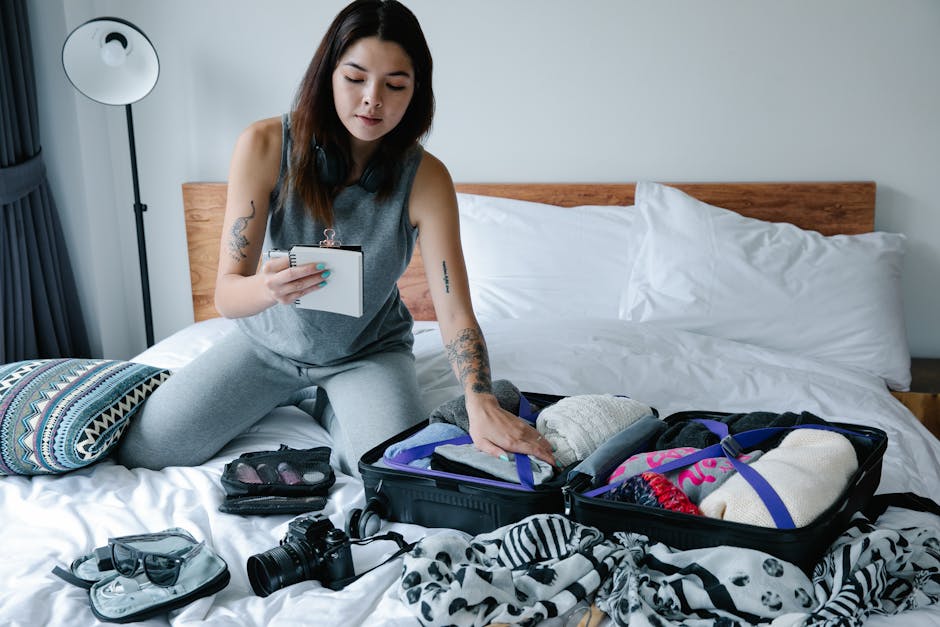
Hard-shell suitcases offer protection but can be heavier and less flexible. Soft-shell bags are lighter and expandable, making them better for variable packing needs. Consider features like TSA-approved locks, 360-degree spinner wheels, and multiple compartments. For frequent travelers, investing in durable, lightweight luggage pays off in the long run.
Example: A 40L carry-on backpack works well for weekend getaways, while a 70L duffel suits longer adventures. Always check your airline’s baggage policy before booking—budget carriers often have stricter size and weight limits.
Make a Packing List (and Stick to It)
A detailed packing list prevents last-minute panic and forgotten essentials. Create a master list tailored to your destination, climate, and activities. Use categories like clothing, toiletries, electronics, and documents to stay organized.
Sample packing list for a 5-day city trip:
- 4 tops (mix of casual and dressy)
- 2 bottoms (jeans, trousers, or skirts)
- 1 lightweight jacket or sweater
- 5 pairs of underwear and socks
- 1 pair of walking shoes
- 1 pair of casual shoes or sandals
- Toiletries in travel-sized containers
- Phone charger and power bank
- Passport, ID, and travel insurance documents
- Reusable water bottle and snacks
Use apps like PackPoint or Google Keep to generate smart lists based on weather and trip length. Review and update your list after each trip to refine your system.
Roll, Don’t Fold
Rolling clothes instead of folding saves space and reduces wrinkles. This technique allows you to fit more into your bag and makes it easier to see what you’ve packed. For delicate items like dresses or suits, use tissue paper or garment folders to minimize creasing.
Try the bundle wrapping method for even better results: lay items flat, then wrap them around a core item like a belt or small pouch. This keeps everything compact and organized.
Warning: Avoid over-rolling thin fabrics like silk, which may develop permanent creases. Use packing cubes to separate rolled items by category—underwear in one, tops in another—making retrieval quick and tidy.
Use Packing Cubes and Organizers
Packing cubes are game-changers for organization. They compress clothing, separate clean from dirty items, and make unpacking at your hotel a breeze. Choose cubes in different sizes: small for socks and accessories, medium for shirts, and large for pants or dresses.
Other helpful organizers include:
- Shoe bags to protect clothes from dirt
- Cable organizers for chargers and adapters
- Toiletry kits with leak-proof compartments
- Compression sacks for bulky items like jackets
Tip: Color-code your cubes by family member or clothing type. This is especially useful for group travel.
Pack Toiletries Smartly
Liquid restrictions apply to carry-ons: containers must be 3.4 ounces (100ml) or less and fit in a single quart-sized, clear, resealable bag. To avoid spills, use travel-sized bottles with secure caps and place them in a zip-top bag.
Solid toiletries like shampoo bars, toothpaste tablets, and deodorant sticks save space and bypass liquid rules. They’re also eco-friendly and last longer than liquid versions.
Essential toiletries checklist:
- Toothbrush and toothpaste
- Shampoo and conditioner (or bars)
- Body wash or soap
- Deodorant
- Sunscreen
- Moisturizer
- Medications (in original packaging if possible)
- Contact lens solution and case
Store liquids upright in the center of your bag to reduce pressure on the bag’s seal. Consider decanting full-size products into smaller containers before departure.
Choose Versatile Clothing
Pack clothes that mix and match easily. Neutral colors like black, navy, gray, and beige coordinate well and reduce the number of items needed. A capsule wardrobe—curated outfits that work together—maximizes outfit options with minimal pieces.
Example: One pair of dark jeans, two tops (one white blouse, one striped tee), and a blazer can create three distinct looks—casual, business-casual, and evening wear.
Layering is key for variable climates. A lightweight base layer, mid-layer like a fleece, and outer shell jacket adapt to temperature changes without adding bulk.
Footwear should be limited and practical. One pair of supportive walking shoes covers most needs. Flip-flops or sandals work for beaches or showers. Avoid packing new shoes—they may cause blisters.
Pack Electronics Wisely
Bring only what you’ll use. A smartphone, charger, and power bank cover most needs. If you’re traveling internationally, pack a universal adapter and check voltage compatibility for devices like hair dryers or electric razors.
Keep electronics in your carry-on. Checked bags are more likely to be lost or tampered with. Use a padded sleeve for laptops or tablets.
Backup important data before you go. Upload photos, documents, and contacts to cloud storage. Consider a portable hard drive for extra security.
Tip: Label cords and chargers with tape or tags to avoid confusion. A multi-port USB charger reduces the number of plugs needed.
Prepare Important Documents
Keep travel documents secure and accessible. Store originals in a travel wallet or document organizer. Make digital copies and email them to yourself or a trusted contact.
Essential documents include:
- Passport (valid for at least 6 months beyond travel dates)
- Visa (if required)
- Flight and hotel confirmations
- Travel insurance details
- Emergency contact information
- Vaccination records (if needed)
Use a money belt or hidden pouch for cash and cards. Avoid carrying all your cards and cash in one place.
Weigh Your Bag Before You Go
Excess baggage fees can be costly. Most airlines allow 50 lbs (23 kg) for checked bags and 15–25 lbs (7–12 kg) for carry-ons. Weigh your bag at home using a bathroom or luggage scale.
If you’re close to the limit, remove non-essentials or wear your heaviest items (like boots or a jacket) during travel. This simple step can save you $50–$150 in fees.
Example: A packed suitcase weighing 48 lbs is safe for most airlines. At 52 lbs, you’re likely to pay an overweight fee.
Pack for the Return Trip
Leave room in your bag for souvenirs or items purchased abroad. Roll soft items like scarves or T-shirts to fill gaps. Use compression cubes to expand capacity.
Pack a small foldable tote or duffel in your main bag. It doubles as a beach bag or extra carry-on on the way home.
Warning: Be aware of customs restrictions. Some items—like fresh food, plants, or certain electronics—may be prohibited or require declaration.
Travel Packing Tips for Specific Destinations
Different trips require different approaches. Adjust your packing based on climate, culture, and activities.
Beach Vacation
Focus on sun protection and swimwear. Pack:
- 2–3 swimsuits
- Rash guard or cover-up
- Sunglasses and wide-brimmed hat
- Reef-safe sunscreen
- Waterproof phone case
- Flip-flops and water shoes
Avoid overpacking formal clothes—most beach destinations are casual.
City Break
Comfort and style go hand in hand. Bring:
- Comfortable walking shoes
- Light layers for indoor/outdoor temperature shifts
- Daypack for sightseeing
- Portable charger
- Reusable water bottle
Check local dress codes—some museums or religious sites require covered shoulders or knees.
Adventure Travel
Durability and functionality are key. Include:
- Moisture-wicking base layers
- Waterproof jacket and pants
- Hiking boots (broken in)
- First-aid kit
- Headlamp or flashlight
- Water purification tablets
Pack light but prepare for weather extremes and limited access to supplies.
Common Packing Mistakes to Avoid
Even experienced travelers make errors. Watch out for these common pitfalls:
- Overpacking shoes: Limit to 2–3 pairs max.
- Forgetting a power adapter: Research your destination’s plug type in advance.
- Packing liquids in checked bags without protection: Use leak-proof bags even in checked luggage.
- Not labeling bags: Add a luggage tag with your name and contact info.
- Ignoring weather forecasts: Check the 10-day forecast before finalizing your packing list.
Avoiding these mistakes saves time, money, and frustration.
Final Checklist Before You Leave
Run through this quick checklist 24 hours before departure:
- Passport and tickets ready
- Phone fully charged and backed up
- Home secured (lights on timers, mail held)
- Medications packed and labeled
- Carry-on contains essentials (meds, charger, change of clothes)
- Luggage weighed and within limits
- Packing cubes and organizers in place
This final review ensures nothing critical is overlooked.
Travel Packing Tips for Stress Free Vacation Every Time
Consistency is key. Develop a personal packing system and refine it with each trip. Use the same bag, cubes, and checklist to build muscle memory. Over time, packing becomes second nature, and your confidence grows.
Remember: the goal isn’t perfection—it’s peace of mind. With these travel packing tips, you’ll spend less time worrying about what to bring and more time enjoying where you’re going. A stress free vacation starts long before you board the plane—it begins with smart, intentional packing.
FAQ
How can I avoid overpacking?
Stick to a packing list, choose versatile clothing, and limit shoes. Roll clothes to save space and use packing cubes to stay organized. Weigh your bag before leaving to stay within airline limits.
What should I always keep in my carry-on?
Keep medications, travel documents, a change of clothes, phone charger, and valuables in your carry-on. This ensures you have essentials even if your checked bag is delayed or lost.
Are packing cubes worth it?
Yes. Packing cubes compress clothing, separate items by category, and make unpacking faster. They’re especially helpful for families or long trips.
Comparison: Rolling vs. Folding Clothes
| Method | Space Saved | Wrinkle Risk | Best For |
|---|---|---|---|
| Rolling | High | Low to moderate | Casual clothes, t-shirts, jeans |
| Folding | Low | High | Dress shirts, suits, delicate fabrics |
Rolling is generally better for most travel clothing, while folding suits formal or structured items. Use both methods based on the garment type.

