
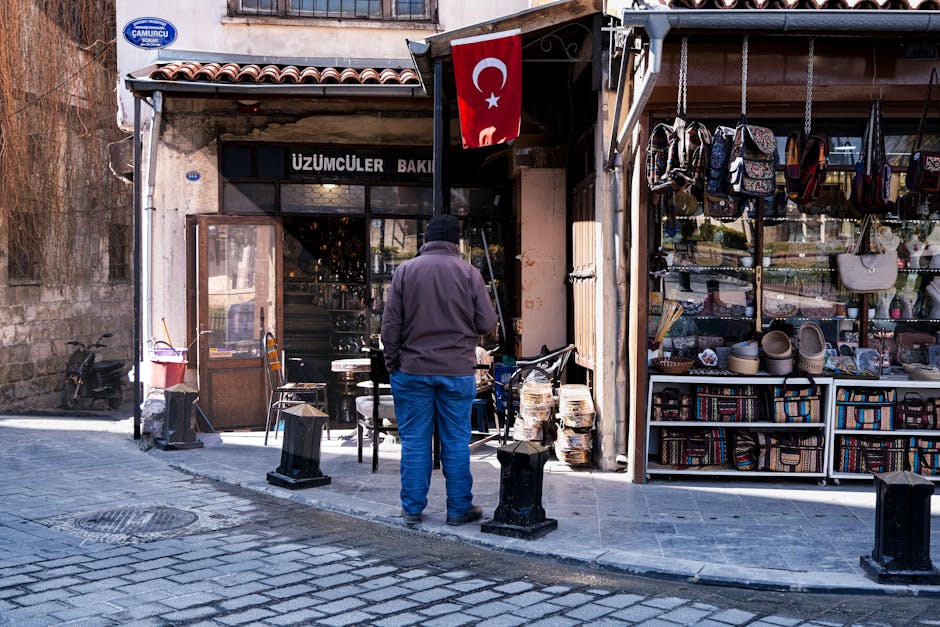
Travel Guide for Shopping Lovers: Where to Shop, What to Buy, and How to Save
For travelers who love to shop, every destination offers a unique retail experience—from bustling street markets to luxury boutiques and tax-free outlets. This travel guide for shopping lovers covers the best shopping destinations worldwide, insider tips for scoring deals, cultural shopping etiquette, and practical advice to help you shop smarter while traveling. Whether you’re hunting for authentic local crafts, designer fashion, or rare souvenirs, this guide helps you make the most of your retail adventures abroad.
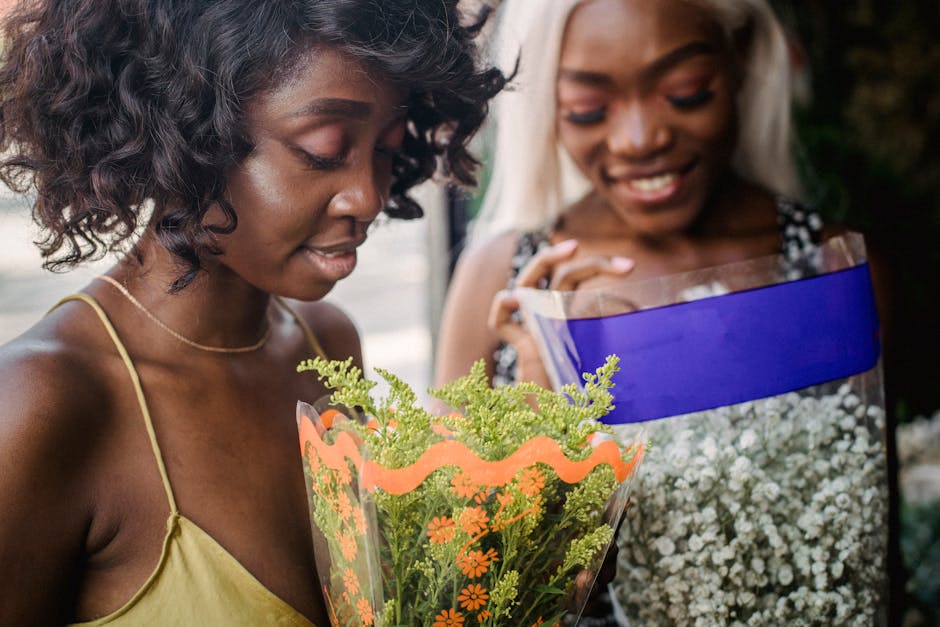
Why Shopping Enhances the Travel Experience
Shopping isn’t just about acquiring goods—it’s a window into a destination’s culture, craftsmanship, and daily life. When done thoughtfully, shopping supports local economies, preserves traditional arts, and gives you meaningful mementos that go beyond generic souvenirs. For many travelers, browsing through open-air markets, discovering hidden boutiques, or negotiating prices in a foreign language becomes a highlight of the trip.
However, shopping while traveling requires strategy. Without planning, you risk overspending, buying counterfeit items, or missing out on authentic finds. This guide helps you navigate those pitfalls and turn shopping into a rewarding part of your journey.

Top Global Destinations for Shopping Lovers
Different cities cater to different shopping styles. Some are known for high-end fashion, others for vintage treasures or handmade goods. Below are standout destinations that consistently delight shopping enthusiasts.
Tokyo, Japan: A Paradise for Tech, Fashion, and Quirky Finds
Tokyo blends tradition and innovation in its retail scene. From the neon-lit streets of Shibuya to the vintage clothing racks in Harajuku, the city offers endless variety. Akihabara is ideal for electronics and anime collectibles, while Ginza hosts flagship stores from global luxury brands.
Don’t miss the department stores like Isetan or Takashimaya, which feature curated local products, from matcha sweets to handcrafted ceramics. For unique souvenirs, visit Kappabashi Street, known as “Kitchen Town,” where you can buy realistic plastic food models and professional-grade knives.

Tip: Many stores offer tax-free shopping for tourists. Bring your passport and look for the “Tax-Free” logo.
Paris, France: The Capital of Fashion and Elegance
Paris is synonymous with style. The Champs-Élysées and Rue du Faubourg Saint-Honoré are lined with luxury boutiques, while Le Marais offers independent designers and vintage shops. Galeries Lafayette and Le Bon Marché provide a mix of high fashion and gourmet food halls.
For authentic French goods, seek out specialty food shops like Fauchon or La Grande Épicerie. Look for regional products such as lavender from Provence, Dijon mustard, or hand-painted Limoges porcelain.
Warning: Avoid overly crowded tourist shops near major landmarks—prices are often inflated and quality questionable.
Bangkok, Thailand: Bustling Markets and Bargaining Culture
Bangkok thrives on its vibrant street markets. Chatuchak Weekend Market is one of the largest in the world, with over 15,000 stalls selling everything from silk scarves to antique furniture. For a more upscale experience, Siam Paragon and CentralWorld offer international brands and air-conditioned comfort.
Bargaining is expected in most markets. Start by offering half the asking price and negotiate politely. Vendors often accept a compromise around 60–70% of the original price.
Best buys include Thai silk, handmade jewelry, and traditional herbal remedies. Be cautious with branded goods—counterfeit items are common in tourist-heavy areas.
New York City, USA: Diverse Neighborhoods and Department Store Giants
New York’s shopping scene reflects its cultural diversity. Fifth Avenue is home to flagship stores like Saks Fifth Avenue and Tiffany & Co., while SoHo features trendy boutiques and art galleries. For bargain hunters, Century 21 and Century 21 Downtown offer discounted designer apparel.
Brooklyn’s Williamsburg neighborhood is ideal for vintage clothing, handmade jewelry, and indie designer pop-ups. Don’t overlook smaller shops in the East Village or Greenwich Village for unique finds.
Note: Sales tax in New York is around 8.875%, and it’s not refundable to tourists. Factor this into your budget.
Dubai, UAE: Luxury Malls and Gold Souks
Dubai is a haven for luxury shopping. The Dubai Mall and Mall of the Emirates feature over 1,200 retail outlets, including high-end fashion, electronics, and even an indoor ski slope. The Gold Souk in Deira offers dazzling displays of gold jewelry at competitive prices.
Perfume and spices are also popular purchases. Look for oud, a fragrant resin used in traditional Arabic perfumes, or saffron from local vendors.
Tip: Visit during the Dubai Shopping Festival (usually January–February) for discounts up to 70% and entertainment events.
How to Shop Smart While Traveling
Smart shopping starts before you even board the plane. Preparation ensures you spend wisely, avoid scams, and return home with items you truly love.
Research Before You Go
Identify must-visit shopping districts and stores in your destination. Read recent traveler reviews on platforms like TripAdvisor or Google Maps. Look for shops that specialize in authentic local products rather than mass-produced souvenirs.
Check if your destination offers tax refunds for tourists. Countries like Japan, France, and South Korea have formal tax-free shopping programs. You’ll typically need to spend a minimum amount and present your passport at checkout.
Pack Light and Leave Room for Purchases
Bring a collapsible duffel bag or packing cubes to organize new items. Consider shipping heavier purchases home instead of carrying them. Many stores offer international shipping, though costs and delivery times vary.
If you’re flying, check your airline’s baggage allowance. Excess weight fees can quickly offset savings from discounted shopping.
Bargain Respectfully
In many cultures, bargaining is part of the shopping experience. In markets across Southeast Asia, the Middle East, and parts of Africa, fixed prices are rare. Approach negotiations with a smile and a respectful tone.
Avoid aggressive haggling—it can be seen as rude. Instead, ask, “Is this your best price?” or “Can you do a little better?” Often, vendors will offer a small discount to close the sale.
Know What’s Authentic—and What’s Not
Tourist traps often sell counterfeit or low-quality items labeled as “authentic.” Learn to identify genuine products. For example, real Thai silk has a smooth texture and subtle sheen, while fake versions feel rough and shiny.
Ask for certificates of authenticity when buying high-value items like jade, gemstones, or antiques. Reputable dealers will provide documentation.
Use Local Payment Methods
Credit cards are widely accepted in major cities, but smaller vendors may only take cash. Carry local currency and avoid exchanging money at airports, where rates are poor.
Some countries, like Japan and South Korea, are increasingly cashless. Consider getting a travel-friendly debit card with low foreign transaction fees.
What to Buy: A Region-by-Region Guide
Each region offers signature products that make meaningful souvenirs. Here’s what to look for based on your destination.
| Region | Recommended Purchases | Tips |
|---|---|---|
| Europe | Swiss watches, Italian leather goods, French perfumes, Scottish wool | Look for VAT refunds; avoid counterfeit handbags near tourist sites |
| Asia | Japanese ceramics, Indian spices, Chinese silk, Thai silk | Bargain in markets; verify authenticity of gemstones |
| Middle East | Persian rugs, Arabic perfumes, Turkish delight, gold jewelry | Negotiate politely; buy rugs from certified dealers |
| Americas | Mexican textiles, Peruvian alpaca wool, American Native crafts | Support indigenous artisans; avoid mass-produced imitations |
Avoiding Common Shopping Pitfalls
Even experienced travelers can fall into shopping traps. Here’s how to avoid the most common mistakes.
- Impulse Buying: It’s easy to get swept up in the excitement of a new market. Set a daily shopping budget and stick to it.
- Overpacking: You don’t need five pairs of earrings. Focus on quality over quantity. Choose items you’ll actually use or display.
- Ignoring Customs Rules: Some countries restrict the import of certain goods, like food, plants, or cultural artifacts. Check your home country’s customs regulations before buying.
- Falling for “Too Good to Be True” Deals: If a Rolex watch is being sold for $50 in a back alley, it’s fake. Stick to reputable stores.
- Not Keeping Receipts: You’ll need receipts for tax refunds, returns, or insurance claims. Store them in a secure folder or digital app.
Sustainable and Ethical Shopping While Traveling
Responsible travel includes mindful shopping. Support local artisans and businesses that treat workers fairly and use sustainable practices.
Seek out cooperatives and fair-trade shops, which often sell handmade goods like textiles, jewelry, and home decor. In Oaxaca, Mexico, for example, you can buy handwoven rugs directly from indigenous weavers. In Bali, look for eco-friendly batik workshops that use natural dyes.
Avoid mass-produced souvenirs made in factories overseas. They may be cheaper, but they don’t reflect the local culture and often harm the environment.
Final Tips for the Savvy Travel Shopper
With the right approach, shopping can be one of the most enjoyable parts of your trip. Keep these final tips in mind:
- Start shopping mid-trip, not on day one—you’ll have a better sense of what you truly want.
- Take photos of items you like but aren’t ready to buy. You can return later or research them online.
- Ask locals for recommendations. Hotel staff, tour guides, and fellow travelers often know the best hidden shops.
- Be cautious with food items. Some countries restrict imported goods, and perishables may spoil during travel.
- Enjoy the process. Shopping is as much about the experience as the purchase.
Conclusion
This travel guide for shopping lovers equips you with the knowledge to shop confidently, ethically, and enjoyably around the world. From Tokyo’s tech hubs to Parisian fashion houses and Bangkok’s vibrant markets, every destination offers unique retail experiences. By planning ahead, respecting local customs, and focusing on authentic, high-quality items, you’ll return home with more than just souvenirs—you’ll carry memories of connection, discovery, and smart travel.
FAQ
Can I get a tax refund when shopping abroad?
Yes, many countries offer tax refunds for tourists on qualifying purchases. You’ll typically need to spend a minimum amount, present your passport, and request a tax-free form at checkout. Refunds can be processed at the airport or via mail.
Is it safe to buy jewelry and watches while traveling?
It can be, but only from reputable dealers. Look for certified sellers, ask for authenticity documents, and avoid street vendors selling luxury brands at suspiciously low prices. Research the market value beforehand.
How do I avoid buying counterfeit goods?
Stick to well-known stores, markets with vendor credentials, and shops recommended by locals or trusted travel guides. Be wary of “designer” items sold in unofficial locations. When in doubt, don’t buy.

