

Travel Guide for History Lovers: Explore the World’s Most Fascinating Historic Sites
If you’re passionate about the past, a travel guide for history lovers is your essential companion to discovering ancient ruins, medieval castles, and pivotal battlefields across the globe. This comprehensive guide highlights must-visit destinations rich in historical significance, offers practical planning tips, and helps you experience history firsthand through immersive, well-researched journeys. Whether you’re drawn to Roman engineering, colonial architecture, or World War II landmarks, this guide equips you with the knowledge and tools to plan a meaningful and enriching trip.

Why Choose a Travel Guide for History Lovers?
History isn’t confined to textbooks—it lives in the cobblestone streets of old towns, the walls of centuries-old fortresses, and the quiet halls of museums that preserve human stories. A dedicated travel guide for history lovers goes beyond typical sightseeing, focusing on sites where pivotal events unfolded, cultures evolved, and legacies were forged. These trips offer more than photo opportunities; they provide context, depth, and emotional resonance.
Unlike general travel guides, a history-focused resource prioritizes authenticity, educational value, and access to lesser-known sites often overlooked by mainstream tourism. It helps travelers avoid superficial visits and instead engage with the past through expertly curated itineraries, local insights, and historical narratives that bring each destination to life.
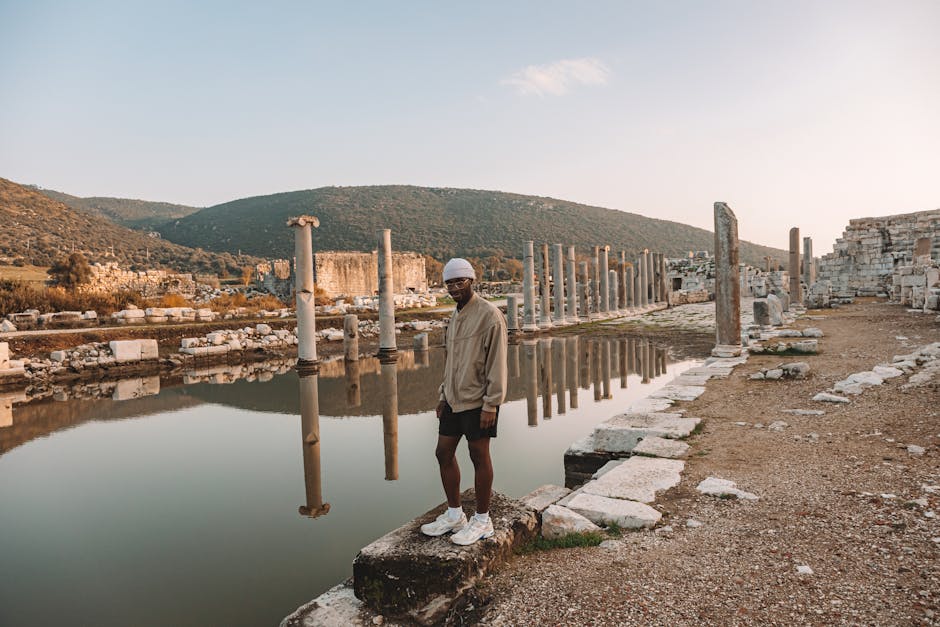
Top Historic Destinations for Every Interest
History spans continents and millennia, so your travel choices should reflect your specific interests. Below are standout destinations categorized by historical theme to help you tailor your journey.
Ancient Civilizations
- Egypt – The Pyramids of Giza and Luxor: Walk among the last surviving Wonder of the Ancient World and explore the Valley of the Kings, where pharaohs like Tutankhamun were laid to rest. The temples of Karnak and Luxor offer stunning examples of New Kingdom architecture.
- Greece – Athens and Delphi: Stand in the shadow of the Parthenon, a symbol of classical democracy and philosophy. Delphi, once considered the center of the world in Greek mythology, offers breathtaking mountain views and archaeological ruins.
- Peru – Machu Picchu and Cusco: This 15th-century Inca citadel, perched high in the Andes, showcases advanced engineering and urban planning. Cusco, the former capital of the Inca Empire, blends indigenous and Spanish colonial influences.
Medieval and Renaissance Europe
- France – Carcassonne and Mont Saint-Michel: The fortified city of Carcassonne is a remarkably preserved example of medieval architecture. Mont Saint-Michel, a tidal island abbey, has served as a religious site since the 8th century.
- Germany – Rothenburg ob der Tauber: This Bavarian town retains its medieval walls, towers, and half-timbered houses, offering a living glimpse into life during the Holy Roman Empire.
- Italy – Florence and Rome: Florence was the cradle of the Renaissance, home to Michelangelo’s David and Brunelleschi’s dome. Rome layers history from the Roman Republic through the Vatican, with landmarks like the Colosseum and the Pantheon.
Colonial and Revolutionary Eras
- United States – Boston and Philadelphia: Walk the Freedom Trail in Boston to see sites tied to the American Revolution, including Paul Revere’s home and the Old North Church. Philadelphia’s Independence Hall is where the Declaration of Independence was signed.
- India – Delhi and Agra: Explore the Mughal legacy at the Red Fort and Humayun’s Tomb in Delhi, then visit the Taj Mahal in Agra—a mausoleum built by Shah Jahan in memory of his wife.
- Cuba – Havana: With its colorful Spanish colonial buildings and vintage American cars, Havana offers a vivid look at 20th-century Caribbean history and the Cold War era.
World War II and Modern History
- Poland – Auschwitz-Birkenau and Warsaw: Visiting Auschwitz is a solemn reminder of the Holocaust. Warsaw’s Old Town, painstakingly rebuilt after WWII, and the Warsaw Uprising Museum provide powerful insights into resistance and resilience.
- Germany – Berlin: The Berlin Wall Memorial, Checkpoint Charlie, and the Topography of Terror document the city’s divided past. The Holocaust Memorial near the Brandenburg Gate is a poignant tribute.
- Japan – Hiroshima and Nagasaki: The Peace Memorial Park and Museum in Hiroshima preserve the memory of the atomic bombing and advocate for global peace.
How to Plan Your Historical Journey
A successful history-focused trip requires thoughtful preparation. Follow these steps to ensure a rewarding experience:
1. Define Your Historical Interests
Start by identifying the time periods, regions, or events that intrigue you most. Are you fascinated by ancient Egypt, the American Civil War, or the fall of the Berlin Wall? Narrowing your focus helps you choose destinations that align with your passions and avoid itinerary overload.

2. Research Key Sites and Museums
Use reputable sources such as UNESCO World Heritage listings, national tourism boards, and academic travel guides to identify must-see locations. Look for sites with on-site museums, audio guides, or expert-led tours, as these enhance understanding and engagement.
3. Prioritize Accessibility and Timing
Some historical sites are remote or require special permits. For example, visiting the ancient city of Petra in Jordan involves a hike through the Siq, while access to certain areas of the Acropolis in Athens may be restricted during peak hours. Check opening times, seasonal closures, and advance booking requirements.
4. Hire Local Guides
Local historians or certified guides offer context that guidebooks can’t match. In cities like Rome or Kyoto, a knowledgeable guide can explain architectural details, cultural symbolism, and untold stories behind the monuments. Many offer small-group or private tours tailored to history enthusiasts.
5. Respect Cultural and Historical Sensitivities
Some sites are sacred or serve as memorials. Dress appropriately, follow photography rules, and refrain from touching artifacts. At places like Auschwitz or Hiroshima, maintain a respectful demeanor and avoid loud conversations.
Essential Tips for History Travelers
- Pack a notebook or digital recorder: Jot down observations, quotes from guides, or personal reflections. These notes enrich your experience and help preserve memories.
- Download offline maps and translation apps: Many historical sites have limited signage in English. Offline tools ensure you don’t miss important information.
- Visit during shoulder seasons: Spring and fall often offer milder weather and fewer crowds, allowing for more contemplative exploration.
- Support preservation efforts: Consider donating to site maintenance funds or purchasing tickets that contribute to conservation.
Comparing Popular Historic Destinations
Choosing between destinations can be challenging. The table below compares key factors to help you decide based on your travel style and interests.
| Destination | Era | Best For | Accessibility | Visitor Tips |
|---|---|---|---|---|
| Machu Picchu, Peru | 15th Century (Inca) | Ancient engineering, mountain scenery | Moderate (requires train/hike) | Book permits early; acclimate in Cusco first |
| Colosseum, Italy | 1st Century AD (Roman) | Gladiatorial history, architecture | High (central Rome) | Skip-the-line tickets recommended; combine with Roman Forum |
| Hiroshima Peace Memorial, Japan | 20th Century (WWII) | Modern history, peace education | High (urban location) | Visit early morning for quiet reflection; museum is free |
| Angkor Wat, Cambodia | 12th Century (Khmer Empire) | Religious architecture, jungle setting | Moderate (requires tuk-tuk/bike) | Arrive at sunrise; wear modest clothing |
Avoiding Common Mistakes
Even seasoned travelers can stumble when visiting historic sites. Here are common pitfalls and how to avoid them:
- Overpacking your itinerary: Trying to see too much in one day leads to fatigue and superficial experiences. Limit yourself to two major sites per day, with time for reflection.
- Ignoring local customs: In countries like Japan or India, removing shoes before entering temples or covering shoulders is expected. Research etiquette beforehand.
- Relying solely on guidebooks: While useful, printed guides may be outdated. Cross-reference with official websites or recent traveler reviews.
- Neglecting travel insurance: Historic sites often involve walking, climbing, or remote locations. Insurance covers medical emergencies and trip cancellations.
Making History Come Alive
The best historical travel experiences go beyond observation—they invite participation. Attend a reenactment at Gettysburg, join a calligraphy workshop in Kyoto, or take a cooking class using ancient Roman recipes in Italy. These activities deepen your connection to the past and create lasting memories.
Photography is another powerful tool. Capture not just the monuments, but the details: weathered inscriptions, traditional clothing, or local artisans at work. These images tell a richer story than wide-angle shots alone.
Final Thoughts
A well-planned travel guide for history lovers transforms a vacation into a journey through time. By choosing destinations aligned with your interests, preparing thoroughly, and engaging respectfully with each site, you’ll gain a deeper appreciation for the events and people that shaped our world. Whether you’re tracing the footsteps of emperors or reflecting on moments of human resilience, history travel offers both education and inspiration.
FAQ
What should I pack for a history-focused trip?
Essentials include comfortable walking shoes, a daypack, a reusable water bottle, a notebook, and a power bank. Depending on the destination, bring sun protection, layers for temperature changes, and any required permits or printed tickets.
Are guided tours worth it for history sites?
Yes, especially for complex sites like the Acropolis or Auschwitz. Local guides provide context, answer questions, and often access restricted areas. Look for certified guides affiliated with tourism boards or reputable tour companies.
How can I travel responsibly to historic locations?
Stick to marked paths, avoid touching artifacts, support local businesses, and follow all posted rules. Consider offsetting your carbon footprint and choosing eco-friendly accommodations when possible.

