
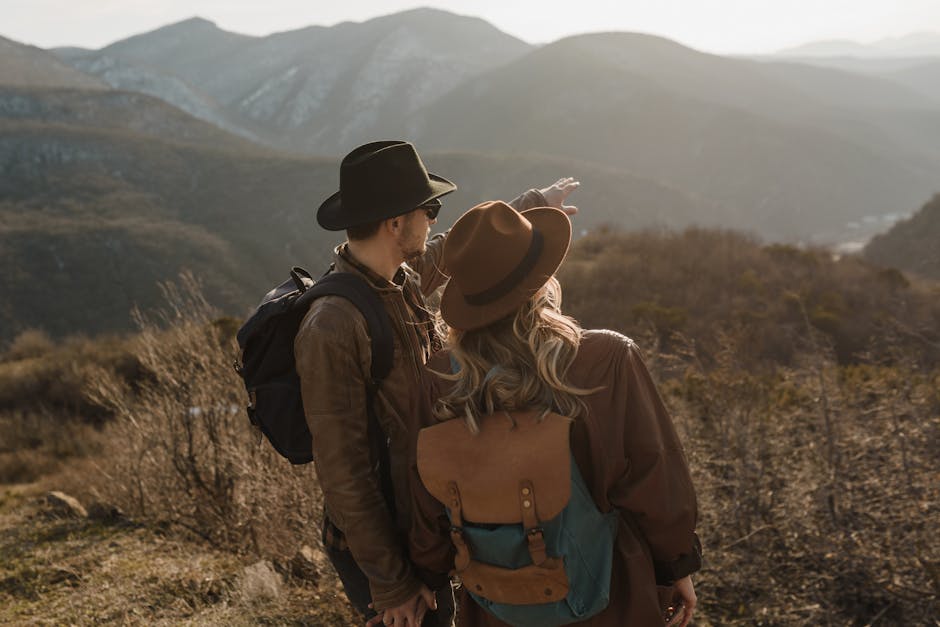
Travel Guide for Adventure Lovers: Explore the World with Confidence
Whether you’re drawn to mountain peaks, dense jungles, or remote deserts, a solid travel guide for adventure lovers is essential for safe, rewarding journeys. This comprehensive resource helps thrill-seekers plan expeditions that balance excitement with preparation. From choosing destinations that match your fitness level to packing the right gear, every detail counts. With real-world examples, practical checklists, and expert-backed advice, this guide equips you to explore responsibly while maximizing adventure. You’ll learn how to assess risks, navigate unfamiliar terrain, and respect local environments—all while embracing the spirit of discovery.
Why Adventure Travel Requires a Different Approach
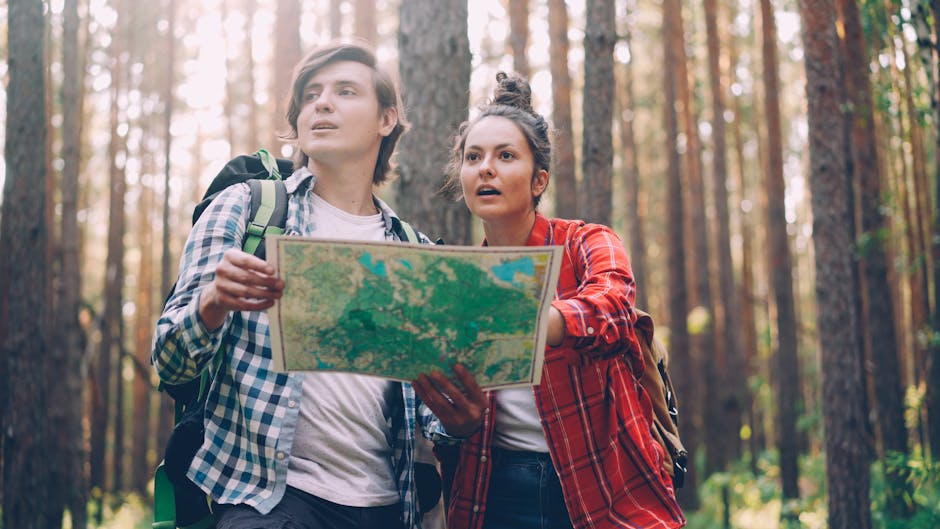
Unlike standard vacations, adventure travel demands more than a hotel reservation and a sightseeing itinerary. It involves physical exertion, exposure to unpredictable conditions, and often limited access to medical care or communication networks. A successful trip hinges on thorough planning, situational awareness, and adaptability.
For example, hiking the Inca Trail to Machu Picchu isn’t just about booking a permit—it’s about acclimatizing to high altitude, understanding trail conditions, and carrying enough water. Similarly, kayaking through Norwegian fjords requires knowledge of tides, weather patterns, and emergency protocols. These aren’t passive experiences; they’re active engagements with the natural world.
Key Differences Between Leisure and Adventure Travel
- Preparation Level: Adventure trips often require months of physical training and research.
- Gear Needs: Specialized equipment like climbing harnesses, water filters, or satellite communicators may be necessary.
- Risk Management: Understanding weather, wildlife, and terrain hazards is critical.
- Local Regulations: Many adventure destinations have strict rules to protect ecosystems and visitors.
Top Destinations for Adventure Seekers
Choosing the right location sets the tone for your entire journey. The best spots offer a mix of challenge, beauty, and infrastructure that supports responsible exploration. Below are five standout destinations, each catering to different types of adventurers.
1. Patagonia, Chile & Argentina
A vast wilderness of glaciers, wind-swept plains, and jagged peaks, Patagonia is ideal for trekkers and climbers. The Torres del Paine Circuit draws experienced hikers with its demanding terrain and unpredictable weather. Always check seasonal conditions—summer (December–February) offers the most stable window.
2. Nepal
Home to eight of the world’s ten highest peaks, Nepal remains the ultimate destination for mountaineers and high-altitude trekkers. The Annapurna Circuit and Everest Base Camp trek are iconic, but require careful acclimatization and reputable guides. Permits are mandatory and must be obtained in advance.
3. Iceland
With volcanic landscapes, ice caves, and geothermal hot springs, Iceland offers unique adventures year-round. Glacier hikes on Vatnajökull or snorkeling in Silfra fissure demand proper gear and certified guides due to cold water and shifting ice.
4. Borneo, Malaysia
Rainforest treks to spot orangutans, night hikes to observe nocturnal wildlife, and river journeys through mangrove swamps define Borneo’s adventure appeal. Be prepared for humidity, insects, and limited connectivity. Vaccinations and anti-malarial precautions are recommended.
5. Namibia
Desert safaris, sandboarding down dunes in Sossusvlei, and self-drive expeditions through the Namib Desert attract off-grid explorers. Water scarcity and extreme temperatures mean meticulous planning is non-negotiable.
Essential Gear and Packing Checklist
Your gear can mean the difference between a great story and a dangerous situation. Prioritize reliability, weight, and versatility. Below is a compact comparison of must-have items across three common adventure types.
| Gear Category | Hiking/Trekking | Water-Based (Kayaking, Rafting) | Desert/Expedition |
|---|---|---|---|
| Footwear | Sturdy hiking boots with ankle support | Neoprene water shoes or sandals | Breathable, sand-resistant boots |
| Shelter | Lightweight tent or bivy sack | Dry bags, no tent (camp on shore) | UV-resistant tent with sand anchors |
| Hydration | 2–3L water bladder + filter | Collapsible bottles + purification tablets | 4L+ capacity, insulated bottles |
| Safety | First-aid kit, whistle, headlamp | PFD (life jacket), bilge pump | Satellite messenger, sun protection |
Always tailor your pack to the specific environment. A down jacket is useless in a rainforest, just as a cotton t-shirt can be deadly in cold, wet conditions. Test all gear before departure and ensure backups for critical items like headlamps or water filters.
Planning Your Adventure: Step-by-Step
Even the most spontaneous-seeming adventures benefit from structure. Follow this five-step framework to build a safe, enjoyable trip.
Step 1: Define Your Goals and Limits
Ask yourself: What kind of challenge am I seeking? Am I training for a multi-day trek or testing my limits on a technical climb? Be honest about your fitness, experience, and comfort with risk. Overestimating ability is a common cause of rescue operations.
Step 2: Research Thoroughly
Use official tourism boards, park websites, and trusted forums like Reddit’s r/hiking or r/backpacking. Look for recent trip reports, trail closures, and seasonal advisories. Contact local guides or outfitters for up-to-date insights.
Step 3: Secure Permits and Insurance
Many adventure destinations require permits—some issued months in advance. Nepal’s trekking permits, for instance, often sell out during peak seasons. Additionally, standard travel insurance rarely covers high-risk activities. Purchase adventure-specific coverage that includes emergency evacuation.
Step 4: Train and Acclimatize
Build endurance with regular cardio and strength training. If traveling to high altitudes, plan extra days for acclimatization. Ascend gradually—no more than 300–500 meters per day above 2,500 meters—to reduce the risk of altitude sickness.
Step 5: Share Your Itinerary
Leave a detailed plan with a trusted contact: routes, expected return date, emergency contacts, and check-in times. Carry a GPS tracker or satellite messenger (like Garmin inReach) in remote areas.
Safety First: Avoiding Common Pitfalls
Adventure travel is inherently risky, but most incidents stem from preventable mistakes. Stay aware of these frequent issues.
- Underestimating Weather: Mountain weather changes rapidly. Always check forecasts and be ready to turn back.
- Poor Hydration: Dehydration impairs judgment and physical performance. Drink regularly, even if you don’t feel thirsty.
- Ignoring Local Advice: Rangers, guides, and locals know the terrain best. Their warnings are not suggestions.
- Going Alone: Solo travel increases risk. If you must go alone, use technology to stay connected and inform others of your location.
- Overpacking: Heavy packs slow you down and increase injury risk. Stick to essentials and multi-use items.
Responsible Adventure Travel: Leave No Trace
True adventurers protect the places they love. Follow the Leave No Trace principles to minimize your impact:
- Plan ahead and prepare.
- Travel and camp on durable surfaces.
- Dispose of waste properly (pack out all trash, including toilet paper).
- Leave what you find (no souvenirs from nature).
- Minimize campfire impact (use stoves instead).
- Respect wildlife (observe from a distance, don’t feed animals).
- Be considerate of other visitors.
In sensitive areas like the Galápagos or Bhutan, additional regulations may apply. Always follow local guidelines to preserve these ecosystems for future generations.
Budgeting for Your Adventure
Adventure travel can be expensive, but smart planning keeps costs manageable. Major expenses typically include flights, permits, gear, guides, and insurance.
For example, a two-week trek in Nepal might cost $1,500–$3,000 per person, depending on guide services and accommodation style. In contrast, a self-guided road trip through Iceland’s Ring Road could run $2,000–$4,000, factoring in car rental, fuel, and camping fees.
Save money by:
- Renting gear instead of buying (especially for one-time trips).
- Traveling in the shoulder season (fewer crowds, lower prices).
- Joining group expeditions to split guide and transport costs.
- Using loyalty points for flights and accommodations.
Final Tips for a Successful Adventure
After years of exploring remote corners of the globe, a few truths stand out. First, flexibility is your greatest asset. Weather delays, trail closures, and gear failures happen—adapt and enjoy the detour. Second, invest in quality footwear and a reliable backpack; discomfort from poor gear can ruin an otherwise perfect trip. Third, document your journey, but don’t let photography distract from the experience. Finally, return home with stories, not souvenirs—leave the wilderness as you found it.
A well-prepared adventurer isn’t fearless—they’re informed, equipped, and respectful. With the right mindset and this travel guide for adventure lovers, your next expedition can be both thrilling and safe.
FAQ
What should I do if I get lost during an adventure trip?
Stay calm and stop moving. Use a map, compass, or GPS to reorient yourself. If you’re truly lost, stay in one place, signal for help using a whistle or mirror, and conserve energy. Always carry a satellite communicator in remote areas.
How far in advance should I book permits for popular trails?
For high-demand routes like the Inca Trail or Everest Base Camp, book 4–6 months ahead. Some destinations, such as Bhutan, require permits issued weeks before arrival. Check official park websites for exact timelines.
Can I go on an adventure trip if I’m not in peak physical shape?
Yes—many adventures offer varying difficulty levels. Choose beginner-friendly routes, train gradually, and consider guided tours that match your fitness. Listen to your body and don’t push beyond safe limits.

