
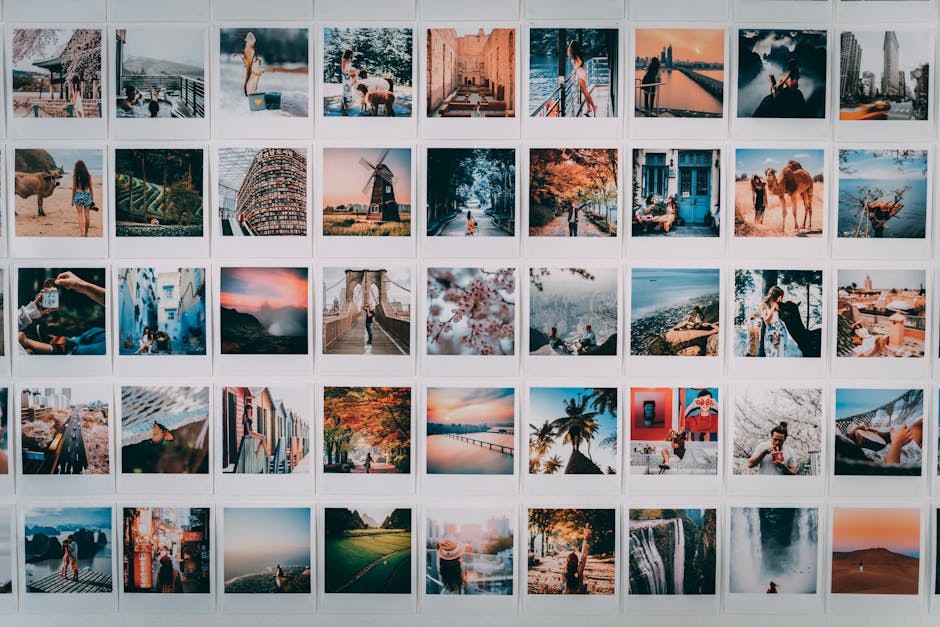
Travel Guide and Photography Tips Guide: Capture Your Adventures Like a Pro
Planning a trip and want to document it beautifully? A solid Travel Guide and Photography Tips Guide combines practical travel advice with actionable photography techniques to help you make the most of your journey. Whether you’re exploring bustling cities, remote landscapes, or cultural landmarks, this guide offers clear, step-by-step strategies to enhance both your travel experience and your photo quality. From choosing the right gear to mastering light and composition, you’ll learn how to create compelling images that truly reflect the spirit of your destination—without needing professional equipment or years of experience.
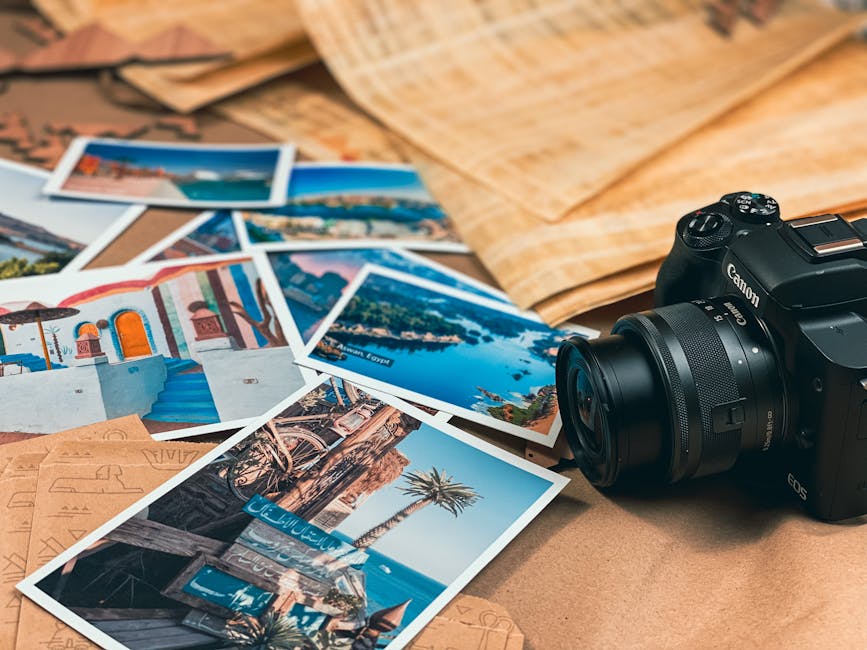
Why Combine Travel Planning with Photography?
Travel and photography go hand in hand. The best travel memories aren’t just experienced—they’re preserved. A well-planned trip includes moments worth capturing, and good photography enhances storytelling. When you align your itinerary with photographic opportunities, you maximize both enjoyment and output. For example, visiting Kyoto’s Fushimi Inari Shrine at sunrise not only avoids crowds but also delivers soft, golden light ideal for photography. Planning ahead ensures you’re in the right place at the right time, with the right settings.
Essential Gear for Travel Photography
You don’t need a full studio kit to take great travel photos, but smart gear choices make a big difference. Focus on portability, versatility, and reliability.
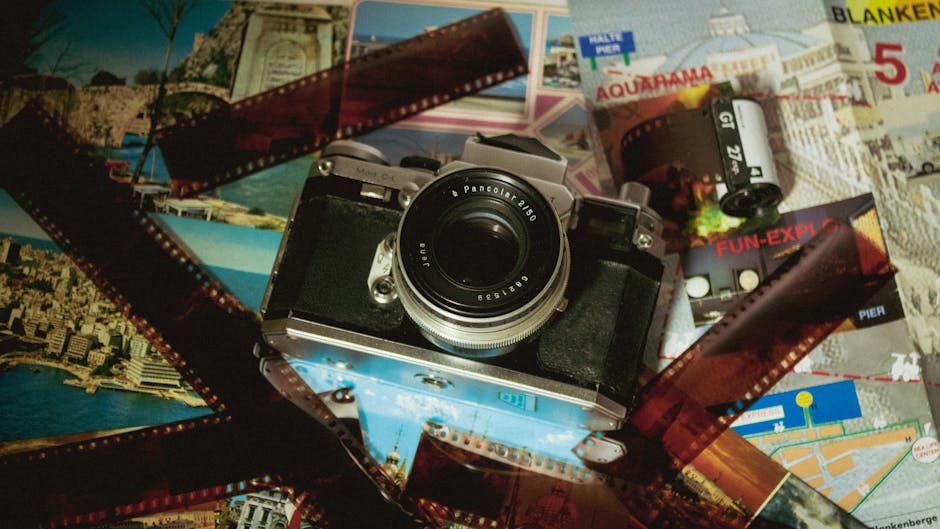
- Camera: A mirrorless camera or high-end smartphone (like the latest iPhone or Google Pixel) offers excellent image quality without the bulk of a DSLR.
- Lenses: A 24–70mm zoom lens covers most travel scenarios, from wide landscapes to portraits. Prime lenses like a 35mm or 50mm are lightweight and great for low light.
- Tripod: Compact travel tripods stabilize long exposures and self-timer shots. Look for models under 1.5 lbs.
- Extra Batteries and Memory Cards: Always carry spares. Cold weather and continuous shooting drain power quickly.
- Lens Cloth and Microfiber Wipes: Dust and fingerprints ruin shots. Keep your glass clean.
Avoid overpacking. Every ounce counts when you’re walking miles through a new city. Choose one camera body and two lenses maximum unless you’re on a specialized shoot.
Planning Your Itinerary with Photography in Mind
The most stunning photos happen when timing, location, and light align. Use these strategies to build a photo-friendly itinerary:
- Research Golden Hours: Use apps like PhotoPills or Sun Surveyor to find sunrise and sunset times for your destination. Arrive 30 minutes early to scout compositions.
- Scout Locations in Advance: Google Street View and travel blogs help identify photogenic spots. Note entry fees, opening hours, and crowd patterns.
- Balance Activities: Alternate high-energy days (hiking, sightseeing) with slower ones (café visits, local markets) to avoid burnout and allow time for setup.
- Weather Checks: Cloudy days offer soft, even lighting—ideal for portraits and architecture. Storms can add drama, but protect your gear.
Example: In Santorini, Greece, the blue-domed churches in Oia are best photographed at sunrise. By 9 a.m., tour buses arrive and shadows become harsh. Planning a 6 a.m. arrival ensures clean shots and fewer people.
Mastering Light and Composition
Great photography is 80% light and 20% gear. Learn to read natural light and use it to your advantage.
Understanding Natural Light
Golden hour (just after sunrise and before sunset) provides warm, diffused light that flatters subjects. Blue hour (just before sunrise and after sunset) offers cool, even tones perfect for cityscapes. Midday sun creates harsh shadows—use shade, reflectors, or wait it out.
Overcast days act like a giant softbox, eliminating harsh contrasts. This is ideal for portraits and detailed textures, like cobblestone streets or market stalls.
Composition Techniques That Work
Apply these simple rules to improve every shot:
- Rule of Thirds: Place key elements along the grid lines or at their intersections. Most cameras have a grid overlay—turn it on.
- Leading Lines: Use roads, fences, or rivers to guide the eye into the frame. A path winding through a vineyard in Tuscany draws viewers deeper into the scene.
- Foreground Interest: Add depth by including objects in the front—flowers, rocks, or a local vendor. This creates layers and context.
- Symmetry and Patterns: Reflections in water, rows of buildings, or tiled floors make strong visual statements. The Alhambra in Spain is full of symmetrical arches and courtyards.
- Negative Space: Leave empty areas around your subject to emphasize isolation or scale. A lone tree in a desert landscape gains impact with open sky.
Break the rules once you understand them. Sometimes a centered subject or busy background creates intentional tension.
Camera Settings for Different Scenarios
Auto mode is convenient, but manual control unlocks creativity. Here’s how to adjust settings for common travel situations:
| Scenario | Aperture (f-stop) | Shutter Speed | ISO | Tips |
|---|---|---|---|---|
| Landscape (daylight) | f/8 to f/11 | 1/125s or faster | 100–200 | Use a tripod for sharpness. Focus one-third into the scene for depth of field. |
| Portrait (outdoor) | f/2.8 to f/5.6 | 1/250s or faster | 100–400 | Wide aperture blurs background. Position subject in shade to avoid squinting. |
| City at Night | f/2.8 to f/4 | 1/30s to 2s | 800–3200 | Use a tripod. Avoid high ISO to reduce noise. Try light trails with slow shutter. |
| Action (markets, festivals) | f/4 to f/5.6 | 1/500s or faster | 400–1600 | Continuous autofocus (AF-C) tracks moving subjects. Burst mode captures peak moments. |
Always shoot in RAW format when possible. It preserves more detail and allows greater flexibility in editing.
Respectful and Ethical Photography
Travel photography isn’t just about aesthetics—it’s about people and places. Practice ethical habits:
- Ask Permission: When photographing people, especially in rural or indigenous communities, always ask first. A smile and simple gesture go a long way.
- Avoid Sensitive Areas: Some temples, museums, or private properties prohibit photography. Follow local rules.
- Don’t Litter or Disturb: Leave no trace. Avoid trampling crops or wildlife for a shot.
- Credit and Share Responsibly: If you share images of locals online, consider tagging them or sharing prints as a courtesy.
In Morocco’s Atlas Mountains, Berber villagers may invite you into their homes. Accept graciously, but don’t treat them as photo props. Build rapport first.
Editing and Organizing Your Photos
Post-processing turns good shots into great ones. Use these steps to streamline your workflow:
- Backup Immediately: Use dual memory cards or cloud backup (Google Photos, iCloud) to prevent loss.
- Cull Ruthlessly: Delete blurry, duplicate, or poorly composed shots. Keep only the best 10–20%.
- Edit in Batches: Use presets in Lightroom or Snapseed for consistency. Adjust exposure, contrast, and white balance first.
- Crop for Impact: Tighten compositions to remove distractions. Follow the rule of thirds.
- Add Subtle Vignettes or Filters: Enhance mood without overdoing it. Avoid heavy saturation or HDR effects.
Create folders by location and date (e.g., “Japan_2024/Tokyo/Day1”) for easy retrieval. Add keywords like “temple,” “street food,” or “sunset” to metadata for searchability.
Common Mistakes to Avoid
Even experienced travelers make these errors:
- Overplanning: Don’t schedule every hour. Leave room for spontaneity—some best shots happen by accident.
- Ignoring Local Culture: Dressing appropriately and learning basic phrases shows respect and opens doors.
- Chasing “Instagrammable” Spots: Popular locations are often crowded and overused. Seek lesser-known alternatives.
- Neglecting Battery Life: A dead camera ruins golden hour. Carry a power bank.
- Shooting Only Landmarks: Capture daily life—street vendors, children playing, local transport. These tell richer stories.
In Bangkok, instead of only photographing Wat Arun at sunset, explore the floating markets at dawn. The interplay of light on water and human activity creates unique, authentic images.
Final Tips for a Successful Travel Photography Experience
To wrap up your Travel Guide and Photography Tips Guide, remember these core principles:
- Be Present: Don’t let the camera block your experience. Put it down and enjoy the moment.
- Practice Before You Go: Test your gear and settings at home. Know your camera’s menus.
- Pack Light: Every item should earn its place. Prioritize function over fashion.
- Tell a Story: Aim for a photo essay—arrival, exploration, interaction, departure. Context matters more than perfection.
- Share Thoughtfully: Post photos that inspire, not just impress. Include captions with location and story.
Travel photography is about connection—to places, people, and moments. With preparation and mindfulness, your images will reflect not just where you’ve been, but how you felt.
FAQ
What’s the best camera for travel photography?
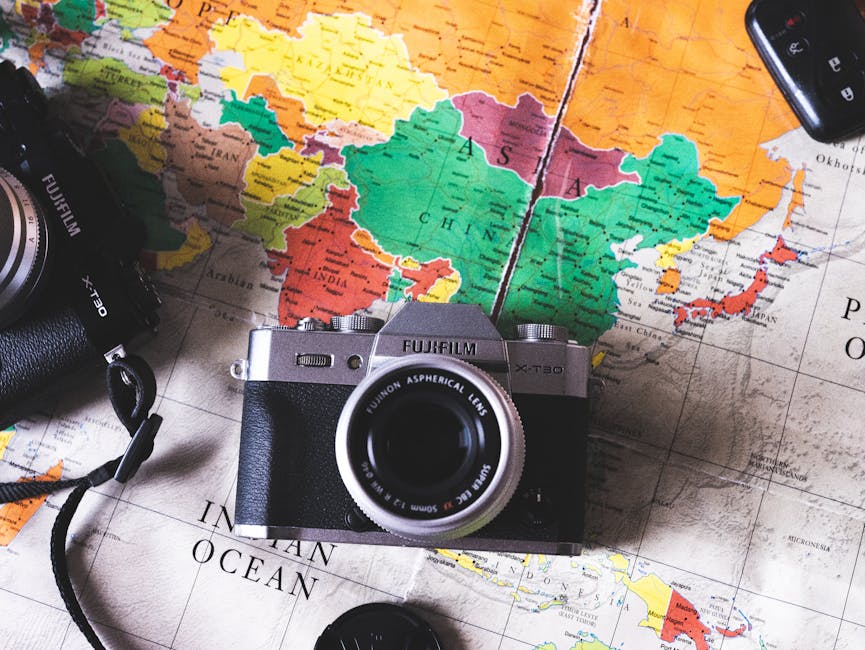
A high-quality smartphone or a compact mirrorless camera like the Sony α6000 series or Fujifilm X-T30 offers excellent image quality with minimal weight. Choose based on your budget and how much control you want over settings.
How can I take better photos in low light without a tripod?
Use a wider aperture (lower f-number), increase ISO (but keep it under 3200 to avoid noise), and stabilize your camera against a wall or bag. Lean into your body for support. Shoot in burst mode to increase chances of a sharp image.
Should I edit all my travel photos?
Not necessarily. Edit only the photos you plan to share or print. Over-editing can make images look unnatural. Focus on correcting exposure and color balance, not adding heavy effects.

