
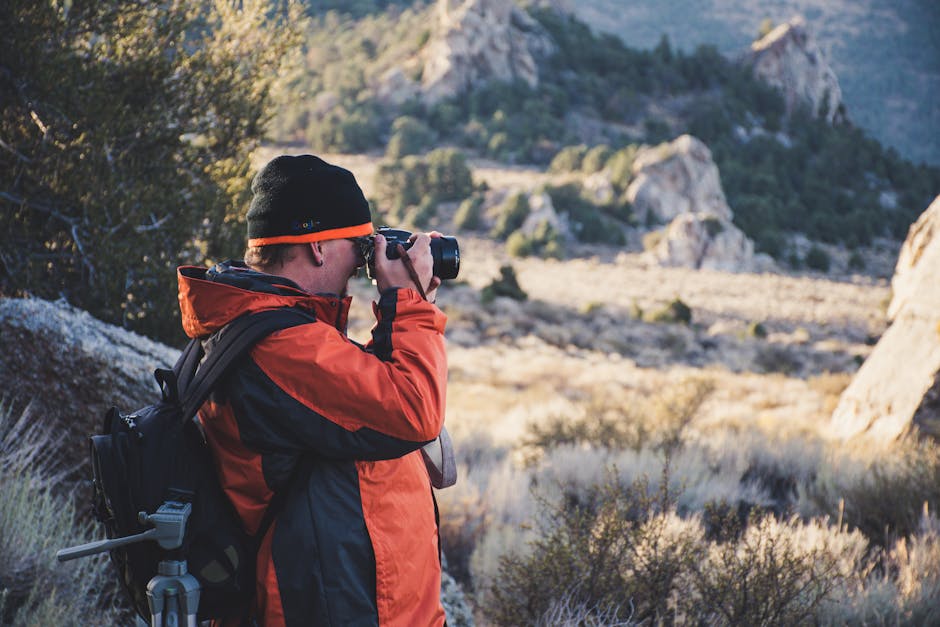
Travel Guide and Photography Tips Guide: Capture Your Adventures
Travel Guide and Photography Tips Guide: Capture Your Adventures
Whether you’re exploring bustling cities or remote mountain trails, combining practical travel planning with strong photography skills transforms ordinary trips into lasting memories. Exploring travel photography tips reveals important insights. This comprehensive travel guide and photography tips guide delivers actionable advice for capturing stunning images while navigating destinations efficiently. From packing the right gear to mastering golden hour shots, you’ll learn how to document your journeys with clarity and creativity—without sacrificing comfort or safety.
Why Combine Travel Planning with Photography?
Travel and photography are natural companions. A well-planned trip gives you more time and energy to focus on composition, lighting, and storytelling. Conversely, thoughtful photography enhances your travel experience by encouraging mindfulness and deeper engagement with your surroundings. Instead of rushing through landmarks, you learn to observe details—textures of ancient stone walls, the rhythm of local markets, or the way light filters through jungle canopy. This synergy turns snapshots into meaningful visual narratives.
Essential Gear for Travel Photography
You don’t need a professional studio to take compelling travel photos, but smart gear choices make a significant difference. Prioritize portability, versatility, and durability.
- Camera: A mirrorless camera offers excellent image quality with less bulk than DSLRs. For casual travelers, high-end smartphones now rival entry-level cameras in daylight conditions.
- Lenses: A 24–70mm zoom lens covers most travel scenarios—from wide cityscapes to mid-range portraits. Consider a lightweight prime lens (like a 35mm f/1.8) for low-light situations.
- Tripod: Compact travel tripods stabilize long exposures and enable self-portraits or group shots without relying on strangers.
- Filters: A circular polarizing filter reduces reflections on water and glass, while neutral density (ND) filters allow longer exposures in bright light.
- Batteries and Storage: Carry at least two spare batteries and multiple memory cards. Always back up photos daily—use a portable hard drive or cloud service.
Avoid overpacking. Every extra ounce slows you down. Test your setup before departure to ensure compatibility and familiarity.
Planning Your Itinerary with Photography in Mind
Great photos often depend on timing and location. Build your travel schedule around optimal shooting conditions.
Research Golden and Blue Hours
The golden hour—just after sunrise and before sunset—produces warm, soft light that enhances landscapes and portraits. The blue hour, shortly after sunset, offers cool, even lighting ideal for cityscapes and architecture. Use apps like PhotoPills or Sun Surveyor to pinpoint these windows for your destination.
Scout Locations in Advance
Google Street View and photo-sharing platforms like Flickr or Instagram can reveal popular viewpoints and hidden gems. Note access restrictions, opening hours, and safety considerations. For example, sunrise at Angkor Wat requires arriving before dawn and navigating dimly lit paths—plan accordingly.
Balance Shooting with Exploration
Don’t let photography dominate your trip. Allocate specific times for shooting, and leave room for spontaneity. Some of the best moments happen when you’re not behind the lens.
Composition Techniques That Elevate Travel Photos
Strong composition turns good photos into great ones. These principles apply regardless of your camera.
- Rule of Thirds: Imagine your frame divided into nine equal sections. Place key elements along these lines or at their intersections. Most cameras and phones offer a grid overlay to help.
- Leading Lines: Use roads, fences, rivers, or shadows to guide the viewer’s eye toward your subject. A winding path through a vineyard or a bridge stretching into the horizon creates depth.
- Foreground Interest: Include objects in the foreground—flowers, rocks, or architecture—to add layers and scale. A close-up of local fruit in a market, with a blurred background of vendors, tells a richer story.
- Frame Within a Frame: Use natural frames like archways, windows, or tree branches to focus attention. Photographing a temple through a carved stone doorway adds context and drama.
- Symmetry and Patterns: Look for重复 structures—tiled floors, rows of lanterns, or repeating arches. Symmetrical compositions feel balanced and visually satisfying.
Break the rules intentionally. Sometimes centering a subject or filling the frame creates more impact than strict adherence to guidelines.
Lighting Strategies for Different Environments
Light defines mood and clarity. Adapt your approach based on where and when you’re shooting.
Bright Sunlight
Harsh midday sun creates strong shadows and blown-out highlights. Seek shade or use a diffuser. Position subjects so the light comes from the side or behind, avoiding direct front lighting which flattens features. Overcast days act as a natural softbox—ideal for even, shadow-free portraits.
Indoor and Low-Light Settings
Museums, temples, and night markets challenge even experienced photographers. Increase ISO cautiously to avoid noise. Use a lens with a wide aperture (f/1.8–f/2.8) to gather more light. Stabilize your camera on a surface or use a tripod for long exposures. Avoid flash when prohibited—it disturbs others and flattens textures.
Night Photography
Capture city lights, star trails, or illuminated monuments with long exposures. Exploring travel photography tips reveals important insights. Use manual mode: set aperture to f/8–f/11 for sharpness, shutter speed between 10–30 seconds, and ISO 100–400. A remote shutter release prevents camera shake. For stars, use the “500 Rule”—divide 500 by your focal length to determine maximum exposure time before stars blur.
Respecting Culture and Environment While Photographing
Ethical photography builds trust and preserves authenticity.
- Ask Permission: When photographing people, especially in rural or indigenous communities, always seek consent. A smile and simple gesture often suffice. Learn basic greetings in the local language.
- Avoid Disruption: Don’t block pathways, interfere with ceremonies, or use loud equipment in quiet spaces. In places of worship, follow dress codes and photography rules.
- Leave No Trace: Stay on marked trails, don’t disturb wildlife, and carry out all waste. Respect protected areas—some national parks prohibit drones or require permits.
- Credit and Share Responsibly: If sharing photos online, consider tagging locations accurately and crediting local guides or subjects when appropriate.
Your presence should enrich, not exploit. Thoughtful photography fosters mutual respect and deeper connections.
Editing and Organizing Your Travel Photos
Post-processing enhances your images, but restraint preserves authenticity.
Basic Editing Workflow
Start with global adjustments: correct exposure, white balance, and contrast. Use software like Adobe Lightroom or free alternatives like Darktable. Crop for better composition, but avoid over-cropping. Apply subtle sharpening and noise reduction. Save edited files separately from originals.
Color Grading and Style
Develop a consistent look by adjusting vibrance, saturation, and tone curves. Warmer tones suit tropical destinations; cooler tones complement urban or mountain scenes. Avoid heavy filters that distort reality.
Organization Tips
Create a clear folder structure: Year > Trip Name > Date. Use descriptive filenames (e.g., “2024-Japan-Kyoto-Fushimi-Inari-001.jpg”). Add metadata (location, keywords) to make searching easier. Back up to two separate locations—external drive and cloud storage.
Common Mistakes to Avoid
Even seasoned travelers make photography missteps. Learn from these frequent errors.
- Overreliance on Zoom: Digital zoom degrades quality. Move closer instead, or use a lens with better optical reach.
- Ignoring Backgrounds: A cluttered or distracting background ruins an otherwise perfect shot. Scan the entire frame before pressing the shutter.
- Shooting Only Landmarks: While iconic sites are worth capturing, focus on details—local food, street art, handcrafts—that convey culture more intimately.
- Skipping Manual Mode: Auto settings often misjudge complex lighting. Learn basic manual controls to gain creative control.
- Forgetting to Charge: Dead batteries mean missed opportunities. Charge nightly and carry power banks.
Travel Photography by Destination Type
Different environments demand tailored approaches. Use this quick-reference table to adapt your strategy.
| Destination Type | Key Challenges | Recommended Gear | Best Shooting Times |
|---|---|---|---|
| Urban/City | Harsh shadows, crowds, reflections | 24–70mm lens, polarizing filter, tripod | Golden hour, blue hour |
| Beach/Coastal | Bright sand, water glare, salt damage | UV filter, lens hood, waterproof bag | Early morning, late afternoon |
| Mountain/Hiking | Low light, weather changes, weight limits | Lightweight zoom, spare batteries, rain cover | Sunrise, clear afternoons |
| Wildlife/Safari | Distance, fast movement, ethical concerns | Telephoto lens (70–200mm+), fast shutter | Dawn and dusk |
Final Tips for a Successful Travel Photography Experience
Great travel photography blends preparation, skill, and presence. Pack light but smart, research your destinations, and practice key techniques before you go. Focus on storytelling—capture emotions, interactions, and moments that words can’t convey. And above all, enjoy the journey. The best photos often come from genuine curiosity and connection, not just technical perfection.
FAQ
What’s the most important piece of gear for travel photography?
A versatile zoom lens (like 24–70mm) offers the most flexibility for changing scenes and lighting. It reduces the need to switch lenses frequently, saving time and minimizing dust exposure.
How can I take better photos in crowded tourist spots?
Arrive early to beat crowds, shoot from lower or higher angles to isolate subjects, or use a shallow depth of field to blur backgrounds. Alternatively, focus on details—hands holding a map, a child’s reaction, or textured walls—to avoid busy compositions.
Should I edit all my travel photos?
Not necessarily. Edit photos that benefit from correction or enhancement, but preserve originals. Over-editing can make images look unnatural. Aim for subtle improvements that reflect the scene accurately.

