

Travel Guide and Luxury Tips Guide
Travel Guide and Luxury Tips Guide
Planning a trip doesn’t have to be overwhelming—especially when you’re aiming for comfort, style, and seamless experiences. A well-crafted Travel Guide and Luxury Tips Guide helps travelers make informed decisions, avoid common pitfalls, and elevate every aspect of their journey. Whether you’re booking a private villa in Tuscany, flying first class to Tokyo, or simply want to travel smarter with premium amenities, this guide delivers practical strategies and insider knowledge. From choosing the right accommodations to maximizing loyalty programs, we cover what matters most for discerning travelers who value quality, convenience, and personalization.
Why a Travel Guide and Luxury Tips Guide Matters
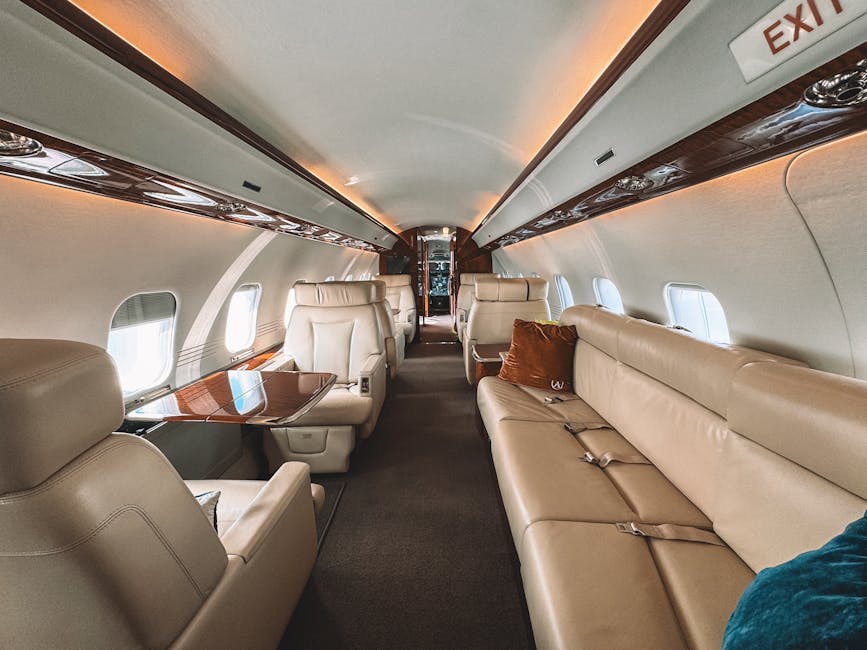
Not all travel guides are created equal. While many focus on budget hacks or crowded tourist traps, a true luxury-focused guide emphasizes exclusivity, comfort, and attention to detail. It’s not just about spending more—it’s about spending wisely. A high-quality Travel Guide and Luxury Tips Guide helps you identify value in premium services, from private transfers to curated dining experiences, while avoiding overpriced traps that offer little real benefit.
For example, a five-star resort in Bali may charge $800 per night, but if it includes airport transfers, daily spa credits, and a personal concierge, the overall value can surpass a cheaper property with hidden fees. Similarly, flying business class on a long-haul flight isn’t just about wider seats—it’s about priority boarding, lounge access, and significantly better sleep, which can make or break your trip.
How to Choose the Right Destination for Luxury Travel
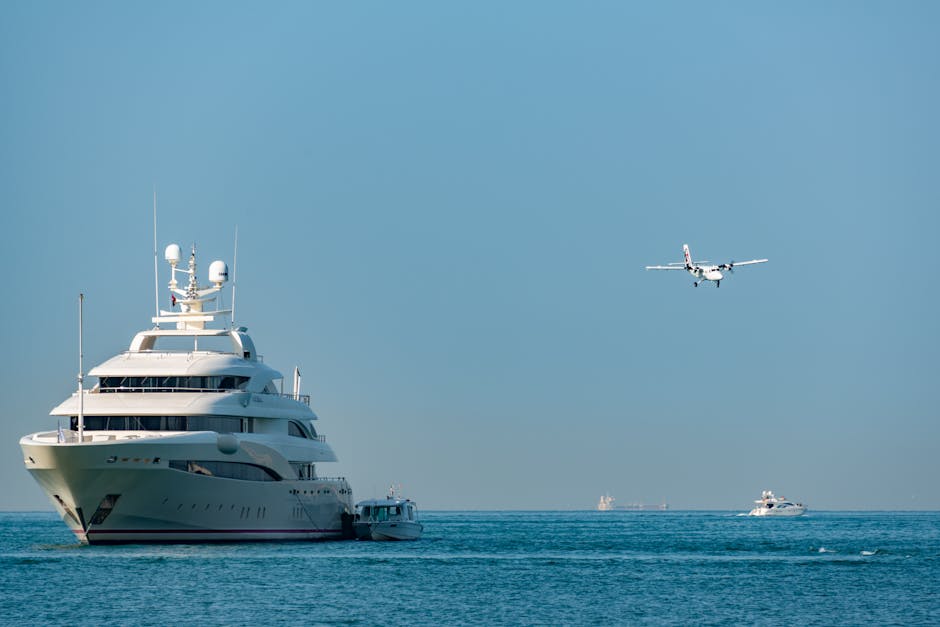
Selecting the ideal destination is the first step in crafting a refined travel experience. Consider factors like climate, cultural offerings, safety, and accessibility. Some destinations naturally lend themselves to luxury travel, while others require more planning to achieve a high-end feel.
Top Luxury Destinations in 2024
- Switzerland: Known for alpine elegance, world-class hotels like The Dolder Grand in Zurich, and scenic train journeys such as the Glacier Express.
- Japan: Offers a blend of tradition and modernity, with ryokans featuring private onsens, Michelin-starred kaiseki meals, and seamless rail travel via the Shinkansen.
- Maldives: A top choice for overwater villas, private yacht charters, and unparalleled privacy. Resorts like Soneva Fushi emphasize sustainability without sacrificing luxury.
- Italy: From the Amalfi Coast to Lake Como, Italy combines art, cuisine, and scenery. Consider staying at Belmond Hotel Cipriani in Venice for a truly iconic experience.
- New Zealand: Ideal for adventure with refinement—think luxury lodges in Queenstown with helicopter tours to remote glaciers.
When evaluating destinations, also consider the time of year. Peak season often means higher prices and crowds, while shoulder seasons (like late spring or early autumn) can offer better rates and more personalized service. For instance, visiting Santorini in May avoids the summer rush while still offering warm weather and open attractions.
Booking Flights: Maximizing Comfort and Value
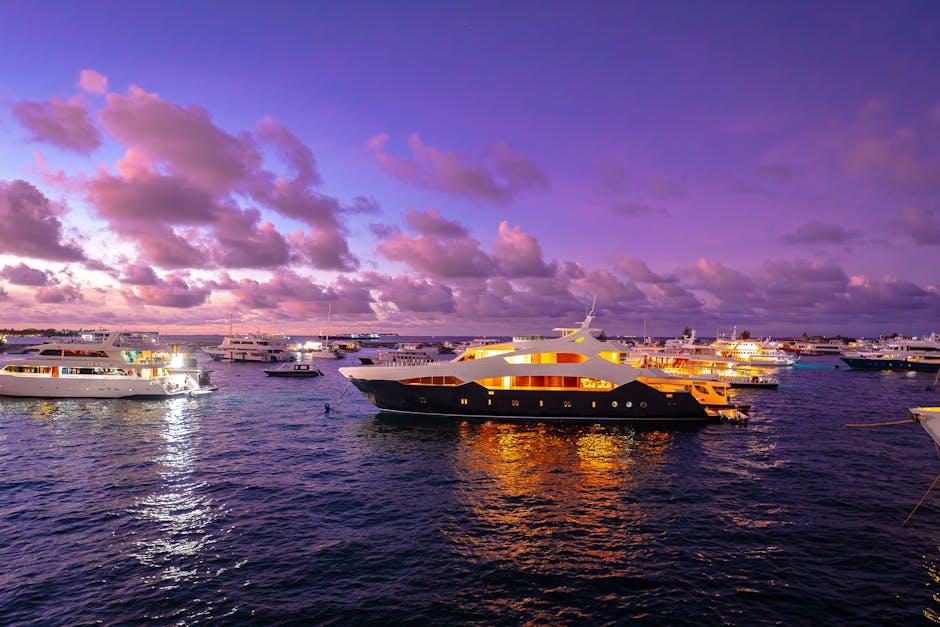
Air travel is often the most stressful part of any trip—unless you know how to do it right. Luxury doesn’t always mean first class; sometimes, premium economy or smart business class bookings offer the best balance of cost and comfort.
Tips for Booking Luxury Flights
- Use airline alliances: Joining a frequent flyer program through Star Alliance, Oneworld, or SkyTeam gives access to shared lounges and upgrade opportunities.
- Book mid-week: Flights on Tuesdays and Wednesdays are often cheaper and less crowded.
- Consider alternative airports: Flying into a smaller nearby airport (e.g., Long Beach instead of LAX) can save money and reduce hassle.
- Upgrade strategically: Use miles or credit card points for upgrades on long-haul flights rather than short domestic hops.
- Arrive early for premium check-in: Many airlines offer dedicated counters for business and first-class passengers, reducing wait times.
One often-overlooked tip: some airlines allow you to bid for upgrades after booking. For example, Lufthansa’s “Upgrade Auction” lets passengers place bids for business class seats 7–14 days before departure. This can be a cost-effective way to enjoy luxury without paying full price.
Accommodations: From Boutique Hotels to Private Villas
Where you stay sets the tone for your entire trip. Luxury accommodations go beyond thread count and minibar quality—they offer personalized service, unique design, and exclusive access.
Types of Luxury Stays
| Type | Best For | Example |
|---|---|---|
| Boutique Hotel | Design lovers, urban explorers | The Greenwich Hotel, New York |
| Resort | Beach vacations, families, relaxation | Four Seasons Resort Bora Bora |
| Private Villa | Privacy, groups, customized service | Villa La Cassinella, Lake Como |
| Historic Palace | Cultural immersion, grandeur | Taj Lake Palace, Udaipur |
When booking, always contact the property directly after reserving online. Many luxury hotels offer “direct booking perks” such as room upgrades, late checkout, or complimentary breakfast—benefits not always available through third-party sites.
Packing Like a Pro: What to Bring (and What to Leave Behind)
Packing efficiently is a hallmark of seasoned travelers. Overpacking leads to stress and extra fees; underpacking can leave you unprepared. The key is intentionality.
Essential Items for Luxury Travel
- Quality luggage: Invest in a lightweight, durable suitcase with a TSA-approved lock. Brands like Rimowa and Away are popular among frequent travelers.
- Packable day bag: A sleek, foldable tote is perfect for day trips or shopping.
- Travel-sized luxury toiletries: Many high-end hotels provide these, but bringing your own ensures consistency (e.g., Le Labo or Aesop).
- Noise-canceling headphones: Essential for flights and noisy environments.
- Universal power adapter: Especially important for international travel.
- Digital copies of documents: Store passports, visas, and itineraries in a secure cloud folder.
Avoid packing items you can easily purchase at your destination—like sunscreen or snacks—unless you have specific preferences. Many luxury hotels also offer laundry and pressing services, so you can travel with fewer clothes and have them refreshed daily.
Dining and Experiences: Curating Memorable Moments
Food and experiences are where luxury travel truly shines. It’s not just about eating at Michelin-starred restaurants—it’s about access, storytelling, and authenticity.
How to Secure the Best Dining Reservations
- Book early: Top restaurants like Noma in Copenhagen or Osteria Francescana in Modena can sell out months in advance.
- Use concierge services: Hotel concierges often have direct lines to restaurants and can secure reservations unavailable to the public.
- Join loyalty programs: Some restaurants prioritize guests with memberships or past visits.
- Consider off-peak times: Lunch reservations at dinner-only venues (e.g., French Laundry) can be easier to get and less expensive.
Beyond dining, prioritize experiences that align with your interests. A private tour of the Uffizi Gallery in Florence, a sunset helicopter ride over the Grand Canyon, or a cooking class with a local chef in Chiang Mai can become the highlight of your trip. These moments are often more valuable than souvenirs.
Transportation: Getting Around in Style
How you move between destinations matters as much as where you stay. Luxury transportation enhances comfort, saves time, and adds a sense of occasion.
Options for Premium Travel
- Private transfers: Pre-booked cars with drivers offer door-to-door service and avoid taxi lines. Ideal for airport arrivals or city tours.
- First-class rail: Trains like the Venice Simplon-Orient-Express or Japan’s Shinkansen provide scenic, comfortable travel with gourmet meals.
- Charter flights: For remote destinations (e.g., Patagonia or the Galápagos), private charters can save hours of layovers.
- Luxury car rentals: In cities like Los Angeles or Dubai, renting a high-end vehicle (e.g., a Porsche or Range Rover) can enhance the experience—just be aware of local driving norms.
Always confirm transportation details in advance. A missed pickup or unclear meeting point can derail an otherwise smooth trip. Save driver contact info and share your itinerary with someone you trust.
Maximizing Loyalty Programs and Credit Card Perks
Loyalty programs are one of the most underutilized tools in luxury travel. With the right strategy, you can earn free flights, hotel stays, and elite status—without spending excessively.
How to Leverage Rewards
- Focus on transferable points: Cards like the Chase Sapphire Preferred or American Express Platinum allow points to be transferred to multiple airline and hotel partners.
- Stack promotions: Combine credit card sign-up bonuses with hotel or airline promotions for maximum value.
- Use elite status benefits: Even mid-tier status can unlock room upgrades, free breakfast, and late checkout.
- Book through portals: Many credit card travel portals offer additional points or discounts on flights and hotels.
For example, transferring 100,000 Amex points to ANA could get you a round-trip business class flight from the U.S. to Tokyo—worth over $10,000 in cash value. That’s the power of strategic rewards use.
Staying Safe and Healthy While Traveling
Luxury travel doesn’t mean ignoring practical concerns. Safety and health are foundational to a successful trip.
Essential Precautions
- Get travel insurance: Choose a plan that covers medical emergencies, trip cancellations, and lost luggage. Premium plans often include 24/7 concierge services.
- Register with your embassy: The U.S. STEP program (or equivalent) alerts you to local risks and helps in emergencies.
- Carry a basic medical kit: Include pain relievers, antihistamines, rehydration salts, and any prescription medications in original packaging.
- Stay hydrated and rested: Jet lag and dehydration can diminish enjoyment. Use melatonin or light therapy to adjust to new time zones.
Also, be mindful of local customs and laws. What’s acceptable in one country may be offensive or illegal in another. Research dress codes, tipping practices, and photography rules before you go.
Final Thoughts: Traveling with Intention and Elegance
A truly luxurious journey isn’t defined by price tags—it’s defined by thoughtfulness, comfort, and authenticity. The best Travel Guide and Luxury Tips Guide doesn’t just list expensive options; it helps you make choices that align with your values, preferences, and travel style. Whether you’re splurging on a private island or simply upgrading your seat for a better night’s sleep, every decision should enhance your experience.
Remember, luxury is personal. For some, it’s a silent room with a view; for others, it’s a perfectly timed train connection that lets them explore an extra village. The goal is not perfection, but presence—being fully engaged in the moment, without unnecessary stress or distraction.
FAQ
Q: How far in advance should I book luxury travel?
A: For high-demand destinations and experiences, book 6–12 months in advance. Flights and top-tier accommodations fill quickly, especially during peak seasons.
Q: Is luxury travel worth the extra cost?
A: It depends on your priorities. If comfort, service, and unique experiences matter to you, the investment often pays off in satisfaction and reduced stress.
Q: Can I enjoy luxury travel on a budget?
A: Yes. Use loyalty programs, travel during shoulder seasons, and focus on one or two splurge elements (like a nice hotel or a special dinner) while keeping other costs moderate.

