
Travel Guide and Hotel Tips Guide: Plan Smarter, Stay Better
Travel Guide and Hotel Tips Guide: Plan Smarter, Stay Better
Planning a trip can be overwhelming, but with the right Travel Guide and Hotel Tips Guide, you can save time, avoid common pitfalls, and enjoy a smoother journey. Whether you’re booking a weekend getaway or a month-long adventure, knowing how to choose accommodations, pack efficiently, and navigate destinations makes all the difference. This guide covers essential strategies for travelers of all experience levels—from finding the best hotel deals to understanding local customs—so you can focus on what matters: making memories.

How to Choose the Right Hotel for Your Trip
Selecting the right hotel is one of the most important decisions in trip planning. A poor choice can lead to discomfort, unexpected costs, or even safety concerns. Start by defining your priorities: Are you looking for luxury, location, budget-friendliness, or family amenities? Once you know what matters most, use trusted booking platforms like Booking.com, Expedia, or Airbnb to compare options.
Pay attention to guest reviews, especially recent ones. Look for consistent feedback about cleanliness, staff responsiveness, and noise levels. A hotel with a high overall rating but recent complaints about bedbugs or broken air conditioning should raise red flags. Also, check the exact location on a map—some hotels advertise as “downtown” but are actually a 20-minute walk from key attractions.
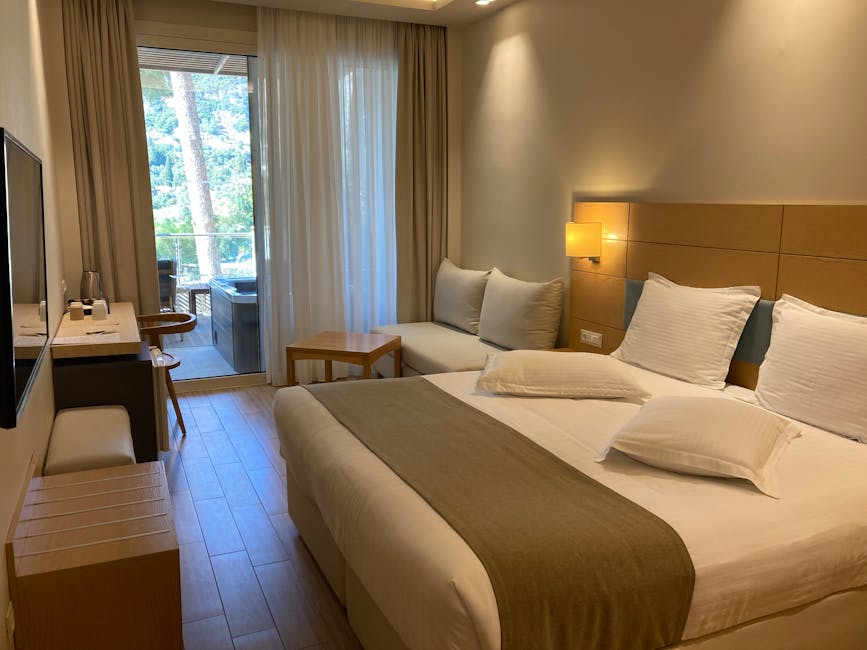
Consider proximity to public transportation, restaurants, and emergency services. For business travelers, reliable Wi-Fi and a quiet workspace are essential. Families may prioritize in-room kitchenettes, cribs, or kid-friendly pools. Always read the fine print: cancellation policies, resort fees, and check-in times can vary widely.
Hotel Booking Checklist
- Verify the hotel’s exact location and distance to your main destinations
- Read at least 10 recent guest reviews
- Check for hidden fees (resort fees, parking, Wi-Fi)
- Confirm cancellation and refund policies
- Ensure the property matches your needs (e.g., elevator access, pet-friendly, smoking vs. non-smoking)
Smart Packing Tips to Travel Light and Efficiently
Packing doesn’t have to mean overloading your suitcase. With a few smart strategies, you can travel with just a carry-on, even for two-week trips. Start by making a packing list tailored to your destination, climate, and planned activities. Stick to a color-coordinated wardrobe so pieces mix and match easily.
Roll clothes instead of folding to save space and reduce wrinkles. Use packing cubes to organize items by category—underwear in one, shirts in another. Pack shoes at the bottom of your bag and stuff socks inside them to maximize space. Limit toiletries by using travel-sized containers or buying essentials at your destination.
Always carry a change of clothes, medications, and important documents in your personal item, not checked luggage. This ensures you’re prepared if your bag is delayed. For electronics, bring only what you’ll use: a phone, charger, and maybe a tablet. Leave unnecessary gadgets at home to avoid clutter and theft.
Essential Items to Pack for Any Trip
- Government-issued ID and copies (digital and physical)
- Travel insurance information
- Universal power adapter
- Reusable water bottle
- Portable phone charger
- Basic first-aid kit
- Comfortable walking shoes
Understanding Travel Insurance: What You Need to Know
Travel insurance is often overlooked, but it can be a financial lifesaver in emergencies. A good policy covers trip cancellations, medical emergencies, lost luggage, and travel delays. Before purchasing, assess your risks: Are you traveling internationally? Booking non-refundable flights or hotels? Participating in adventure activities?
Read the policy details carefully. Some plans exclude pre-existing medical conditions or high-risk activities like scuba diving or skiing. Others only cover cancellations for “covered reasons” such as illness or severe weather—not for change of plans or work conflicts. Compare plans from providers like Allianz, World Nomads, or Travel Guard to find one that fits your needs.
Keep your policy number and emergency contact info accessible. In case of a medical issue abroad, your insurer may coordinate care or cover evacuation costs. For trip delays, they might reimburse meals and accommodations. Always file claims promptly and keep receipts.
Navigating Airports and Transportation Like a Pro
Airport stress is real, but preparation minimizes it. Arrive at least two hours early for domestic flights and three for international ones. Use mobile boarding passes and check in online to skip lines. Download your airline’s app for real-time updates on gate changes and delays.
Pack liquids in a clear quart-sized bag and place it in an easy-to-reach pocket for security checks. Wear slip-on shoes and avoid belts or excessive jewelry to speed up screening. If you’re traveling with children, bring snacks, activities, and a change of clothes in your carry-on.
Once you arrive, research local transportation options in advance. In many cities, public transit is cheaper and faster than taxis. Apps like Google Maps or Citymapper provide real-time schedules and route planning. For longer distances, consider trains or intercity buses—they’re often more comfortable and eco-friendly than flying.
Cultural Etiquette: Respecting Local Customs
Travel is about more than sightseeing—it’s about connecting with people and places. Respecting local customs shows courtesy and can prevent misunderstandings. Research basic etiquette before you go: dress codes, greetings, tipping practices, and photography rules.
In many countries, modest clothing is expected, especially in religious sites. In Japan, bowing is a common greeting; in Thailand, avoid touching someone’s head. Tipping varies widely: expected in the U.S., often unnecessary in Europe, and sometimes considered rude in parts of Asia.
Learn a few key phrases in the local language—“hello,” “thank you,” and “excuse me” go a long way. Even simple efforts to communicate respectfully build goodwill. Be mindful of noise levels, queue etiquette, and environmental practices like recycling or water conservation.
Budgeting for Your Trip: Staying on Track
A well-planned budget prevents overspending and financial stress. Start by estimating costs for flights, accommodations, food, activities, and souvenirs. Use tools like Google Sheets or budgeting apps to track expenses in real time. Allocate extra funds for emergencies or spontaneous experiences.
Save money by traveling during shoulder seasons—just before or after peak tourist months. Flights and hotels are often cheaper, and destinations are less crowded. Eat like a local: street food and neighborhood cafes usually offer better value than tourist traps. Use city tourism cards for discounted entry to museums and public transport.
Avoid dynamic currency conversion at ATMs and point-of-sale machines—always choose to be charged in the local currency to get better exchange rates. Notify your bank of your travel dates to prevent card blocks. Carry a mix of cash and cards for flexibility.
Top Hotel Amenities That Make a Difference
Not all hotel amenities are created equal. Some add real value, while others are just marketing fluff. Focus on features that enhance comfort and convenience. Free high-speed Wi-Fi is essential for staying connected. Complimentary breakfast can save time and money, especially in expensive cities.
Fitness centers, pools, and laundry facilities are useful for longer stays. Look for 24-hour front desk service and secure luggage storage if you arrive early or leave late. Some hotels offer perks like airport shuttles, bike rentals, or local tour bookings—ask about them when checking in.
Avoid paying extra for amenities you won’t use. A rooftop bar might sound appealing, but if you’re not a night owl, it’s not worth the premium. Similarly, “ocean view” rooms may only offer a sliver of water between buildings—verify photos and reviews before booking.
How to Handle Travel Delays and Cancellations
Delays and cancellations are frustrating but manageable with the right approach. If your flight is delayed, check the airline’s policy on meal vouchers or hotel accommodations—especially for overnight delays. Use airport lounges if you have access, or find a quiet corner with charging stations.
For canceled flights, contact the airline immediately. You’re often entitled to a refund or rebooking, sometimes on a partner airline. If weather or strikes are to blame, compensation may be limited, but you can still minimize disruption by acting quickly.
Keep receipts for unexpected expenses—travel insurance may reimburse them. Stay calm and polite with staff; they’re more likely to help if you’re respectful. Use downtime productively: catch up on reading, plan your itinerary, or explore the airport.
Sustainable Travel: Minimizing Your Environmental Impact
Travel has a carbon footprint, but you can reduce it with conscious choices. Fly direct when possible—takeoffs and landings use the most fuel. Choose airlines with newer, fuel-efficient fleets. Offset your emissions through verified programs like Gold Standard or MyClimate.
Stay in eco-certified accommodations that prioritize energy efficiency, waste reduction, and local sourcing. Support local businesses: eat at family-owned restaurants, buy souvenirs from artisans, and hire local guides. Avoid single-use plastics by carrying a reusable water bottle, utensils, and shopping bag.
Respect natural environments: stay on marked trails, don’t disturb wildlife, and follow “leave no trace” principles. In sensitive areas like coral reefs or national parks, follow all guidelines to preserve them for future travelers.
Travel Guide and Hotel Tips Guide: Final Takeaways
A successful trip starts with smart planning. Use this Travel Guide and Hotel Tips Guide to make informed decisions about where to stay, how to pack, and how to navigate your destination. Prioritize safety, comfort, and cultural respect. Book accommodations early, read reviews, and understand cancellation policies. Pack light, insure your trip, and budget wisely. With these strategies, you’ll spend less time stressing and more time enjoying your journey.
Compact Hotel Comparison Table
| Feature | Budget Hotel | Mid-Range Hotel | Luxury Hotel |
|---|---|---|---|
| Price per Night (Avg.) | $50–$100 | $120–$250 | $300–$600+ |
| Wi-Fi | Basic (may have fees) | Free, reliable | High-speed, free |
| Breakfast Included | Rarely | Often | Always |
| Location | Suburban or outskirts | City center or near transit | Prime downtown or scenic |
| Amenities | Limited (lobby, front desk) | Gym, pool, restaurant | Spa, concierge, fine dining |
FAQ
How far in advance should I book my hotel?
For popular destinations or peak seasons, book 2–3 months in advance to secure the best rates and availability. For off-season or less busy areas, you can often find good deals within a few weeks of travel.
What should I do if my hotel room isn’t clean or has issues?
Contact the front desk immediately and request a room change or cleaning. If the issue isn’t resolved, escalate to a manager. Document the problem with photos and keep records for potential refunds or complaints.
Is it safe to book hotels through third-party websites?
Yes, as long as the site is reputable (e.g., Booking.com, Hotels.com). Be cautious with unknown platforms. Always verify the hotel’s official website and read cancellation policies, as some third-party bookings have stricter terms.

