
Travel Guide and Food Tips Guide: Smart Tips for Every Trip
”
Travel Guide and Food Tips Guide: Smart Tips for Every Trip
Whether you’re planning your first international adventure or your tenth, a solid travel guide and food tips guide can make the difference between a stressful journey and a memorable one. This guide delivers practical, actionable advice on navigating new destinations, staying safe, and enjoying authentic local cuisine—without the common pitfalls. From choosing the right accommodations to eating like a local, we cover the essentials to help you travel smarter and taste better.
Why a Travel Guide and Food Tips Guide Matters
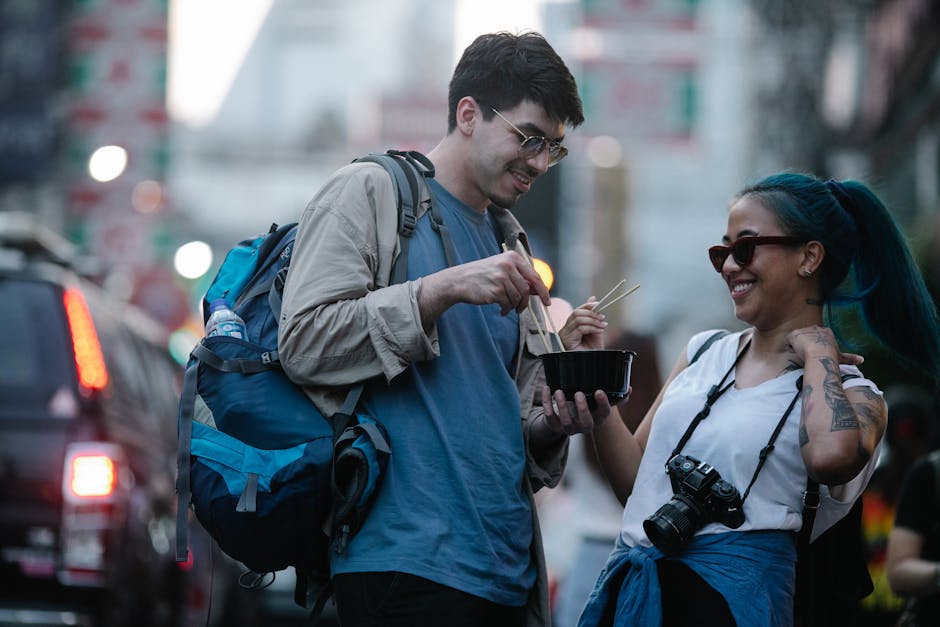
Travel isn’t just about seeing new places—it’s about experiencing them fully. Food is a core part of that experience. Yet many travelers miss out on authentic flavors due to poor planning, language barriers, or fear of getting sick. A well-rounded travel guide and food tips guide helps you avoid tourist traps, eat safely, and connect with local culture through meals. It also saves time and money by steering you toward reliable transportation, trustworthy restaurants, and must-see attractions.
Consider this: a traveler who researches local dishes and dining customs is more likely to enjoy a rich, immersive trip. In contrast, someone who relies solely on hotel buffets or fast food misses a key part of the journey. This guide ensures you don’t make that mistake.
How to Plan Your Trip: The Essentials
Good travel starts with solid planning. Rushing into a trip without preparation often leads to overspending, missed opportunities, or even safety issues. Follow these steps to build a reliable foundation for your journey.
1. Research Your Destination Thoroughly
Before booking flights or hotels, spend time understanding your destination. Look into:
- Climate and weather patterns – Pack appropriately and avoid traveling during extreme seasons.
- Local customs and etiquette – Knowing basic greetings or dress codes can prevent awkward moments.
- Transportation options – Compare public transit, ride-sharing, and rental cars based on cost and convenience.
- Entry requirements – Check visa rules, passport validity, and any health documentation needed.
For example, travelers to Japan should know that many restaurants don’t accept credit cards and that tipping is uncommon—even considered rude in some cases. In contrast, in parts of Southeast Asia, street food is not only safe but encouraged, provided you follow a few key rules.
2. Book Accommodations Strategically
Where you stay affects everything—from your daily budget to your access to local experiences. Consider these factors:
- Location – Staying near public transit or major attractions saves time and money.
- Safety – Read recent reviews and check neighborhood crime reports.
- Amenities – Free breakfast, laundry, or kitchen access can significantly reduce costs.
A hostel in central Barcelona might cost half as much as a hotel in the suburbs, with better access to tapas bars and cultural sites. On the other hand, a beachfront villa in Bali offers privacy and luxury but may require a scooter or taxi to reach restaurants and shops.
3. Create a Flexible Itinerary
Over-scheduling can lead to burnout. Instead, plan 2–3 key activities per day and leave room for spontaneity. Include:
- One major attraction (e.g., a museum or landmark)
- One local experience (e.g., a cooking class or market tour)
- One meal at a highly recommended local restaurant
For instance, in Rome, you might visit the Colosseum in the morning, explore Trastevere in the afternoon, and end with dinner at a family-run trattoria. This balance ensures you see the highlights without feeling rushed.
Navigating Transportation Like a Local
Getting around efficiently is crucial for maximizing your time and minimizing stress. Each destination has its own transit culture, and adapting quickly can enhance your trip.
Public Transit: The Budget-Friendly Option
In cities like Tokyo, Berlin, or London, public transportation is often faster, cheaper, and more reliable than taxis. Tips for using it effectively:
- Buy a multi-day transit pass if available.
- Download the local transit app (e.g., Citymapper or Google Maps with transit mode).
- Avoid rush hours when possible—trains and buses can be extremely crowded.
In Tokyo, the Suica card lets you tap in and out of trains, buses, and even convenience stores. In Paris, the Navigo Découverte pass offers unlimited travel within zones 1–5 for a weekly fee.
Ride-Sharing and Taxis: When to Use Them
Ride-sharing apps like Uber or Bolt are widely available in many cities and often cheaper than traditional taxis. However, in some places, local taxi unions dominate, and apps may not operate legally.
Use ride-sharing for:
- Late-night travel when public transit is closed
- Traveling with luggage or in a group
- Getting to and from airports in cities with limited train service
Avoid unmarked cabs in countries like Mexico or India, where scams are common. Always confirm the fare or ensure the meter is running.
Renting a Car: Pros and Cons
Renting a car makes sense in rural areas or countries with poor public transit, such as Iceland or New Zealand. But in dense cities like Bangkok or Mumbai, driving can be chaotic and parking expensive.
Before renting:
- Check if an International Driving Permit (IDP) is required.
- Understand local traffic laws—some countries drive on the left.
- Inspect the car for damage before driving off.
In Iceland, a rental car allows you to explore the Ring Road at your own pace. In contrast, driving in Rome’s historic center is restricted to residents only, with heavy fines for outsiders.
Eating Safely and Enjoying Local Food
Food is one of the most rewarding parts of travel—but it can also be risky if you’re not careful. This section of our travel guide and food tips guide focuses on how to enjoy authentic meals while minimizing health risks.
How to Choose Safe Street Food
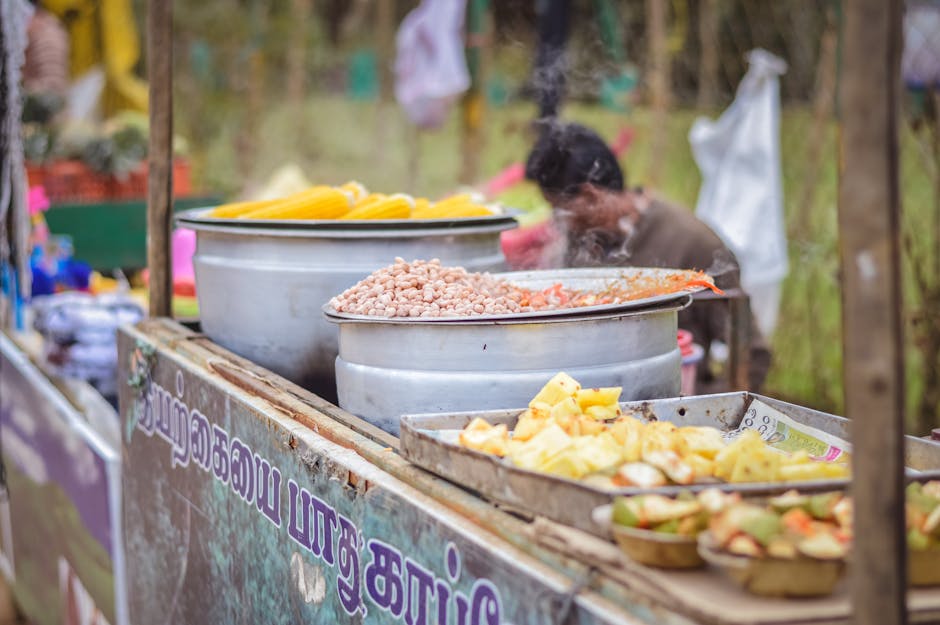
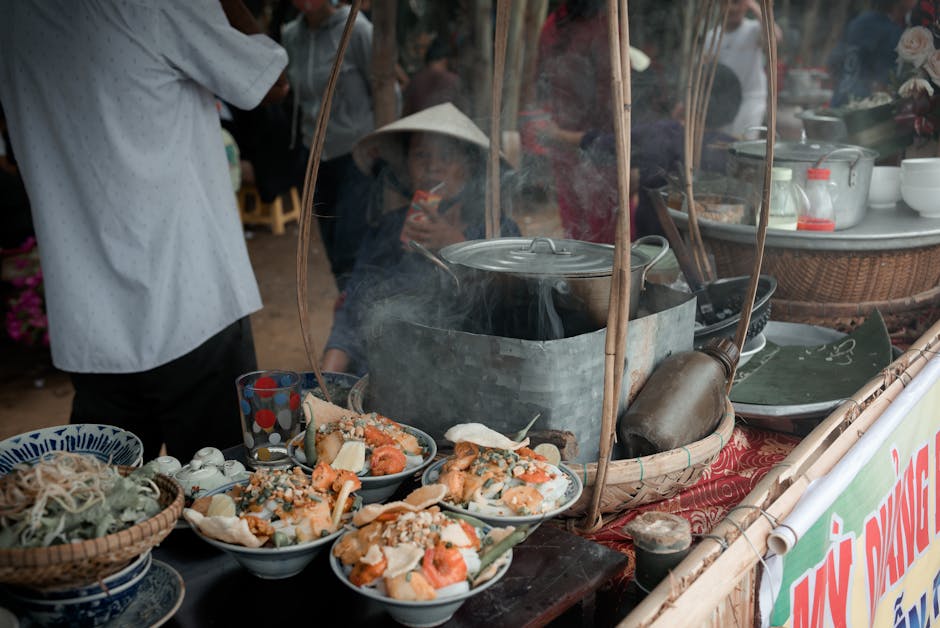
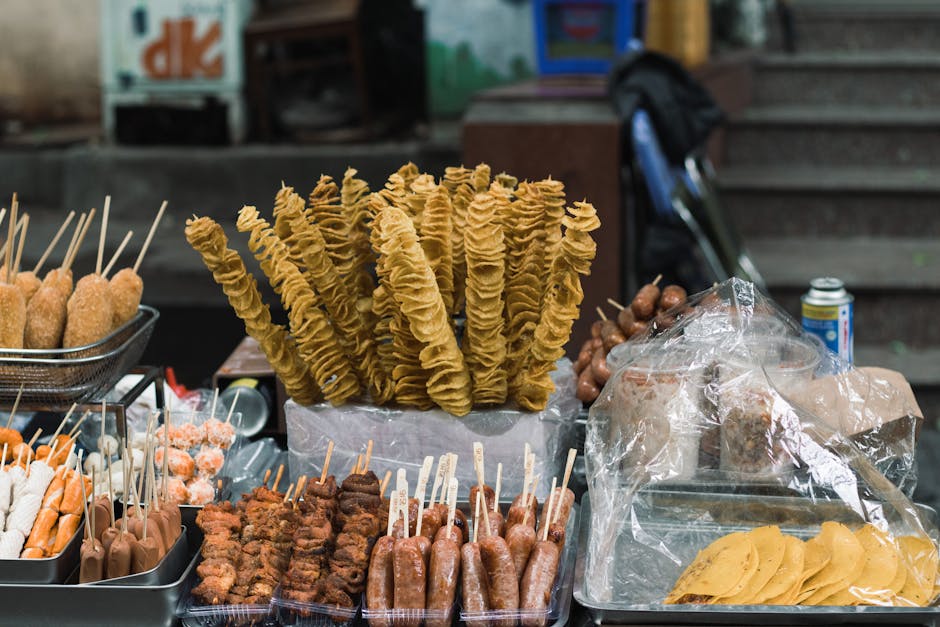
Street food is often the most authentic and affordable way to eat like a local. But not all vendors are equally safe. Use these guidelines:
- Look for crowds – A busy stall usually means fresh food and high turnover.
- Observe food handling – Avoid vendors who leave food uncovered or reuse oil.
- Choose cooked-to-order items – Steaming hot food is safer than pre-cooked items sitting out.
- Avoid raw ingredients – Salads, unpeeled fruits, and raw seafood carry higher risk in areas with poor sanitation.
In Bangkok, pad thai from a bustling night market stall is generally safe and delicious. In Marrakech, freshly grilled kebabs are a better bet than pre-cut fruit sold on the street.
Understanding Local Dining Customs
Every culture has its own food traditions. Respecting them enhances your experience and shows cultural awareness.
- In Italy, dinner rarely starts before 7:30 PM, and lunch is the main meal.
- In Japan, slurping noodles is a sign of enjoyment, not rudeness.
- In India, eating with your right hand is customary, as the left is considered unclean.
- In France, bread is placed directly on the table, not on a plate.
Learning a few basic phrases like “Is this dish spicy?” or “Do you have a vegetarian option?” can also go a long way in making dining smoother.
Dealing with Dietary Restrictions
Traveling with allergies or dietary needs requires extra planning. Here’s how to manage:
- Carry a translation card – Print or download a card that explains your allergy in the local language.
- Research safe cuisines – Indian and Mediterranean diets often have vegetarian options; Southeast Asian food may use fish sauce frequently.
- Stay in accommodations with kitchens – This gives you control over ingredients.
For example, a gluten-free traveler in Italy should learn that “senza glutine” means gluten-free and that many pizzerias now offer certified options.
Budgeting for Food and Travel
Food and transportation are two of the biggest expenses when traveling. Smart budgeting helps you stretch your money without sacrificing quality.
Daily Food Budget by Region
Costs vary widely by destination. Use this table to estimate daily food expenses for one person:
| Region | Budget (USD/day) | Mid-Range (USD/day) | Luxury (USD/day) |
|---|---|---|---|
| Southeast Asia | 10–15 | 25–40 | 60+ |
| Eastern Europe | 15–20 | 30–50 | 70+ |
| Western Europe | 25–35 | 50–80 | 100+ |
| North America | 30–40 | 60–90 | 120+ |
| Japan | 20–30 | 50–70 | 100+ |
Budget travelers can eat well in Vietnam for under $15 a day by sticking to street food and local markets. In contrast, dining in Paris or New York on a budget requires careful planning—look for lunch menus, picnics in parks, or set menus at bistros.
Money-Saving Tips
- Eat where locals eat – Tourist restaurants often charge 2–3 times more for the same dish.
- Shop at markets – Buy snacks, fruit, and drinks instead of relying on convenience stores.
- Use lunch specials – Many fine-dining restaurants offer lower-priced menus during the day.
- Avoid hotel breakfasts – They’re often overpriced; try a nearby café instead.
In Lisbon, a $5 pastel de nata from a local bakery beats a $12 hotel breakfast. In Tokyo, a $10 lunch set at a department store food hall offers better value than most restaurants.
Staying Healthy While Traveling
Illness can derail even the best-planned trip. Prevent common travel-related health issues with these strategies.
Pre-Trip Health Preparations
- Visit a travel clinic – Get region-specific vaccines (e.g., typhoid for Southeast Asia, yellow fever for parts of Africa).
- Pack a travel health kit – Include rehydration salts, pain relievers, antiseptic wipes, and any prescription medications.
- Check your insurance – Ensure it covers international medical care or consider travel insurance.
For example, travelers to Kenya or Tanzania should get vaccinated for yellow fever and consider malaria prophylaxis.
Staying Hydrated and Avoiding Foodborne Illness
Dehydration and stomach issues are common among travelers. To reduce risk:
- Drink bottled or boiled water in areas with unsafe tap water.
- Avoid ice in drinks unless you’re sure it’s made from purified water.
- Wash hands frequently or use hand sanitizer before eating.
- Take probiotics before and during your trip to support gut health.
In Mexico, many travelers stick to bottled water and avoid street drinks with ice. In India, drinking only sealed bottled water is strongly advised.
Cultural Sensitivity and Responsible Travel
Travel is a privilege, and being a respectful visitor benefits both you and the communities you visit.
Dress and Behavior Guidelines
- Dress modestly in religious sites—cover shoulders and knees.
- Avoid loud conversations in quiet spaces like temples or museums.
- Ask before photographing people, especially in rural or indigenous communities.
In Thailand, removing shoes before entering a home or temple is mandatory. In the Middle East, public displays of affection are frowned upon in many areas.
Supporting Local Economies
Choose locally owned businesses over international chains when possible. Eat at family-run restaurants, buy souvenirs from artisans, and hire local guides.
This not only improves your experience but also ensures your money benefits the community directly.
Final Tips for a Smooth Journey
Even with the best planning, surprises happen. These final tips help you adapt and stay calm.
- Keep digital and physical copies of important documents – Passport, visa, insurance, and emergency contacts.
- Download offline maps and translation apps – Google Maps and Google Translate work without internet.
- Notify your bank of travel plans – Avoid having your card blocked abroad.
- Stay connected – Consider an international SIM or eSIM for data access.
Having a backup plan—like knowing the location of your country’s embassy—can also provide peace of mind.
Conclusion
A well-prepared traveler is a confident traveler. This travel guide and food tips guide equips you with the knowledge to explore new places safely, eat authentically, and respect local cultures. From planning your itinerary to choosing the right meal, every decision shapes your experience. Use these tips to travel smarter, taste better, and make lasting memories.
FAQ
How can I eat safely while traveling internationally?
Choose busy food vendors, eat freshly cooked meals

