
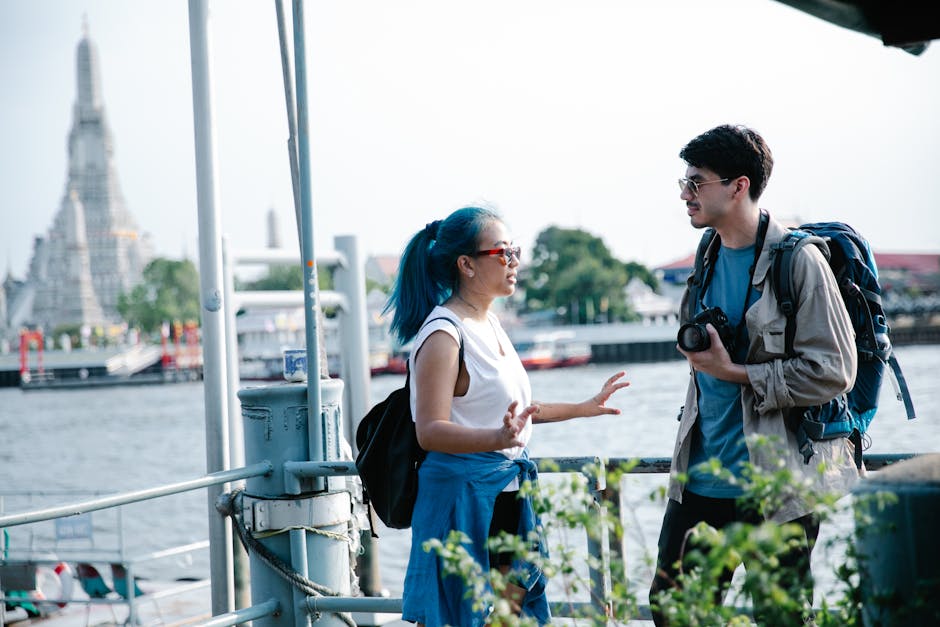
Travel Guide and Culture Tips Guide: Navigate Global Destinations with Confidence
Whether you’re planning your first international trip or you’re a seasoned traveler, a solid Travel Guide and Culture Tips Guide can make the difference between a smooth journey and a stressful one. Understanding local customs, communication styles, and practical logistics helps you connect authentically with people, avoid misunderstandings, and get the most out of your experience. This guide covers essential cultural insights, destination-specific advice, and actionable tips to help you travel respectfully and confidently—no matter where you go.
Why Cultural Awareness Matters When Traveling
Cultural norms shape everything from greetings and gestures to dining etiquette and dress codes. What’s considered polite in one country might be offensive in another. For example, while tipping is expected in the U.S., it can be seen as rude in Japan. Similarly, pointing with your finger is common in Western cultures but may be considered impolite in parts of Southeast Asia. A strong grasp of local culture enhances safety, fosters meaningful interactions, and shows respect for the communities you visit.
Common Cultural Missteps to Avoid
- Ignoring dress codes: In many Middle Eastern countries and parts of Asia, modest clothing is required, especially when visiting religious sites.
- Misusing gestures: The “thumbs up” sign is positive in the U.S. but offensive in parts of the Middle East and West Africa.
- Speaking too loudly: In countries like Japan and Finland, quiet public behavior is valued, and loud conversations may draw unwanted attention.
- Refusing hospitality: In cultures like Morocco or Turkey, declining tea or food can be seen as disrespectful.
Essential Elements of a Reliable Travel Guide and Culture Tips Guide
A well-rounded guide should go beyond sightseeing recommendations. It must include practical advice on transportation, currency, language basics, social norms, and safety. Below are the core components every traveler should look for—or create—before departure.
1. Entry Requirements and Documentation
Always verify visa requirements, passport validity (many countries require at least six months beyond your stay), and vaccination rules. For instance, some African nations require proof of yellow fever vaccination. Keep digital and physical copies of your passport, visa, and travel insurance.
2. Local Transportation Options
Research how locals get around. In Tokyo, the subway system is efficient but complex; a prepaid Suica card simplifies travel. In rural areas of Vietnam, motorbike rentals are common but require caution and proper licensing. Always confirm whether ride-sharing apps like Uber operate in your destination.
3. Language Basics and Communication
Learning a few key phrases—hello, thank you, excuse me, and “Do you speak English?”—goes a long way. Use translation apps like Google Translate, but be aware they may struggle with dialects or slang. In countries like France, attempting to speak French is often appreciated, even if imperfect.
4. Money Matters
Understand the local currency and payment norms. In Sweden, cash is rarely used—credit cards dominate. In contrast, markets in India or Mexico often operate on cash-only transactions. Notify your bank of travel plans to avoid card blocks, and carry a backup payment method.
Top Destinations and Their Unique Cultural Norms
Each region has its own rhythm and expectations. Here’s a snapshot of what to expect in popular travel destinations.
Japan: Politeness and Precision
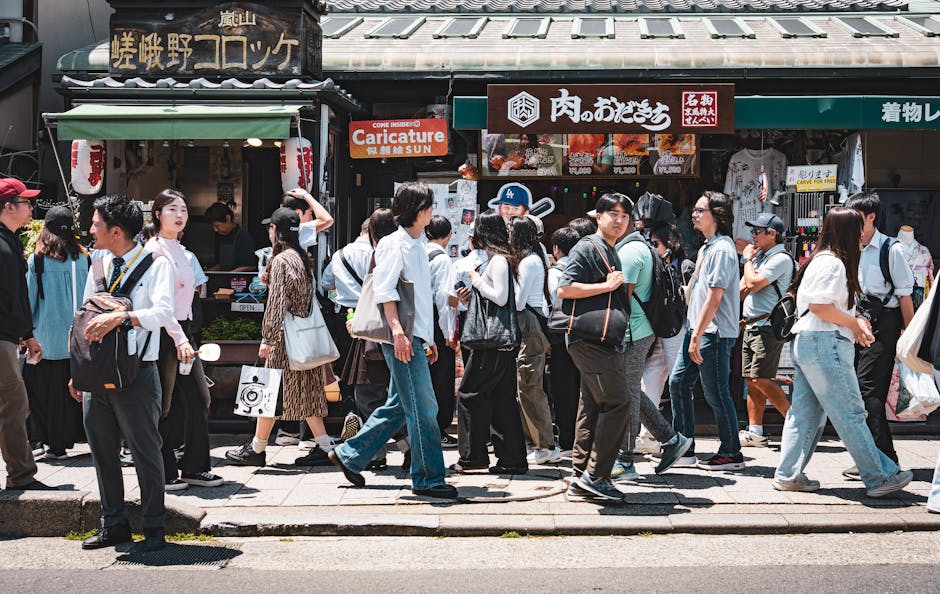
Japan values harmony, respect, and order. Bowing is a common greeting, and shoes are removed before entering homes and some restaurants. Public displays of affection are uncommon, and punctuality is critical. When using public transport, keep voices low and avoid phone calls.
France: Elegance and Formality
French culture emphasizes politeness and appearance. Greet shopkeepers with “Bonjour” before asking questions. Dress neatly, especially in cities like Paris. Meals are leisurely—rushing through lunch is frowned upon. Tipping is modest, usually 5–10%, as service charges are included.
India: Diversity and Tradition
India’s cultural landscape varies widely by region. Dress modestly, especially in rural areas and religious sites. Use your right hand for giving and receiving items, as the left is considered unclean. Bargaining is expected in markets, but do so respectfully.
Brazil: Warmth and Social Connection
Brazilians are known for their friendliness and physical expressiveness. Hugs, cheek kisses, and backslaps are common among acquaintances. Time is often viewed flexibly—“Brazilian time” means events may start late. Beach culture is central, but always observe local norms for attire.
How to Research Culture Before You Go
Don’t wait until you arrive to learn about local customs. Use these trusted resources:
- Government travel advisories: Websites like the U.S. State Department or UK Foreign Office provide safety and entry updates.
- Culture-specific guides: Books like Cultural Intelligence by David C. Thomas or online platforms like Culture Crossing offer region-specific insights.
- Local blogs and forums: Reddit’s r/travel or country-specific Facebook groups can provide real-time advice from residents and recent travelers.
- Embassy websites: Often list cultural dos and don’ts for visitors.
Practical Tips for Respectful and Smooth Travel
Respectful travel isn’t just about avoiding offense—it’s about building bridges. Follow these guidelines to enhance your experience:
Dress Appropriately
When in doubt, err on the side of modesty. Cover shoulders and knees in conservative regions. In places like the Vatican or Thai temples, specific attire is required for entry.
Observe Before Acting
Spend your first day watching how locals behave in public spaces, markets, and transport. Mimic their pace, tone, and body language to blend in.
Ask Before Photographing
Always seek permission before taking photos of people, especially in indigenous communities or religious ceremonies. In some places, photography is prohibited entirely.
Support Local Economies
Eat at family-run restaurants, buy from local artisans, and use community-based tours. This ensures your spending benefits residents directly.
Be Mindful of Environmental Impact
Avoid single-use plastics, respect wildlife, and follow “leave no trace” principles, especially in natural parks and beaches.
Comparing Cultural Norms: A Quick Reference
Below is a compact comparison of key cultural practices across four popular destinations to help you prepare.
| Country | Greeting Style | Tipping Practice | Dress Code (General) | Public Behavior |
|---|---|---|---|---|
| Japan | Bow | Not expected | Neat, modest | Quiet, orderly |
| France | Handshake or cheek kiss | 5–10% in restaurants | Stylish, clean | Polite, reserved |
| India | Namaste (hands together) | 10–15% in cities | Modest, covered | Varied by region |
| Brazil | Hug or cheek kiss | 10% in restaurants | Casual to smart | Loud, expressive |
Handling Culture Shock and Unexpected Situations
Even with preparation, culture shock can occur. Signs include irritability, homesickness, or confusion about social cues. It’s normal—especially during the first few days. To cope:
- Stay hydrated and rest well.
- Limit time on social media to reduce comparison.
- Talk to other travelers or locals for perspective.
- Keep a journal to process your experiences.
If you make a cultural mistake—like wearing inappropriate clothing to a temple—apologize sincerely and adjust your behavior. Most people appreciate the effort and will respond kindly.
Technology Tools to Enhance Your Travel Experience
Leverage apps and tools to stay informed and connected:
- Google Translate: Supports offline translation and camera text recognition.
- XE Currency: Real-time exchange rates.
- Maps.me: Offline maps for areas with poor connectivity.
- TripIt: Organizes itineraries and sends alerts.
Final Takeaways for Every Traveler
A successful trip isn’t measured by how many landmarks you see, but by how deeply you engage with the culture. Use this Travel Guide and Culture Tips Guide as a foundation, but stay curious and adaptable. Read local news, try regional dishes, attend community events, and listen more than you speak. The best travel moments often come from unplanned interactions and quiet observations.
FAQ
How can I learn basic phrases in a foreign language quickly?
Use language apps like Duolingo or Memrise for short daily sessions. Focus on greetings, numbers, and essential questions. Practice with native speakers via platforms like Tandem or HelloTalk.
What should I do if I accidentally offend someone culturally?
Apologize calmly and sincerely. Say, “I didn’t mean to offend—thank you for helping me understand.” Most people appreciate the humility and will guide you.
Is it safe to travel alone as a first-time international traveler?
Yes, with preparation. Choose destinations known for safety and solo travel, such as Japan, Portugal, or New Zealand. Share your itinerary with someone at home and stay in well-reviewed accommodations.

