
Top Travel Essentials You Must Carry on Every Trip
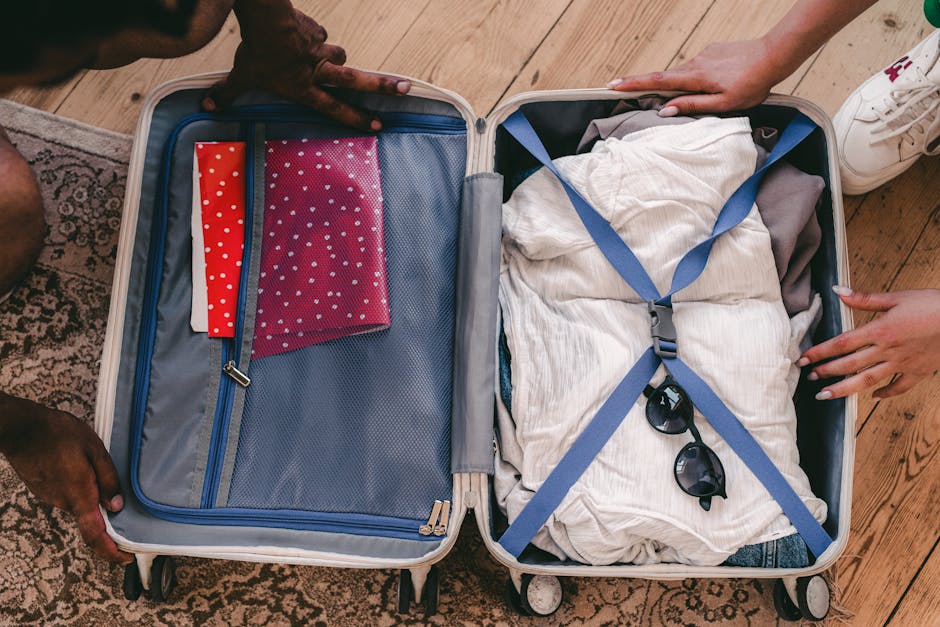
Whether you’re heading out for a weekend getaway or a month-long international adventure, packing the right items can make or break your travel experience. The top travel essentials you must carry on every trip go beyond just clothes and toiletries—they include practical, often overlooked items that enhance comfort, safety, and convenience. This guide covers the must-have gear, smart packing strategies, and situational tools that seasoned travelers rely on to stay prepared, no matter where their journey takes them.
Why Travel Essentials Matter More Than You Think
Travel disruptions—delayed flights, lost luggage, sudden weather changes—are common. Having the right essentials on hand reduces stress and helps you adapt quickly. A well-prepared traveler isn’t just more comfortable; they’re also safer and more self-reliant. From staying hydrated during long layovers to navigating unfamiliar cities with confidence, the items you carry directly impact your trip’s success.
Many travelers pack too much or too little, often missing key items that could have prevented minor inconveniences from becoming major setbacks. By focusing on versatile, high-utility essentials, you can travel lighter while being better equipped.
Core Travel Essentials for Every Journey
These are the non-negotiable items every traveler should carry, regardless of destination or trip length. Think of them as your travel foundation—items that support health, safety, communication, and basic comfort.
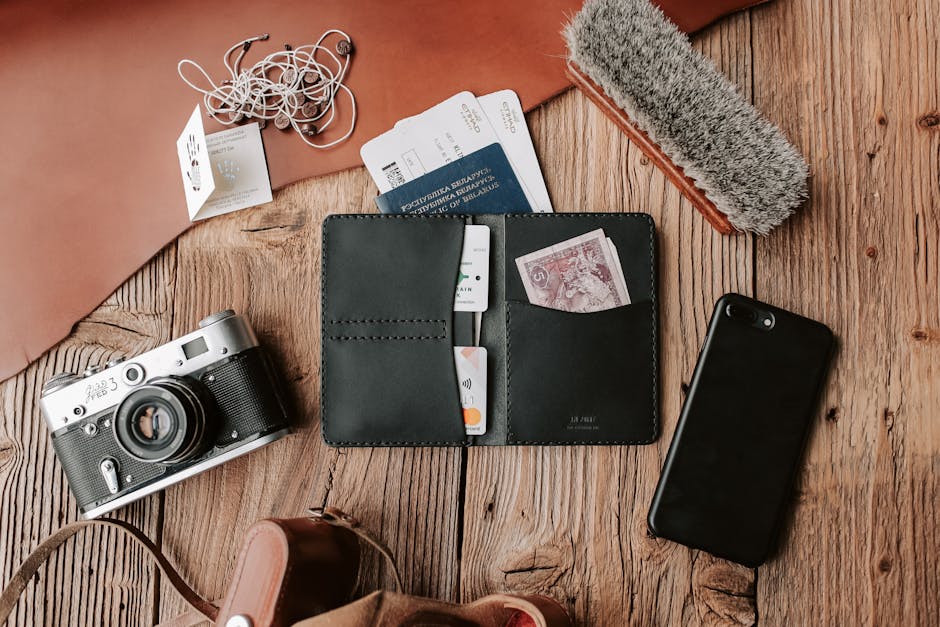
1. Valid Travel Documents
Always carry your passport, visa (if required), driver’s license, and any necessary travel permits. Keep digital copies in a secure cloud storage service and physical copies in a separate bag. For domestic trips, a government-issued ID is essential.
Pro tip: Use a waterproof document organizer to protect IDs and boarding passes from spills or rain.
2. Portable Charger and Universal Adapter
Your phone is your lifeline—for maps, translation, bookings, and emergency contact. A high-capacity portable charger (at least 10,000mAh) ensures your devices stay powered during long travel days. Pair it with a universal power adapter if traveling internationally, especially to regions with different plug types (e.g., Europe, UK, Australia).
Look for adapters with built-in USB ports and surge protection. Avoid cheap models that may damage your devices.
3. Reusable Water Bottle with Filter
Staying hydrated is critical, especially during flights or in hot climates. A reusable bottle reduces plastic waste and saves money. Choose one with a built-in filter (like those from LifeStraw or Brita) if you’re visiting areas with questionable tap water.
Fill up after security checks at airports to avoid buying overpriced bottled water.
4. Compact First-Aid Kit
A small, travel-friendly first-aid kit should include band-aids, antiseptic wipes, pain relievers, antihistamines, motion sickness pills, and any personal medications. Include a small tube of antibiotic ointment and blister treatment if you plan to walk extensively.
Customize your kit based on your health needs and destination risks (e.g., altitude sickness pills for mountain trips).
5. Multi-Purpose Travel Towel
Quick-dry, microfiber travel towels are lightweight, compact, and useful in countless situations—beach days, hostel showers, unexpected spills, or even as a makeshift blanket on long flights. Look for one that folds into its own pouch.
6. Noise-Canceling Headphones or Earplugs
Whether you’re on a noisy plane, in a busy hostel, or trying to sleep in a new time zone, blocking out sound improves rest and focus. Noise-canceling headphones are ideal for flights, while compact earplugs are great for light sleepers.
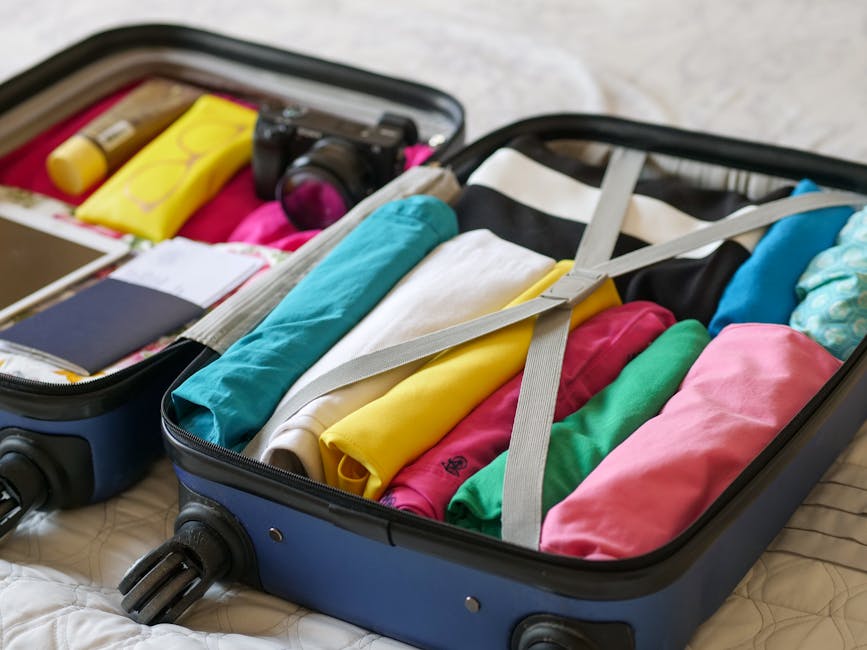
7. Packing Cubes
These organizational tools compress clothes, separate clean from dirty items, and make unpacking faster. They’re especially helpful for multi-stop trips or when sharing luggage space.
Choose breathable, lightweight cubes in different sizes for shirts, undergarments, and accessories.
8. Portable Door Lock or Doorstop Alarm
For added security in hotels, hostels, or Airbnb stays, a portable door lock (like the Addalock) or a doorstop alarm provides peace of mind. These devices are TSA-approved, easy to use, and can prevent unauthorized entry.
9. Lightweight Daypack or Foldable Tote
A compact, foldable backpack is perfect for day trips, grocery runs, or carrying essentials during transit. Look for one with a water-resistant exterior and a secure zipper. Many fit inside your main luggage and expand when needed.
10. Travel-Sized Laundry Kit
Pack a small bag with travel detergent sheets, a clothesline, and a sink stopper. This allows you to hand-wash clothes in your sink, extending the life of your wardrobe and reducing the need for excess clothing.
Tech and Connectivity Essentials
In today’s connected world, staying online and in touch is often essential. These tech-focused items ensure you remain reachable and informed, even in remote locations.
Offline Maps and Translation Tools
Download offline maps (Google Maps or Maps.me) before arriving in a new city. Pair them with a translation app (like Google Translate) that works offline for key phrases. This is invaluable in areas with poor internet or language barriers.
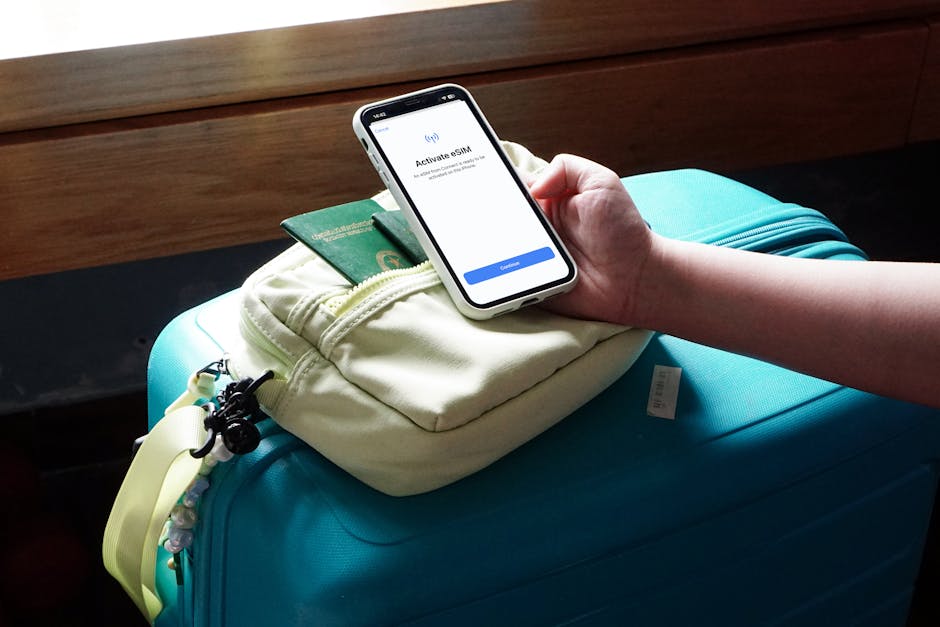
eSIM or Local SIM Card
Instead of relying on expensive roaming, consider an eSIM (like those from Airalo or Holafly) or purchase a local SIM card upon arrival. This gives you affordable data and calling options without swapping physical cards.
Power Bank with Pass-Through Charging
Some power banks allow you to charge the bank itself while simultaneously charging your phone—ideal for long travel days. Look for models with pass-through functionality and fast-charging support.
Health and Hygiene Must-Haves
Maintaining personal hygiene and health on the road prevents illness and keeps you feeling your best. These items support cleanliness, comfort, and wellness.
Hand Sanitizer and Disinfecting Wipes
Carry a travel-sized hand sanitizer (at least 60% alcohol) and disinfecting wipes. Use them before eating, after using public transport, or touching high-contact surfaces like tray tables and door handles.
Toiletry Kit with TSA-Compliant Bottles
Use a leak-proof toiletry bag with reusable, TSA-approved containers (3.4 oz or less). Fill them with your preferred shampoo, conditioner, toothpaste, and skincare products. This avoids spills and complies with airport security rules.
Sunscreen and Lip Balm with SPF
Even on cloudy days or during winter trips, UV exposure can cause damage. Pack a broad-spectrum sunscreen (SPF 30 or higher) and lip balm with SPF. Reapply every two hours, especially near water or snow.
Insect Repellent
Essential for tropical destinations, hiking trips, or rural areas. Choose a repellent with DEET, picaridin, or oil of lemon eucalyptus. Test it on a small skin area first if you have sensitive skin.
Comfort and Convenience Items
These extras may seem optional, but they significantly improve travel comfort, especially on long journeys or in unpredictable conditions.
Travel Pillow and Eye Mask
A memory foam or inflatable travel pillow supports your neck during flights or bus rides. Pair it with a lightweight eye mask to block light and improve sleep quality.
Compression Socks
Recommended for flights over four hours, compression socks improve circulation and reduce the risk of deep vein thrombosis (DVT). Choose graduated compression (15–20 mmHg) for best results.
Reusable Utensils and Food Container
A compact set of bamboo or stainless steel utensils, plus a collapsible food container, helps you eat sustainably and avoid single-use plastics. Great for picnics, street food, or leftovers.
Travel Journal or Notebook
Jot down memories, itineraries, or language notes. A small notebook and pen are also useful for filling out customs forms or leaving notes for travel companions.
Destination-Specific Essentials
While the core list applies everywhere, certain destinations require additional preparation. Adjust your packing based on climate, culture, and activity.
Beach and Tropical Destinations
- Waterproof phone case or dry bag
- Rash guard or UV-protective clothing
- Sand-resistant beach mat
- Reef-safe sunscreen
Mountain and Cold Weather Trips
- Layered clothing (base, mid, outer shell)
- Insulated gloves and beanie
- Hand and foot warmers
- Portable water purifier (for melting snow)
Urban and Cultural Exploration
- Comfortable walking shoes
- Scarf or shawl (for temple visits or cooler evenings)
- Portable Wi-Fi hotspot (if local SIM isn’t an option)
- Small gifts or tipping guide for local customs
Smart Packing Strategies
Knowing what to pack is only half the battle—how you pack matters just as much. These strategies help you maximize space, stay organized, and avoid common mistakes.
Roll, Don’t Fold
Rolling clothes instead of folding saves space and reduces wrinkles. Use packing cubes to keep rolled items secure and separated.
Wear Your Bulkiest Items
On travel days, wear your heaviest shoes, jacket, and jeans to free up luggage space. This is especially helpful for carry-on-only trips.
Use the “One In, One Out” Rule
For every new item you consider packing, remove one. This prevents overpacking and keeps your load manageable.
Pack a “Just-In-Case” Bag
Include a small pouch with emergency items: cash, a spare charger, a change of clothes, and basic toiletries. Keep it in your carry-on in case your checked luggage is delayed.
What Not to Pack: Common Mistakes to Avoid
Even experienced travelers make packing errors. Avoid these common pitfalls to travel smarter.
Overpacking Toiletries
Most hotels and hostels provide basics like shampoo and soap. Pack only what you truly need. Remember, you can buy most items locally if forgotten.
Bringing Valuables Unnecessarily
Leave expensive jewelry, unnecessary electronics, or large amounts of cash at home. Use a money belt for essential documents and cards, but avoid drawing attention.
Ignoring Airline Restrictions
Check your airline’s carry-on size and weight limits. Oversized bags may require gate checking, adding hassle and potential fees.
Packing Perishables
Food items like dairy, meats, or fresh fruits may be confiscated at customs. Stick to non-perishable snacks like nuts, granola bars, or dried fruit.
Travel Essentials Comparison Table
Not all gear is created equal. This table compares key features of popular travel essentials to help you choose wisely.
| Item | Key Feature | Best For | Estimated Cost |
|---|---|---|---|
| Portable Charger (10,000mAh) | Fast charging, dual USB ports | Long flights, day trips | $20–$40 |
| Universal Power Adapter | Covers 150+ countries, USB-C included | International travel | $25–$50 |
| Filtered Water Bottle | BPA-free, removes bacteria and protozoa | Adventure travel, developing regions | $30–$60 |
| Packing Cubes (3-pack) | Compression zippers, mesh tops | Organization, multi-stop trips | $15–$30 |
| Travel Door Lock | TSA-approved, fits most doors | Hostels, budget hotels | $20–$35 |
Final Tips for Stress-Free Travel
Preparation is the key to enjoying your trip. Start packing a few days in advance, make a checklist, and do a final review the night before departure. Charge all devices, confirm bookings, and check the weather forecast for your destination.
Remember, the goal isn’t to pack everything—it’s to pack smart. The top travel essentials you must carry on every trip are those that give you flexibility, safety, and comfort without weighing you down. With the right gear and mindset, you’ll be ready for anything your journey throws your way.
FAQ
What should I do if I forget a key travel essential?
Most essentials can be purchased at your destination. Pharmacies, convenience stores, and travel shops carry basics like toiletries, chargers, and adapters. For critical items like medications, contact your hotel or local clinic for assistance.
Can I bring a portable charger on a plane?
Yes, portable chargers are allowed in carry-on luggage but not in checked bags. Ensure the capacity is under 100Wh (about 27,000mAh). Larger units require airline approval.
How do I keep my travel essentials organized?
Use packing cubes, zip pouches, and a dedicated toiletry bag. Label compartments and keep frequently used items (like chargers or documents) in an easily accessible outer pocket.

