
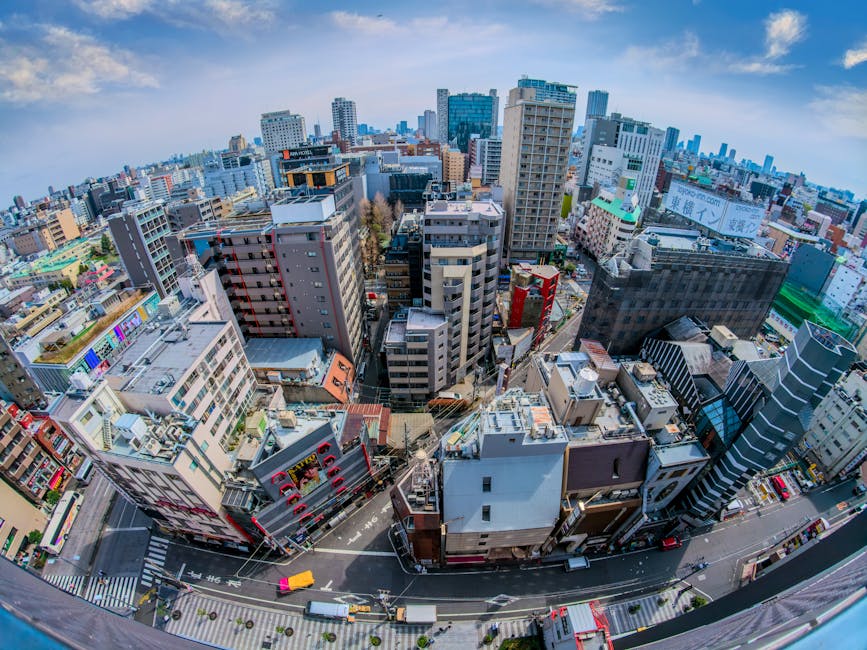
Top Tourist Attractions in Tokyo Guide
Tokyo, Japan’s bustling capital, blends ancient tradition with cutting-edge innovation, making it one of the world’s most compelling travel destinations. Exploring Tokyo tourist attractions reveals important insights. This guide highlights the top tourist attractions in Tokyo, from serene temples and historic districts to futuristic neighborhoods and world-class museums. Whether you’re visiting for the first time or returning to explore deeper, these carefully selected sites offer a well-rounded experience of the city’s culture, history, and modern energy. Each recommendation includes practical tips to help you make the most of your visit.
Why Visit Tokyo?
Tokyo stands out as a global city where skyscrapers tower over centuries-old shrines, and high-speed trains glide past quiet gardens. It’s a place where you can enjoy a Michelin-starred sushi meal in Ginza and then wander through a tranquil bamboo grove in Shinjuku Gyoen. The city’s efficient public transportation, clean streets, and deep respect for etiquette make it accessible and enjoyable for international visitors. With attractions spanning art, history, food, and technology, Tokyo offers something for every traveler.
Historic and Cultural Landmarks
Meiji Shrine
Nestled in a forested oasis near Harajuku Station, Meiji Shrine is dedicated to the deified spirits of Emperor Meiji and his wife, Empress Shōken. The shrine was completed in 1920 and rebuilt after World War II. Visitors walk through a towering wooden torii gate into a peaceful woodland path leading to the main hall. It’s a popular spot for traditional Shinto weddings and New Year’s celebrations. The adjacent Meiji Jingu Inner Garden features a iris garden that blooms in June and a teahouse serving matcha and traditional sweets.
Senso-ji Temple
Tokyo’s oldest temple, Senso-ji in Asakusa, dates back to the 7th century. The vibrant Kaminarimon (Thunder Gate) with its giant red lantern marks the entrance to Nakamise-dori, a bustling shopping street selling snacks, souvenirs, and traditional crafts. The temple honors Kannon, the Buddhist goddess of mercy. Visitors participate in omikuji (fortune slips) and purification rituals at the incense burner. Early morning visits offer a quieter experience before the crowds arrive.
Imperial Palace and East Gardens
The Imperial Palace sits on the site of Edo Castle, the former seat of the Tokugawa shogunate. While the inner grounds are generally off-limits, the East Gardens are open to the public and offer a peaceful retreat in the heart of the city. The gardens feature moats, stone walls, and seasonal blooms. Guided tours of the inner palace grounds are available but require advance reservation through the Imperial Household Agency website.
Modern Tokyo: Skylines and Innovation
Tokyo Skytree
Standing at 634 meters, Tokyo Skytree is the tallest structure in Japan and offers panoramic views of the city and, on clear days, Mount Fuji. The observation decks—Tembo Galleria and Tembo Deck—provide indoor and glass-floored viewing experiences. The surrounding Solamachi complex houses over 300 shops, restaurants, and an aquarium. Visit during sunset for a dramatic view of the city lights coming to life.
Shibuya Crossing
Often called the “world’s busiest pedestrian crossing,” Shibuya Crossing sees thousands of people crossing at once during peak hours. The best vantage point is from the Shibuya Scramble Square observation deck or the second-floor windows of nearby cafes. The area is also home to the iconic Hachiko Statue and Shibuya 109, a fashion hub for youth culture. Visit in the evening for neon-lit energy and street performances.
Roppongi Hills and Tokyo Midtown
These twin developments in Minato Ward represent Tokyo’s modern urban planning. Roppongi Hills features the Mori Art Museum, an observation deck, and a cinema complex. Tokyo Midtown offers high-end shopping, dining, and the Suntory Museum of Art. Both are excellent for evening strolls and offer seasonal events like winter illuminations.
Nature and Relaxation in the City
Shinjuku Gyoen National Garden
This expansive garden blends Japanese, English, and French landscape styles. It’s especially popular during cherry blossom season (late March to early April) and autumn foliage (November). The greenhouse houses tropical plants, and the park is a favorite spot for locals to picnic and relax. Entry is affordable, and the garden is easily accessible from Shinjuku Station.
Ueno Park
Ueno Park is Tokyo’s largest public park and a cultural hub. It contains several major museums, including the Tokyo National Museum, the National Museum of Western Art, and the Tokyo Metropolitan Art Museum. The park is also home to Ueno Zoo, Japan’s oldest zoo, and the Shinobazu Pond, where lotus flowers bloom in summer. Street performers and food stalls add to the lively atmosphere.
Odaiba
Built on a man-made island in Tokyo Bay, Odaiba offers futuristic attractions, shopping, and waterfront views. Highlights include teamLab Borderless (a digital art museum, though currently relocated), the giant Gundam statue, and the Rainbow Bridge. The area is particularly striking at night when illuminated. Accessible via the Yurikamome Line or Rinkai Line from Shimbashi.
Shopping and Entertainment Districts
Harajuku and Takeshita Street
Harajuku is the epicenter of youth fashion and pop culture. Takeshita Street is lined with quirky boutiques, crepe stands, and themed cafes. For a more refined experience, visit Omotesando, known as Tokyo’s Champs-Élysées, with high-end fashion stores and modern architecture. The area is also close to Meiji Shrine, making it easy to combine culture and shopping.
Ginza
Ginza is Tokyo’s luxury shopping district, home to flagship stores like Mitsukoshi, Wako, and Uniqlo’s largest branch. It’s also a culinary destination, with everything from department store food halls to Michelin-starred restaurants. On weekends, the main avenue closes to traffic for Ginza Hacchō, a pedestrian-only zone perfect for strolling and people-watching.
Akihabara
Known as “Electric Town,” Akihabara is the go-to district for electronics, anime, manga, and gaming. Exploring Tokyo tourist attractions reveals important insights. Stores like Yodobashi Camera and Bic Camera offer everything from cameras to kitchen appliances. Maid cafes, arcades, and anime merchandise shops attract fans of Japanese pop culture. Visit during weekdays for fewer crowds.
Museums and Art Spaces
Tokyo National Museum
Located in Ueno Park, this is Japan’s oldest and largest museum. Its collection spans over 110,000 artifacts, including samurai swords, Buddhist sculptures, and ukiyo-e woodblock prints. The Honkan (Japanese Gallery) and Hyokeikan buildings are architectural highlights. The museum also hosts special exhibitions and has an excellent English-language audio guide.
Mori Art Museum
Perched on the 53rd floor of Roppongi Hills, this contemporary art museum focuses on modern and experimental works. Exhibitions often explore themes like urban life, technology, and global culture. The museum’s location offers stunning city views, and the adjacent Tokyo City View observation deck is included with admission.
teamLab Planets
One of Tokyo’s most immersive art experiences, teamLab Planets in Toyosu features large-scale digital installations where visitors walk through water, interact with light projections, and step on flower fields. Shoes must be removed, and visitors are encouraged to wear modest clothing. Timed entry tickets are required and should be booked well in advance.
Food and Culinary Experiences
Tsukiji Outer Market
While the inner wholesale market moved to Toyosu, the Tsukiji Outer Market remains a food lover’s paradise. Open early, it offers fresh seafood, street food, and kitchenware. Try grilled scallops, tamagoyaki (sweet omelet), and uni (sea urchin) bowls. Many stalls open around 5 a.m., so early risers get the best selection.
Izakayas and Local Eateries
For an authentic dining experience, visit a traditional izakaya—Japanese pubs serving small plates, sake, and beer. Areas like Golden Gai in Shinjuku and Nonbei Yokocho in Shibuya offer intimate, narrow bars with unique themes. Many izakayas have English menus, but learning a few basic Japanese phrases enhances the experience.
Day Trips from Tokyo
While Tokyo itself offers endless attractions, nearby destinations are easily accessible by train. Nikko, a UNESCO World Heritage site, features ornate shrines and natural beauty. Kamakura, known for its Great Buddha statue, is a coastal town rich in history. Hakone offers hot springs, views of Mount Fuji, and the Hakone Open-Air Museum. All can be reached in under two hours from central Tokyo.
Travel Tips and Practical Advice
Tokyo is safe, clean, and highly organized, but first-time visitors may face challenges. The city’s subway system is extensive but complex—download apps like Google Maps or Japan Transit Planner for real-time navigation. Most signs are in Japanese and English, but learning basic phrases like “sumimasen” (excuse me) and “arigatou gozaimasu” (thank you) is appreciated. Cash is still widely used, especially at small restaurants and temples, so carry yen. Tipping is not customary and can be considered rude.
Peak tourist seasons include cherry blossom season (late March to early April) and autumn (November), when accommodations fill quickly. Book hotels and popular attractions in advance. Off-peak times like January (excluding New Year) and June (rainy season) offer fewer crowds and lower prices.
Top Tourist Attractions in Tokyo: Quick Comparison
| Attraction | Best For | Average Visit Time | Entry Fee (Approx.) | Nearest Station |
|---|---|---|---|---|
| Meiji Shrine | Culture, Nature | 1–2 hours | Free | Harajuku |
| Senso-ji Temple | History, Shopping | 1.5–2.5 hours | Free (donations) | Asakusa |
| Tokyo Skytree | Views, Shopping | 2–3 hours | ¥2,100–¥3,100 | Tokyo Skytree |
| Shinjuku Gyoen | Nature, Relaxation | 1–2 hours | ¥500 | Shinjuku |
| teamLab Planets | Art, Immersion | 1.5–2 hours | ¥3,800 | Shin-Toyosu |
Frequently Asked Questions
What is the best time of year to visit Tokyo?
The best times are spring (March to May) for cherry blossoms and autumn (September to November) for mild weather and fall foliage. Summer is hot and humid, while winter is cold but less crowded.
Do I need to speak Japanese to get around Tokyo?
No. While Japanese is the primary language, major stations, signs, and tourist attractions have English support. Translation apps and visual aids help bridge any language gaps.
How many days should I spend in Tokyo?
A minimum of 4–5 days allows you to see the major attractions. A week or more is ideal for exploring neighborhoods, museums, day trips, and local experiences.
Final Thoughts
Tokyo’s top tourist attractions offer a dynamic mix of history, culture, innovation, and nature. From the sacred grounds of Meiji Shrine to the neon-lit energy of Shibuya, the city rewards curious travelers with unforgettable experiences. Plan ahead, stay flexible, and embrace the local customs to make the most of your journey. Whether you’re drawn to temples, technology, or traditional cuisine, Tokyo delivers on every front.

