
Tokyo Travel Guide: Best Places to Visit
Tokyo Travel Guide: Best Places to Visit
Tokyo blends ancient tradition with futuristic innovation, offering travelers a dynamic mix of culture, food, and urban energy. Exploring Tokyo places to visit reveals important insights. Whether you’re exploring serene temples, shopping in neon-lit districts, or savoring world-class sushi, this Tokyo travel guide highlights the best places to visit for a well-rounded experience. From historic landmarks to hidden local gems, we’ve curated essential stops that capture the city’s unique spirit—all backed by practical tips to help you navigate with confidence.
Top Attractions in Tokyo
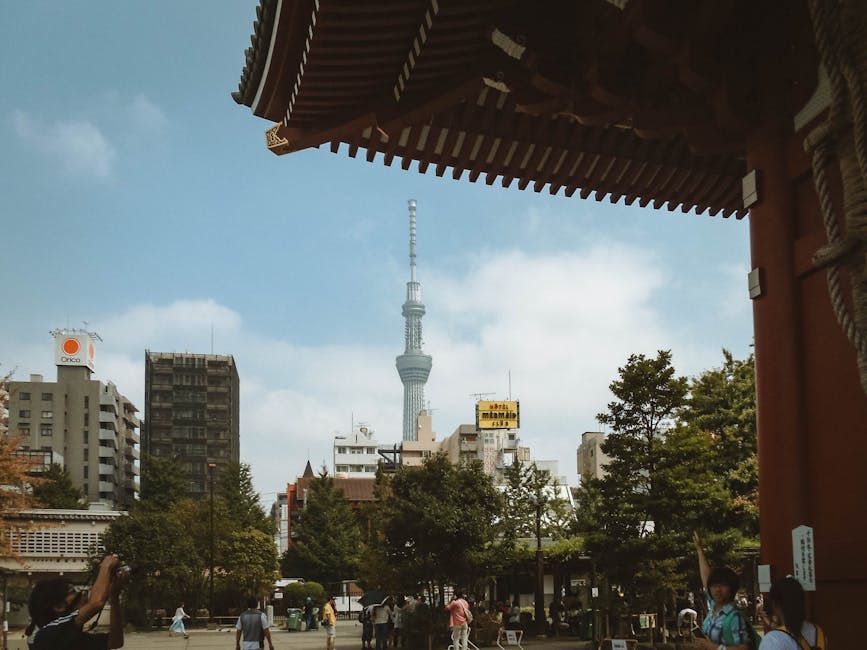
Tokyo’s most iconic sites deliver unforgettable experiences. Start with Senso-ji Temple in Asakusa, Tokyo’s oldest Buddhist temple, where the Kaminarimon Gate and Nakamise shopping street set the tone for traditional Japan. Just a short train ride away, the Meiji Shrine offers a peaceful retreat in Shibuya, surrounded by a dense forest and dedicated to Emperor Meiji and Empress Shoken.
For panoramic city views, head to the Tokyo Skytree or the Tokyo Metropolitan Government Building observation deck in Shinjuku—both provide sweeping vistas, especially at sunset. Don’t miss Tsukiji Outer MarketToyosu Market offers guided tours and tuna auctions, but Tsukiji remains the go-to for casual dining and culinary exploration.
Neighborhoods to Explore
Each Tokyo district has its own personality. Shibuya is the heart of youth culture, known for the famous Scramble Crossing and vibrant nightlife. It’s ideal for shopping, people-watching, and experiencing Tokyo’s fast pace. Nearby Harajuku takes creativity to the next level with quirky fashion, colorful cafes, and Takeshita Street’s bustling energy.
Shinjuku blends business and entertainment, home to the Tokyo Metropolitan Government Building,Golden Gai’s tiny bars, and the lively Kabukicho district. For a more refined atmosphere, visit Ginza, Tokyo’s luxury shopping hub with high-end boutiques, art galleries, and fine dining. Meanwhile, Ueno offers cultural depth with its museums, Ueno Park, and the annual cherry blossom season.
Don’t overlook Roppongi for contemporary art at the Mori Art Museum and Odaiba for futuristic attractions like teamLab Borderless (when reopened) and the Rainbow Bridge waterfront.
Cultural Experiences and Hidden Gems
Beyond the main sights, Tokyo rewards curious travelers with authentic cultural moments. Visit a traditional tea ceremony in a historic teahouse in Kagurazaka or Asakusa. Attend a sumo wrestling tournament at Ryogoku Kokugikan during one of the three annual Grand Sumo events—book tickets early.
For a quieter escape, explore Yanaka Ginza, a retro shopping street with old-world charm, or stroll through Kiyosumi GardenKappabashi Street in Asakusa is a must for kitchenware lovers, offering everything from chef knives to realistic plastic food models.
Art enthusiasts should visit the National Museum of Western Art in Ueno or the Edo-Tokyo Museum to understand the city’s evolution from the 17th century to today.
Food and Dining Essentials
Tokyo is a global food capital, with more Michelin-starred restaurants than any other city. Start your day with a traditional breakfast of grilled fish, miso soup, and rice at a local café. For lunch, try ramen at Ichiran or Ippudo, or sample tempura at a standing counter in Ginza.
Sushi lovers should visit Jiro Ono’s Sukiyabashi Jiro (reservations required) or opt for a more accessible conveyor-belt sushi spot like Sushiro. Don’t miss izakayas—Japanese pubs offering small plates and drinks—popular in Shinjuku and Ebisu.
Vegetarians should plan ahead, as plant-based options can be limited. Look for Buddhist temple cuisine (shojin ryori) in Asakusa or vegan ramen shops like T’s Tantan in Tokyo Station.
Getting Around Tokyo
Tokyo’s public transportation system is efficient, clean, and extensive. The JR Yamanote Line loops through major hubs like Shibuya, Shinjuku, Tokyo, and Ueno—ideal for first-time visitors. Purchase a Suica or Pasmo rechargeable IC card for seamless access to trains, subways, and buses.
Avoid rush hour (7:30–9:30 AM and 5:00–7:00 PM) if possible, especially on the Yamanote and Chuo lines. Exploring Tokyo places to visit reveals important insights. Taxis are available but expensive; use them sparingly. Google Maps and Japan Transit Planner apps provide real-time route guidance in English.
Walking is practical in dense areas like Shibuya or Ginza, but long distances are best covered by train. Buses are less tourist-friendly due to limited English signage.
When to Visit Tokyo
Tokyo is enjoyable year-round, but timing affects your experience. Spring (March to May) brings cherry blossoms and mild weather, making it the most popular season—book accommodations early. Autumn (September to November) offers crisp air and stunning fall foliage, especially in parks like Shinjuku Gyoen.
Summer (June to August) is hot and humid, with rainy season in June. It’s less crowded but challenging for outdoor activities. Winter (December to February) is cold but dry, with fewer tourists and holiday illuminations in December.
Avoid national holidays like Golden Week (late April to early May) and Obon (mid-August) when domestic travel surges and prices rise.
Travel Tips and Practical Advice
Tokyo is safe, but petty theft can occur in crowded areas. Keep valuables secure and avoid displaying expensive items. Tipping is not customary and may be refused.
Learn basic Japanese phrases like “arigatou gozaimasu” (thank you) and “sumimasen” (excuse me). Many signs are in English, but not all staff speak it—carry a translation app.
Carry cash, as smaller restaurants and shops may not accept credit cards. ATMs at 7-Eleven (Seven Bank) accept foreign cards.
Respect local customs: remove shoes when entering homes or certain traditional venues, avoid eating while walking, and stay quiet on public transport.
Recommended 5-Day Itinerary
- Day 1: Asakusa (Senso-ji, Nakamise), Ueno (museums, park), evening in Akihabara
- Day 2: Shibuya (Scramble Crossing, Hachiko Statue), Harajuku (Takeshita Street, Meiji Shrine), Omotesando
- Day 3: Shinjuku (Tokyo Metropolitan Gov Building, Golden Gai), Ginza (shopping, dinner)
- Day 4: Tsukiji Outer Market, Hamarikyu Gardens, Odaiba (teamLab, waterfront)
- Day 5: Day trip to Nikko or Kamakura, or explore Yanaka and Kagurazaka
Comparing Tokyo’s Top Observation Decks
For the best views of Tokyo, several observation decks compete for attention. Below is a quick comparison to help you choose:
| Location | Height | Ticket Price (Adult) | Best For | Notes |
|---|---|---|---|---|
| Tokyo Skytree | 350m (Tembo Deck) | ¥2,100 | Highest view, clear days | Often crowded; book online |
| Tokyo Tower | 250m (Main Deck) | ¥1,200 | Classic landmark, night lights | Iconic red structure; nostalgic feel |
| Tokyo Metropolitan Gov Building | 205m (North & South Towers) | Free | Free access, central location | Closed on Mondays; less crowded |
| Shibuya Sky | 230m | ¥2,200 | Open-air deck, city energy | Timed entry; stunning sunset views |
Final Thoughts on Visiting Tokyo
Tokyo rewards thoughtful exploration. While it’s easy to be overwhelmed by the scale and pace, a well-planned itinerary helps you experience the city’s depth. Use this Tokyo travel guide to prioritize must-see spots, discover local favorites, and navigate with ease. Whether you’re drawn to history, food, fashion, or technology, Tokyo delivers—on your own terms.
FAQ
What is the best time of year to visit Tokyo?
Spring (March to May) and autumn (September to November) offer the most pleasant weather and seasonal beauty, especially cherry blossoms and fall foliage. Avoid Golden Week and Obon for fewer crowds.
Do I need to speak Japanese to get around Tokyo?
No, but knowing a few basic phrases helps. Major stations and tourist areas have English signage, and translation apps are widely used. Staff in hotels and larger restaurants often speak some English.
Is Tokyo expensive for travelers?
Tokyo can be costly, but budget options exist. Stay in business hotels or guesthouses, eat at local izakayas or convenience stores, and use public transit. Many attractions, like parks and temples, are free or low-cost.

