
Tokyo Shopping Guide: Best Areas to Visit
Tokyo Shopping Guide: Best Areas to Visit
Tokyo offers one of the world’s most diverse and exciting shopping experiences, blending high-end fashion, cutting-edge electronics, traditional crafts, and quirky pop culture finds in a single city. Exploring Tokyo shopping districts reveals important insights. Whether you’re hunting for designer labels, vintage kimonos, or the latest tech gadgets, knowing where to go is key. This Tokyo shopping guide highlights the best areas to visit, what makes each district unique, and practical tips to help you shop smarter and avoid common tourist pitfalls.
Why Tokyo Is a Shopper’s Paradise
Tokyo’s shopping scene is unmatched in scale, variety, and innovation. From sprawling department stores to hidden alleyway boutiques, the city caters to every taste and budget. Unlike many global capitals, Tokyo blends tradition with futurism—think centuries-old tea shops next to robot-run convenience stores. The city’s efficient public transport, multilingual signage in major areas, and generally safe environment make it accessible even for first-time visitors.
What sets Tokyo apart is its neighborhood-based retail culture. Each district specializes in certain types of goods, allowing shoppers to focus their time and energy efficiently. Whether you’re after luxury fashion in Ginza, anime collectibles in Akihabara, or handmade ceramics in Kappabashi, there’s a dedicated hub for it.
Top 7 Shopping Areas in Tokyo
Below are the seven most rewarding shopping districts in Tokyo, ranked by variety, uniqueness, and visitor accessibility. Each offers a distinct experience and caters to different interests and budgets.
1. Ginza – Luxury and Department Stores
Ginza is Tokyo’s answer to Fifth Avenue or the Champs-Élysées. This upscale district is home to flagship stores from global luxury brands like Chanel, Louis Vuitton, and Gucci, as well as Japanese icons such as Mitsukoshi and Matsuya department stores. The wide, tree-lined streets and elegant storefronts create a refined atmosphere perfect for high-end shopping.
Beyond fashion, Ginza features high-end boutiques for cosmetics, jewelry, and home goods. Many stores offer tax-free shopping for international visitors, and staff are typically fluent in English. The area is also known for its fine dining and art galleries, making it ideal for a full day out.
Best for: Designer fashion, luxury goods, fine dining, and cultural experiences.
2. Shibuya – Youth Fashion and Pop Culture
Shibuya is the heart of Tokyo’s youth culture and street fashion. The area pulses with energy, especially around Shibuya Crossing—the world’s busiest pedestrian intersection. Here, you’ll find massive outlets like Shibuya 109, a multi-story mall packed with trendy Japanese brands such as WEGO, WEGO KIDS, and X-girl.
Shibuya also hosts pop-up shops, music stores, and cafes themed around anime, J-pop, and streetwear. For a more curated experience, visit Shibuya Parco, which houses niche fashion labels, art exhibitions, and the Nintendo Tokyo store.
Best for: Streetwear, fast fashion, pop culture, and Instagram-worthy backdrops.
3. Harajuku – Quirky Styles and Vintage Finds
Just a short walk from Shibuya, Harajuku is where Tokyo’s most eccentric fashion trends are born. Takeshita Street is the epicenter of kawaii (cute) culture, lined with stores selling colorful clothing, accessories, and novelty snacks. Brands like 6%DOKIDOKI and Kiddy Land cater to fans of bold, playful styles.
For something more unique, explore the backstreets of Omotesando and Cat Street. These tree-lined avenues feature minimalist boutiques, independent designers, and vintage shops. You might find one-of-a-kind pieces from emerging Japanese designers or retro Americana.
Best for: Kawaii fashion, vintage clothing, unique accessories, and photo ops.
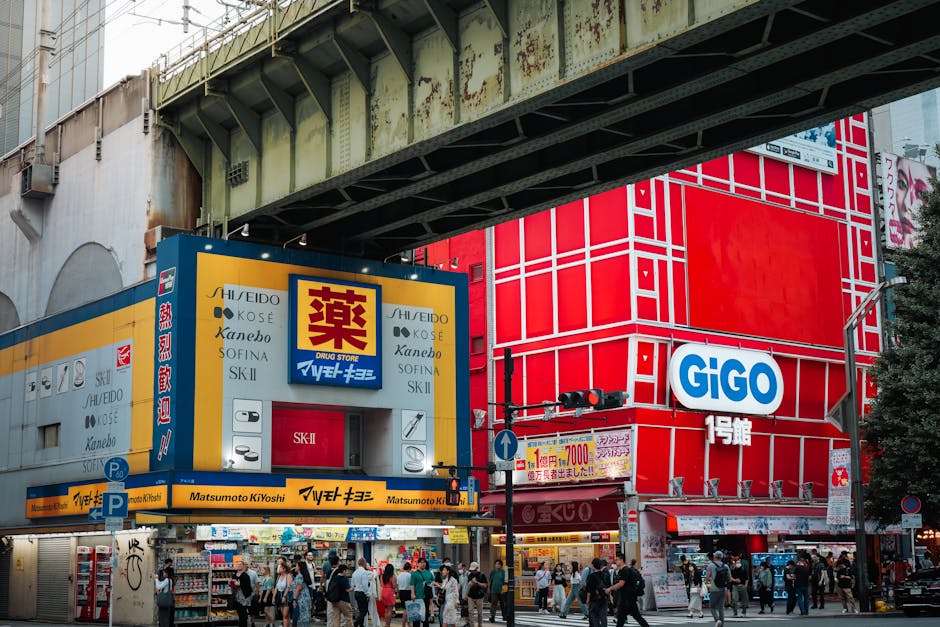
4. Akihabara – Electronics and Anime Goods
Akihabara, often called “Electric Town,” is a haven for tech lovers and anime fans. The district is filled with multi-floor electronics stores like Yodobashi Camera and Bic Camera, where you can buy cameras, headphones, gaming consoles, and home appliances—often at competitive prices.
Beyond gadgets, Akihabara is the go-to destination for anime, manga, and video game merchandise. Stores like Mandarake and Animate carry rare figures, posters, and limited-edition collectibles. Maid cafes and themed arcades add to the immersive otaku experience.
Best for: Electronics, anime merchandise, video games, and niche pop culture.
5. Shinjuku – Variety and Night Shopping
Shinjuku blends shopping with entertainment. The area is dominated by Isetan Department Store, known for its high-quality Japanese goods, from skincare to seasonal sweets. Nearby, Lumine and Odakyu Mylord offer fashion and lifestyle brands in a modern mall setting.
As evening falls, Shinjuku transforms. Exploring Tokyo shopping districts reveals important insights. The Kabukicho district buzzes with neon lights, and smaller shops in Golden Gai sell vintage clothing and handmade accessories. For late-night shopping, visit Don Quijote—a chaotic discount store open 24/7, selling everything from snacks to quirky gadgets.
Best for: Department store shopping, nightlife, and eclectic finds.
6. Asakusa – Traditional Crafts and Souvenirs
For a taste of old Tokyo, head to Asakusa. This historic district is anchored by Senso-ji Temple and the bustling Nakamise Shopping Street, which has operated for over 400 years. The narrow lane is lined with stalls selling traditional snacks, wooden toys, fans, and yukata (light summer kimonos).
You’ll also find shops specializing in Japanese crafts like washi paper, calligraphy sets, and hand-painted ceramics. Prices are generally affordable, and many items make excellent souvenirs or gifts.
Best for: Traditional souvenirs, cultural experiences, and historic atmosphere.
7. Kappabashi – Kitchenware and Plastic Food
Kappabashi, also known as Kitchen Town, is a unique destination for culinary enthusiasts. The street is lined with shops selling professional-grade knives, restaurant supplies, and the famous plastic food models displayed outside Japanese eateries.
These hyper-realistic replicas are made by skilled artisans and are both functional (for menu displays) and collectible. You can even commission custom models. Many shops offer tax-free purchases, and some provide shipping services for heavier items.
Best for: Kitchen tools, unique gifts, and quirky Japanese novelties.
How to Shop Smart in Tokyo
To make the most of your shopping trip, keep these practical tips in mind:
- Carry cash: While credit cards are accepted in major stores, many small shops, markets, and vending machines only take cash.
- Check for tax-free shopping: Tourists spending over ¥5,000 (about $35) in a single store on eligible goods can claim a refund. Look for the “Tax-Free” sign and bring your passport.
- Shop during sales: Major sales occur in January (New Year) and July (mid-year). Department stores often have additional seasonal promotions.
- Avoid peak hours: Malls and popular streets get crowded on weekends and evenings. Visit early morning or weekdays for a more relaxed experience.
- Use luggage forwarding: Many hotels and convenience stores offer takuhaibin (package delivery) services to send purchases directly to your hotel or airport.
Comparison of Top Tokyo Shopping Areas
The table below summarizes the key features of each shopping district to help you plan your itinerary.
| District | Best For | Price Range | Unique Feature |
|---|---|---|---|
| Ginza | Luxury fashion, department stores | High | Flagship global brands |
| Shibuya | Youth fashion, pop culture | Mid to High | Shibuya Crossing and 109 mall |
| Harajuku | Kawaii fashion, vintage | Low to Mid | Takeshita Street and quirky boutiques |
| Akihabara | Electronics, anime goods | Mid | Multi-floor tech and otaku stores |
| Shinjuku | Department stores, night shopping | Mid to High | 24/7 Don Quijote and Isetan |
| Asakusa | Traditional souvenirs | Low | Nakamise Street and Senso-ji |
| Kappabashi | Kitchenware, plastic food | Mid | Professional-grade tools and replicas |
Final Tips for a Successful Tokyo Shopping Trip
Tokyo rewards thoughtful planning. Start by identifying your priorities: Are you after luxury items, unique souvenirs, or pop culture collectibles? Then, group nearby districts to minimize travel time. For example, combine Shibuya and Harajuku in one afternoon, or visit Asakusa and Ueno (known for its museum shops) in the same day.
Don’t forget to pace yourself. Tokyo’s shopping districts are dense and stimulating, and it’s easy to get overwhelmed. Take breaks at cafes, enjoy a matcha soft serve, or people-watch from a park bench. Remember, the best shopping experiences often come from wandering and discovering something unexpected.
Lastly, be respectful of local customs. Avoid loud conversations in stores, don’t touch merchandise without asking, and always say “arigatou gozaimasu” (thank you) when leaving.
FAQ
Q: Can I use credit cards everywhere in Tokyo?
A: Major stores and department stores accept credit cards, but many small shops, street vendors, and vending machines only take cash. Always carry yen.
Q: Is tax-free shopping available for tourists?
A: Yes. Tourists can claim a refund on purchases over ¥5,000 in participating stores. Bring your passport and look for the “Tax-Free” sign at checkout.
Q: What’s the best time of year to shop in Tokyo?
A: January and July offer major sales. Spring (March–April) and autumn (October–November) also provide pleasant weather and seasonal promotions.
With its unmatched variety, cultural depth, and shopper-friendly infrastructure, Tokyo remains one of the world’s top destinations for retail therapy. Use this Tokyo shopping guide to navigate the city’s best areas, discover hidden gems, and bring home more than just souvenirs—bring back memories.

