
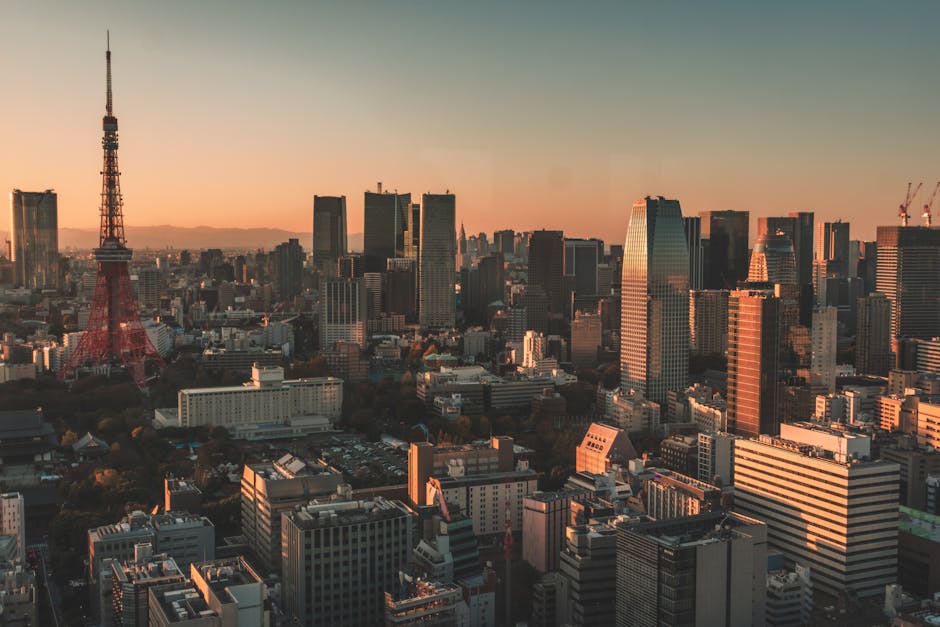
Tokyo 3 Day Itinerary Travel Guide: See the Best of Japan’s Capital in 72 Hours
Planning a short trip to Tokyo? A well-structured Tokyo 3 day itinerary travel guide helps you experience the city’s iconic sights, vibrant neighborhoods, and authentic culture without feeling rushed. This practical guide covers must-see attractions, efficient transit tips, and balanced daily schedules that blend tradition and modernity. Whether you’re visiting for the first time or returning to explore deeper, this itinerary ensures you make the most of your limited time—without burnout.
Why a 3-Day Tokyo Itinerary Works
Tokyo is vast, diverse, and endlessly fascinating—but three days is enough to hit the highlights if you plan wisely. Most first-time visitors aim to see a mix of historic temples, cutting-edge districts, local food scenes, and green spaces. A tight schedule forces prioritization, which actually enhances the experience by reducing decision fatigue. With Tokyo’s excellent public transportation, you can move quickly between neighborhoods, making a 3-day plan both realistic and rewarding.
Before You Go: Essential Tips
A smooth trip starts with preparation. Purchase a Suica or Pasmo IC card at the airport or any major station—it works on trains, buses, and even convenience stores. Download offline maps (Google Maps or Japan Travel by Navitime) since not all signage is in English. Most museums and major attractions require advance booking, especially on weekends. Also, note that many restaurants close by 10 p.m., and last entry to temples and gardens is often 30–60 minutes before closing.
- Best time to visit: Spring (March–April) for cherry blossoms or autumn (October–November) for mild weather and fall colors.
- Language: Learn basic phrases like “arigatou gozaimasu” (thank you) and “sumimasen” (excuse me/sorry). Many signs are in English, but staff may not speak it fluently.
- Etiquette: Bow slightly when greeting, don’t eat while walking, and always line up orderly for trains.
Day 1: Classic Tokyo – Tradition Meets Modernity
Start your Tokyo 3 day itinerary travel guide with a balanced introduction to the city’s contrasts. Begin early to maximize daylight and avoid crowds.
Morning: Asakusa and Senso-ji Temple
Arrive at Asakusa Station by 8:30 a.m. Visit Senso-ji, Tokyo’s oldest Buddhist temple. Walk through the Kaminarimon Gate, browse Nakamise-dori for traditional snacks like melon pan and senbei, and offer prayers at the main hall. The area is quiet in the morning, offering better photo opportunities and a more reflective atmosphere.
Afternoon: Sumida River Cruise and Tokyo Skytree
Take the short walk to the Himiko water bus at Asakusa Pier for a 20-minute scenic ride to Odaiba. Alternatively, ride the Ginza Line to Tokyo Skytree Station. Visit Tokyo Skytree (book tickets online) for panoramic views. The observation decks span floors 350 and 450, with the higher deck offering a glass floor section. Allow 90 minutes total.
Evening: Akihabara for Dinner and Neon Lights
Head to Akihabara, the hub of electronics, anime, and izakayas. Try a themed café (like a maid café or retro game bar) or opt for a casual meal at a standing yakitori bar. Explore Yodobashi Camera for gadgets or Mandarake for vintage manga. Stay until 9 p.m. to see the district fully lit—it’s one of Tokyo’s most iconic nighttime scenes.
Day 2: Culture, Cuisine, and City Views
Day two focuses on deeper cultural immersion and iconic urban experiences.
Morning: Meiji Shrine and Harajuku
Start at Meiji Shrine in Shibuya. Enter through the towering torii gate and walk the forested path to the main hall. Make a wish, write an ema (wooden prayer plaque), and observe Shinto rituals. Arrive by 9 a.m. to avoid tour groups.
Late Morning: Takeshita Street and Omotesando
Walk five minutes to Harajuku’s Takeshita Street. It’s crowded by 10:30 a.m., so go early for photos and crepes. Then, stroll down Omotesando, Tokyo’s “Champs-Élysées,” lined with designer boutiques, minimalist architecture, and stylish cafés. Stop at Andersen for a matcha soft serve or Streamer Coffee for expertly brewed pour-over.
Afternoon: Shibuya Crossing and Hachiko Statue
Head to Shibuya Station. See the famous Shibuya Crossing from above at Shibuya Sky (book ahead) or from the Starbucks in Tsutaya. Pay respects at the Hachiko Statue, then explore Shibuya 109 for fashion or Don Quijote for quirky souvenirs.
Evening: Dinner in Ebisu or Daikanyama
Take the Yamanote Line one stop to Ebisu or Daikanyama for a more local dining scene. Try Genki Sushi for conveyor-belt sushi with English ordering, or book a table at Narisawa (if budget allows) for innovative Japanese cuisine. Both areas have relaxed vibes and fewer tourists than Shinjuku.
Day 3: Day Trip or Deep Dive – Your Choice
Use your final day based on your interests: a peaceful escape or an urban adventure.
Option A: Day Trip to Nikko (Nature and History)
Take the Tobu Railway from Asakusa to Nikko (2 hours one way). Visit Toshogu Shrine, a UNESCO World Heritage site with elaborate carvings and gold leaf. Walk through the forested paths, see the Shinkyo Bridge, and enjoy mountain air. Return by 7 p.m. for dinner in Asakusa.
Option B: Explore Shinjuku and Golden Gai
Start at Shinjuku Gyoen National Garden for a serene morning walk among Japanese, English, and French landscapes. Then, explore the Tokyo Metropolitan Government Building (free observation deck) for city views. In the evening, wander Golden Gai, a network of narrow alleys packed with tiny bars. Each bar seats 4–6 people—perfect for intimate conversations. Try Albatross for craft cocktails or Deathmatch in Hell for a punk vibe.
Transportation Tips for Your Itinerary
Tokyo’s transit system is efficient but complex. Use the JR Yamanote Line to loop between major hubs like Shibuya, Shinjuku, Tokyo, and Ueno. The Ginza and Marunouchi subway lines connect downtown areas. Avoid rush hour (7:30–9:30 a.m. and 5–7 p.m.) if possible—trains are extremely crowded.
For day trips, consider a JR Pass only if traveling beyond Tokyo (e.g., to Nikko or Kamakura). For city-only travel, a Suica card is more cost-effective.
Where to Stay: Best Neighborhoods
Choose lodging based on your itinerary and budget. Here’s a quick comparison:
| Neighborhood | Best For | Average Nightly Rate (USD) | Transit Access |
|---|---|---|---|
| Shinjuku | First-time visitors, nightlife, shopping | $120–$250 | Excellent (JR, subway, buses) |
| Asakusa | Traditional vibe, budget stays, temples | $80–$180 | Good (Ginza Line, Toei Asakusa Line) |
| Shibuya | Young travelers, fashion, energy | $140–$300 | Excellent (JR, subway, buses) |
| Roppongi | Business travelers, nightlife, art museums | $150–$350 | Very Good (Hibiya Line, Oedo Line) |
Food You Must Try
Tokyo is a food lover’s paradise. Don’t leave without sampling:
- Sushi: Try Tsukiji Outer Market for fresh tuna bowls or Sushi Dai (expect long lines).
- Ramen: Visit Ichiran for customizable tonkotsu or Afuri for yuzu-infused broth.
- Tempura: Tenko Honten in Ginza offers light, crispy seafood and vegetables.
- Street Food: Taiyaki (fish-shaped cake), dango (sweet rice dumplings), and yakitori (grilled skewers).
Common Mistakes to Avoid
- Overpacking your schedule: Leave buffer time between activities. Trains can be delayed, and lines form unexpectedly.
- Ignoring cash: Many small restaurants and temples only accept cash. Withdraw from 7-Eleven ATMs (Seven Bank) for best rates.
- Skipping reservations: Popular spots like Shibuya Sky, teamLab Planets, and high-end restaurants require advance booking.
- Not dressing appropriately: Temples and shrines expect modest clothing—cover shoulders and knees.
Final Thoughts
A Tokyo 3 day itinerary travel guide doesn’t need to be exhaustive to be unforgettable. By focusing on key neighborhoods, balancing activity with downtime, and using smart transit strategies, you’ll experience the essence of Tokyo—its energy, elegance, and everyday wonders. Whether you choose a cultural day trip or an urban deep dive on your final day, this plan gives you structure without rigidity. Tokyo rewards curiosity, so stay flexible, embrace the unexpected, and let the city surprise you.
FAQ
Is 3 days enough to see Tokyo?
Yes, if you prioritize. A 3-day itinerary covers major sights, iconic neighborhoods, and authentic food experiences. You won’t see everything, but you’ll get a strong sense of the city’s character.
What’s the best way to get around Tokyo?
Use a Suica or Pasmo card on trains and buses. The JR Yamanote Line connects most tourist areas. Avoid taxis—they’re expensive and traffic can be slow.
Do I need to speak Japanese to travel in Tokyo?
No. Many signs are in English, and major stations have multilingual staff. Learning a few basic phrases improves interactions, but most visitors get by with translation apps and gestures.

