
Switzerland Travel Guide with Budget Tips and Itinerary
Switzerland Travel Guide with Budget Tips and Itinerary
Switzerland is a dream destination for travelers seeking stunning alpine scenery, charming villages, and efficient public transport—but it’s also known for high costs. This Switzerland travel guide with budget tips and itinerary helps you experience the best of the country without overspending. From affordable train passes to free hiking trails and wallet-friendly accommodations, we’ll show you how to explore Switzerland smartly. Whether you’re planning a week-long trip or a longer adventure, this guide offers practical advice, a sample 7-day itinerary, and money-saving strategies to make your Swiss journey both memorable and manageable.
Why Visit Switzerland?
Switzerland consistently ranks among the world’s top travel destinations thanks to its pristine landscapes, clean cities, and reliable infrastructure. The country offers a mix of outdoor adventure, cultural experiences, and culinary delights. From the snow-capped peaks of the Alps to the serene shores of Lake Geneva, every region has something unique to offer.
Swiss cities like Zurich, Geneva, and Bern blend historic architecture with modern amenities. Meanwhile, mountain towns such as Zermatt, Interlaken, and Grindelwald serve as gateways to some of Europe’s most spectacular hiking and skiing terrain. The country’s multilingual culture—with German, French, Italian, and Romansh as official languages—adds to its rich diversity.
Despite its reputation for being expensive, Switzerland is accessible to budget-conscious travelers who plan wisely. With the right strategies, you can enjoy world-class experiences at a fraction of the expected cost.
Best Time to Visit Switzerland
The ideal time to visit depends on your interests. Summer (June to August) is perfect for hiking, lake swimming, and outdoor festivals. The weather is mild, and trails across the Alps are fully open. However, this is also peak tourist season, so prices are higher and popular spots can be crowded.
Spring (April to May) and autumn (September to October) offer fewer crowds and lower prices, with pleasant temperatures and colorful scenery. Spring brings blooming meadows, while autumn showcases golden foliage in the mountains and vineyards.
Winter (December to March) is ideal for skiing and snowboarding. Resorts like St. Moritz, Verbier, and Davos attract winter sports enthusiasts from around the globe. If you’re visiting for snow activities, book accommodations and lift passes early for the best deals.
How to Save Money in Switzerland
Switzerland isn’t cheap, but smart planning can significantly reduce expenses. Here are proven budget tips to stretch your francs:
Use the Swiss Travel Pass
The Swiss Travel Pass is one of the best ways to save on transportation. It offers unlimited travel on trains, buses, and boats, plus free entry to over 500 museums. A 4-day consecutive pass costs around CHF 279 for second class, which can quickly pay for itself if you plan to travel between cities and use public transit frequently.
For example, a one-way train from Zurich to Lucerne costs about CHF 30. With the pass, that trip—and many others—are included. The pass also gives discounts on mountain railways like the Jungfrau Railway and the Gornergrat Railway, though these require a small co-payment.
Stay in Budget Accommodations
Hotels in Switzerland are often pricey, but alternatives exist. Consider staying in hostels, guesthouses, or vacation rentals. Cities like Basel, Lausanne, and Lucerne have affordable hostels with private rooms starting from CHF 80 per night.
Another option is to stay in smaller towns near major destinations. For instance, instead of booking a hotel in Interlaken, consider nearby Lauterbrunnen or Wengen. These villages are quieter, often cheaper, and still well-connected by train.
Cook Your Own Meals
Dining out in Switzerland can be expensive, with a simple meal at a restaurant costing CHF 25–40 per person. To save, shop at supermarkets like Coop, Migros, and Denner. These stores offer quality groceries, ready-to-eat meals, and picnic supplies at reasonable prices.
Many hostels and vacation rentals include kitchens. Preparing your own breakfast and packing lunch for day trips can cut food costs by 50% or more. Try local specialties like raclette or rösti from the supermarket—they’re often cheaper than restaurant versions.
Take Advantage of Free Activities
Switzerland offers countless free or low-cost experiences. Hiking is one of the best ways to enjoy the country’s natural beauty without spending a franc. Trails like the Five Lakes Walk near Zermatt or the Lauterbrunnen Valley loop are accessible and breathtaking.
Many towns have free walking tours, public parks, and viewpoints. In Zurich, the Uetliberg viewpoint offers panoramic city views for free. In Geneva, stroll along the lake promenade or visit the Flower Clock—no admission required.
Sample 7-Day Switzerland Itinerary
This balanced itinerary covers Switzerland’s highlights while keeping costs in check. It assumes you’re starting in Zurich and using the Swiss Travel Pass for transport.
Day 1: Arrival in Zurich
Arrive at Zurich Airport and take the train to your accommodation (covered by the Swiss Travel Pass). Spend the afternoon exploring the Old Town (Altstadt), visiting the Grossmünster church, and walking along Lake Zurich. In the evening, enjoy a budget meal at a local bakery or supermarket.
Day 2: Lucerne and Mount Pilatus
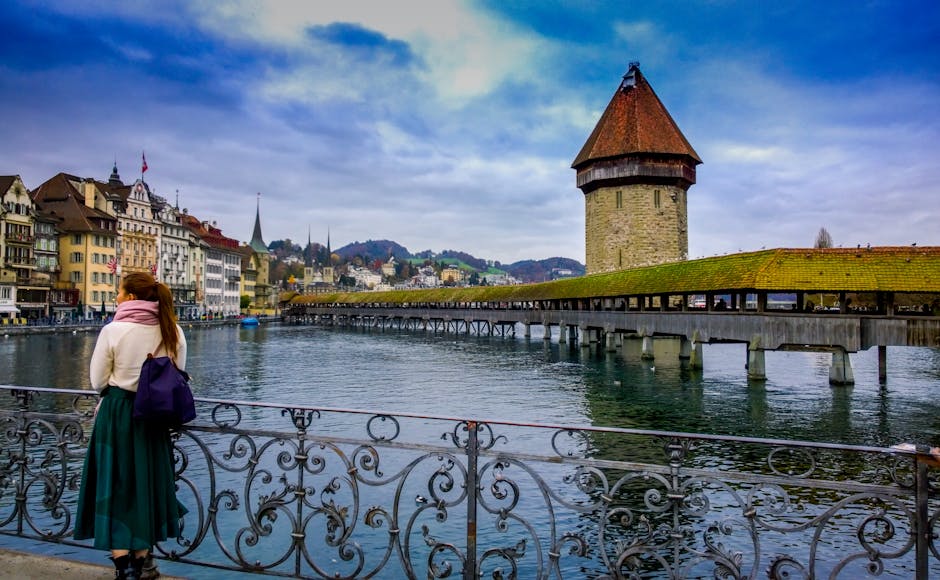
Take a morning train to Lucerne (1 hour). Explore the Chapel Bridge, Water Tower, and Lion Monument. In the afternoon, take the panoramic train to Alpnachstad and board the world’s steepest cogwheel railway to Mount Pilatus. Use your Swiss Travel Pass for the train and get a discount on the cogwheel ride. Return to Lucerne for the night.
Day 3: Interlaken and Lauterbrunnen
Travel by train to Interlaken (2.5 hours), a hub for outdoor activities. Drop your bags at a hostel or guesthouse, then take a short train to Lauterbrunnen. Hike the valley trail to see waterfalls like Staubbach Falls and Trümmelbach Falls. Stay overnight in Lauterbrunnen for a quieter, more affordable experience.
Day 4: Jungfraujoch – Top of Europe
Take the train from Lauterbrunnen to Jungfraujoch via Kleine Scheidegg. The Swiss Travel Pass gives you a 25% discount on this iconic journey. At the “Top of Europe,” enjoy glacier views, ice caves, and panoramic vistas. Return to Interlaken in the evening.
Day 5: Grindelwald and First Cliff Walk
Head to Grindelwald by train (30 minutes). Take the gondola to First station and walk the First Cliff Walk—a free suspension bridge with stunning views of the Eiger, Mönch, and Jungfrau peaks. Optional: rent a mountain cart or take a trottibike ride down. Return to Interlaken or stay in Grindelwald.
Day 6: Bern – The Capital City
Travel to Bern (2 hours), Switzerland’s charming capital. Explore the UNESCO-listed Old Town, visit the Zytglogge clock tower, and walk the arcades. Don’t miss the Bear Park and the Rosengarten for panoramic views. Bern is more affordable than Zurich or Geneva, making it a great budget-friendly stop.
Day 7: Geneva and Departure
Take the train to Geneva (2 hours). Visit the Jet d’Eau fountain, stroll through the Old Town, and explore the United Nations headquarters. If time allows, take a lake cruise (discounted with the Swiss Travel Pass). Depart from Geneva Airport or return to Zurich for your flight.
Transportation in Switzerland
Switzerland’s public transportation system is one of the best in the world. Trains, buses, and boats are punctual, clean, and well-connected. The Swiss Federal Railways (SBB) operates most intercity routes, while regional companies handle local transit.
For long-distance travel, trains are the most convenient option. The Glacier Express and Bernina Express offer scenic routes, but regular trains are just as efficient and often cheaper. Always validate your ticket before boarding, even with a travel pass.
Within cities, trams and buses make getting around easy. Most urban transit systems accept the Swiss Travel Pass. In larger cities like Zurich and Geneva, consider day passes if you’re not using the national pass.
Food and Drink on a Budget
Swiss cuisine is hearty and delicious, but restaurant prices can add up. To eat affordably:
- Shop at supermarkets: Coop and Migros offer fresh bread, cheese, cold cuts, and pre-made meals.
- Try a “Migros Restaurant”: These cafeteria-style eateries serve quality food at lower prices than traditional restaurants.
- Look for lunch specials: Many restaurants offer reduced-price menus between 11:30 AM and 2:00 PM.
- Enjoy local markets: Farmers’ markets in cities like Zurich and Basel offer fresh produce and street food at reasonable prices.
Swiss cheese and chocolate are must-tries. Buy them at supermarkets instead of tourist shops for better value. A block of Emmental cheese or a bar of Lindt chocolate costs significantly less at Coop than at airport duty-free stores.
Accommodation Tips
Accommodation is one of the biggest expenses in Switzerland. Here’s how to find affordable stays:
- Book early: Especially during peak seasons (summer and winter), rooms fill up quickly.
- Use trusted platforms: Booking.com, Hostelworld, and Airbnb offer filters for budget stays.
- Consider location: Staying outside city centers can save money. Trains make commuting easy.
- Look for included amenities: Free breakfast, Wi-Fi, and kitchen access add value.
Hostels aren’t just for backpackers. Many offer private rooms with en-suite bathrooms at competitive prices. In mountain areas, family-run guesthouses often provide a more personal experience at lower rates than hotels.
What to Pack for Switzerland
Pack smart to stay comfortable and avoid unnecessary purchases:
- Layered clothing: Weather can change quickly, especially in the mountains.
- Comfortable walking shoes: Essential for city exploration and hiking.
- Rain jacket: Sudden showers are common, even in summer.
- Reusable water bottle: Tap water is safe to drink and free.
- Travel adapter: Switzerland uses Type J outlets (230V).
Don’t forget a daypack for excursions and a small lock for hostel lockers. If you plan to hike, bring a map or download offline maps on your phone.
Safety and Etiquette
Switzerland is one of the safest countries in the world, with low crime rates and efficient emergency services. However, petty theft can occur in tourist areas, so keep your belongings secure.
Swiss people value punctuality, cleanliness, and quiet. Be on time for trains and appointments, and avoid loud conversations in public spaces. Recycling is taken seriously—follow local sorting guidelines.
When hiking, stay on marked trails and respect nature. Many alpine areas are protected, and straying off-path can damage fragile ecosystems.
Compact Comparison: Swiss Travel Pass vs. Individual Tickets
| Feature | Swiss Travel Pass (4-day) | Individual Tickets |
|---|---|---|
| Train Travel | Unlimited | CHF 30–50 per trip |
| Bus & Boat | Included | CHF 5–15 per ride |
| Museums | Free entry to 500+ | CHF 10–20 per visit |
| Mountain Railways | Discounts (e.g., 25% off Jungfraujoch) | Full price (CHF 200+) |
| Cost (Second Class) | CHF 279 | Varies (likely more) |
The Swiss Travel Pass is usually the better value if you plan to travel between cities and visit multiple attractions. Calculate your expected transportation and activity costs to decide.
Final Tips for a Successful Trip
To make the most of your Switzerland travel guide with budget tips and itinerary:
- Plan your route in advance: Use the SBB website or app to check train schedules and book seats if needed.
- Download offline maps: Google Maps and Maps.me work well without internet.
- Carry cash: While cards are widely accepted, some small vendors and mountain huts only take cash.
- Learn basic phrases: A few words in German, French, or Italian go a long way.
- Respect local customs: Tipping is not mandatory—rounding up is sufficient.
FAQ
Is Switzerland safe for solo travelers?
Yes, Switzerland is extremely safe for solo travelers. Crime rates are low, public transport is reliable, and locals are generally helpful. Women traveling alone will find the country welcoming and secure.
Can I use euros in Switzerland?
Switzerland uses Swiss francs (CHF), not euros. While some tourist areas may accept euros, change is often given in francs at poor rates. Always pay in CHF to avoid extra costs.
Do I need to speak German, French, or Italian to get by?
No. Most Swiss people speak English, especially in cities and tourist areas. Basic greetings in the local language are appreciated, but you’ll have no trouble communicating in English.
Conclusion
Switzerland offers an unforgettable mix of natural beauty, cultural richness, and efficient travel—all within a compact, accessible country. With this Switzerland travel guide with budget tips and itinerary, you can explore its mountains, lakes, and cities without breaking the bank. By using the Swiss Travel Pass, choosing budget accommodations, cooking your own meals, and taking advantage of free activities, you’ll stretch your travel budget further. Whether you’re hiking in the Alps, exploring historic towns, or savoring Swiss chocolate, your trip will be both enriching and affordable. Start planning today and discover why Switzerland remains one of the world’s most beloved destinations.

