
Solo Travel Checklist Complete Guide: Everything You Need to Pack and Plan
Traveling alone offers unmatched freedom, personal growth, and the chance to explore the world on your own terms. But without a travel companion to share responsibilities, preparation becomes essential. A well-organized solo travel checklist ensures you’re ready for anything—from flight delays to spontaneous detours. This complete guide walks you through every step of planning and packing for a safe, smooth, and enjoyable solo journey, covering documentation, safety, gear, and practical tips tailored specifically for independent travelers.
Why a Solo Travel Checklist Matters
Unlike group trips, solo travel means you’re solely responsible for decisions, logistics, and safety. A detailed checklist helps prevent oversights that could lead to stress, missed connections, or even danger. It also builds confidence—knowing you’ve covered the essentials lets you focus on the experience, not the logistics. Whether you’re heading to a bustling city in Southeast Asia or a quiet village in the Andes, preparation is your best travel companion.
Pre-Travel Planning Essentials
Before you even think about packing, lay the groundwork for a successful trip. This phase includes research, bookings, and securing important documents.
Research Your Destination
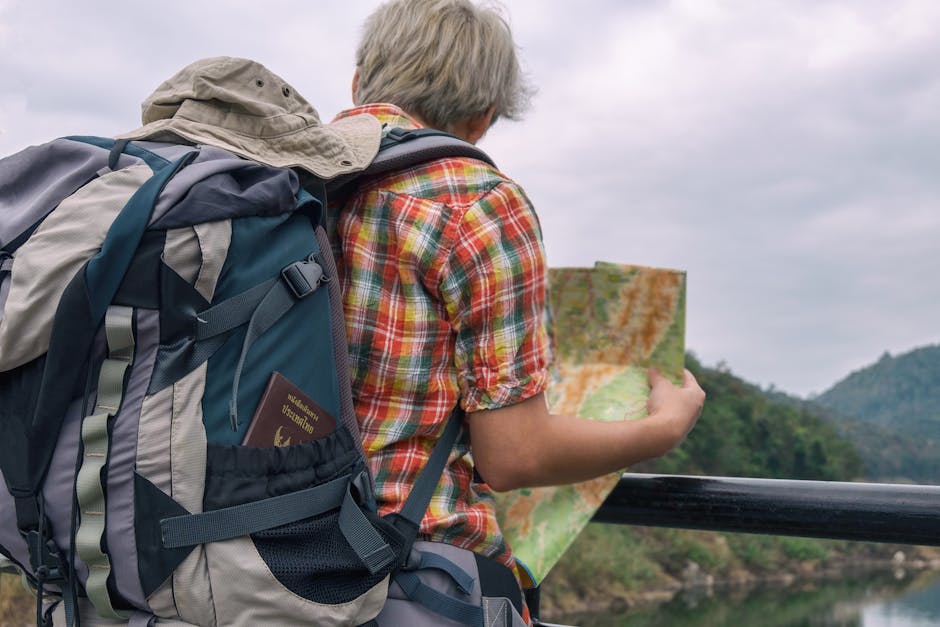
Start by understanding your destination’s culture, climate, local laws, and common scams. Read recent traveler reviews on platforms like TripAdvisor or Lonely Planet. Check government travel advisories from your country’s foreign affairs department—these often highlight safety concerns, required vaccinations, or entry restrictions.
For example, if you’re visiting Japan, note that many places still prefer cash over cards, and public behavior is highly valued. In contrast, backpacking through Morocco may require awareness of local dress codes and transportation norms.
Book Accommodations and Transport
Secure your first few nights of lodging in advance, especially if arriving late at night. Hostels with 24-hour reception or hotels with secure check-in are ideal for solo travelers. Use trusted platforms like Booking.com or Airbnb, and filter for “solo traveler friendly” or high safety ratings.
For transportation, book long-distance trains or buses ahead of time when possible. In countries like India or Vietnam, last-minute tickets can be scarce or overpriced. Download offline maps and transit apps like Google Maps or Citymapper before departure.
Secure Important Documents
Carry both physical and digital copies of essential documents. Keep originals in a secure place and store encrypted digital backups in cloud storage or email them to yourself.
- Passport (valid for at least six months beyond your return date)
- Visas (printed or saved digitally)
- Travel insurance policy details
- Flight and accommodation confirmations
- Emergency contact list
- Copies of ID and credit cards
Packing Smart: The Solo Traveler’s Packing List
Packing light is crucial when traveling alone—you’ll be handling everything yourself. Aim for a carry-on suitcase or backpack (40–50 liters) to avoid checked baggage fees and reduce the risk of lost luggage.
Clothing and Personal Items
Choose versatile, quick-dry clothing in neutral colors that can be mixed and matched. Pack layers for variable weather. For a two-week trip, 5–7 tops, 3–4 bottoms, 1–2 dresses or suits (if needed), and 7 pairs of underwear are usually sufficient.
Essential personal items include:
- Toothbrush and toothpaste
- Travel-sized toiletries (under 100ml for carry-on)
- Sunscreen and lip balm with SPF
- Prescription medications (with original packaging)
- Hand sanitizer and wet wipes
- Reusable water bottle with filter (useful in areas with unsafe tap water)
Electronics and Gadgets
Bring only what you’ll use. Overpacking electronics increases theft risk and weight.
- Smartphone and charger
- Universal power adapter
- Portable power bank (under 100Wh for airline compliance)
- Noise-canceling headphones
- Camera (optional—many travelers rely on phones)
- E-reader or notebook for downtime
Enable two-factor authentication on all accounts and consider using a VPN for public Wi-Fi security.
Safety and Security Gear
Solo travelers should prioritize personal safety. Consider these items:
- Doorstop alarm (fits under hotel room doors)
- Money belt or hidden pouch for cash and cards
- Portable door lock (for added security in hostels)
- Pepper spray (check legality at your destination)
- Whistle or personal alarm
- First-aid kit with bandages, antiseptic, pain relievers, and any personal meds
Staying Safe While Traveling Alone
Safety isn’t just about gear—it’s about awareness and habits. Solo travelers are more visible targets, so proactive measures are key.
Share Your Itinerary
Give a trusted friend or family member a copy of your travel plan, including flight details, accommodation addresses, and contact information. Check in regularly via text or messaging apps like WhatsApp or Signal.
Avoid Risky Situations
Stay alert in crowded areas, avoid walking alone at night in unfamiliar neighborhoods, and never leave drinks unattended. Trust your instincts—if something feels off, leave.
In tourist-heavy areas, beware of common scams: fake petitions, distraction thefts, or overly friendly strangers offering unsolicited help. For example, in Barcelona, pickpockets often work in teams near metro stations.
Use Technology Wisely
Download offline maps and translation apps like Google Translate. Enable location sharing with a trusted contact. Use ride-sharing apps with verified drivers instead of unmarked taxis.
Money and Budgeting Tips
Managing finances alone requires extra care. Carry multiple payment methods and avoid flashing large amounts of cash.
Payment Options
Use a credit card with no foreign transaction fees for most purchases. Carry a backup debit card and some local currency for emergencies. Notify your bank of your travel dates to prevent card blocks.
Budgeting for Solo Travel
Solo travel can be more expensive per day than group travel due to single-occupancy fees and lack of cost-sharing. Plan accordingly:
- Book accommodations with kitchens to save on meals
- Use public transport instead of taxis
- Look for free walking tours or museum days
- Pack snacks to avoid overpriced airport or tourist-area food
Health and Wellness on the Road
Staying healthy ensures you can enjoy your trip without setbacks.
Travel Insurance
Never travel without comprehensive travel insurance that covers medical emergencies, trip cancellations, and lost luggage. Read the fine print—some policies exclude high-risk activities like hiking or scuba diving.
Vaccinations and Medications
Check if your destination requires specific vaccines (e.g., yellow fever for parts of Africa). Carry a basic medical kit and any prescription medications in their original containers.
Mental Wellbeing
Solo travel can be lonely at times. Stay connected with loved ones, journal your experiences, and allow yourself downtime. Join group tours or stay in social hostels to meet other travelers.
Packing Checklist: A Quick Reference
Use this compact table to cross-check your packing list before departure:
| Category | Essential Items | Optional but Helpful |
|---|---|---|
| Documents | Passport, visa, travel insurance, flight tickets | Printed itinerary, hotel addresses, emergency contacts |
| Clothing | Underwear, socks, 3–5 tops, 2–3 bottoms, sleepwear | Swimwear, hat, scarf, formal outfit |
| Electronics | Phone, charger, power bank, adapter | Camera, headphones, e-reader |
| Safety | Money belt, doorstop alarm, first-aid kit | Portable lock, whistle, pepper spray (where legal) |
| Toiletries | Toothbrush, toothpaste, soap, sunscreen | Deodorant, shampoo, razor, contact lenses |
Final Tips for a Smooth Solo Journey
With your solo travel checklist complete, keep these final tips in mind:
- Arrive at the airport with plenty of time—security lines can be unpredictable.
- Label your luggage with your name and a temporary email (not your home address).
- Keep a small amount of local currency for immediate needs upon arrival.
- Download entertainment for long flights or bus rides.
- Be flexible—delays and changes are part of the adventure.
FAQ: Solo Travel Checklist Common Questions
What should I do if I lose my passport while traveling alone?
Contact your country’s nearest embassy or consulate immediately. They can issue an emergency travel document. Keep digital copies of your passport and visa to speed up the process.
Is it safe to travel alone as a woman?
Yes, many women travel solo safely every year. Research your destination’s safety reputation, dress appropriately for the culture, stay in well-reviewed accommodations, and trust your instincts. Consider joining women-only travel groups or forums for advice.
How much should I budget for a solo trip?
Budget depends on destination and travel style. On average, budget $50–$100 per day for hostels and local food in Southeast Asia, $100–$200 in Europe, and $150+ in North America or Australia. Include buffer funds for emergencies.
Conclusion
A thorough solo travel checklist is your foundation for a confident, stress-free adventure. From securing documents to packing smart and staying safe, every step prepares you to embrace the unexpected. With the right preparation, solo travel isn’t just manageable—it’s empowering. Use this complete guide as your roadmap, and step into your next journey ready for anything.

