
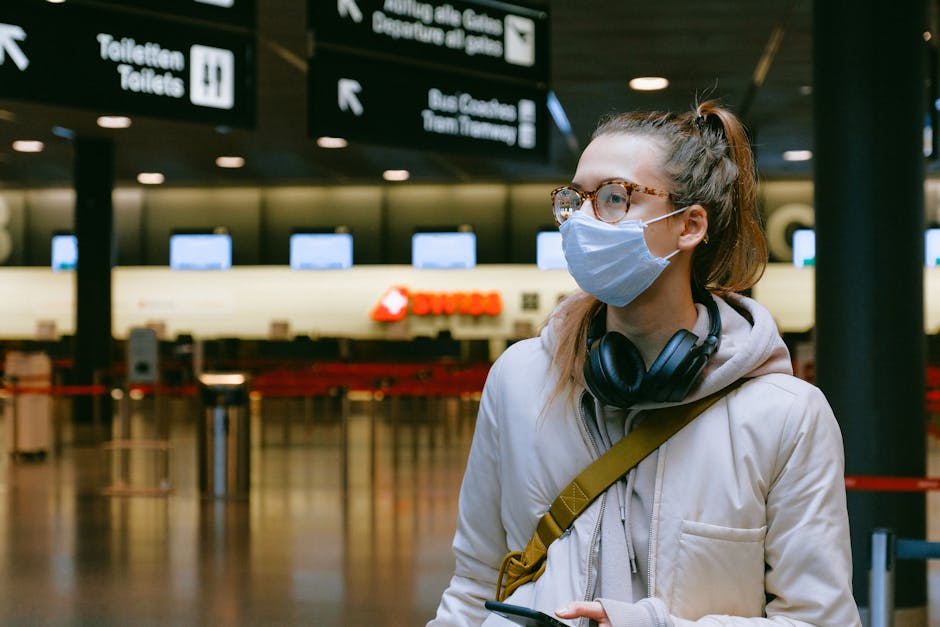
Solo Female Travel Guide Safety Tips
Solo Female Travel Guide Safety Tips
Traveling alone as a woman can be one of the most empowering experiences of a lifetime. With the right preparation and mindset, solo female travel is not only safe—it’s deeply rewarding. This solo female travel guide safety tips resource covers practical strategies to help you stay secure, confident, and in control from departure to return. Whether you’re planning a weekend getaway or a months-long journey across continents, these evidence-based recommendations focus on real-world precautions, situational awareness, and smart planning to minimize risk and maximize enjoyment.
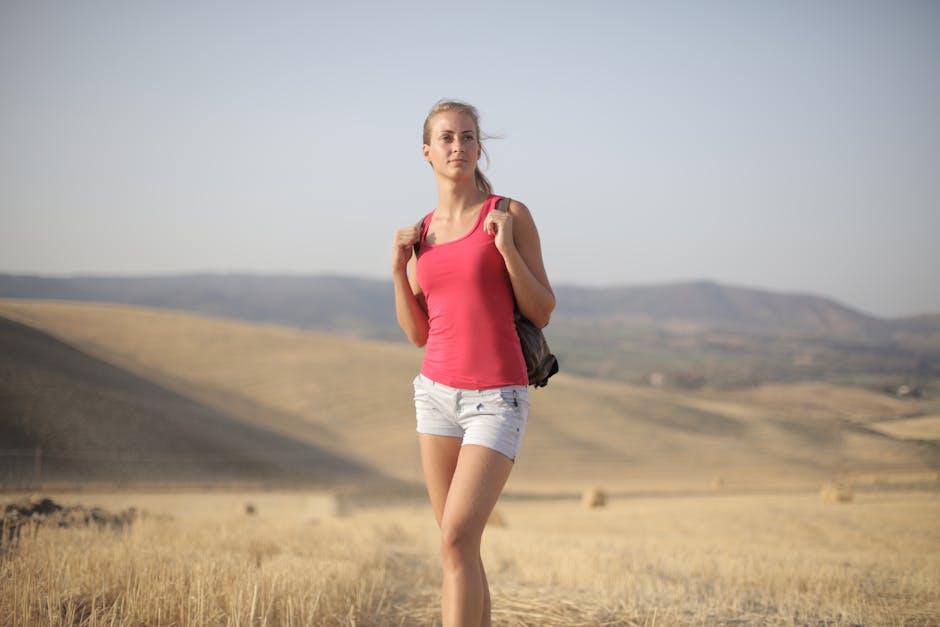
Why Safety Matters in Solo Female Travel
Solo female travelers often face unique challenges that differ from those of male travelers or group travelers. According to global travel safety reports, women are more likely to experience street harassment, unwanted attention, or targeted scams. However, these risks don’t have to deter you—awareness and preparation significantly reduce vulnerability. The goal isn’t to live in fear, but to travel with intention, confidence, and a clear understanding of how to protect yourself.
Many women report feeling more liberated and self-reliant after solo travel, but that freedom comes with responsibility. A well-planned trip includes not just booking flights and hotels, but also researching local norms, understanding emergency protocols, and knowing how to respond if something goes wrong. This guide breaks down the essential steps every solo female traveler should consider.
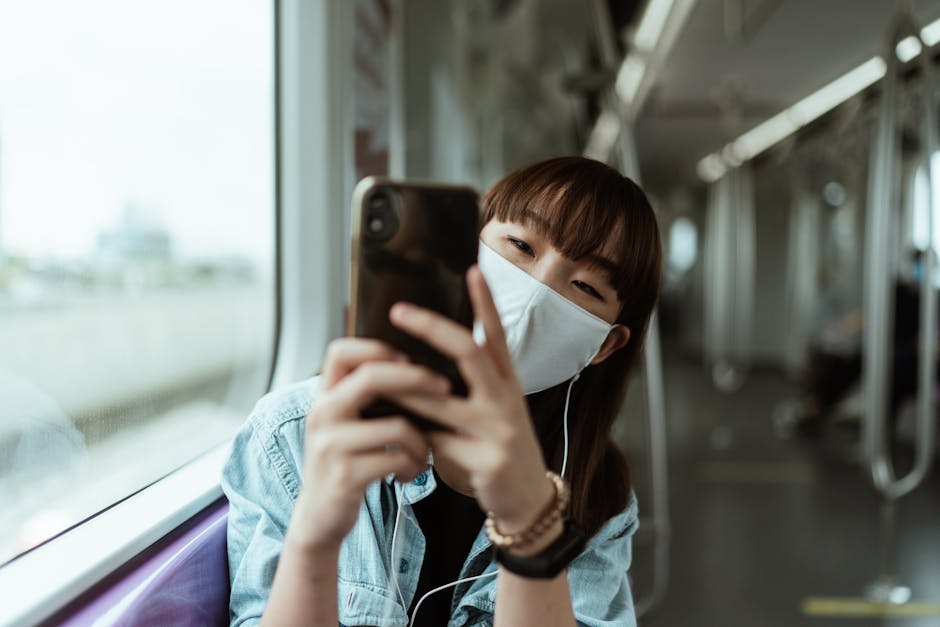
Pre-Trip Planning: Laying the Foundation for Safe Travel
The most effective safety measures begin long before you board your flight. Thoughtful preparation sets the tone for a secure and enjoyable journey. Here’s how to start:
Research Your Destination Thoroughly
Not all destinations are equally safe for solo female travelers. Research crime rates, political stability, cultural attitudes toward women, and local laws. Government travel advisories—such as those from the U.S. Department of State, UK Foreign Office, or Australia’s Smartraveller—offer up-to-date safety assessments. Look beyond headlines and read recent traveler reviews on platforms like Lonely Planet, TripAdvisor, or Reddit’s r/solotravel.
Pay attention to gender-specific concerns. In some countries, women are expected to dress modestly or avoid traveling alone at night. In others, public transportation may be unsafe after dark. Knowing these nuances helps you adapt your behavior and avoid drawing unwanted attention.
Choose Accommodations Wisely
Your lodging can greatly influence your sense of security. Opt for reputable hotels, hostels with strong female traveler reviews, or verified homestays through platforms like Airbnb or Booking.com. Look for properties with 24-hour reception, secure entry, and good lighting in hallways and common areas.
When possible, book accommodations in well-trafficked, central neighborhoods rather than isolated areas. Read recent guest reviews—especially those from solo female travelers—to get a sense of safety and staff responsiveness. If you’re staying in a shared space, confirm that locks are available on bedroom doors.
Share Your Itinerary and Stay Connected
Always share your travel plans with a trusted friend or family member. Provide them with your flight details, accommodation addresses, and a rough daily itinerary. Set regular check-in times—daily or every other day—via text, WhatsApp, or email. If you miss a check-in, they’ll know to raise the alarm.
Consider using a location-sharing app like Google Maps or Life360, which allows trusted contacts to see your real-time location. Just remember to disable sharing when you’re in sensitive or private situations.
Pack Smart for Safety and Comfort
Your packing list should include more than just clothes and toiletries. Bring a portable doorstop alarm for added room security, a money belt or hidden pouch for cash and cards, and a personal safety app on your phone. Pack a small first-aid kit, copies of important documents (passport, visa, insurance), and a power bank to keep your devices charged.
Avoid flashy jewelry or expensive electronics that might attract attention. Dress in a way that blends in with local customs—this doesn’t mean sacrificing your style, but rather respecting cultural norms to avoid standing out as a tourist.
Staying Safe While Traveling: Daily Practices
Once you’re on the road, consistent habits and awareness are your best defenses. Safety isn’t about constant vigilance—it’s about smart, everyday choices.
Maintain Situational Awareness
Stay alert to your surroundings, especially in crowded areas, public transportation, or unfamiliar neighborhoods. Avoid walking with headphones at full volume or staring at your phone while navigating. Keep your bag zipped and carried in front of you in busy markets or transit hubs.
Trust your instincts. If a situation or person makes you uncomfortable, leave immediately. It’s okay to be assertive—say “no” firmly, walk away, or enter a nearby store or café. Most people respond to confident body language and clear boundaries.
Use Reliable Transportation
Research local transportation options before you arrive. In many cities, ride-sharing apps like Uber or Bolt are safer than unmarked taxis. Always confirm the driver’s name, car model, and license plate before getting in. Sit in the back seat, and share your trip details with someone you trust.
Avoid traveling alone at night, especially in areas with poor lighting or limited foot traffic. If you must go out after dark, stick to well-lit, populated routes and consider using a trusted taxi service or hotel shuttle.
Be Cautious with Strangers
While meeting new people is part of the travel experience, exercise caution. Avoid sharing personal details like your hotel name, room number, or travel plans with strangers. Be wary of overly friendly locals who offer unsolicited help or invitations—especially if they seem insistent.
Scammers often target solo travelers with fake tours, “friendship” offers, or sob stories. If something feels off, it probably is. Politely decline and walk away. Remember: real help doesn’t pressure you.
Manage Your Digital Footprint
Avoid posting real-time updates on social media that reveal your location or travel plans. Wait until you’ve left a location before sharing photos or check-ins. This prevents potential thieves or stalkers from tracking your movements.
Use a VPN when connecting to public Wi-Fi to protect your data from hackers. Enable two-factor authentication on all important accounts, and keep your devices password-protected.
Emergency Preparedness: What to Do If Things Go Wrong
Even with the best planning, emergencies can happen. Being prepared helps you respond calmly and effectively.
Know How to Contact Local Authorities
Save emergency numbers for your destination in your phone. In most countries, the general emergency number is 112 or 911, but confirm local equivalents. Know the address and phone number of your country’s nearest embassy or consulate.
If you’re robbed, assaulted, or lost, contact local police immediately. Report theft of your passport to both local authorities and your embassy. Most embassies can issue emergency travel documents and assist with medical or legal issues.
Have a Backup Plan for Money and Documents
Never carry all your cash and cards in one place. Keep a portion of money and a backup credit card in a separate location, such as a locked suitcase or hidden pouch. Store digital copies of your passport, visa, and travel insurance in a secure cloud service like Google Drive or iCloud.
If your wallet is stolen, contact your bank immediately to freeze accounts. Many banks offer 24/7 international customer service lines for travelers.
Use Personal Safety Devices and Apps
Carry a personal alarm that emits a loud sound to deter attackers and draw attention. Some devices also include flashing lights or GPS tracking. Apps like bSafe, Noonlight, or Circle of 6 allow you to send silent alerts to trusted contacts with your location.
Test these tools before you travel to ensure they work in your destination’s network environment. Some apps require cellular data or Wi-Fi to function properly.
Comparing Safety Tools and Strategies
Not all safety tools are created equal. The table below compares common options to help you choose what works best for your travel style.
| Tool/Strategy | Best For | Limitations | Recommendation |
|---|---|---|---|
| Personal Alarm | Drawing attention in emergencies | May not stop determined attackers; requires carrying | Highly recommended for urban travel |
| Safety App (e.g., bSafe) | Silent alerts, location sharing | Requires smartphone and data/Wi-Fi | Essential for tech-savvy travelers |
| Money Belt | Hiding cash and cards | Can be uncomfortable; not for daily use | Use during transit and high-risk areas |
| Doorstop Alarm | Room security in hotels/hostels | Only works in rooms with inward-opening doors | Great for budget accommodations |
Cultural Sensitivity and Respect
Respecting local customs isn’t just polite—it’s a safety strategy. In many cultures, certain behaviors that are acceptable at home may be seen as provocative or disrespectful abroad. For example, in parts of the Middle East, South Asia, or Latin America, women may be expected to cover their shoulders and knees in public spaces.
Learn a few basic phrases in the local language, such as “hello,” “thank you,” and “I need help.” This builds goodwill and can be crucial in an emergency. Avoid public displays of affection, loud conversations, or drunken behavior, which may draw negative attention.
When in doubt, observe how local women behave and follow their lead. This doesn’t mean you lose your identity—it means you travel with awareness and respect.
Building Confidence Through Experience
Confidence grows with experience. If you’re new to solo travel, consider starting with shorter trips to nearby countries or cities with strong infrastructure and English-speaking populations. As you gain experience, you’ll develop better judgment and feel more comfortable navigating unfamiliar environments.
Join online communities like Solo Female Travelers on Facebook or forums on Nomadic Matt. These platforms offer real advice, destination tips, and support from women who’ve been there. You’ll find that many fears are common—and manageable.
Final Thoughts: Travel with Confidence
Solo female travel is not only possible—it’s increasingly common and celebrated. With thoughtful preparation, awareness, and the right tools, you can explore the world safely and independently. This solo female travel guide safety tips framework is designed to empower you, not restrict you. The goal is to travel with peace of mind, knowing you’re equipped to handle challenges while embracing adventure.
Remember: safety doesn’t mean staying in your comfort zone. It means expanding it wisely. Every journey teaches you something new—about the world, and about yourself.
FAQ
Q: Is it safe for women to travel alone?
A: Yes, with proper planning and awareness. Millions of women travel solo safely every year. Research your destination, stay alert, and follow trusted safety practices to reduce risk.
Q: What should I do if I feel unsafe while traveling?A: Trust your instincts. Leave the situation immediately, seek a public place or trusted business, and contact local authorities or your embassy if needed. Use your safety app or call a trusted contact.
Q: How can I avoid scams as a solo female traveler?
A: Be skeptical of unsolicited offers, avoid sharing personal information, and research common scams in your destination. When in doubt, say no and walk away.

