
Singapore Travel Guide: Best Attractions and Food
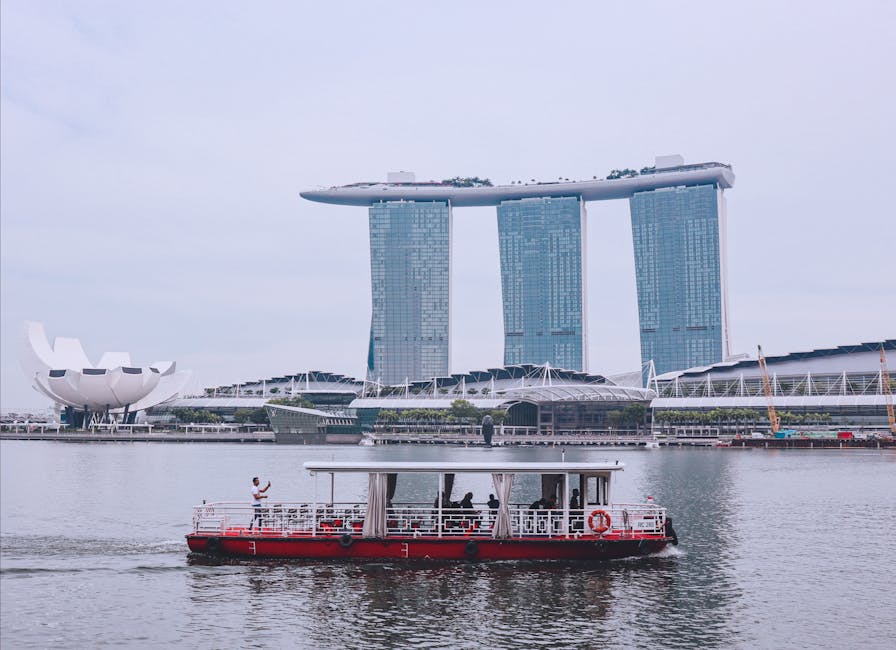
Singapore is a dynamic city-state where modern architecture meets rich cultural heritage, and world-class attractions blend seamlessly with legendary street food. Whether you’re exploring futuristic gardens, wandering through historic neighborhoods, or savoring chili crab at a hawker center, this Singapore travel guide covers the must-see sights and must-try dishes to help you plan an unforgettable trip. From family-friendly theme parks to hidden culinary gems, you’ll find practical tips, detailed recommendations, and insider advice to make the most of your visit.
Top Attractions in Singapore
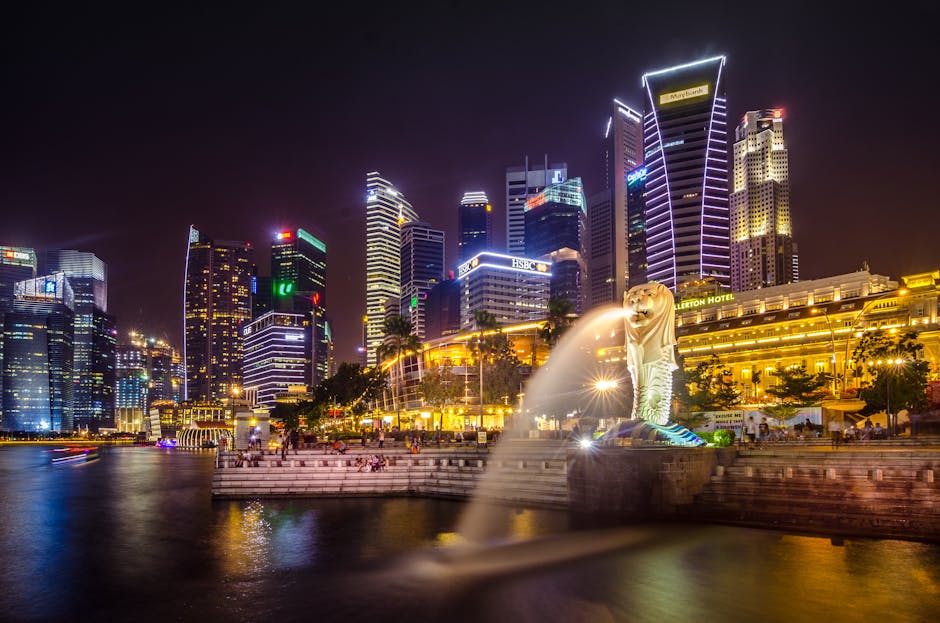
Singapore offers a diverse range of attractions that cater to every type of traveler. Families, couples, solo adventurers, and culture seekers will all find something to love. Below are some of the most popular and worthwhile destinations, each offering a unique glimpse into the city’s vibrant spirit.
Gardens by the Bay
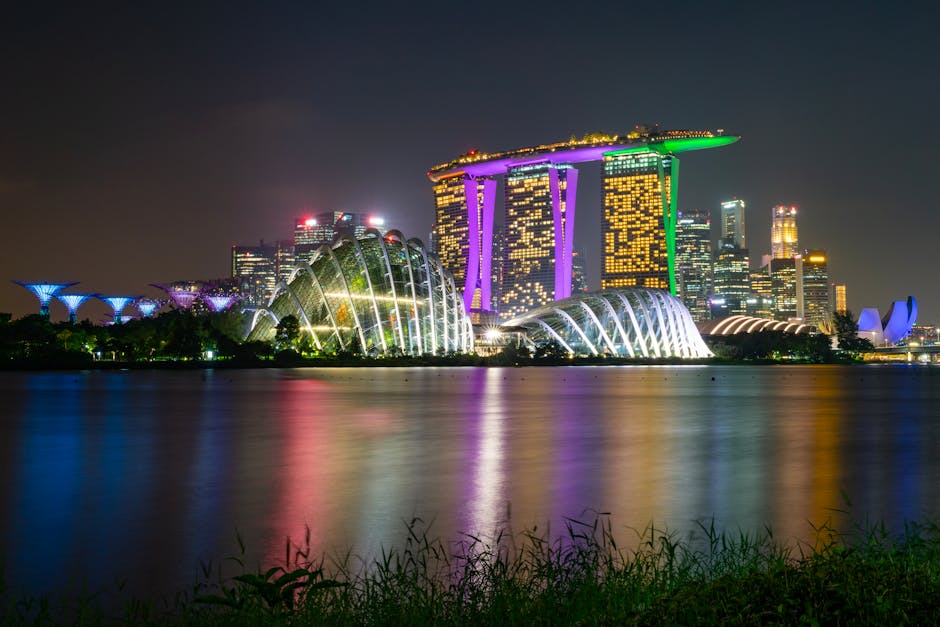
One of Singapore’s most iconic landmarks, Gardens by the Bay is a sprawling nature park in the Marina Bay area. The centerpiece is the Supertree Grove—a collection of vertical gardens ranging from 25 to 50 meters tall, illuminated with a stunning light show at night. The two cooled conservatories, the Flower Dome and the Cloud Forest, house plants from around the world and offer a cool escape from the tropical heat. Visit in the evening for the Garden Rhapsody light and sound show, which runs daily at 7:45 PM and 8:45 PM.
Marina Bay Sands and the SkyPark
The Marina Bay Sands complex is impossible to miss. Its three towers topped by the SkyPark Observation Deck provide panoramic views of the city skyline and harbor. The infinity pool on the 57th floor is a major draw, though access is limited to hotel guests. For non-guests, the SkyPark Observation Deck offers equally impressive views at a fraction of the cost. Book tickets online in advance to avoid long queues, especially during sunset hours.
Sentosa Island
Just a 15-minute monorail ride from the city center, Sentosa Island is Singapore’s premier leisure destination. It’s home to Universal Studios Singapore, S.E.A. Aquarium, Adventure Cove Waterpark, and pristine beaches like Palawan and Siloso. Families will appreciate the variety of activities, while thrill-seekers can try the MegaZip zip line or the AJ Hackett bungee jump. For a more relaxed experience, visit the Fort Siloso Skywalk for coastal views and historical insights into Singapore’s wartime past.
Singapore Zoo and Night Safari
Located in the northern part of the island, the Singapore Zoo is renowned for its open-concept enclosures and commitment to animal welfare. It’s consistently ranked among the best zoos in the world. Just a short walk away, the Night Safari offers a unique opportunity to observe nocturnal animals in a naturalistic setting. Both attractions are part of the Mandai Wildlife Reserve, which also includes the River Wonders and Jurong Bird Park. Arrive early to avoid crowds and make the most of your visit.
Chinatown, Little India, and Kampong Glam
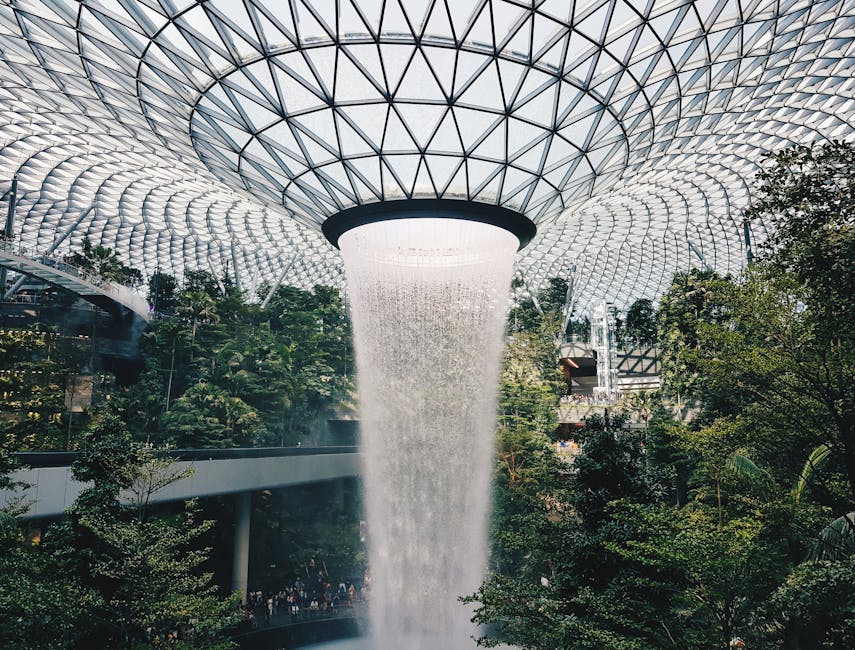
These three historic districts offer a deep dive into Singapore’s multicultural roots. Chinatown is known for its temples, traditional medicine shops, and vibrant street markets. Don’t miss the Buddha Tooth Relic Temple and the Chinatown Food Street, where you can sample local favorites like Hainanese chicken rice and char kway teow.
Little India bursts with color and energy. The Sri Veeramakaliamman Temple, Mustafa Centre, and Tekka Centre are key stops. Try banana leaf rice or masala dosa at one of the many South Indian eateries.
Kampong Glam, once the seat of Malay royalty, is now a trendy neighborhood with boutique shops, art galleries, and the striking Sultan Mosque. The nearby Haji Lane is perfect for vintage shopping and Instagram-worthy cafes.
Clarke Quay and Boat Quay
For nightlife and riverside dining, Clarke Quay and Boat Quay are top choices. Both are located along the Singapore River and offer a mix of bars, restaurants, and live music venues. Clarke Quay is more tourist-oriented with themed clubs and river cruises, while Boat Quay has a more local, laid-back vibe. Take a bumboat ride from Clarke Quay to see the city skyline from the water—especially beautiful at night.
Singapore Botanic Gardens
A UNESCO World Heritage Site, the Singapore Botanic Gardens is a lush 74-hectare oasis in the city. The National Orchid Garden, located within the park, features over 1,000 species and 2,000 hybrids. It’s a peaceful retreat ideal for morning jogs, picnics, or simply unwinding. Admission to the main gardens is free, but there’s a small fee for the Orchid Garden.
Must-Try Food in Singapore
Singapore’s food scene is a reflection of its multicultural population. With influences from Chinese, Malay, Indian, and Peranakan (Straits Chinese) cuisines, the city offers some of the best street food in the world—often at incredibly affordable prices. Hawker centers are the heart of Singapore’s culinary culture, where locals gather to eat, socialize, and celebrate food.
Hainanese Chicken Rice
This national dish consists of poached chicken served with fragrant rice cooked in chicken broth, accompanied by chili sauce and dark soy sauce. It’s simple, comforting, and universally loved. Try it at Tian Tian Hainanese Chicken Rice in Maxwell Food Centre or at the more upscale Chatterbox at the Raffles Hotel. The key to a great version is the tenderness of the chicken and the depth of flavor in the rice.
Chili Crab
A Singaporean invention, chili crab features mud crabs stir-fried in a sweet, spicy, and slightly tangy tomato-based sauce. It’s traditionally eaten with your hands and served with fried mantou (Chinese buns) to soak up the sauce. Jumbo Seafood and Long Beach Seafood are two popular chains known for their chili crab. For a more local experience, head to the East Coast area, where seafood restaurants line the waterfront.
Laksa
Laksa is a rich coconut curry noodle soup with influences from Peranakan cuisine. There are two main types: curry laksa (with a coconut milk base) and asam laksa (sour and fish-based). Katong Laksa is a famous version where the noodles are cut into small pieces for easy slurping. Try it at 328 Katong Laksa or Sungei Road Laksa for an authentic taste.
Char Kway Teow
This stir-fried noodle dish features flat rice noodles, prawns, cockles, Chinese sausage, and eggs, cooked over high heat with dark soy sauce. The smoky flavor, known as “wok hei,” is essential. It’s best enjoyed at hawker centers like Tiong Bahru or Old Airport Road. Be prepared for a short wait—good char kway teow takes time to prepare properly.
Roti Prata
A crispy, flaky flatbread of Indian origin, roti prata is typically served with curry for dipping. Variations include egg prata, cheese prata, and even banana prata. It’s a popular breakfast or late-night snack. Hill Street Tai Hwa Pork Noodle and Mr. and Mrs. Mohgan’s are well-known spots for excellent prata.
Bak Kut Teh
Literally meaning “meat bone tea,” bak kut teh is a pork rib soup simmered with herbs and spices. There are two main styles: the peppery Teochew version and the herbal Hokkien style. It’s often eaten with rice, youtiao (fried dough sticks), and a side of garlic chili sauce. Founder Bak Kut Teh and Song Fa are two trusted names in the city.
Ice Kachang
A beloved dessert, ice kachang is a shaved ice treat topped with red beans, sweet corn, grass jelly, and colorful syrups, often finished with a scoop of ice cream and condensed milk. It’s a refreshing way to cool down on a hot day. Try it at any hawker center—just look for the long queues.
Where to Eat: Hawker Centers and Food Courts
Hawker centers are the best places to experience Singapore’s food culture. These open-air complexes house dozens of food stalls, each specializing in a few dishes. They’re clean, affordable, and regulated by the government for hygiene. Some of the most popular include:
- Maxwell Food Centre – Famous for Tian Tian Hainanese Chicken Rice and other local favorites.
- Old Airport Road Food Centre – A local favorite with a wide variety of stalls, including the renowned Nam Sing Hokkien Mee.
- Tiong Bahru Market – Known for its char kway teow and handmade dumplings.
- Lau Pa Sat – A historic Victorian-era building in the CBD, popular for satay and seafood.
- Newton Food Centre – Open late and great for chili crab and frog leg porridge.
Most hawker centers operate from early morning until late evening. Cash is still widely used, so carry small bills. Tray returns are expected—look for the designated collection points.
Getting Around Singapore
Singapore has one of the most efficient and affordable public transportation systems in the world. The Mass Rapid Transit (MRT) network covers most of the island, with clean, air-conditioned trains running frequently. Buses complement the MRT and reach areas not served by rail. A reloadable EZ-Link or NETS FlashPay card can be used on both MRT and buses and is available at any transit hub.
Taxis and ride-hailing apps like Grab are widely available but can be expensive during peak hours. For short distances, walking is often the best option—especially in compact areas like the Central Business District or Orchard Road.
Renting a car is not recommended due to high costs, strict regulations, and limited parking. Most tourists find that public transport and walking are more than sufficient.
Best Time to Visit
Singapore is a year-round destination with a tropical climate—hot and humid with frequent afternoon showers. There’s no distinct winter or summer, but the weather is slightly more comfortable from December to February, when temperatures are marginally lower and rainfall is less intense. This is also peak tourist season, so expect higher prices and larger crowds.
The months of June to August are hot and humid, with occasional haze from forest fires in neighboring countries. Avoid major festivals like Chinese New Year or Hari Raya if you prefer quieter streets, as many businesses close and travel within the city can be disrupted.
Practical Tips for Travelers
To make your trip smooth and enjoyable, keep these tips in mind:
- Stay hydrated – The heat and humidity can be intense. Carry a water bottle and refill at public stations.
- Dress modestly at religious sites – Cover shoulders and knees when visiting temples and mosques.
- Carry cash – While card payments are common in malls, many hawker centers and small shops still operate on cash.
- Download useful apps – Use Citymapper for transit directions, Grab for rides, and Burpple or Google Maps for restaurant reviews.
- Respect local laws – Chewing gum is restricted, littering is fined, and eating or drinking on public transport is prohibited.
Comparison of Popular Attractions
To help you prioritize, here’s a quick comparison of some of Singapore’s top attractions based on key factors:
| Attraction | Best For | Average Visit Duration | Entry Fee (SGD) | Tips |
|---|---|---|---|---|
| Gardens by the Bay | Families, photographers | 2–3 hours | 28 (conservatories) | Visit at night for light show |
| Marina Bay Sands SkyPark | Views, couples | 1–2 hours | 23 | Book online; sunset slots sell out |
| Sentosa Island | Families, thrill-seekers | Full day | Varies by activity | Buy combo tickets for savings |
| Singapore Zoo | Nature lovers, families | 4–5 hours | 48 | Arrive early; wear comfortable shoes |
| Hawker Centers | Foodies, budget travelers | 1–2 hours | 5–15 per meal | Go with an empty stomach; share dishes |
Final Thoughts
Singapore is a city that rewards curiosity and exploration. Whether you’re marveling at the futuristic skyline from the SkyPark, savoring a bowl of laksa at a bustling hawker center, or wandering through the quiet paths of the Botanic Gardens, there’s always something new to discover. This Singapore travel guide highlights the best attractions and food experiences to help you make the most of your visit. With efficient transport, a safe environment, and a rich cultural tapestry, Singapore is an ideal destination for travelers seeking both comfort and adventure.
FAQ
What is the best way to get around Singapore?
The MRT (subway) system is the most efficient and affordable way to travel. It’s clean, safe, and covers most major attractions. Buses and ride-hailing apps like Grab are also convenient options.
Is it expensive to eat in Singapore?
Not necessarily. While fine dining can be pricey, hawker centers offer delicious meals for as little as SGD 3–8. Most locals eat at hawker centers, making them both authentic and budget-friendly.
Do I need to tip in Singapore?
Tipping is not expected in Singapore. A 10% service charge is usually included in restaurant bills, and tipping can sometimes be considered rude. Just pay the amount shown on the receipt.

