
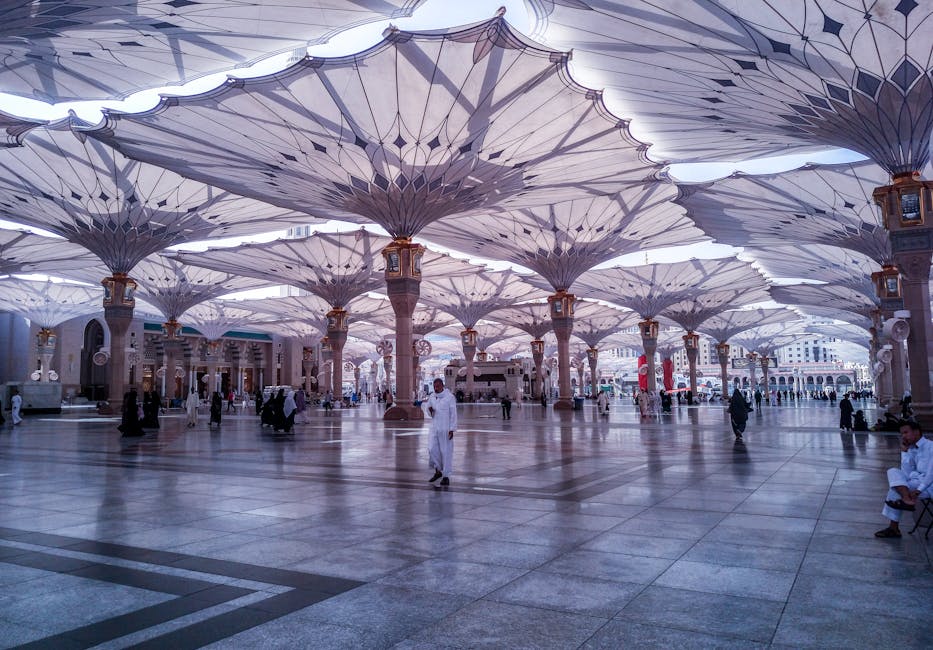
Saudi Arabia Travel Guide for Tourists and Visitors
{
“content_html”: “
Saudi Arabia Travel Guide for Tourists and Visitors
n
Saudi Arabia is opening its doors to international travelers like never before, offering a unique blend of ancient heritage, modern ambition, and dramatic landscapes. This Saudi Arabia travel guide for tourists and visitors covers everything you need to know—from visa requirements and cultural norms to top destinations and practical tips—to help you plan a safe, respectful, and unforgettable trip. Whether you’re exploring the historic ruins of AlUla, marveling at the futuristic skyline of Riyadh, or walking through the bustling souks of Jeddah, this guide delivers clear, actionable advice tailored to first-time and returning travelers.
nn
Why Visit Saudi Arabia?
n
In recent years, Saudi Arabia has emerged as a compelling destination for global travelers. Once largely closed to tourism, the Kingdom launched its tourist visa program in 2019, welcoming visitors from over 50 countries. Today, it combines deep cultural roots with ambitious development projects like NEOM and the Red Sea Project, creating a travel experience that’s both traditional and forward-looking.
n
Visitors are drawn to Saudi Arabia for its:
n
- n
- Rich historical sites: From the Nabatean tombs of Hegra (a UNESCO World Heritage Site) to the ancient rock art of Jubbah, the country is a living museum of human civilization.
- Diverse landscapes: Explore deserts, mountains, coral reefs, and coastal cities—all within one country.
- Modern urban centers: Riyadh and Jeddah offer world-class dining, shopping, and entertainment, blending tradition with innovation.
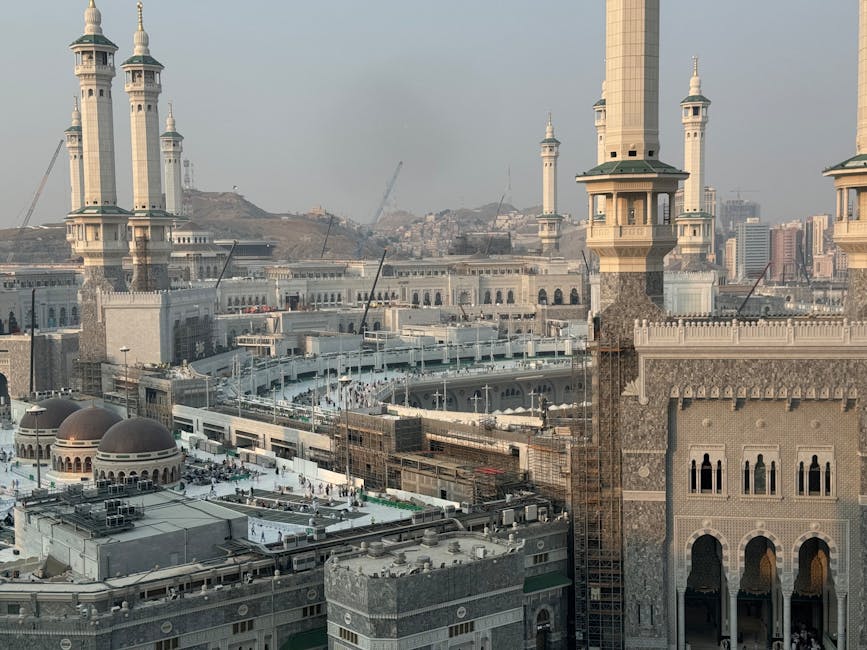
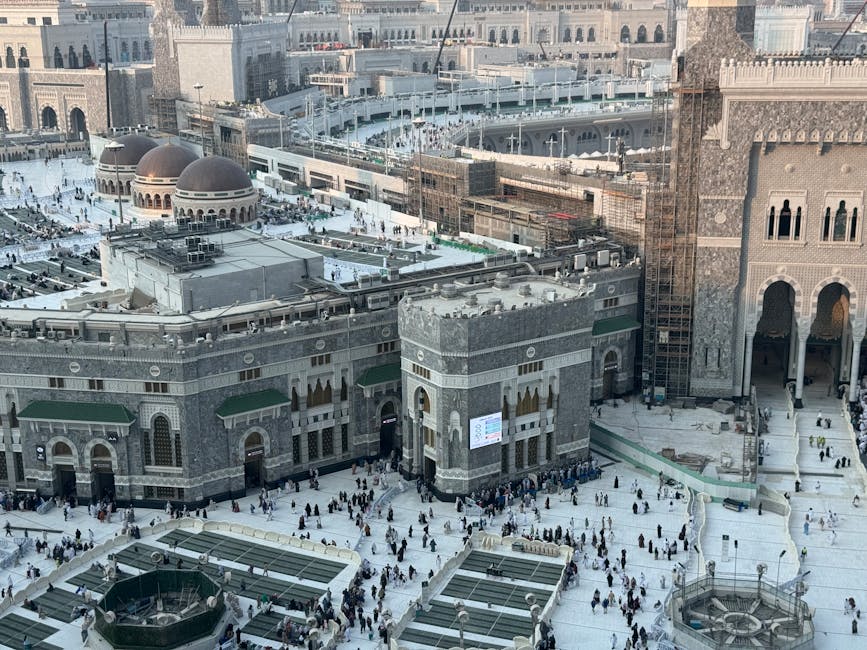
- Religious significance: While access to Mecca and Medina is restricted to Muslims, non-Muslim visitors can appreciate the spiritual atmosphere in nearby areas and learn about Islamic culture through museums and guided tours.
n
n
n
n
nn
Entry Requirements and Visa Information
n
Most tourists can obtain a Saudi tourist visa online through the official Saudi eVisa portal. The process is straightforward and typically takes less than 24 hours.
n
Key requirements include:
n
- n
- A valid passport with at least six months’ validity
- A recent passport-sized photo
- Proof of accommodation and return flight
- Travel insurance (mandatory for visa approval)
n
n
n
n
n
The eVisa allows multiple entries and is valid for one year, permitting stays of up to 90 days per visit. Citizens of the U.S., U.K., Canada, Australia, most EU countries, and several others are eligible. Always check the latest requirements on the official government website before applying.
nn
Best Time to Visit Saudi Arabia
n
Climate plays a major role in planning your trip. Saudi Arabia experiences extreme heat, especially in summer, with temperatures often exceeding 45°C (113°F) in cities like Riyadh and Jeddah.
n
The ideal time to visit is between November and March, when daytime temperatures range from 20°C to 30°C (68°F to 86°F). This period also coincides with cultural festivals and outdoor events, making it perfect for sightseeing and desert excursions.
n
| Month | Avg. High (°C) | Avg. Low (°C) | Rainfall (mm) |
|---|---|---|---|
| January | 20 | 7 | 5 |
| April | 34 | 20 | 2 |
| July | 44 | 29 | 0 |
| October | 35 | 21 | 1 |
nn
Top Destinations for Tourists
n
Riyadh: The Modern Capital
n
Riyadh, the capital city, is the political and economic heart of Saudi Arabia. It blends skyscrapers with traditional architecture and offers a growing number of attractions for visitors.
n
Must-see spots include:
n
- n
- Kingdom Centre: A 99-story tower with an observation deck offering panoramic views.
- Masmak Fort: A historic mud-brick fortress that played a key role in the founding of modern Saudi Arabia.
- National Museum of Saudi Arabia: A world-class museum detailing the country’s history, culture, and Islamic heritage.
- Al-Masmak Souq: A traditional market where you can buy spices, perfumes, and handmade crafts.
n
n
n
n
nn
Jeddah: The Gateway to the Red Sea
n
Jeddah is a coastal city known for its relaxed atmosphere, historic old town (Al-Balad), and vibrant arts scene. It’s also the main departure point for pilgrims heading to Mecca and Medina.
n
Highlights include:
n
- n
- Al-Balad: A UNESCO-listed district with centuries-old coral houses and narrow alleys.
- Jeddah Corniche: A scenic waterfront promenade ideal for walking, dining, and people-watching.
- Floating Mosque (Al-Rahma Mosque): A stunning white mosque built on the Red Sea, accessible via a causeway.
n
n
n
nn
AlUla: A Desert Wonder
n
AlUla is one of Saudi Arabia’s most spectacular destinations, located in the northwest. It’s home to Hegra (Madâin Sâlih), the country’s first UNESCO World Heritage Site, featuring over 100 well-preserved Nabatean tombs carved into sandstone cliffs—similar to Petra in Jordan.
n
Other attractions in AlUla:
n
- n
- Hegra Archaeological Site: Explore tombs, inscriptions, and ancient water systems.
- Elephant Rock (Jabal AlFil): A natural rock formation resembling an elephant.
- Maraya Concert Hall: The world’s largest mirrored building, hosting international performances.
- Desert safaris and stargazing: Experience the silence and beauty of the Arabian Desert under clear night skies.
n
n
n
n
nn
Abha and the Asir Region: Green Mountains and Culture
n
For a change from desert landscapes, head to Abha in the Asir region, located in the southwest near the border with Yemen. This area is known for its cool climate, terraced farms, and traditional architecture.
n
Top experiences:
n
- n
- Asir National Park: Hike through juniper forests and enjoy mountain views.
- Shada Palace: A restored mud-brick building showcasing local heritage.
- Local markets: Try regional dishes like mutabbaq (stuffed pancake) and buy handwoven textiles.
n
n
n
nn
The Red Sea Coast: Beaches and Marine Life
n
The Red Sea coastline offers pristine beaches, coral reefs, and luxury resorts. While much of the area is still under development, several spots are already open to tourists.
n
Popular areas include:
n
- n
- Yanbu: A port city with beaches, diving opportunities, and a laid-back vibe.
- The Red Sea Project: A sustainable tourism development with eco-friendly resorts and marine conservation efforts (limited access during construction phases).
- Farasan Islands: A protected archipelago ideal for snorkeling, birdwatching, and spotting endangered dugongs.
n
n
n
nn
Cultural Etiquette and What to Wear
n
Respecting local customs is essential for a smooth and enjoyable trip. Saudi Arabia is an Islamic country with conservative social norms, especially outside major tourist zones.
n
Dress code guidelines:
n
- n
- For women: While the strict abaya (black cloak) requirement has been relaxed for tourists, it’s still advisable to dress modestly—cover shoulders and knees, especially in public areas. In resorts and some international hotels, Western clothing is more accepted.
- For men: Avoid shorts in public; long pants and shirts with sleeves are preferred.
n
n
n
Other cultural tips:
n
- n
- Avoid public displays of affection.
- Do not consume alcohol or pork in public—these are prohibited.
- During Ramadan, eating, drinking, or smoking in public during daylight hours is not allowed for Muslims and should be avoided out of respect.
- Photography of government buildings, military sites, or local people (without permission) is prohibited.
n
n
n
n
nn
Transportation: Getting Around Saudi Arabia
n
Saudi Arabia has a developing transportation network, with options varying by city and region.
nn
Domestic Flights
n
For long distances, domestic flights are the fastest option. Saudi Arabian Airlines (Saudia) and Flynas operate frequent routes between Riyadh, Jeddah, Dammam, Abha, and AlUla. Flights from Riyadh to Jeddah take about 1.5 hours.
nn
Rental Cars and Driving
n
Tourists can drive with an International Driving Permit (IDP) and a valid license from their home country. Roads are generally well-maintained, and GPS navigation works reliably in cities.
n
Important driving notes:
n
- n
- Driving is on the right-hand side.
- Seat belts are mandatory.
- Speed limits are strictly enforced via cameras.
- Avoid driving in remote desert areas without a guide or GPS.
n
n
n
n
nn
Public Transportation
n
Riyadh and Jeddah have limited public transit, but new systems are being developed. Riyadh’s metro is expected to open in phases starting in 2025. Currently, taxis and ride-hailing apps like Uber and Careem are widely used and affordable.
n
In Jeddah, the Jeddah Metro is under construction, but buses and taxis serve most areas.
nn
Food and Dining: What to Try
n
Saudi cuisine is flavorful and diverse, influenced by Bedouin traditions, regional ingredients, and neighboring countries. While international restaurants are common in cities, trying local dishes enhances the travel experience.
n
Must-try foods:
n
- n
- Kabsa: A spiced rice dish with chicken or lamb, often served at celebrations.
- Mutabbaq: A flaky pastry stuffed with minced meat, onions, and spices.
- Jareesh: Cracked wheat cooked with meat and tomatoes, similar to porridge.
- Dates and Arabic coffee (Gahwa): A traditional welcome drink served in small cups.
- Shawarma: A popular street food of spiced meat wrapped in flatbread.
n
n
n
n
n
n
Most restaurants are segregated by gender or have family sections, but many international chains (like McDonald’s and Starbucks) are open to all. Tipping is not mandatory but appreciated (10% is standard in nicer restaurants).
nn
Safety and Health Considerations
n
Saudi Arabia is generally safe for tourists, with low crime rates in major cities. However, travelers should remain aware of their surroundings and follow local laws.
n
Safety tips:
n
- n
- Avoid political demonstrations or large gatherings.
- Stay hydrated and protect yourself from the sun—heatstroke is a real risk, especially in summer.
- Use bottled water in remote areas.
- Register with your embassy upon arrival if recommended.
n
n
n
n
n
Healthcare is available in major cities, with both public and private hospitals. Travel insurance is required for the visa and should cover emergency evacuation.
nn
Shopping: Souvenirs and Local Markets
n
Shopping in Saudi Arabia offers a mix of traditional crafts and modern retail. Souks (markets) are great for authentic finds, while malls cater to international brands.
n
Popular shopping destinations:
n
- n
- Riyadh Park and Kingdom Centre Mall: High-end shopping and dining.
- Al-Balad Souk (Jeddah): Spices, perfumes, jewelry, and handmade goods.
- AlUla Old Town: Local art, pottery, and date products.
n
n
n
n
Recommended souvenirs:
n
- n
- Oud perfume (a rich, woody scent)
- Handwoven textiles and rugs
- Traditional daggers (khanjar) – note: export may require documentation
- Dates and Arabic coffee sets
n
n
n
n
nn
Festivals and Events to Experience
n
Saudi Arabia hosts a growing number of cultural and entertainment events, reflecting its Vision 2030 goals to boost tourism and quality of life.
n
Notable events include:
n
- n
- Riyadh Season (October–March): A citywide festival with concerts, food stalls, theme parks, and art installations.
- Jeddah Season: Similar to Riyadh Season, with a focus on Red Sea culture and beach activities.
- AlUla Winter at Tantora: A cultural festival celebrating heritage, music, and astronomy.
- Saudi National Day (September 23): Celebrated with parades, fireworks, and public festivities.
n
n
n
n
nn
Final Tips for a Successful Trip
n
To make the most of your Saudi Arabia travel guide for tourists and visitors, keep these practical takeaways in mind:
n
- n
- Plan ahead: Book accommodations and tours in advance, especially during peak seasons.
- Respect local customs: Modesty in dress and behavior goes a long way.
- Use official guides: For sites like Hegra, hiring a licensed guide enhances understanding and ensures access.
- Stay connected: Purchase a local SIM card from STC or Mobily for reliable data.
- Download useful apps: Google Maps, Uber/Careem, and the Tawakkalna app (for health and entry verification) are helpful.
n
n
n
n
n
nn
FAQ
n
Can tourists visit Mecca and Medina?
nNo. Access to Mecca and Medina is restricted to Muslims only. Non-Muslim visitors can travel to nearby cities like Jeddah but cannot enter the holy sites.
nn
Is it safe for solo female travelers?
nYes, many solo female travelers visit Saudi Arabia safely. Dress modestly, use trusted transportation, and avoid isolated areas at night. Female-only spaces are available in malls and hotels.
nn
Do I need to speak Arabic?
nNo. English is widely spoken in hotels, airports, and tourist areas. Learning a few basic Arabic phrases (like “shukran” for thank you) is appreciated but not required.
“,
“seo_title”: “Saudi Arabia Travel Guide for Tourists and Visitors”,
“meta_description”: “Complete

