

Qatar Travel Guide: Best Places to Visit in Doha
{
“content_html”: “nnn n
Qatar Travel Guide: Best Places to Visit in Doha
n n
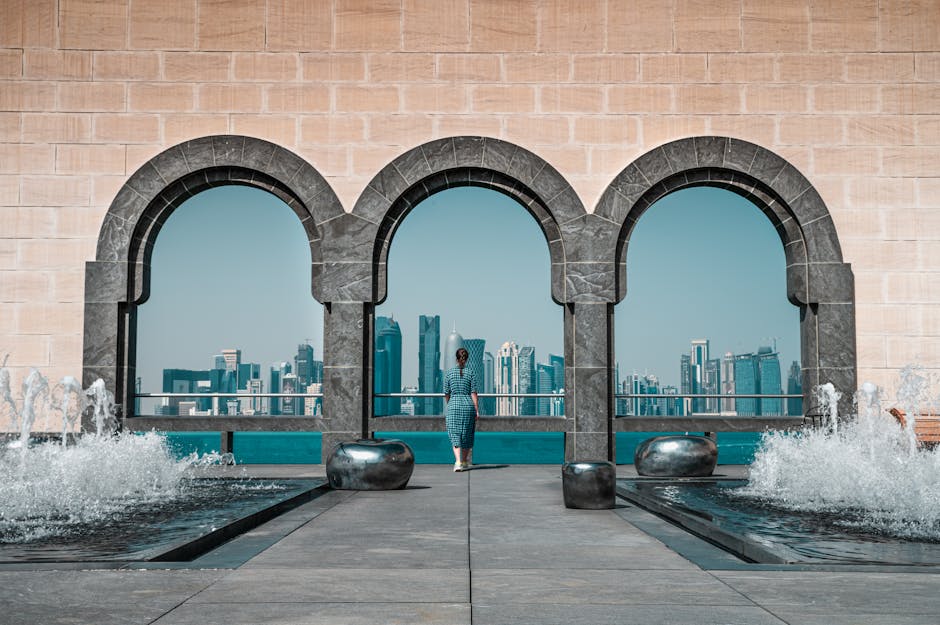
Doha, the dynamic capital of Qatar, blends ancient traditions with futuristic ambition. Whether you’re visiting for a few days or planning an extended stay, this Qatar travel guide highlights the best places to visit in Doha—from iconic landmarks and cultural hubs to hidden local favorites. With world-class museums, bustling markets, pristine coastlines, and cutting-edge architecture, Doha offers a rich and diverse experience for every traveler. This guide walks you through essential destinations, practical tips, and insider insights to help you make the most of your trip.
nn
Top Attractions in Doha: Must-See Sights
n n
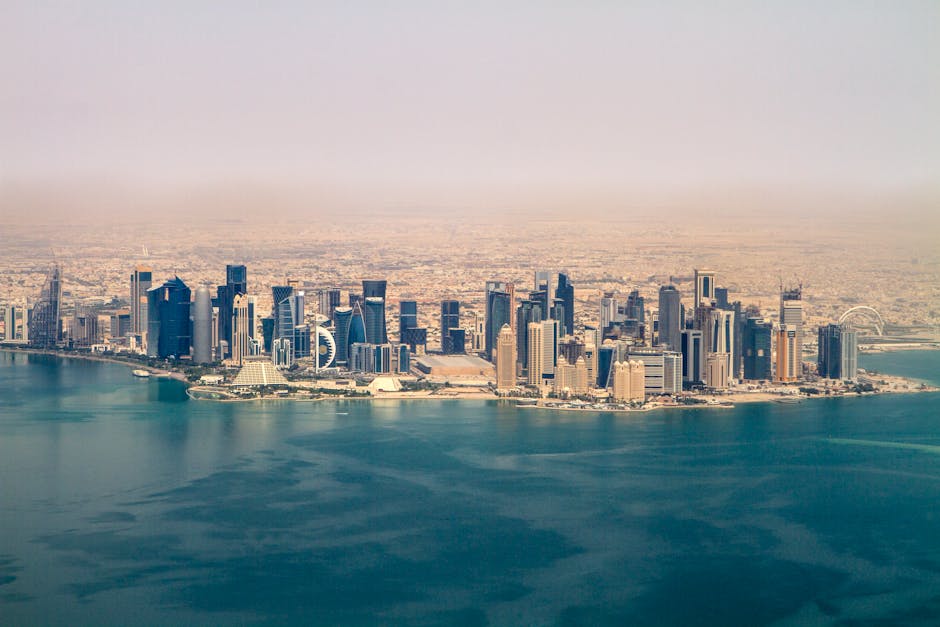
Doha’s skyline is instantly recognizable, dominated by the crescent-shaped Corniche, a 7-kilometer waterfront promenade that offers panoramic views of the Persian Gulf and the city’s glittering skyline. It’s a favorite spot for morning jogs, evening strolls, and family outings. Along the Corniche, you’ll find parks, cafes, and access to several key attractions.
nn
One of the most visited sites is the Museum of Islamic Art (MIA). Located on an artificial island connected by a pedestrian bridge, MIA houses one of the world’s most comprehensive collections of Islamic artifacts, spanning 1,400 years and three continents. The building itself, designed by architect I.M. Pei, is a masterpiece of modern architecture. Inside, galleries showcase ceramics, textiles, metalwork, and manuscripts. Don’t miss the rooftop café, which offers stunning views of the Doha skyline and the Gulf.
nn
Just a short drive from MIA is Katara Cultural Village, a vibrant hub dedicated to arts, culture, and heritage. Built on a former fishing village, Katara features amphitheaters, art galleries, restaurants, and a beach. It regularly hosts international festivals, film screenings, and performances. The golden-domed amphitheater is particularly striking at sunset. The village also includes a mosque, a theater, and a traditional Qatari wind tower, making it a microcosm of the country’s cultural diversity.
nn
For a taste of old Doha, head to Souq Waqif, the city’s most famous traditional market. Dating back over a century, the souq has been carefully restored to preserve its historic charm. Narrow alleys are lined with stalls selling spices, textiles, perfumes, handicrafts, and souvenirs. It’s also a culinary hotspot—try local dishes like machboos (spiced rice with meat) or harees (wheat and meat stew) at one of the many open-air restaurants. The souq is especially lively in the evenings, with street performers and live music adding to the atmosphere.
nn
Cultural and Historical Gems
n n
Qatar’s rapid modernization hasn’t erased its deep-rooted heritage. Several sites offer insight into the nation’s past and traditions. The National Museum of Qatar, designed by Jean Nouvel and inspired by the desert rose crystal, is a must-visit. The museum’s immersive exhibits take visitors through Qatar’s natural history, Bedouin life, and the discovery of oil. Interactive displays, films, and artifacts bring the story of Qatar to life. The building’s undulating discs create a unique architectural experience, blending form and function.
nn
Another historical site is Al Zubarah Fortnn
For a more intimate look at Qatari culture, visit the Al Koot Fortnn
Modern Doha: Architecture and Innovation
n n
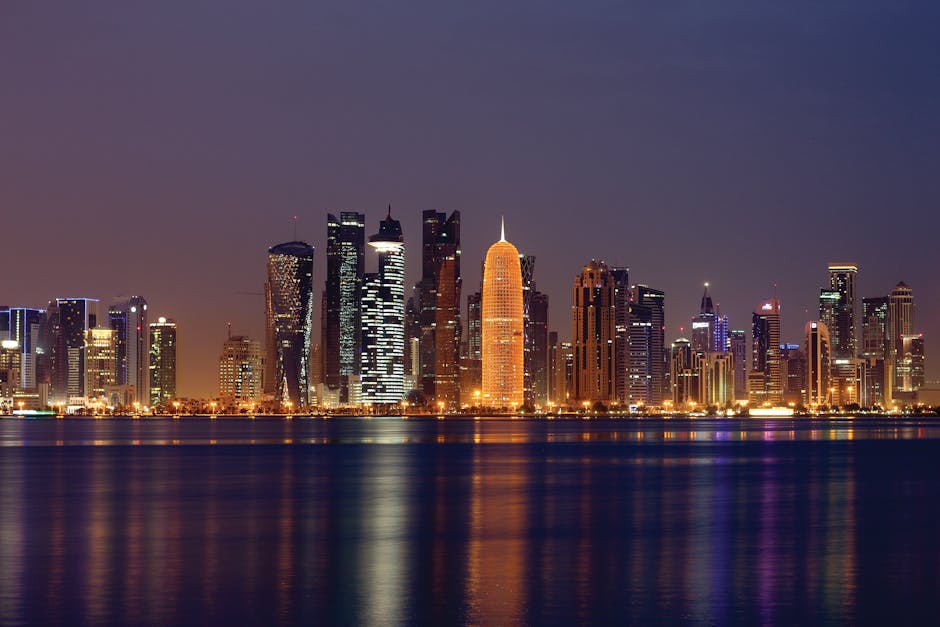
Doha is a city of contrasts, where ancient traditions meet bold futurism. This is evident in its architecture. The Torch Tower, once the tallest building in Qatar, stands 300 meters high and offers observation decks with sweeping city views. Though currently closed for renovations, its illuminated spire remains a landmark on the skyline.
nn
The Education City Mosque, designed by architect Mangesh Bhatkar, is another architectural highlight. Known for its striking geometric patterns and sustainable design, the mosque is open to visitors of all faiths. Guided tours explain Islamic architecture and the principles of interfaith dialogue, reflecting Qatar’s role as a bridge between cultures.
nn
The Villaggio Mall is a prime example of Doha’s love for grandeur. Modeled after an Italian village, it features a canal with gondola rides, a glass ceiling, and high-end international brands. While it’s a shopping destination, it’s also a cultural experience—especially during Ramadan or Eid, when the mall hosts special events and decorations.
nn
Outdoor Adventures and Nature Escapes
n n
Beyond the city, Doha offers access to natural wonders. The Khor Al Adaid (Inland Sea) is a UNESCO-recognized natural reserve where the desert meets the sea. Accessible only by 4×4, it’s a surreal landscape of dunes and tidal flats. Many tour operators offer dune bashing, camel rides, and overnight camping under the stars. It’s a highlight for adventure seekers and nature lovers.
nn
Closer to the city, the Al Thakira Mangroves provide a peaceful escape. Located north of Doha, this protected wetland is home to flamingos, herons, and crabs. Visitors can rent kayaks and paddle through the calm waters, exploring narrow channels and observing wildlife. It’s a great option for families or those seeking tranquility.
nn
For beach lovers, Katara Beach is one of the few public beaches in Doha. It’s clean, well-maintained, and offers swimming, volleyball, and watersports. Lifeguards are on duty, and facilities include showers and changing rooms. It’s especially popular on weekends, so arrive early to secure a good spot.
nn
Family-Friendly Activities and Entertainment
n n
Doha is increasingly family-oriented, with attractions designed for all ages. The Qatar National Library is more than a library—it’s a cultural center with interactive exhibits, a children’s section, and regular workshops. Its modern design and vast collection make it a welcoming space for both learning and leisure.
nn
The Al Bidda Park is one of the city’s largest green spaces, featuring walking trails, playgrounds, sports courts, and a dog park. It’s a favorite among locals for picnics and outdoor exercise. The park also hosts seasonal events, including food festivals and outdoor cinema nights.
nn
For a fun-filled day, visit Aspire Park, located in the Aspire Zone (also known as Doha Sports City). The park includes a lake, jogging tracks, and a large playground. Nearby, the Lusail Iconic Stadium—one of the venues for the 2022 FIFA World Cup—offers guided tours that take visitors behind the scenes, including the locker rooms and pitch-side views.
nn
Dining and Culinary Experiences
n n
Qatar’s food scene is a blend of traditional flavors and international cuisine. In Souq Waqif, don’t miss Al Bandar Restaurant for authentic Qatari dishes, or Karak Mqalli for the popular karak tea—a spiced, creamy tea served throughout the Gulf.
nn
For fine dining, IDAM, located on the top floor of MIA, offers French cuisine with a Middle Eastern twist, curated by chef Alain Ducasse. The restaurant’s minimalist design and gulf views make it a memorable experience.
nn
Street food lovers should try shakshuka (eggs poached in tomato sauce), falafel from local vendors, or luqaimat (sweet dumplings) during Ramadan. Many cafes also serve Arabic coffee with dates—a traditional gesture of hospitality.
nn
Shopping in Doha: From Souqs to Malls
n n
Shopping in Doha ranges from traditional markets to luxury boutiques. Souq Waqif remains the best place to buy handicrafts, spices, and souvenirs. For gold and jewelry, visit the Gold Souq in the old commercial district, where you can find intricate designs and negotiate prices.
nn
Modern shoppers will enjoy The Pearl-Qatar, an artificial island with Mediterranean-style villas, high-end shops, and waterfront dining. It’s a picturesque destination for a leisurely afternoon.
nn
For a mix of brands and entertainment, Mall of Qatar and City Centre Doha offer international retailers, cinemas, and family zones. Both are air-conditioned and ideal for escaping the heat.
nn
Getting Around Doha: Transportation Tips
n n
Doha’s public transportation system is expanding but still limited. The Doha Metro, operated by Qatar Rail, connects key areas like MIA, Souq Waqif, and Education City. It’s clean, efficient, and affordable, with stations designed by renowned architects. A day pass costs around 20 QAR (about $5.50).
nn
Taxis and ride-hailing apps like Uber and Careem are widely available. Fares are reasonable, especially for short trips. Many hotels also offer shuttle services to major attractions.
nn
Renting a car is an option, but traffic can be heavy during peak hours. Parking in central areas may be limited. If you plan to explore beyond Doha, a 4×4 is recommended for desert excursions.
nn
Best Time to Visit Doha
n n
The ideal time to visit Doha is between November and March, when temperatures are mild and outdoor activities are most enjoyable. Summer months (June to September) can be extremely hot, with temperatures exceeding 40°C (104°F). During this time, most locals retreat indoors, and outdoor sightseeing is uncomfortable.
nn
Ramadan, the Islamic holy month, offers a unique cultural experience. While many restaurants are closed during the day, the evenings come alive with iftar (breaking of the fast) celebrations, special events, and illuminated streets. However, visitors should be respectful of local customs, such as avoiding eating or drinking in public during daylight hours.
nn
Practical Tips for Travelers
n n
- n
- Dress modestly in public areas, especially when visiting religious sites or traditional neighborhoods. Women should cover shoulders and knees; men should avoid shorts in formal settings.
- Respect local laws: Alcohol is available only in licensed hotels and restaurants. Public intoxication is illegal.
- Stay hydrated and use sunscreen, even in cooler months. The sun can be intense.
- Download useful apps: Qatar’s official tourism app, Visit Qatar, provides maps, event listings, and travel tips.
- Currency: The Qatari Riyal (QAR) is the local currency. Credit cards are widely accepted, but carry cash for small vendors.
n
n
n
n
n
nn
Compact Comparison of Top Doha Attractions
nn
| Attraction | Type | Best For | Entry Fee (QAR) | Recommended Visit Time |
|---|---|---|---|---|
| Museum of Islamic Art | Cultural | Art, history, architecture | Free | 2–3 hours |
| Souq Waqif | Market | Shopping, food, culture | Free | 1–2 hours |
| Katara Cultural Village | Cultural | Arts, performances, dining | Free (some events paid) | 2–4 hours |
| National Museum of Qatar | Cultural | History, immersive exhibits | 60 | 2–3 hours |
| Al Zubarah Fort | Historical | History, UNESCO site | Free | 1.5 hours |
| Khor Al Adaid (Inland Sea) | Natural | Adventure, desert, wildlife | Varies by tour (150–300) | Half-day |
nn
Frequently Asked Questions
nn
What is the best way to get from Hamad International Airport to central Doha?
n
The most convenient options are the Doha Metro (Red Line), which connects the airport to key areas like MIA and West Bay, or a taxi/Uber. The metro is affordable and efficient, while taxis offer door-to-door service. Public buses are available but less reliable for first-time visitors.
nn
Is Doha safe for tourists?
n
Yes, Doha is considered one of the safest cities in the Middle East. Crime rates are low, and the city is well-patrolled. However, standard travel precautions apply—avoid displaying valuables, stay aware of your surroundings, and follow local customs.
nn
Can I visit Doha on a layover?
n
Absolutely. Travelers with a layover of 6 hours or more can take advantage of Qatar’s free transit visa and explore the city. Many airlines offer complimentary city tours for long layovers. Just ensure you have enough time to return to the airport, as security checks can take time.
nn
Final Thoughts
nn
This Qatar travel guide has covered the best places to visit in Doha, from cultural landmarks and historical sites to modern attractions and natural escapes. Whether you’re drawn to the artistry of the Museum of Islamic Art, the vibrant energy of Souq Waqif, or the serenity of the Inland Sea, Doha offers a rich and varied experience. With thoughtful planning and an openness to local culture, your visit to Qatar’s capital can be both enjoyable and enlightening. Start your journey with confidence—Doha is ready to welcome you.
nn”,

