
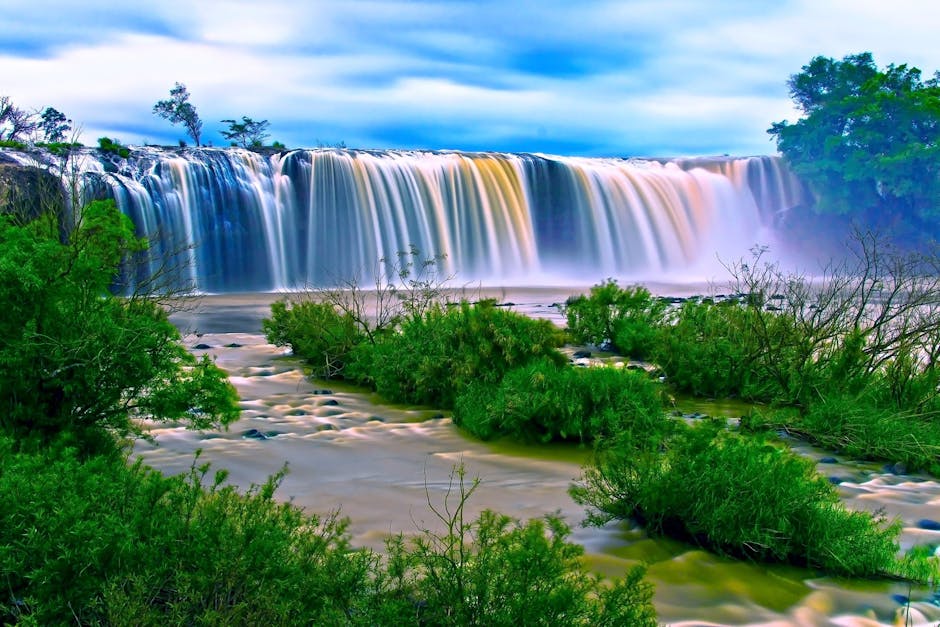
Nature Travel Destinations Guide: Explore the World’s Most Stunning Natural Wonders
Looking for unforgettable nature travel destinations? This comprehensive guide highlights the planet’s most breathtaking natural landscapes—from lush rainforests and towering mountains to serene lakes and dramatic coastlines. Whether you’re planning a solo adventure, a family trip, or a romantic getaway, these handpicked destinations offer immersive experiences in the heart of the wild. We’ve included practical tips, seasonal advice, and essential travel considerations to help you make informed decisions and travel responsibly. With detailed insights into accessibility, activities, and conservation efforts, this guide ensures your journey into nature is both rewarding and sustainable.

Why Choose Nature Travel Destinations?
Nature travel destinations offer more than just scenic beauty—they provide opportunities for mental rejuvenation, physical activity, and cultural connection. Unlike crowded tourist hubs, these locations allow travelers to slow down, observe wildlife, and experience ecosystems in their purest forms. From hiking through ancient forests to kayaking along untouched coastlines, nature-based travel supports local economies and promotes environmental awareness.
Travelers increasingly seek authentic, low-impact experiences that prioritize sustainability. According to recent industry trends, over 70% of global travelers now consider environmental impact when choosing destinations. This shift has led to a rise in eco-lodges, guided conservation tours, and community-led tourism initiatives that protect natural resources while offering enriching experiences.

Top Nature Travel Destinations Around the Globe
From the equator to the poles, Earth’s diverse landscapes offer endless possibilities for exploration. Below are some of the most compelling nature travel destinations, each selected for its unique geography, biodiversity, and visitor accessibility.
1. Banff National Park, Canada
Nestled in the Canadian Rockies, Banff National Park is a cornerstone of North American nature travel. With over 6,600 square kilometers of glacial lakes, alpine meadows, and snow-capped peaks, it’s a haven for hikers, photographers, and wildlife enthusiasts. Lake Louise and Moraine Lake are iconic stops, known for their vivid turquoise waters fed by glacial melt.
Visitors can explore over 1,600 kilometers of trails, ranging from easy boardwalk walks to multi-day backcountry treks. Wildlife sightings include elk, black bears, and bighorn sheep. The park operates on a reservation system during peak summer months, so advance planning is essential. Winter offers cross-country skiing and ice walks along frozen waterfalls.
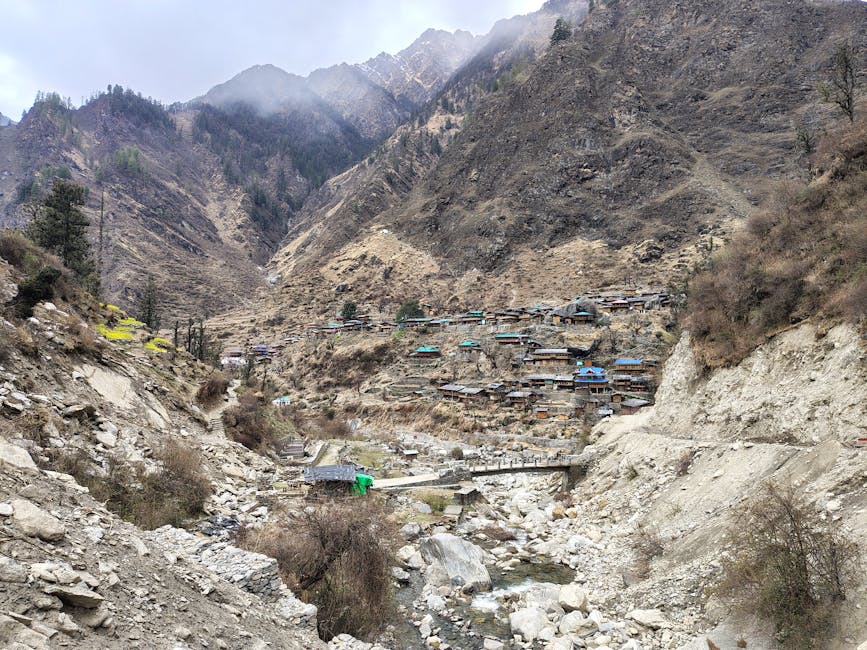
2. Patagonia, Chile and Argentina
Spanning southern Chile and Argentina, Patagonia is a vast wilderness of wind-swept plains, jagged peaks, and expansive glaciers. Torres del Paine National Park in Chile and Los Glaciares National Park in Argentina are standout destinations within the region.
Trekking the W Trek or the full-circuit route in Torres del Paine rewards adventurers with views of granite towers, glacial lakes, and guanaco herds. In Argentina, Perito Moreno Glacier offers a dynamic display of ice calving into Lake Argentino. Due to unpredictable weather, packing layered clothing and waterproof gear is critical. Most visitors arrive between November and March, the southern hemisphere’s summer.
3. Fiordland National Park, New Zealand
Located on New Zealand’s South Island, Fiordland National Park is one of the country’s most remote and pristine regions. Milford Sound and Doubtful Sound are dramatic fjords carved by ancient glaciers, surrounded by waterfalls and dense rainforest.
Kayaking through the fjords offers close encounters with seals, dolphins, and rare bird species like the Fiordland crested penguin. The Milford Track, often called “the finest walk in the world,” is a 53.5-kilometer trail that takes four days to complete. Bookings are required well in advance, especially during the October to April hiking season.
4. Serengeti National Park, Tanzania
Famous for its annual wildebeest migration, the Serengeti is one of Africa’s most iconic nature travel destinations. Covering 14,750 square kilometers, the park supports the largest terrestrial mammal migration on Earth, with over 1.5 million wildebeest and hundreds of thousands of zebras moving in search of fresh grazing.
Game drives offer sightings of the Big Five—lion, leopard, elephant, buffalo, and rhinoceros—alongside cheetahs, hyenas, and giraffes. The dry season (June to October) is ideal for wildlife viewing, as animals gather around water sources. Visitors should choose eco-certified lodges and respect park guidelines to minimize environmental impact.
5. Svalbard, Norway
One of the world’s northernmost inhabited areas, Svalbard offers a polar adventure unlike any other. Located between mainland Norway and the North Pole, this Arctic archipelago is home to glaciers, tundra, and a surprising array of wildlife, including polar bears, Arctic foxes, and reindeer.
Summer brings the midnight sun, allowing for extended exploration by boat or snowmobile. Winter offers the chance to see the northern lights and participate in dog sledding. Due to the fragile ecosystem, strict environmental regulations are in place. All visitors must carry a rifle when traveling outside settlements for polar bear protection.
6. Amazon Rainforest, Brazil
The Amazon is the world’s largest tropical rainforest, spanning nine countries but with the greatest access from Brazil. It hosts unparalleled biodiversity, with millions of insect species, thousands of birds and mammals, and countless plant varieties still undocumented by science.
River cruises and jungle lodges near Manaus provide immersive experiences, including night walks, canoe trips, and visits to indigenous communities. The dry season (July to October) offers easier navigation and fewer mosquitoes. Travelers should prioritize operators that support conservation and local economies.
7. Zhangjiajie National Forest Park, China
Known for its towering sandstone pillars that inspired the floating mountains in the film *Avatar*, Zhangjiajie in Hunan Province is a geological wonder. The park features deep ravines, lush vegetation, and mist-covered peaks that create a surreal landscape.
The Bailong Elevator, one of the world’s highest outdoor lifts, carries visitors to panoramic viewpoints. The Glass Bridge, suspended 300 meters above the valley, offers thrilling views for the adventurous. Best visited in spring or autumn to avoid summer crowds and winter fog.
8. Torres Strait Islands, Australia
Located between mainland Australia and Papua New Guinea, the Torres Strait Islands are a collection of over 100 islands with rich Indigenous culture and vibrant marine ecosystems. The region is a prime spot for snorkeling, diving, and learning about Torres Strait Islander traditions.
Hammonds Reef and the Great Barrier Reef’s northern reaches offer clear waters and coral gardens teeming with tropical fish, sea turtles, and reef sharks. Access is typically by air or ferry from Cairns. Visitors are encouraged to participate in cultural tours led by local communities.
9. Plitvice Lakes National Park, Croatia
This UNESCO World Heritage Site in central Croatia is famous for its cascading lakes connected by waterfalls and surrounded by dense forest. The turquoise waters, fed by underground springs, change color depending on mineral content and sunlight.
Wooden walkways allow visitors to traverse the park without damaging the ecosystem. The upper and lower lakes offer different experiences—calmer waters in the upper section, more dramatic drops in the lower. Visit in late spring or early autumn for fewer crowds and vibrant foliage.
10. Iceland’s Highlands
Iceland’s interior highlands are a rugged, volcanic landscape accessible only during summer months via 4×4 vehicles. The region includes geothermal areas, lava fields, and glacial rivers, with highlights like Landmannalaugar and Þórsmörk.
Hiking trails wind through rhyolite mountains, hot springs, and moss-covered lava. Due to the remote nature of the terrain, self-sufficiency is key—carry all supplies, including food, water, and emergency gear. Always check road conditions and weather forecasts before departure.
How to Plan Your Nature Travel Adventure
Successful nature travel requires thoughtful preparation. Unlike urban tourism, these destinations often lack infrastructure and emergency services, making advance planning essential.
Step 1: Research Your Destination
Start by understanding the geography, climate, and local regulations. Check official park websites for entry requirements, permits, and seasonal closures. Look for recent traveler reviews to gauge current conditions and crowd levels.
Step 2: Choose the Right Time to Visit
Timing affects everything—from wildlife activity to trail accessibility. For example, the Great Migration in the Serengeti peaks between July and September, while Patagonia is best explored from November to March. Avoid peak tourist seasons if solitude is a priority.
Step 3: Pack Appropriately
Nature travel demands functional gear. Essentials include layered clothing, sturdy footwear, a first-aid kit, water purification tools, and navigation aids like maps or GPS. In remote areas, satellite communicators can be lifesavers.
Step 4: Book Accommodations and Tours Early
Many nature travel destinations have limited lodging options, especially eco-lodges and backcountry huts. Popular trails and guided tours often sell out months in advance. Use official channels or certified operators to avoid scams.
Step 5: Practice Leave No Trace Principles
Respect the environment by packing out all trash, staying on marked trails, and avoiding disturbance to wildlife. Use biodegradable soap and minimize campfire use. These small actions help preserve these destinations for future travelers.
Comparing Nature Travel Destinations by Key Features
Choosing the right destination depends on your interests, budget, and travel style. The table below compares five top nature travel destinations across key factors to help you decide.
| Destination | Best Time to Visit | Key Activities | Accessibility | Wildlife Highlights |
|---|---|---|---|---|
| Banff National Park, Canada | June–September | Hiking, canoeing, wildlife viewing | High (major airport nearby) | Elk, black bear, bighorn sheep |
| Patagonia, Chile/Argentina | November–March | Trekking, glacier tours, photography | Moderate (remote, requires flights) | Guanaco, Andean condor, puma |
| Serengeti, Tanzania | June–October | Game drives, hot air ballooning | Moderate (fly-in or overland safari) | Wildebeest migration, Big Five |
| Amazon Rainforest, Brazil | July–October | River cruises, jungle walks, birdwatching | Low to moderate (remote lodges) | Jaguar, pink river dolphin, macaw |
| Fiordland, New Zealand | October–April | Kayaking, hiking, scenic flights | Moderate (accessible by road/ferry) | Seals, dolphins, Fiordland penguin |
Travel Responsibly: Protecting Nature Travel Destinations
As nature travel grows in popularity, so does the risk of environmental degradation. Overtourism, littering, and habitat disruption threaten the very landscapes travelers come to enjoy. Responsible travel isn’t optional—it’s essential.
Choose operators with verified eco-certifications, such as those endorsed by the Global Sustainable Tourism Council. Support local businesses, from family-run guesthouses to Indigenous-guided tours. Offset your carbon footprint when possible, especially for long-haul flights.
Educate yourself about local customs and conservation challenges. In some areas, feeding wildlife or removing natural souvenirs is illegal. Always follow park rules and ranger guidance to ensure your presence doesn’t harm the ecosystem.
Final Thoughts on Nature Travel Destinations
Nature travel destinations offer profound experiences that connect us to the planet’s wild beauty and fragile balance. Whether you’re standing beneath a glacier, listening to howler monkeys in the jungle, or watching the northern lights dance across an Arctic sky, these moments remind us of what’s worth protecting.
With careful planning and a commitment to sustainability, your journey can be both transformative and responsible. Use this guide as a starting point, but let curiosity and respect guide your path. The world’s natural wonders are waiting—explore them wisely.
Frequently Asked Questions
What should I pack for a nature travel trip?
Pack layered clothing, sturdy footwear, a reusable water bottle, sunscreen, insect repellent, a first-aid kit, and navigation tools. In remote areas, include a satellite communicator and extra food and water.
How do I choose between similar nature travel destinations?
Consider your interests—wildlife, hiking, photography, or cultural experiences. Also factor in travel time, budget, and physical demands. Use comparison tables and traveler reviews to narrow your options.
Is nature travel safe for solo travelers?
Yes, but preparation is key. Choose well-marked trails, inform others of your plans, carry emergency gear, and consider guided tours in high-risk areas like bear country or remote wilderness.

