
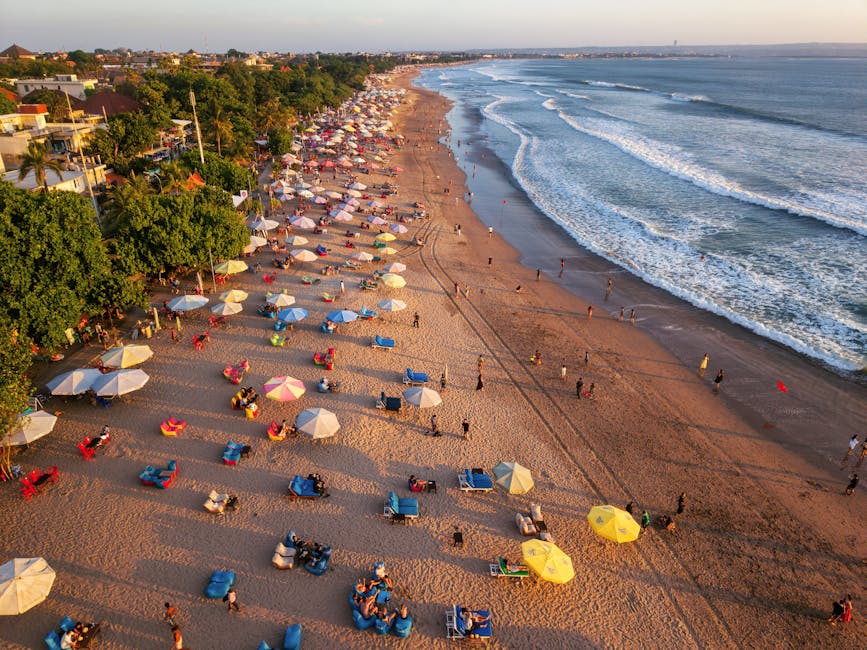
Indonesia Travel Guide: Bali and Beyond Travel Tips
n n
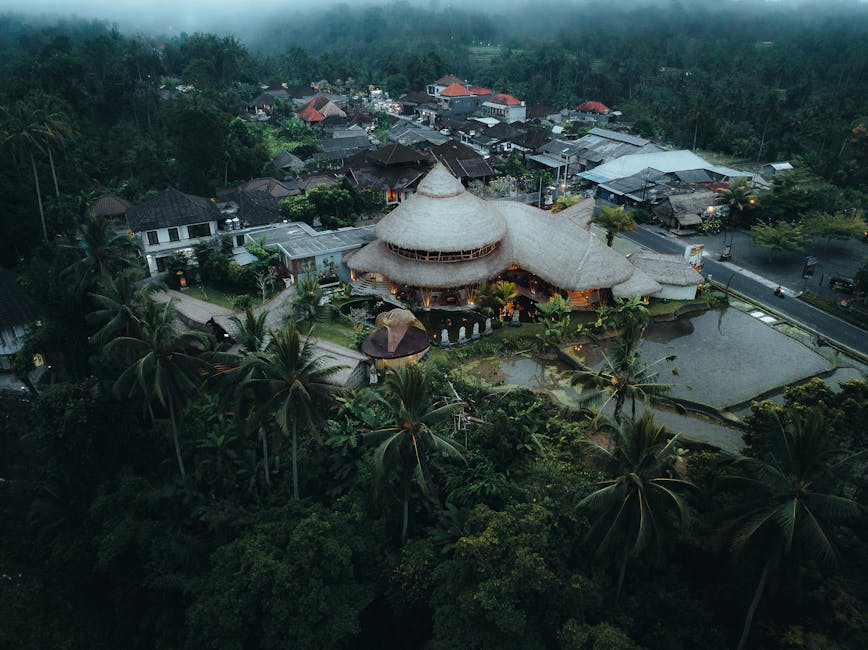
Planning a trip to Indonesia? This Indonesia travel guide offers practical, up-to-date advice for exploring Bali and beyond, covering must-visit destinations, transportation, cultural etiquette, budgeting, and safety. Whether you’re drawn to Bali’s rice terraces and temples or eager to venture into Lombok, Java, or the Gili Islands, this guide helps you travel smart, respect local customs, and make the most of your Southeast Asian adventure. From visa requirements to hidden beaches and volcanic hikes, you’ll find clear, actionable tips to shape a memorable and responsible journey.
nn
Why Visit Indonesia? A Quick Overview
n n
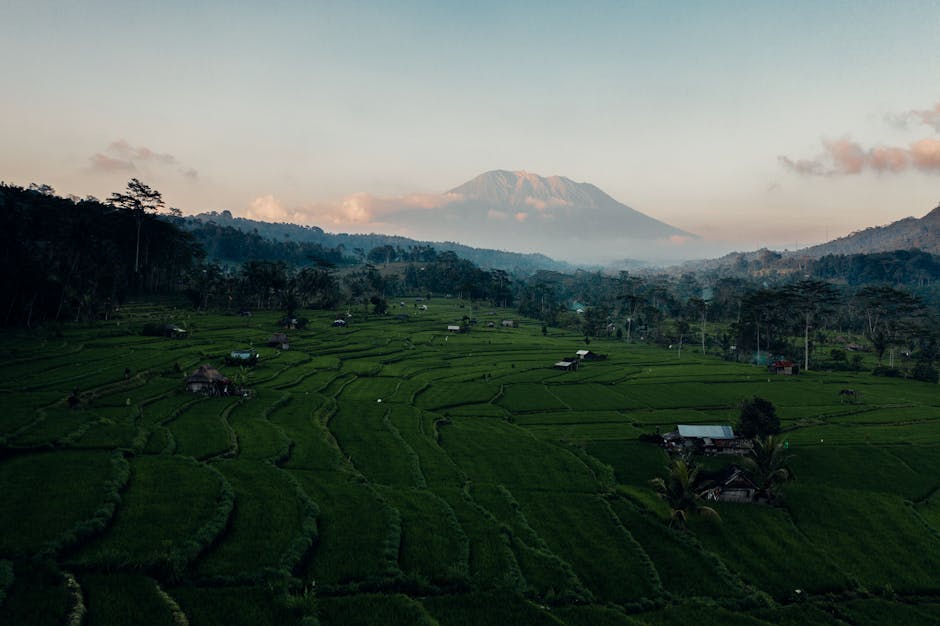
Indonesia is the world’s largest archipelago, made up of over 17,000 islands stretching across the equator. It’s a country of staggering diversity—geographically, culturally, and ecologically. From the Hindu temples of Bali to the Islamic traditions of Lombok, the volcanic peaks of Java, and the marine biodiversity of Raja Ampat, Indonesia offers something for every kind of traveler.
n n
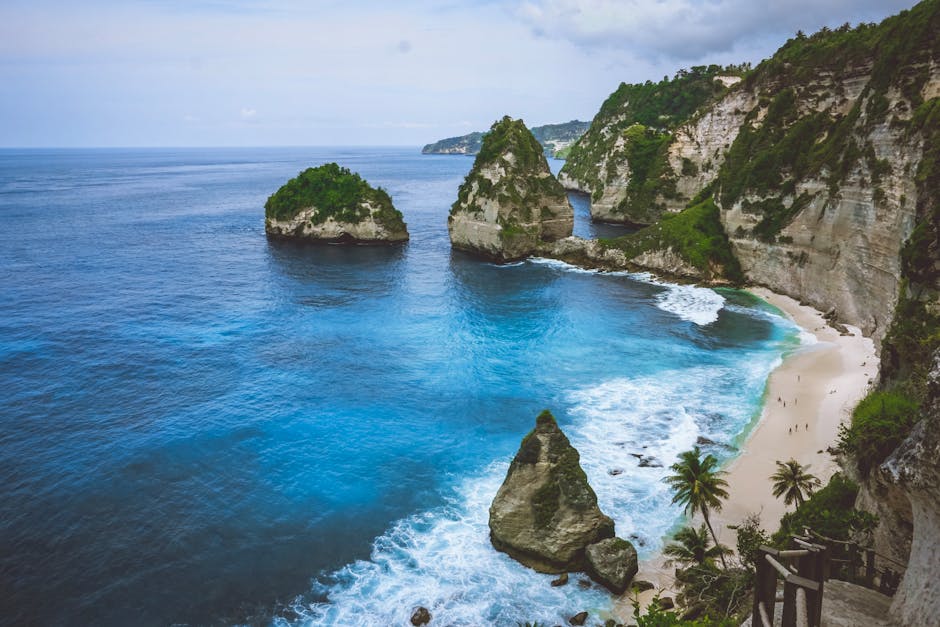
Bali remains the most popular entry point for international visitors, known for its lush landscapes, spiritual atmosphere, and vibrant arts scene. But venturing beyond Bali reveals equally compelling experiences: the quiet beaches of Nusa Penida, the ancient temples of Borobudur in Central Java, the surf breaks of Mentawai Islands, and the Komodo dragons of Flores.
n n
Indonesia is also one of the most affordable destinations in Southeast Asia. Accommodation, food, and local transport are budget-friendly, especially outside major tourist hubs. However, travel logistics can be complex due to the country’s size and island-hopping requirements. This guide helps you navigate those challenges with confidence.
nn
Getting to Indonesia: Flights, Visas, and Entry Requirements
n n
Flights and Major Airports
n n
Most international travelers arrive via Ngurah Rai International Airport (DPS) in Denpasar, Bali. It’s the busiest airport in Indonesia and offers direct flights from Australia, Singapore, Kuala Lumpur, Dubai, and major cities in East Asia. Jakarta’s Soekarno-Hatta International Airport (CGK) is another major hub, especially for travelers planning to explore Java or connect to other Indonesian islands.
n n
From Europe and North America, flights typically require at least one stop—common layover cities include Doha, Singapore, or Bangkok. Airlines like Garuda Indonesia, Singapore Airlines, Qatar Airways, and Emirates offer reliable service. Booking 6–8 weeks in advance usually yields the best prices.
n n
Visa Requirements
n n
Citizens of over 90 countries, including the U.S., Canada, UK, Australia, and most EU nations, can enter Indonesia visa-free for up to 30 days for tourism. This visa-free entry is available at designated airports and seaports, including Bali and Jakarta.
n n
If you plan to stay longer than 30 days, you can apply for a Visa on Arrival (VoA) upon entry, which costs $35 USD and allows a 30-day stay with the option to extend once for another 30 days. Extensions are processed at immigration offices in major cities like Denpasar, Jakarta, or Surabaya.
n n
For stays exceeding 60 days, consider applying for a B211A tourist visa before departure, which allows a 60-day stay with one extension. Always check the latest requirements on the official website of the Indonesian Directorate General of Immigration, as policies can change.
nn
Best Time to Visit Indonesia
n n
Indonesia has a tropical climate with two main seasons: dry (April to October) and wet (November to March). The dry season is generally the best time to visit, with sunny skies, lower humidity, and ideal conditions for outdoor activities like hiking, diving, and beach trips.
n n
However, timing depends on your destination. Bali and Java are most pleasant from May to September. The Gili Islands and Lombok are also best during this period. In contrast, the western Sumatra region (including Lake Toba) sees heavy rain from November to January.
n n
December and January are peak tourist months, especially around Christmas and New Year. Expect higher prices and crowded attractions. If you prefer fewer crowds and lower rates, consider traveling in April, May, September, or early October—shoulder months with good weather and fewer tourists.
nn
Getting Around: Transportation Tips
n n
Indonesia’s geography makes inter-island travel essential. Here’s how to get around efficiently and affordably.
n n
Domestic Flights
n n
For long distances—such as from Bali to Jakarta or Lombok to Labuan Bajo—domestic flights are the fastest and often the most cost-effective option. Airlines like Garuda Indonesia, Lion Air, Citilink, and Wings Air operate frequent routes between major cities and tourist destinations.
n n
Book domestic flights in advance for better prices. One-way fares from Bali to Jakarta typically range from $40–$80 USD. Use platforms like Traveloka, Tiket.com, or Skyscanner to compare prices.
n n
Ferries and Speedboats
n n
For shorter island hops—like Bali to Lombok or the Gili Islands—ferries and speedboats are common. Public ferries are cheaper (around $5–$10 USD) but slower and less comfortable. Speedboats are faster (30–90 minutes depending on route) and more reliable, costing $20–$40 USD one-way.
n n
Popular routes include:
n
- n
- Bali (Padang Bai or Sanur) to Lombok (Lembar): 2–4 hours by ferry
- Bali (Padang Bai) to Gili Trawangan: 1.5–2 hours by speedboat
- Lombok to Gili Islands: 15–30 minutes by speedboat
n
n
n
n n
Book speedboat tickets through reputable operators like Blue Water Express, Gangga Baru, or Scoot Cruises. Avoid unlicensed boats, especially during rough weather.
n n
Local Transport
n n
In cities and tourist areas, options include:
n
- n
- Motorbike rentals: Popular in Bali and Lombok. Rentals cost $4–$8 USD/day. You must have an International Driving Permit (IDP) and wear a helmet. Road conditions vary—exercise caution, especially in rural areas.
- Car rentals with driver: Recommended for longer trips or group travel. A private car with driver costs $40–$70 USD/day and includes fuel and tolls.
- Ride-hailing apps: Grab operates in Bali, Jakarta, and Surabaya. It’s affordable and convenient for short trips.
- Local buses and bemo (minibuses): Cheap but slow and confusing for first-time visitors. Best for budget travelers familiar with local routes.
n
n
n
n
nn
Where to Stay: Accommodation Options
n n
Indonesia offers a wide range of accommodations, from luxury resorts to backpacker hostels. Here’s a breakdown by budget and region.
n n
Bali
n n
Bali has the most diverse lodging options. Popular areas include:
n
- n
- Seminyak and Canggu: Trendy beach areas with boutique hotels, cafes, and surf shops. Ideal for digital nomads and young travelers.
- Ubud: Cultural heart of Bali, surrounded by rice fields and art galleries. Great for yoga retreats and wellness stays.
- Uluwatu: Cliffside location with world-class surfing and luxury resorts. Best for couples and surfers.
- Nusa Dua: Gated resort area with high-end hotels and private beaches. Family-friendly but less authentic.
n
n
n
n
n n
Average nightly rates:
n
- n
- Budget: $10–$25 USD (hostels, guesthouses)
- Mid-range: $30–$80 USD (boutique hotels, villas)
- Luxury: $100–$300+ USD (resorts, private villas with pools)
n
n
n
n n
Lombok and the Gili Islands
n n
Lombok is less developed than Bali, offering a more laid-back vibe. Senggigi is the main tourist strip, while the south (Kuta Lombok) has pristine beaches and surf breaks. The Gili Islands—Gili Trawangan, Gili Meno, and Gili Air—are car-free and popular for snorkeling and diving.
n n
Accommodation ranges from beachfront bungalows ($20–$50 USD) to luxury eco-resorts ($100+ USD). Book in advance during peak season (June–August).
n n
Java and Beyond
n n
In Yogyakarta, stay near the Kraton (Sultan’s Palace) for easy access to Borobudur and Prambanan temples. Jakarta offers international hotel chains, but traffic makes location crucial. For Komodo National Park, base yourself in Labuan Bajo, where eco-lodges and dive resorts dominate.
nn
Top Destinations Beyond Bali
n n
While Bali is a natural starting point, Indonesia’s other islands offer equally rewarding experiences.
n n
Lombok
n n
Often called “Bali’s quieter sister,” Lombok boasts stunning beaches, the towering Mount Rinjani, and traditional Sasak villages. The island is less commercialized, making it ideal for travelers seeking authenticity.
n n
Don’t miss: Pink Beach (Pantai Tangsi), Senggigi Beach, and the Gili Islands. For adventure, hike Mount Rinjani—a challenging 2–3 day trek with views from the summit crater.
n n
The Gili Islands
n n
These three small islands are a snorkeler’s and diver’s paradise. Gili Trawangan is the most developed, with bars and nightlife. Gili Meno is quiet and romantic, while Gili Air strikes a balance. No motorized vehicles are allowed—transport is by bicycle or cidomo (horse-drawn cart).
n n
Snorkel with turtles, take a diving course, or simply relax on white-sand beaches. Entry to the Gili Marine Park requires a $5 USD conservation fee.
n n
Yogyakarta and Central Java
n n
Yogyakarta is the cultural capital of Java and the gateway to two UNESCO World Heritage sites: Borobudur (the world’s largest Buddhist temple) and Prambanan (a stunning Hindu temple complex).
n n
Visit at sunrise for fewer crowds and magical lighting. Combine with a trip to Mount Merapi for jeep tours through volcanic landscapes, or explore the artisan villages of Kotagede (silverwork) and Kasongan (pottery).
n n
Komodo National Park
n n
Home to the famous Komodo dragons, this park spans several islands, including Komodo, Rinca, and Padar. Most tours depart from Labuan Bajo on Flores Island.
n n
Day trips or multi-day liveaboard cruises allow you to see the dragons, hike to panoramic viewpoints, and snorkel in vibrant coral reefs. Permits cost $15–$25 USD per person.
n n
Raja Ampat
n n
For serious divers, Raja Ampat in West Papua is one of the most biodiverse marine regions on Earth. Expect crystal-clear waters, untouched islands, and incredible underwater life.
n n
Access requires a flight to Sorong, then a boat to the islands. Accommodation ranges from homestays to luxury liveaboards. Budget at least $150–$300 USD per day for a full diving package.
nn
Food and Drink: What to Eat in Indonesia
n n
Indonesian cuisine is rich, flavorful, and diverse. Each region has its specialties, but some dishes are beloved nationwide.
n n
Must-Try Dishes
n n
- n
- Nasi Goreng: Indonesia’s famous fried rice, often served with a fried egg and prawn crackers. Found everywhere from street stalls to restaurants.
- Satay (Sate): Grilled skewers of meat (chicken, beef, or goat) served with peanut or sweet soy sauce.
- Gado-Gado: A vegetable salad with boiled eggs, tofu, and peanut sauce. Popular in Java.
- Rendang: A slow-cooked beef curry from West Sumatra, rich in spices and coconut milk.
- Nasi Campur: A mixed rice plate with small portions of various dishes—great for sampling local flavors.
n
n
n
n
n
n n
Street Food Safety
n n
Street food is delicious and affordable, but choose vendors with high turnover and clean preparation areas. Eat food that’s freshly cooked and served hot. Avoid raw vegetables and unpeeled fruits if you’re unsure about water quality.
n n
Drink bottled or filtered water. Avoid ice in rural areas unless you’re sure it’s made from purified water.
n n
Beverages
n n
Try es kelapa muda (young coconut ice), jamu (traditional herbal tonic), or kopi luwak (civet coffee)—though be aware that some production methods raise ethical concerns. For alcohol, Bali has a vibrant bar scene, but drinking in public is discouraged in more conservative areas like Aceh or Lombok.
nn
Culture and Etiquette: Respecting Local Customs
n n
Indonesia is a predominantly Muslim country (over 85%), with Bali being the exception as a Hindu-majority island. Understanding local customs helps you travel respectfully.
n n
Dress Modestly
n n
In Bali, beachwear is acceptable at resorts and beaches, but cover up when visiting temples or rural villages. In Java, Lombok, and other Muslim-majority areas, dress conservatively—shoulders and knees covered, especially in religious sites and traditional villages.
n n
Temple Etiquette in Bali
n n
When visiting Balinese Hindu temples:
n
- n
- Wear a sarong and sash (often provided at the entrance).
- Do not touch someone’s head or point your feet at people or shrines.
- Avoid public displays of affection.
- Women should not enter temples during menstruation (a traditional belief, though not strictly enforced).
n
n
n
n
n n
Greetings and Behavior
n n
Use your right hand for giving or receiving items, as the left is considered unclean. Greet people with a smile and a slight nod. Avoid pointing with your finger—use your thumb or open hand instead.
n n
Tipping is not mandatory but appreciated. In restaurants, 5–10% is common if service charge isn’t included. For drivers, guides, or hotel staff, small tips (IDR 10,000–50,000) are welcomed.
nn
Safety and Health Tips
n n
Indonesia is generally safe for travelers, but it’s wise to take precautions.</

