
Hagia Sophia Travel Guide Istanbul: Everything You Need to Know Before You Go
Hagia Sophia Travel Guide Istanbul: Everything You Need to Know Before You Go
The Hagia Sophia in Istanbul stands as one of the world’s most iconic landmarks. Originally built as a cathedral in 537 AD, it later became a mosque and now serves as a museum-turned-mosque open to visitors. Whether you’re drawn by its stunning Byzantine architecture, layered history, or spiritual significance, visiting Hagia Sophia requires some planning. This guide covers practical tips, opening hours, ticket options, what to expect inside, and how to make the most of your visit—without the overwhelm.
History at a Glance
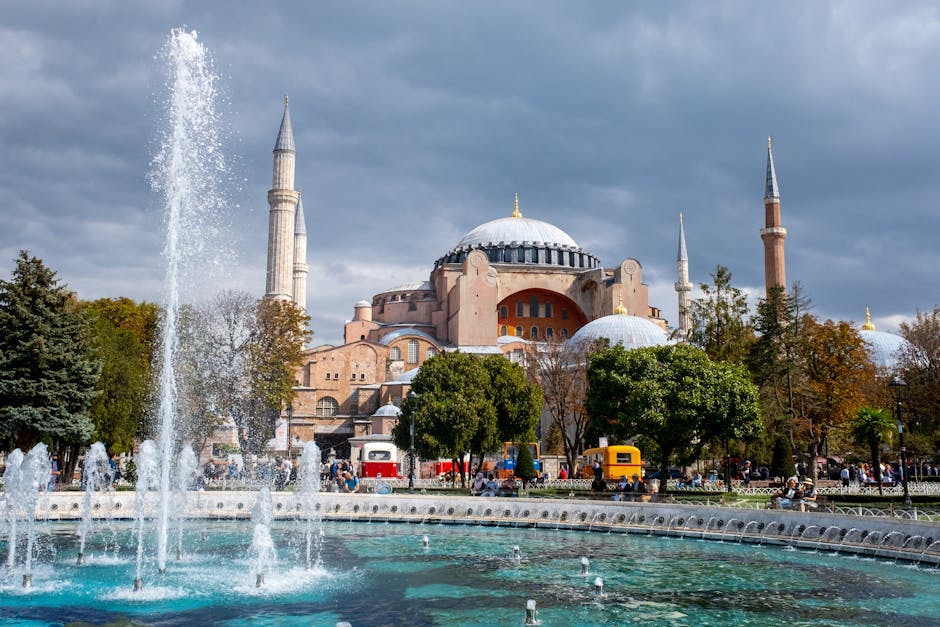
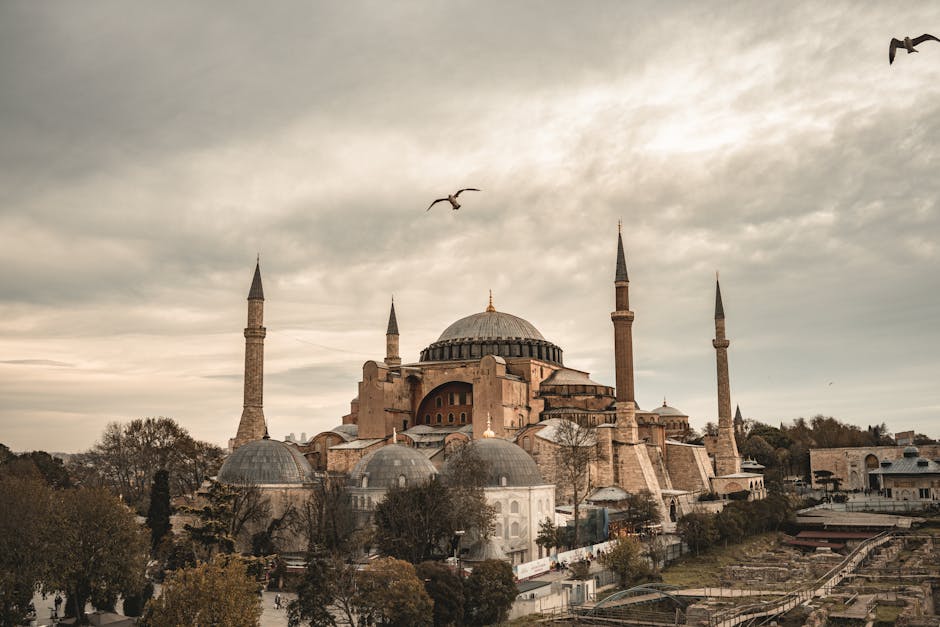
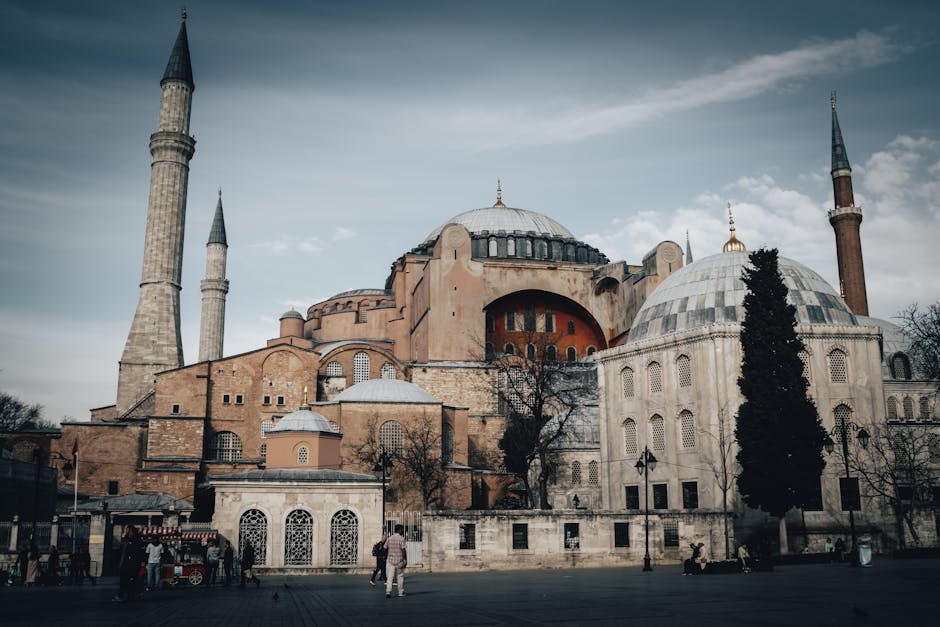
Hagia Sophia’s story spans over 1,500 years. Commissioned by Emperor Justinian I, it was the largest cathedral in the world for nearly a thousand years. Its massive dome, innovative for its time, still inspires awe. In 1453, after the Ottoman conquest of Constantinople, it was converted into a mosque. Minarets were added, mosaics were plastered over, and Islamic calligraphy was installed.
In 1935, under Mustafa Kemal Atatürk, it became a museum to reflect Turkey’s secular identity. For decades, visitors could see both Christian mosaics and Islamic elements side by side. In 2020, the Turkish government reconverted it into a functioning mosque. Today, it remains open to tourists, but with new rules and considerations.
Visiting Hagia Sophia Today
Is Hagia Sophia Open to Tourists?
Yes, Hagia Sophia is open to all visitors, including non-Muslims. However, it operates as an active mosque, which affects access during prayer times. Entry is free, but you must follow mosque etiquette. Women must cover their heads with a scarf, and both men and women should dress modestly—shoulders and knees covered.
Security checks are thorough. Bags may be scanned, and large backpacks are often not allowed. Arrive early to avoid long lines, especially during peak tourist season from April to October.
Best Time to Visit
Early morning, right when it opens, offers the quietest experience. The site opens at 9:00 AM, but lines can form by 8:30 AM. Avoid Fridays if possible—this is the busiest day due to the weekly congregational prayer (Jumu’ah), which limits tourist access for several hours.
Late afternoon visits can also be good, especially in summer when the light streams through the upper windows. Sunset views from the courtyard are particularly striking.
What to Expect Inside
The Grand Interior
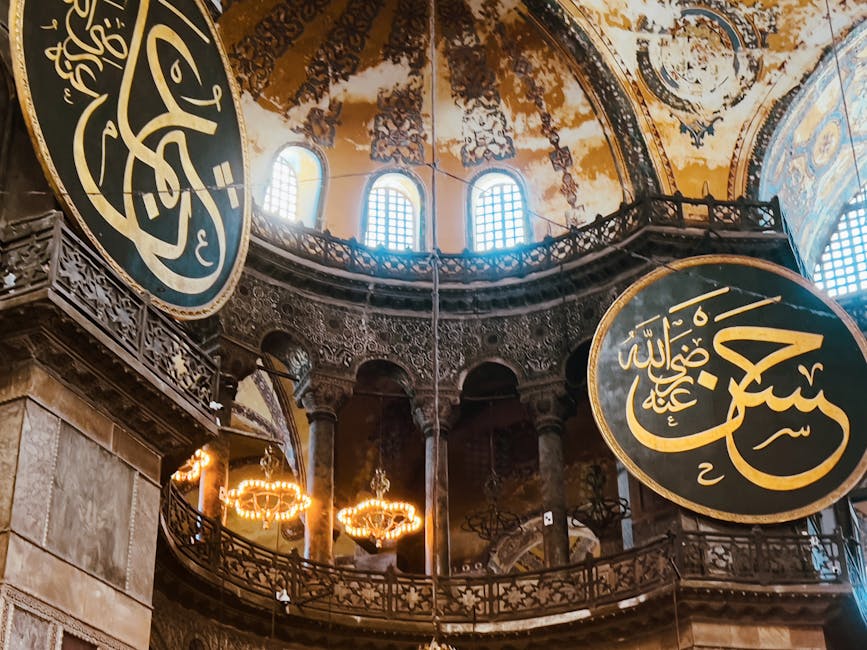
Stepping inside, the first thing you’ll notice is the sheer scale. The central dome rises 55 meters above the floor, supported by four massive pendentives. Light filters through 40 windows at the dome’s base, creating a floating effect that has captivated visitors for centuries.
The space blends Christian and Islamic art. Look for the restored mosaics of Christ, the Virgin Mary, and emperors—now uncovered and protected behind glass. Opposite them, large circular calligraphic panels feature the names of Allah, the Prophet Muhammad, and early caliphs.
Upper Gallery Access
The upper gallery offers a different perspective and is where many of the best-preserved mosaics are located. A ramp leads visitors up to a quieter, less crowded space with views across the nave. This is also where you’ll find the famous Deesis mosaic, a powerful depiction of Christ flanked by Mary and John the Baptist.
Note: The gallery may be closed during certain times or for maintenance. Check with staff upon entry.
Courtesy and Conduct
As an active place of worship, silence and respect are expected. Avoid loud conversations, photography during prayers, or pointing at religious symbols. Shoes must be removed before entering the main prayer area—socks are fine, but bring a bag to carry your footwear.
Non-Muslim visitors are welcome, but they should not disrupt worship. If you’re visiting during prayer, you may be asked to wait or enter through a designated tourist path.
Practical Tips for Your Visit
Dress Code Requirements
Modest clothing is mandatory. Women must cover their hair with a scarf—these are sometimes available at the entrance, but bring your own to be safe. Avoid sleeveless tops, shorts, or skirts above the knee.
Men should wear long pants and shirts with sleeves. Flip-flops are discouraged; comfortable walking shoes are best.
Photography Rules
Photography is allowed in most areas, but flash and tripods are prohibited. Do not take photos during prayers or of people praying. Selfie sticks are generally not permitted.
Respect posted signs. Some sections, especially near the mihrab (prayer niche), may restrict photography.
Accessibility
Hagia Sophia is partially accessible. The main floor has ramps, but the upper gallery requires climbing a long, sloping ramp—challenging for those with mobility issues. Wheelchair users can access the ground level, but staff assistance may be needed.
There are no elevators. Rest areas are limited, so plan accordingly.
Nearby Attractions Worth Visiting
Hagia Sophia sits in the heart of Sultanahmet, Istanbul’s historic district. You can easily combine your visit with other major sites.
The Blue Mosque (Sultanahmet Camii) is just a five-minute walk away. Built in the early 17th century, it’s famous for its six minarets and thousands of blue Iznik tiles. It’s also an active mosque, so check prayer times before entering.
Across the street, the Basilica Cistern offers a cool, mysterious underground experience. This 6th-century water reservoir features Medusa head columns and atmospheric lighting. Tickets are required and cost around 400 TL.
The Topkapı Palace, once home to Ottoman sultans, is a 10-minute walk. It houses imperial treasures, harem quarters, and stunning views over the Bosphorus. Allow at least two hours for a proper visit.
How to Get There
Hagia Sophia is centrally located and easy to reach by public transport. The closest tram stop is Sultanahmet (T1 line). From there, it’s a two-minute walk.
If you’re coming from Taksim Square, take the funicular to Kabataş, then transfer to the T1 tram. The ride takes about 20 minutes. Taxis are widely available, but traffic in the old city can be heavy—especially during rush hour.
Parking is limited and not recommended. Most visitors arrive on foot or by public transit.
Ticketing and Entry
Entry to Hagia Sophia is free. However, you may still need to pass through a ticket checkpoint for security and crowd control. No advance booking is required.
While the site is free, consider donating at the entrance. Funds support preservation efforts. Audio guides are available for rent near the entrance for around 150 TL. They offer detailed commentary in multiple languages.
Guided tours are another option. Many Istanbul walking tours include Hagia Sophia, along with the Blue Mosque and Basilica Cistern. These typically cost between $30–$50 and last 2–3 hours.
What to Bring
Pack light but smart. Essentials include:
- A headscarf (for women)
- Comfortable walking shoes
- A small bag for your shoes
- Water bottle (refillable)
- Hand sanitizer
Avoid bringing large bags, food, or drinks inside. Lockers are not provided, so leave non-essentials at your hotel.
Safety and Security
Istanbul is generally safe for tourists, but standard precautions apply. Keep your belongings secure, especially in crowded areas. Pickpocketing can occur near major attractions.
Security personnel are present at all times. Follow their instructions, especially during prayers or special events. Emergency exits are marked, but familiarize yourself with the layout upon entry.
If you feel unwell, staff can assist. First aid stations are available at nearby tourist information points.
Cultural Sensitivity
Hagia Sophia is more than a tourist site—it’s a place of deep religious and historical significance. Approach your visit with curiosity and respect.
Avoid political discussions or debates about its status as a mosque. Be mindful of worshippers. If you’re unsure about behavior, observe others or ask a staff member discreetly.
Learning a few basic Turkish phrases—like “Teşekkür ederim” (thank you)—goes a long way in showing respect.
Comparing Hagia Sophia to Similar Sites
| Feature | Hagia Sophia | Blue Mosque | Basilica Cistern |
|---|---|---|---|
| Primary Function | Active mosque, historic site | Active mosque | Historical water reservoir |
| Entry Fee | Free | Free | ~400 TL |
| Best Time to Visit | Early morning, avoid Fridays | Afternoon, avoid prayer times | Any time, less crowded mid-week |
| Unique Feature | Byzantine dome & mosaics | Six minarets & blue tiles | Underground columns & lighting |
Final Thoughts
Visiting Hagia Sophia is a highlight of any trip to Istanbul. Its layered history, architectural brilliance, and spiritual atmosphere make it unforgettable. With a bit of preparation, you can navigate the visit smoothly and respectfully.
Plan ahead, dress appropriately, and arrive early. Take time to absorb the scale and silence of the space. Whether you’re there for history, faith, or photography, Hagia Sophia delivers a powerful experience.
FAQ
Can non-Muslims visit Hagia Sophia?
Yes, non-Muslims are welcome. It is open to all visitors, but as an active mosque, modest dress and respectful behavior are required.
Do I need to book tickets in advance?
No advance booking is needed. Entry is free, but expect security checks and possible queues during peak hours.
Are the original mosaics still visible?
Yes, many mosaics have been restored and are on display, especially in the upper gallery. They are protected behind glass and well-lit for viewing.

