
Family Travel Guide: Traveling With Kids Tips
Family Travel Guide: Traveling With Kids Tips
Traveling with kids doesn’t have to be stressful. With smart planning, the right gear, and realistic expectations, family trips can be enjoyable for everyone. This family travel guide offers practical traveling with kids tips to help you prepare, pack, and navigate destinations with confidence. From managing nap schedules to choosing kid-friendly accommodations, we cover the essentials to keep your journey smooth and memorable.
Plan Ahead for a Smoother Trip
Preparation is the foundation of successful family travel. Start by selecting destinations that match your children’s ages and interests. A beach resort might delight toddlers, while older kids may enjoy interactive museums or national parks. Research local customs, weather patterns, and transportation options in advance.
Book accommodations with family-friendly amenities such as cribs, high chairs, or kitchenettes. Look for hotels or vacation rentals near parks, attractions, or public transit to reduce walking distances. If flying, reserve seats together and request bulkhead or aisle seats for easier access.

Create a flexible itinerary that balances sightseeing with downtime. Over-scheduling leads to meltdowns. Include buffer time between activities and plan for midday breaks—especially important in hot climates or during long travel days.
Pack Smart: Essentials for Traveling With Kids
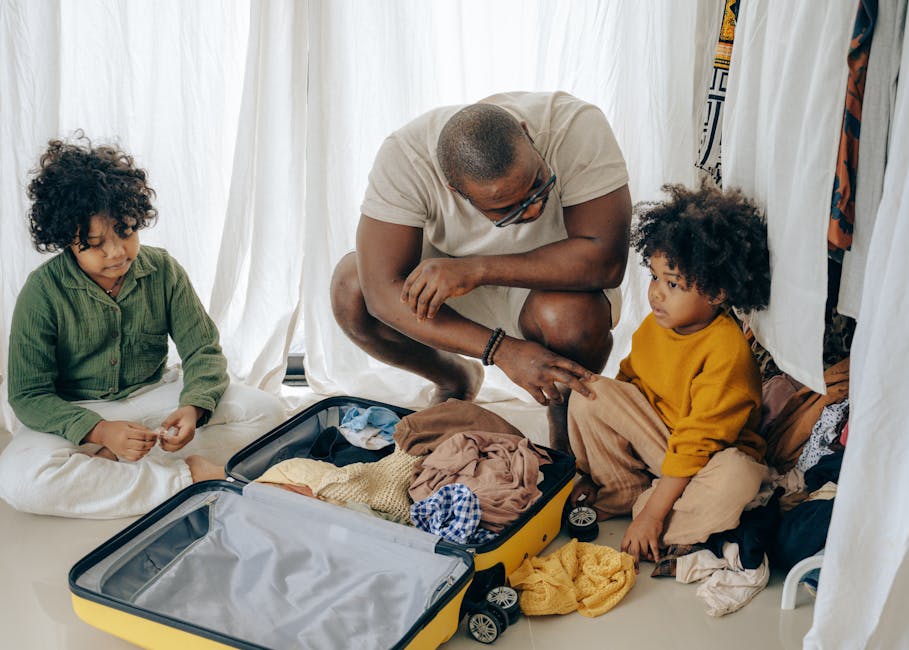
Efficient packing reduces stress and saves space. Use a checklist tailored to your destination and children’s needs. Here are must-haves for most family trips:
- Diapers and wipes (even for potty-trained kids, accidents happen)
- Snacks and water bottles (avoid hangry meltdowns during delays)
- Change of clothes in carry-on (for spills, motion sickness, or weather changes)
- Entertainment: books, coloring supplies, tablets with downloaded shows
- Medications: pain relievers, antihistamines, motion sickness remedies
- First-aid kit: bandages, antiseptic wipes, thermometer
Roll clothes instead of folding to save space and minimize wrinkles. Use packing cubes to organize items by person or category. Keep important documents—passports, insurance cards, emergency contacts—in a secure, easily accessible travel wallet.
For international travel, check vaccination requirements and pack a copy of each child’s birth certificate. Some countries require notarized letters from both parents if only one is traveling.
Manage Travel Days with Young Children
Long car rides or flights can test even the most patient parent. Prepare for travel days with a strategy that prioritizes comfort and engagement.
For road trips, plan stops every two hours for bathroom breaks, stretching, and snacks. Choose rest areas with playgrounds when possible. Bring a cooler with healthy snacks and avoid sugary treats that lead to energy crashes.
On flights, arrive early to allow time for check-in and security. Dress kids in layers and comfortable shoes. Bring noise-canceling headphones for older children and a favorite stuffed animal or blanket for comfort. If your child uses a pacifier, offer it during takeoff and landing to ease ear pressure.
Jet lag affects kids too. Gradually shift bedtime a few days before departure if crossing time zones. Upon arrival, get outside in natural light to reset internal clocks.
Choose Kid-Friendly Destinations and Activities
Not all destinations are equally suited for families. Look for places with stroller accessibility, public restrooms, and shaded areas. Cities like Copenhagen, Vancouver, and Tokyo are known for being exceptionally family-friendly.
Prioritize interactive experiences over passive sightseeing. Children engage more with hands-on museums, animal encounters, or outdoor adventures than with long museum tours. For example, a visit to a petting zoo or a boat ride often leaves a stronger impression than a historical monument.
Check attraction websites for family discounts, stroller policies, and age recommendations. Many theme parks offer rider swap programs so parents can take turns enjoying rides while one watches younger children.
Keep Kids Safe and Healthy Abroad
Safety starts before you leave. Ensure all routine vaccinations are up to date and consult a travel clinic if visiting regions with specific health risks. Pack a waterproof sunscreen, insect repellent, and hand sanitizer.
Teach children basic safety rules: stay close in crowds, don’t accept food from strangers, and know how to find a uniformed officer if lost. Give each child a wristband with your contact information when exploring busy areas.
Stay hydrated, especially in hot climates. Avoid tap water in countries where it’s not safe to drink. Stick to bottled water and avoid ice in drinks. Wash fruits and vegetables thoroughly or peel them yourself.
Dining Out with Children
Meals can be a highlight or a headache when traveling with kids. Research family-friendly restaurants in advance. Look for places with high chairs, kids’ menus, and quick service.
Bring small toys or crayons to keep children occupied while waiting. If your child is a picky eater, pack familiar snacks as backup. In many countries, restaurants are accustomed to serving children and may offer smaller portions or simpler dishes.
Avoid dining during peak hours if your child gets overwhelmed by noise. Early dinners often mean quieter settings and faster service. In some cultures, eating late is common—adjust your schedule accordingly or opt for room service if needed.
Use Technology Wisely
Smartphones and tablets are valuable tools but should enhance—not replace—family interaction. Download offline maps, translation apps, and entertainment before departure.
Set screen time limits and encourage exploration. Use apps like Google Translate to help with language barriers or find nearby pharmacies and clinics. Enable location sharing among family members for safety.
Teach older children how to use public transit apps or ride-sharing services responsibly. Always keep devices charged and carry portable power banks.
Budgeting for Family Travel
Family trips can be expensive, but costs can be managed with smart choices. Look for accommodations with free breakfast or kitchen facilities to reduce meal expenses. Use public transportation instead of taxis when feasible.
Many attractions offer family passes or discounts for children under a certain age. Check city tourism websites for free walking tours, park events, or museum free-entry days.
Set a daily spending limit and track expenses using a budgeting app. Involve kids in age-appropriate ways—let them choose one special souvenir or activity within a set budget.
Dealing with Challenges on the Road
Even the best-laid plans can go awry. Flight delays, lost luggage, or illness can disrupt your trip. Stay calm and flexible. Keep a printed copy of your itinerary and emergency contacts in multiple bags.
If a child gets sick, locate the nearest clinic or pharmacy. Travel insurance with medical coverage can provide peace of mind and financial protection. Know the local emergency number at your destination.
Meltdowns happen. Find a quiet space, offer comfort, and avoid public confrontations. Sometimes a short walk or a favorite snack can reset the mood.
Make Memories, Not Perfection
The goal of family travel isn’t to see everything—it’s to connect, explore, and enjoy time together. Accept that not every moment will go as planned. A missed train or a spilled drink doesn’t ruin a trip; it becomes part of the story.
Take photos, but also put the camera down. Let kids lead sometimes—follow their curiosity to a local market or a street performer. These unplanned moments often become the most cherished memories.
Comparison: Family-Friendly Destinations
| Destination | Best For | Kid-Friendly Highlights | Travel Tip |
|---|---|---|---|
| Orlando, Florida | Theme park lovers | Disney World, Universal Studios, water parks | Buy multi-day tickets for discounts; arrive early to avoid crowds |
| San Diego, California | Beach and zoo enthusiasts | San Diego Zoo, Balboa Park, beaches with calm water | Visit in spring or fall for mild weather and fewer tourists |
| London, UK | Cultural exploration | London Zoo, Diana Memorial Playground, free museums | Use the Oyster Card for easy public transit access |
Final Thoughts on Traveling With Kids
Traveling with children requires extra planning, but the rewards far outweigh the challenges. With the right mindset and preparation, your family can enjoy adventures that build confidence, spark curiosity, and strengthen bonds. Remember, the best family travel guide isn’t about perfection—it’s about presence, patience, and shared experiences.
FAQ
How far in advance should I plan a family trip?
Start planning at least 2–3 months ahead, especially for international travel or peak seasons. This allows time for bookings, vaccinations, and gathering necessary documents.
What should I do if my child gets sick while traveling?
Locate the nearest clinic or hospital. Keep a list of local emergency numbers and your travel insurance details handy. Most travel insurance plans cover medical expenses abroad.
Are strollers useful in all destinations?
Strollers work well in cities with smooth sidewalks and ramps, like Amsterdam or Singapore. In cobblestone areas or crowded markets, a baby carrier may be more practical.

