
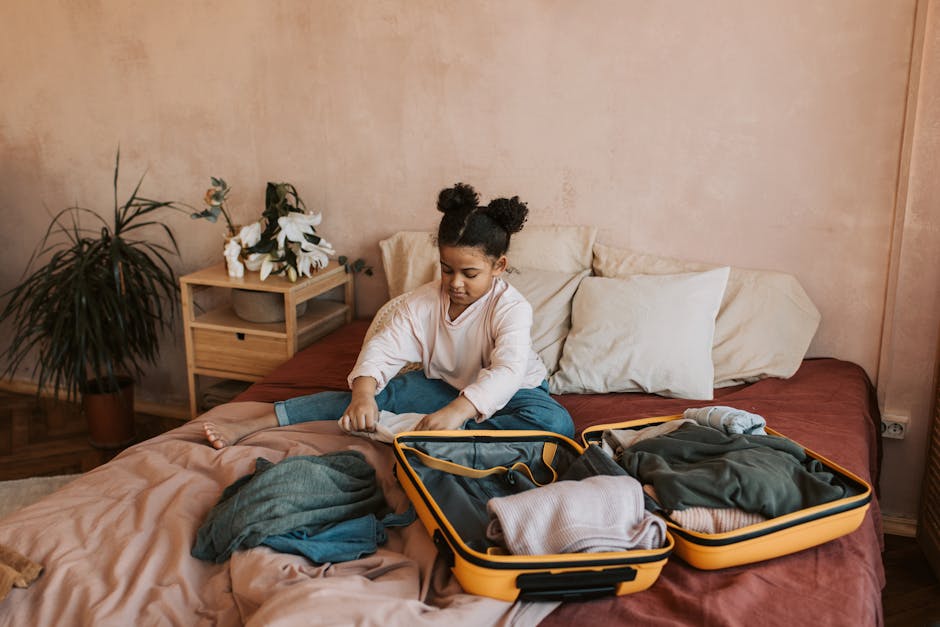
Family Travel Checklist Complete Guide
Planning a family trip can feel overwhelming, but a well-organized family travel checklist complete guide simplifies the process and reduces stress. Whether you’re heading to the beach, a national park, or a bustling city, this comprehensive resource covers everything you need to pack, prepare, and plan for a smooth journey with kids. From essential documents to entertainment and safety items, we’ve broken down the must-haves by category, included practical examples, and highlighted common oversights. By following this guide, you’ll ensure that nothing important slips through the cracks—so you can focus on making memories instead of last-minute scrambles.
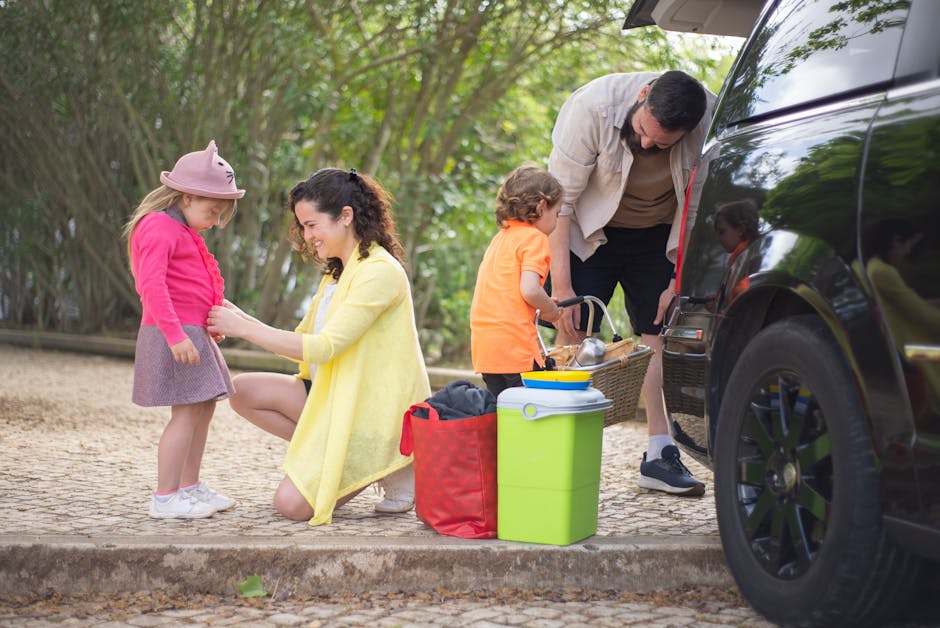
Why a Family Travel Checklist Matters
A detailed checklist isn’t just about remembering sunscreen or snacks—it’s a strategic tool that helps prevent travel mishaps. Families often face unique challenges: young children who need frequent breaks, dietary restrictions, medical needs, and the sheer volume of gear required. Without a system, it’s easy to forget critical items like medications, chargers, or even passports. A structured approach ensures consistency across trips and reduces the mental load on parents. Think of it as your travel co-pilot: reliable, thorough, and always ready.
Pre-Trip Planning Essentials
Before you even start packing, lay the groundwork for a successful trip. Begin by confirming all travel dates, accommodations, and transportation bookings. Double-check cancellation policies, especially if traveling during peak seasons or uncertain weather. If flying, verify baggage allowances and seat assignments early—many airlines charge extra for last-minute changes.
Next, assess your destination’s climate and activities. A ski trip to Colorado demands entirely different gear than a beach vacation in Florida. Research local customs, language basics, and any cultural norms that might affect your family’s experience. For international travel, ensure passports are valid for at least six months beyond your return date and check visa requirements.
Document and ID Checklist
- Passports (with photocopies stored separately)
- Visas or ESTA approvals (if applicable)
- Driver’s licenses and ID cards
- Travel insurance documents
- Flight, hotel, and rental car confirmations
- Emergency contact list (including pediatrician and local embassy)
- Vaccination records (especially for international travel)
Store digital copies in a secure cloud folder and email them to a trusted friend or family member. Keep physical copies in a waterproof travel wallet or document organizer.
Packing Smart: Clothing and Personal Items
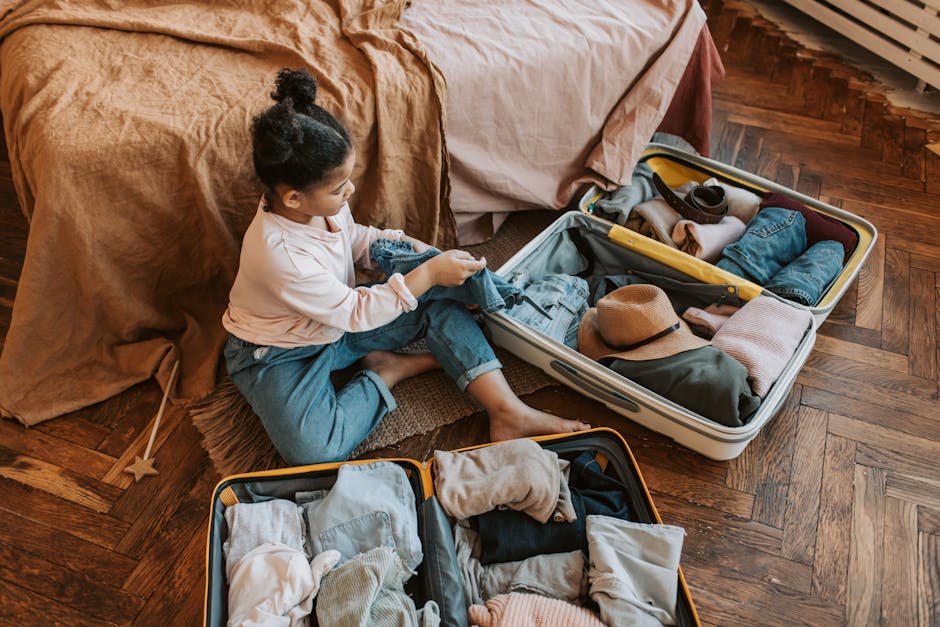
Clothing choices should balance comfort, practicality, and weather appropriateness. Pack versatile pieces that can be layered—think moisture-wicking base layers, lightweight jackets, and quick-dry fabrics. For young children, include extra outfits in case of spills or accidents.

Clothing Checklist by Age Group
| Item | Infants (0–2 yrs) | Toddlers (3–5 yrs) | Kids (6–12 yrs) |
|---|---|---|---|
| Outfits per day | 2–3 (including sleepwear) | 1–2 | 1 |
| Undergarments | Diapers + wipes (pack extra) | Pull-ups or training pants | Regular underwear |
| Footwear | Soft-soled shoes + socks | Comfortable walking shoes | Closed-toe shoes + sandals |
| Special items | Swaddle blankets, bibs | Favorite stuffed animal or blanket | Swimwear, hat, sunglasses |
Roll clothes instead of folding to save space and reduce wrinkles. Use packing cubes to separate categories—this makes unpacking and locating items much easier, especially in shared hotel rooms.
Toiletries and Hygiene
- Travel-sized shampoo, conditioner, body wash
- Toothbrushes, toothpaste, floss
- Deodorant, comb, hair ties
- Sunscreen (SPF 30+), lip balm with SPF
- Insect repellent (DEET-free for young children)
- Hand sanitizer and disinfecting wipes
- Diapers, wipes, and changing pad (for infants/toddlers)
- Menstrual products (if applicable)
Pack toiletries in a clear, TSA-compliant bag if flying. For road trips, use a durable toiletry kit that can hang in bathrooms.
Health and Safety Must-Haves
Health concerns don’t take vacations—prepare for minor illnesses and emergencies. A well-stocked travel health kit can prevent a small issue from becoming a trip-ruiner.
Medical and First Aid Essentials
- Prescription medications (in original containers)
- Children’s pain relievers (acetaminophen or ibuprofen)
- Thermometer (digital, non-glass)
- Band-Aids, antiseptic cream, gauze
- Anti-diarrheal medication
- Allergy relief (antihistamines)
- Motion sickness remedies (patches, tablets, or wristbands)
- Digital copies of prescriptions and insurance cards
Check expiration dates before packing. If traveling internationally, research local pharmacies and healthcare facilities at your destination. Some countries restrict certain medications—verify regulations in advance.
Safety Gear and Awareness
- Child ID bracelets or temporary tattoos with contact info
- Whistle or noise-making device for older kids
- Portable door alarm (for hotel rooms)
- Reflective stickers for backpacks or strollers
- Emergency contact cards in each child’s pocket
Discuss safety rules with children before departure: staying close in crowds, what to do if lost, and how to identify trusted helpers (like police or hotel staff).
Entertainment and Electronics
Long flights or car rides demand distraction. But overpacking gadgets can lead to dead batteries and forgotten chargers. Strike a balance between screen time and interactive fun.
Electronics Checklist
- Smartphones and tablets (fully charged)
- Portable chargers/power banks
- Charging cables and adapters (including international converters)
- Headphones (noise-canceling for adults, volume-limiting for kids)
- Camera or action cam (with extra memory cards)
- Laptop or e-reader (if needed for work or downtime)
Download movies, audiobooks, and games in advance—many destinations have spotty Wi-Fi. Use airplane mode to conserve battery during transit.
Non-Digital Entertainment
- Activity books, coloring supplies, crayons
- Travel-sized board games or card games
- Sticker books or magnetic drawing toys
- Small puzzles or fidget toys
- Favorite books or magazines
Rotate toys every few hours to maintain interest. For toddlers, familiar items from home—like a beloved blanket or stuffed animal—can ease anxiety in new environments.
Feeding and Snacking Strategies
Hunger strikes at the worst times—especially during delays or long sightseeing days. Plan meals and snacks to avoid meltdowns and keep energy levels stable.
Snack Packing Tips
- Choose non-perishable, mess-free options: granola bars, crackers, dried fruit, nuts (if no allergies)
- Avoid sugary snacks that cause energy crashes
- Pack reusable containers to reduce waste
- Include a water bottle for each family member
- For infants: pre-measured formula, baby food pouches, bottles
Check airline policies on liquids and baby food. Most allow reasonable amounts of formula, juice, or purees in carry-ons—just declare them at security.
Dining Out with Kids
Research family-friendly restaurants ahead of time. Look for places with high chairs, kids’ menus, and quick service. In unfamiliar areas, ask hotel staff or locals for recommendations. For picky eaters, consider packing a few safe foods from home.
Transportation and Luggage Tips
How you travel affects what you pack. Road trips offer more flexibility, while flying requires strict adherence to size and weight limits.
Flying with Family
- Check in online 24 hours before departure
- Use TSA PreCheck or Global Entry if available
- Pack a carry-on with essentials: changes of clothes, medications, snacks, entertainment
- Label luggage with name tags and contact info
- Arrive at the airport at least 2 hours early for domestic flights, 3 for international
Road Trip Readiness
- Inspect vehicle: tires, oil, brakes, windshield wipers
- Pack a roadside emergency kit: jumper cables, flashlight, first aid supplies
- Plan rest stops every 2–3 hours
- Use a roof box or cargo carrier if needed
- Download offline maps in case of poor signal
For long drives, assign a “co-pilot” to help navigate, manage snacks, and keep kids engaged.
Accommodation and On-the-Ground Prep
Your lodging choice impacts your packing list. A hotel room offers convenience, while a vacation rental may require more self-sufficiency.
Hotel Stays
- Confirm amenities: cribs, high chairs, Wi-Fi, breakfast
- Bring a nightlight or sound machine for better sleep
- Pack a small laundry bag for dirty clothes
- Use a doorstop alarm for added security
Vacation Rentals or Cabins
- Check kitchen supplies: pots, pans, utensils, coffee maker
- Bring dish soap, sponges, and trash bags
- Pack bath towels if not provided
- Verify laundry facilities or locate nearby laundromat
Always read recent guest reviews to identify potential issues—like noise, cleanliness, or missing essentials.
Final Pre-Departure Checklist
The night before departure, run through this quick review to catch last-minute oversights:
- Charge all devices and pack chargers
- Set alarms and confirm wake-up times
- Freeze water bottles the night before (they’ll thaw as drinks)
- Check weather forecasts for departure and arrival
- Notify banks of travel dates to avoid card blocks
- Secure your home: lock doors, pause mail, unplug non-essential electronics
- Pack a “go-bag” with passports, tickets, cash, and medications in your carry-on
Common Mistakes to Avoid
Even seasoned travelers make errors. Here are frequent pitfalls and how to dodge them:
- Overpacking: Resist the urge to bring “just in case” items. Stick to the checklist and prioritize versatility.
- Ignoring time zones: Adjust sleep schedules a few days early to ease jet lag, especially with young children.
- Forgetting travel insurance: A small investment can save thousands in case of cancellations, delays, or medical emergencies.
- Skipping backups: Always have digital and physical copies of critical documents.
- Underestimating downtime: Build in rest periods—kids (and parents) need breaks to recharge.
Tailoring the Checklist to Your Trip Type
Not all family trips are the same. Adjust your family travel checklist complete guide based on your destination and activities.
Beach Vacation Additions
- Beach towels, umbrellas, and pop-up tents
- Waterproof phone cases
- Sand toys and buckets
- Rash guards and UV-protective clothing
- After-sun lotion or aloe vera
Mountain or Hiking Trip Extras
- Hiking boots with ankle support
- Layered clothing and rain gear
- Backpacks with hydration bladders
- Trail maps and compass (or GPS device)
- Emergency whistle and space blanket
City Exploration Essentials
- Stroller or baby carrier (check sidewalk accessibility)
- Portable phone charger for constant navigation
- Comfortable walking shoes for all
- Small backpack for daily outings
- Local transit cards or apps downloaded
Post-Trip Recovery
The journey isn’t over when you return home. Ease the transition with these steps:
- Unpack and wash clothes immediately
- Restock your travel kit for next time
- Review what worked and what didn’t—update your checklist
- Back up photos and videos
- Schedule a pediatrician visit if anyone felt unwell during travel
A little post-trip care prevents burnout and keeps your family ready for the next adventure.</p

