
Egypt Travel Guide: Pyramids, Nile and History Tour
If you’re planning an unforgettable journey through one of the world’s most storied civilizations, this Egypt travel guide offers a practical roadmap to the country’s iconic pyramids, scenic Nile River, and ancient historical sites. From Cairo’s bustling streets to the serene temples of Luxor and Aswan, Egypt blends awe-inspiring monuments with rich cultural experiences. Whether you’re drawn to the mysteries of the pharaohs or the rhythm of life along the Nile, a well-planned tour can deliver deep historical insight and lasting memories. This guide covers essential destinations, travel logistics, cultural tips, and itinerary ideas to help you explore Egypt confidently and respectfully.
Why Visit Egypt? A Land of Timeless Wonder
Egypt has captivated travelers for centuries—not just for its monumental architecture, but for the continuity of its culture, the warmth of its people, and the sheer scale of its historical legacy. Home to one of the world’s earliest advanced civilizations, Egypt offers more than just photo ops at the pyramids. It provides access to well-preserved temples, tombs, and artifacts that reveal daily life, religious beliefs, and engineering prowess from over 4,500 years ago.
Modern Egypt remains deeply connected to its past. You’ll hear Arabic spoken in markets, see traditional feluccas sailing the Nile, and witness Islamic and Coptic influences woven into daily life. At the same time, the country has developed robust tourism infrastructure, making it accessible for international visitors seeking both adventure and comfort.
Whether you’re a history buff, a photography enthusiast, or simply curious about ancient worlds, Egypt delivers a travel experience that’s both educational and transformative.
Top Destinations in Your Egypt Travel Guide
An effective Egypt travel guide prioritizes key sites that represent the breadth of the country’s heritage. While it’s tempting to try to see everything, focusing on a few core regions ensures a richer, less rushed experience. Below are the must-visit destinations for any first-time or returning traveler.
Cairo: Gateway to Ancient Egypt
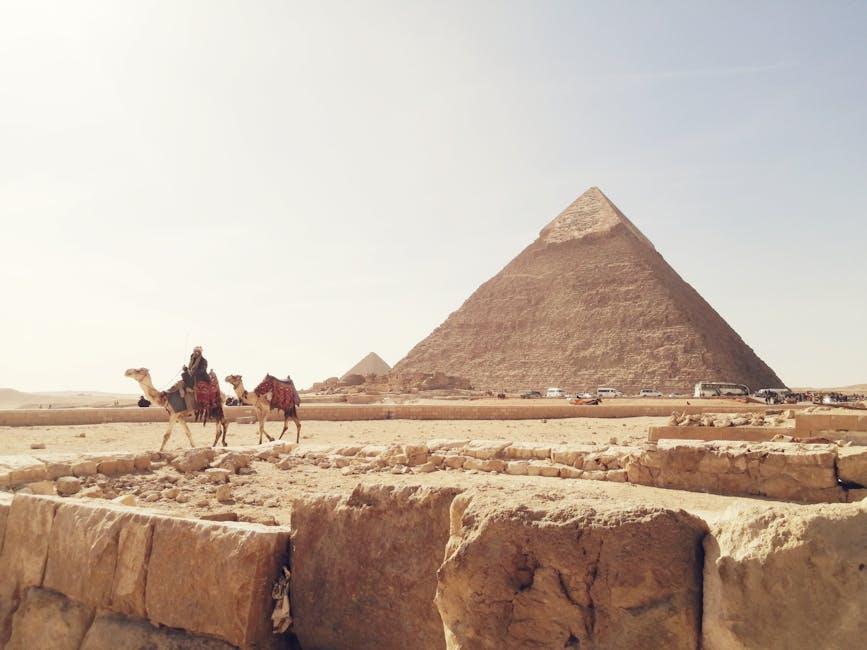
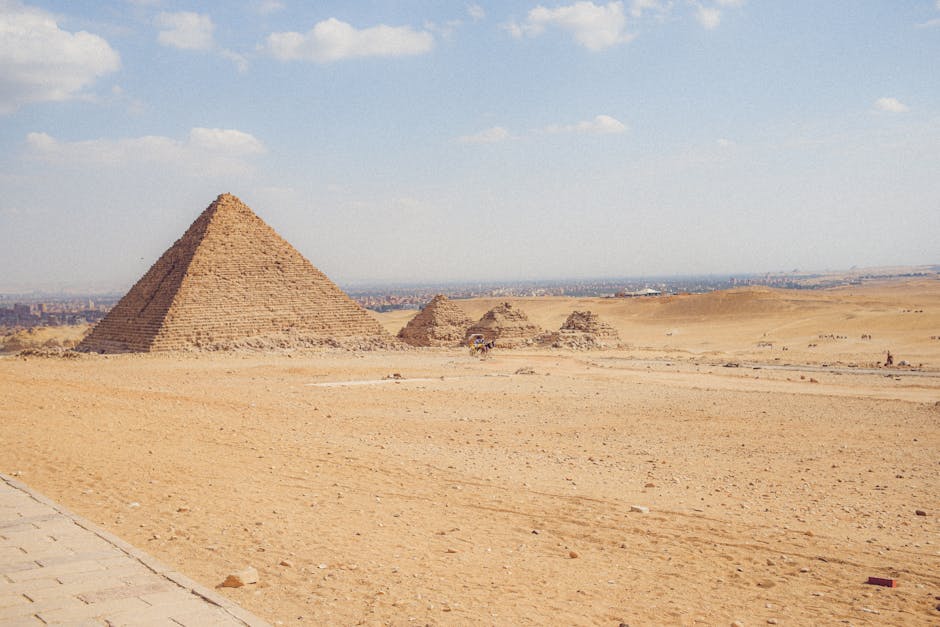
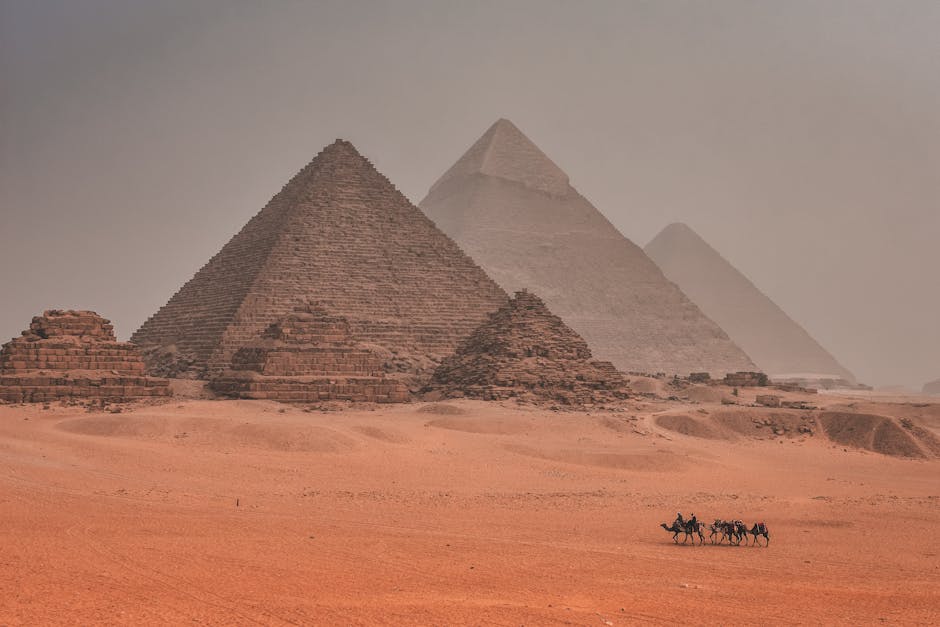
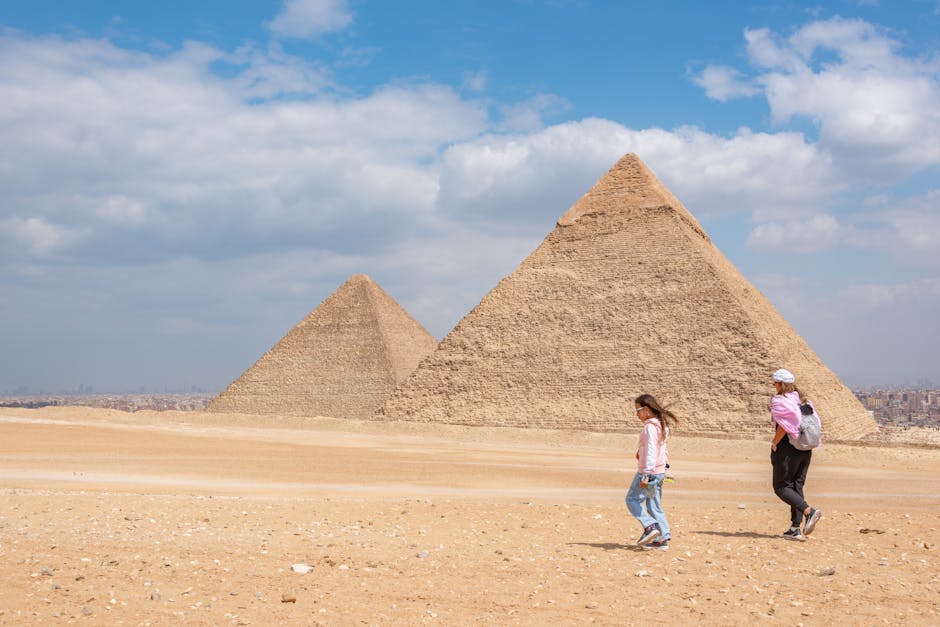
Cairo, Egypt’s sprawling capital, is the starting point for most visitors. It’s a vibrant, chaotic, and fascinating city where ancient and modern collide. The Giza Plateau, home to the Great Pyramids and the Sphinx, is the most iconic stop. These monuments, built over 4,500 years ago, remain engineering marvels and are best visited early in the morning to avoid crowds and heat.
The Egyptian Museum in Tahrir Square houses the world’s largest collection of Pharaonic antiquities, including the golden mask of Tutankhamun. For a deeper dive, consider a guided tour that explains the symbolism and context behind the artifacts. Nearby Islamic Cairo offers labyrinthine bazaars like Khan el-Khalili, where you can shop for spices, jewelry, and handmade crafts.
Don’t miss Coptic Cairo, a historic enclave with ancient churches and the Hanging Church, one of the oldest in Egypt. This area reflects the country’s Christian heritage and offers a quieter contrast to the bustle of downtown.
The Nile River: Lifeline of a Civilization
The Nile is more than a river—it’s the backbone of Egyptian life and the stage for some of the country’s most scenic and historically rich travel experiences. A Nile cruise between Luxor and Aswan is a classic way to explore ancient temples while enjoying river views and onboard hospitality.
Most cruises last three to four nights and include stops at key sites such as the Temple of Kom Ombo, dedicated to the gods Sobek and Horus, and the Temple of Edfu, one of the best-preserved in Egypt. These stops allow time to explore at a relaxed pace, often with guided commentary that brings the hieroglyphs and architecture to life.
For a more intimate experience, consider a traditional felucca sail. These wooden sailboats offer a slower, quieter journey between Esna and Esna Lock, ideal for travelers who prefer authenticity over luxury. Felucca trips typically include overnight stays on board, with simple meals and stargazing on the deck.
Luxor: The World’s Greatest Open-Air Museum
Luxor, located on the east bank of the Nile, is often described as the world’s largest open-air museum. It’s home to the Karnak Temple Complex, a vast religious site that took over 2,000 years to build and expand. Walking through its towering columns and obelisks gives a sense of the scale and ambition of ancient Egyptian rulers.
Just south of Karnak lies the Luxor Temple, beautifully illuminated at night and easily accessible from the city center. Across the river, the West Bank hosts the Valley of the Kings, where pharaohs like Tutankhamun and Ramses II were buried. Tomb visits require separate tickets, and some, like Tutankhamun’s, are smaller but richly decorated.
The nearby Valley of the Queens and the mortuary temple of Hatshepsut offer further insight into royal burial practices and female leadership in ancient Egypt. Early morning visits are recommended to beat the heat and crowds.
Aswan: Serenity and Nubian Culture
Aswan, in southern Egypt, offers a slower pace and a different cultural flavor. Known for its Nubian communities, colorful villages, and granite quarries, Aswan feels distinct from the rest of the country. The High Dam, completed in 1970, controls the Nile’s flow and created Lake Nasser, one of the world’s largest artificial lakes.
The Temple of Philae, relocated to Agilkia Island after the dam’s construction, is a highlight. Dedicated to the goddess Isis, it’s one of the last places where ancient Egyptian religion was practiced before the rise of Christianity. Boat rides to the temple at sunset are particularly magical.
Visitors can also take a short trip to Abu Simbel, the massive rock-cut temples built by Ramses II. Located near the Sudanese border, this UNESCO World Heritage Site is a full-day excursion but well worth the effort. Early departures are essential, as the site opens at sunrise.
Planning Your Egypt Travel Guide Itinerary
A well-structured itinerary balances sightseeing, travel time, and rest. Most travelers spend 7 to 10 days in Egypt, allowing for a comprehensive experience without feeling rushed. Below is a sample 8-day itinerary that covers the highlights.
Sample 8-Day Egypt Itinerary
- Day 1: Arrive in Cairo. Rest and explore Islamic Cairo and Khan el-Khalili.
- Day 2: Visit the Giza Pyramids, Sphinx, and Solar Boat Museum. Optional sound and light show in the evening.
- Day 3: Explore the Egyptian Museum and Coptic Cairo. Fly to Luxor in the evening.
- Day 4: Tour the West Bank: Valley of the Kings, Hatshepsut Temple, and Colossi of Memnon.
- Day 5: Visit Karnak and Luxor Temples. Board a Nile cruise or overnight train to Aswan.
- Day 6: Explore Aswan: High Dam, Unfinished Obelisk, and Temple of Philae. Optional Nubian village visit.
- Day 7: Day trip to Abu Simbel (depart early). Return to Aswan for evening felucca sail.
- Day 8: Fly back to Cairo for departure or extend with a Red Sea resort stay.
This itinerary can be adjusted based on interests. History-focused travelers may add a day in Abydos or Dendera, while those seeking relaxation might extend time in Aswan or add a Red Sea extension in Hurghada or Sharm El Sheikh.
Travel Logistics and Practical Tips
Navigating Egypt as a tourist is straightforward with proper planning. Here are essential tips to ensure a smooth trip.
Visa and Entry Requirements
Most travelers need a visa to enter Egypt. Citizens of the U.S., UK, EU, Canada, Australia, and many other countries can obtain an e-visa online or purchase a visa on arrival at major airports. The cost is typically $25 USD for a single-entry visa valid for 30 days. Ensure your passport is valid for at least six months beyond your arrival date.
Best Time to Visit
Egypt is a year-round destination, but climate varies significantly by season. The ideal time to visit is between October and April, when temperatures are mild and comfortable for sightseeing. Summer (June to August) can be extremely hot, especially in Luxor and Aswan, with temperatures exceeding 40°C (104°F). Winter offers the most pleasant weather, though evenings can be cool.
Transportation Options
Domestic flights are the fastest way to travel between Cairo, Luxor, and Aswan, with flights taking about 1.5 hours. EgyptAir and Nile Air operate frequent routes. Overnight trains are a budget-friendly alternative, with first-class sleeper cabins offering privacy and comfort. For shorter distances, taxis and ride-hailing apps like Uber and Careem are widely available in cities.
Nile cruuses typically include transfers and guided tours, making them convenient for travelers who prefer not to manage logistics. Private drivers can also be hired for day trips, especially to remote sites like Abu Simbel.
Currency and Payments
The Egyptian pound (EGP) is the local currency. While major hotels and tour operators accept credit cards, cash is preferred for smaller purchases, tips, and markets. ATMs are widely available in cities, but it’s wise to carry some USD or EUR as backup, especially in rural areas.
Tipping, or “baksheesh,” is customary in Egypt. Small amounts are expected for services like bathroom use, photo permissions, and assistance from guards or guides. Budget around 50–100 EGP per day for incidental tips.
Cultural Etiquette and Travel Safety
Respect for local customs enhances your experience and fosters positive interactions. Egypt is a conservative Muslim-majority country, and dressing modestly—especially at religious sites—is appreciated. Women should cover shoulders and knees, and men should avoid shorts in temples and mosques.
Photography is generally allowed, but always ask before photographing people, especially in rural or Nubian villages. Some sites charge extra for camera use, so check signage or ask your guide.
Egypt is considered safe for tourists, particularly in popular travel areas. The government maintains a strong security presence around major sites. However, it’s wise to stay informed about local conditions, avoid political gatherings, and register with your embassy if staying long-term.
Drink bottled water to avoid stomach issues, and be cautious with street food. Stick to busy, reputable vendors and avoid raw vegetables unless washed in purified water.
Choosing the Right Tour: Guided vs. Independent Travel
Deciding between a guided tour and independent travel depends on your preferences for structure, flexibility, and depth of information.
Guided Tours: Pros and Cons
Guided tours offer convenience, expert commentary, and pre-arranged logistics. They’re ideal for first-time visitors who want to maximize their time and gain historical context. Many tours include entrance fees, meals, and transportation, reducing stress.
However, guided tours can feel rushed, limit personal exploration, and sometimes include shopping stops. Choose reputable operators with certified Egyptologist guides for the best experience.
Independent Travel: Freedom and Flexibility
Independent travel allows you to set your own pace, revisit favorite sites, and interact more freely with locals. It’s often more budget-friendly if you book flights, hotels, and activities separately.
The trade-off is the need to manage logistics, navigate language barriers, and research sites in advance. Hiring local guides at major sites can provide valuable insights without committing to a full tour.
Comparison: Guided Tour vs. Independent Travel
| Feature | Guided Tour | Independent Travel |
|---|---|---|
| Cost | Higher (includes guide, transport, meals) | Lower (pay as you go) |
| Flexibility | Limited (fixed itinerary) | High (customizable) |
| Expertise | Egyptologist guide included | Optional (hire locally) |
| Logistics | Fully arranged | Self-managed |
| Best For | First-time visitors, history enthusiasts | Experienced travelers, budget-conscious |
Essential Packing List for Egypt
Pack light but smart. Egypt’s climate and cultural norms require thoughtful preparation.
- Clothing: Lightweight, breathable fabrics; long sleeves and pants for sun and modesty; scarf for women (for temples and sun protection).
- Footwear: Comfortable walking shoes with good grip; sandals for casual wear.
- Sun Protection: Wide-brimmed hat, sunglasses, high-SPF sunscreen.
- Health: Rehydration salts, hand sanitizer, basic first-aid kit, prescription medications.
- Electronics: Universal adapter, power bank, camera with extra batteries.
- Documents: Passport, visa, travel insurance, printed copies of reservations.
Final Thoughts: Making the Most of Your Egypt Travel Guide
Egypt is a destination that rewards curiosity, patience, and respect. Whether you’re standing before the Great Pyramid, sailing the Nile at sunset, or deciphering hieroglyphs in a tomb, each moment connects you to one of humanity’s greatest civilizations. This Egypt travel guide aims to equip you with the knowledge and confidence to explore safely, thoughtfully, and thoroughly.
Remember to stay hydrated, respect local customs, and allow time for reflection. The true magic of Egypt isn’t just in its monuments—it’s in the stories they tell and the people who keep their memory alive.
FAQ
Is it safe to travel to Egypt as a tourist?
Yes, Egypt is generally safe for tourists, especially in popular travel areas like Cairo, Luxor, Aswan, and along the Nile. The government maintains strong security around major sites. Stay informed about local conditions, avoid political gatherings, and follow your embassy’s advice.
Do I need a visa to visit Egypt?
Most travelers need a visa. Citizens of many countries can obtain an e-visa online or get a visa on arrival at major airports for $25 USD. Ensure your passport is valid for at least six months.
What is the best way to travel between cities in Egypt?
Domestic flights are fastest for long distances (e.g., Cairo to Luxor). Overnight trains offer a budget-friendly alternative with sleeper cabins. For shorter trips, taxis and ride-hailing apps are convenient.

